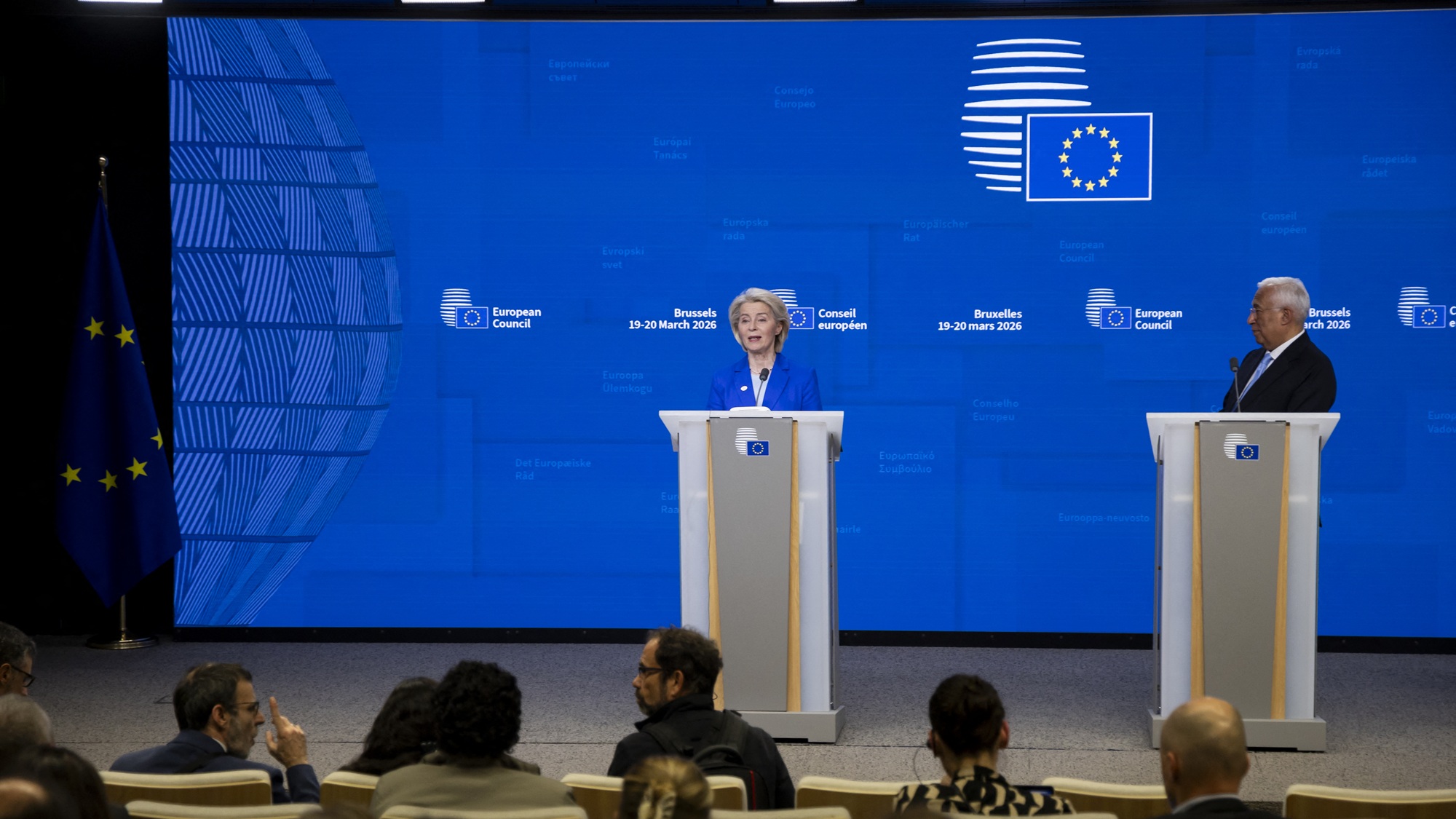
The European Union ambassadors’ meeting gave preliminary approval to the €90 billion loan package to Ukraine on Wednesday, 22 April. It is expected to be finalized on Thursday, 23 April, as EU leaders gather in Lefkosia and Agia Napa, Cyprus, for an EU Summit.
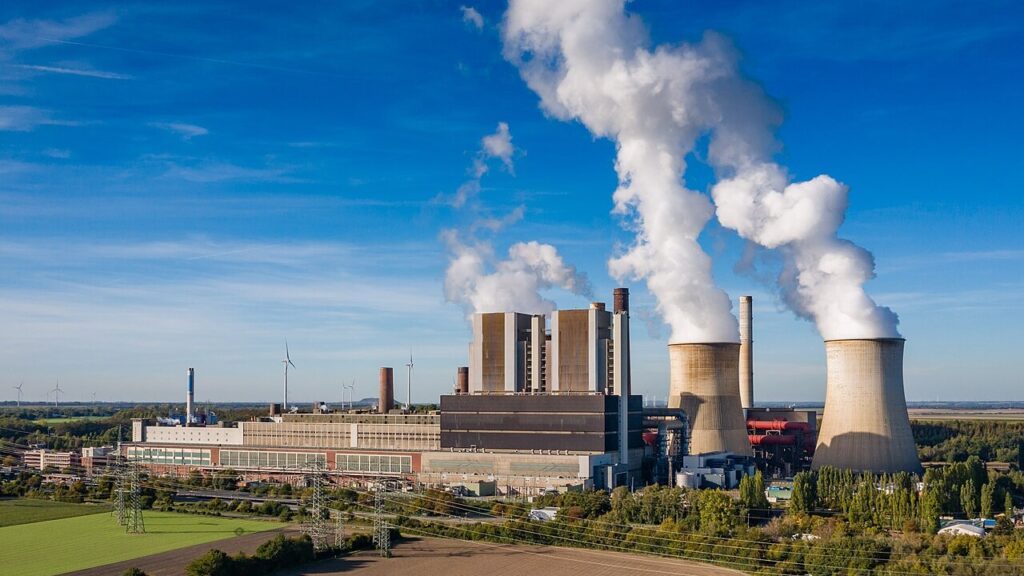
This comes in the wake of President Volodymyr Zelenskyy of Ukraine announcing on Tuesday that the oil flow had been restarted in the Druzhba pipeline. The pipeline runs through Ukraine and delivers Russian crude oil to Hungary and Slovakia.
It stopped operating in late January. Both outgoing prime minister Viktor Orbán of Hungary and Prime Minister Robert Fico of Slovakia were sceptical of Kyiv’s claim that it was functionally unoperational due to damage endured by a Russian attack. Instead, PM Orbán was of the opinion that it was a pressure tactic by the Ukrainian government to get Hungary to drop its opposition to Ukraine’s accession to the EU.
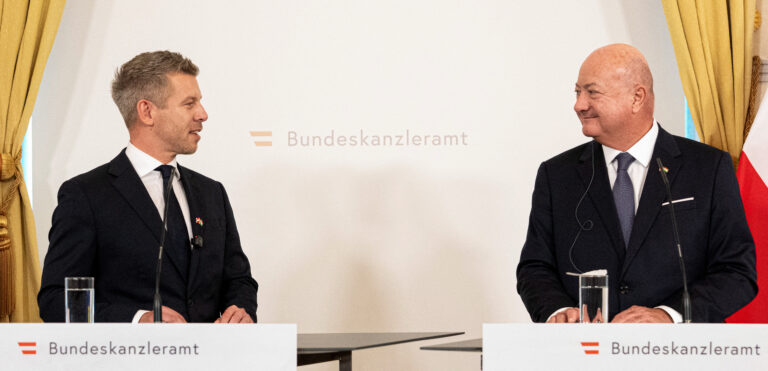
After Orbán lost his reelection bid for Prime Minister of Hungary to challenger Péter Magyar on 12 April, President Zelenskyy’s announcement came on 21 April that the ‘repairs’ of the pipeline had been completed and the oil transit resumed.
PM Orbán responded to the now-ended shutdown of the Druzhba pipeline by blocking the €90 billion loan to Ukraine in the EU Council. He made the move despite the commitment he gave to other EU leaders in December 2025 that he would not do so, after they granted Hungary, Slovakia, and Czechia exemptions from contributing to the loan.
With Orbán choosing not to attend the last EU Summit during his tenure as Prime Minister, and thus unable to exercise Hungary’s veto power, approval of the EU loan to Ukraine is expected to be finalized by all observers.
‘Ukraine really needs this loan, and it’s also a sign that Russia cannot outlast Ukraine,’ High Representative of the European Union for Foreign Affairs Kaja Kallas has stated, as quoted by the BBC. President Zelenskyy will also be in attendance at the Cyprus meeting of EU leaders.
EU Summit Cyprus: Energy Crisis in Focus
Unfortunately, however, the loan package to Ukraine is not the most pressing matter on the EU summit’s agenda in Cyprus.
The Strait of Hormuz remains closed. Iranian officials announced its reopening on 17 April, last Friday. However, they quickly rescinded that after the United States refused to list its naval blockade of Iranian ports.
A second round of peace negotiations was set to take place between the US and Iran in Islamabad, Pakistan, on Tuesday and Wednesday, but it never materialized due to tensions over the blockade and Israeli military action in Lebanon.
However, both the American and Iranian sides maintain the possibility of the talks happening, and bombardment was not restarted by either side despite their initial ceasefire agreement expiring on Tuesday night. President Trump has announced he is indefinitely extending the ceasefire period until Iran submits its proposal to the peace talks.
All these developments pushed crude oil prices back up in the international commodity markets.
As of the time of writing this, futures contracts for a barrel of American-produced WTI crude oil were trading at around $94.50. The British Brent crude is at $103.6, while the UAE’s Murban crude is at $104.8.
The energy crisis hits European nations especially hard, given their lack of natural resources (compared to the major oil producers of the world) and the ongoing sanctions on Russian energy imports imposed for the Russian invasion of Ukraine.
The 20th sanctions package on Russia is also expected to be approved at the Cyprus EU summit, along with the €90 billion loan to Ukraine.
The fuel price hike is already having an impact on the transportation and aviation industry in Europe, increasing operational costs and placing additional pressure on consumers. These issues are expected to be front and centre at the summit in Cyprus. However, it is still unclear exactly what measures the Union is willing to take to mitigate the energy crisis.
Related articles:
At a time when public debate is increasingly polarized and superficial, Hungarian Conservative remains committed to depth, intellectual honesty, and independent conservative thought.
Producing high-quality journalism requires resources. Your contribution helps us expand our coverage, reach new audiences, and keep our content accessible.

Please consider supporting our mission.