
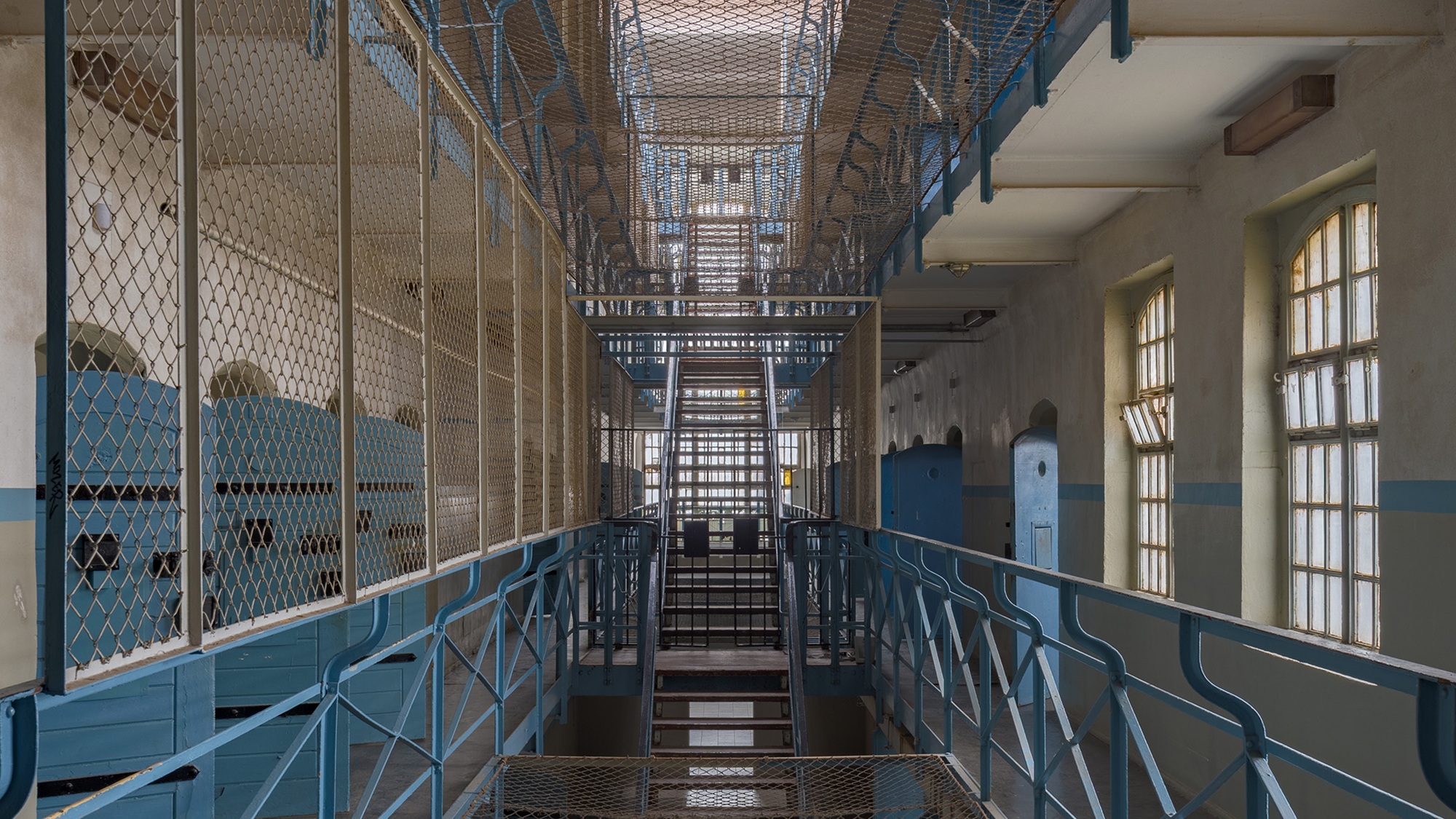
Around 45 per cent, nearly half of all people currently serving in Germany’s prison system, are foreign-born, the Brussels Signal reports based on numbers by the Federal Statistical Office of Germany.
Foreign-born nationals make up about 20 per cent of people living in Germany; thus, they are overrepresented among inmates by a factor of more than two to one.
These statistics are accurate as of March 2026, and they include people serving sentences in juvenile detention centres as well. The statistics track nationality rather than ethnic identity or migration history, which means that German citizens who have immigrant roots are categorized as German.
René Müller, the federal chairman of the prison staff union, has told the Neue Osnabrücker Zeitung in an interview that communication issues between staff and prisoners are causing considerable challenges, making it more difficult to connect with inmates and aid them in their rehabilitation.
Müller also expressed concern about an increasing risk of violence and the emergence of isolated factions within prisons. The prison system desperately needs additional staff to oversee situations more effectively and to segregate groups when needed.
‘It should not happen that some inmates become more criminal upon their release than when they were admitted to prison,’ he has stated, as cited by the Brussels Signal.
The percentage of foreign-born citizens in the prison population is greatest in the city-states of Germany.
In Berlin, 58.9 per cent of the incarcerated individuals are foreign nationals, while in Hamburg, that figure is as high as 57.95 per cent.
In the states of Bavaria, Baden-Württemberg, and Hesse, the share of foreign prisoners also surpasses 50 per cent.
On the other hand, the numbers are considerably lower in eastern Germany, with about one-fourth of prisoners in Mecklenburg-Vorpommern, Saxony-Anhalt, and Thuringia being foreign nationals.
According to Eurostat’s latest numbers from 2023, 10.7 per cent of the German population report crime in their area as a major problem. That’s the eighth-highest value in the European Union and far above EU Member States in Eastern Europe with low migrant populations such as Poland (just 2.8 per cent), Slovakia (3.4 per cent), or Hungary (6.1 per cent).
Related articles:
At a time when public debate is increasingly polarized and superficial, Hungarian Conservative remains committed to depth, intellectual honesty, and independent conservative thought.
Producing high-quality journalism requires resources. Your contribution helps us expand our coverage, reach new audiences, and keep our content accessible.

Please consider supporting our mission.