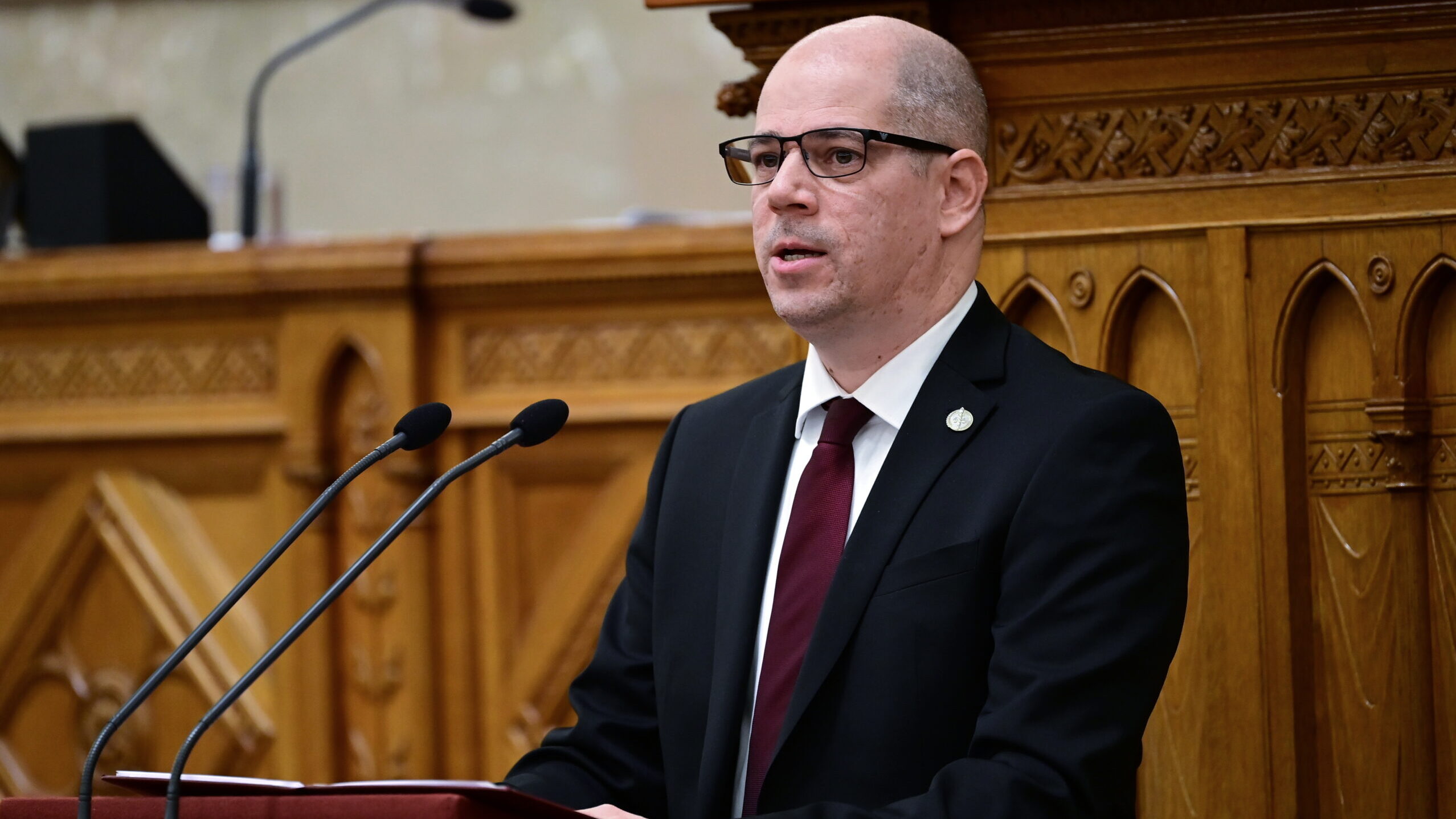
Hungary’s Prosecutor General, Gábor Bálint Nagy, submitted his resignation on Wednesday, 22 July, warning that the prosecution service must not become an instrument in political struggles or a battleground for ‘daily political interests and power games’.
Nagy asked for his mandate to end on 25 August, saying political attacks against him had moved far beyond legitimate professional and public debate and were damaging confidence in the more than 4,000 people working for the prosecution service. He denied any political affiliation and said he was leaving solely to protect the institution’s independence and authority.
He also issued a pointed warning about efforts to remove a prosecutor general because ongoing criminal proceedings were not developing as politicians expected. Such pressure, he argued, risked creating a precedent under which future officeholders would fear dismissal unless they satisfied political demands.
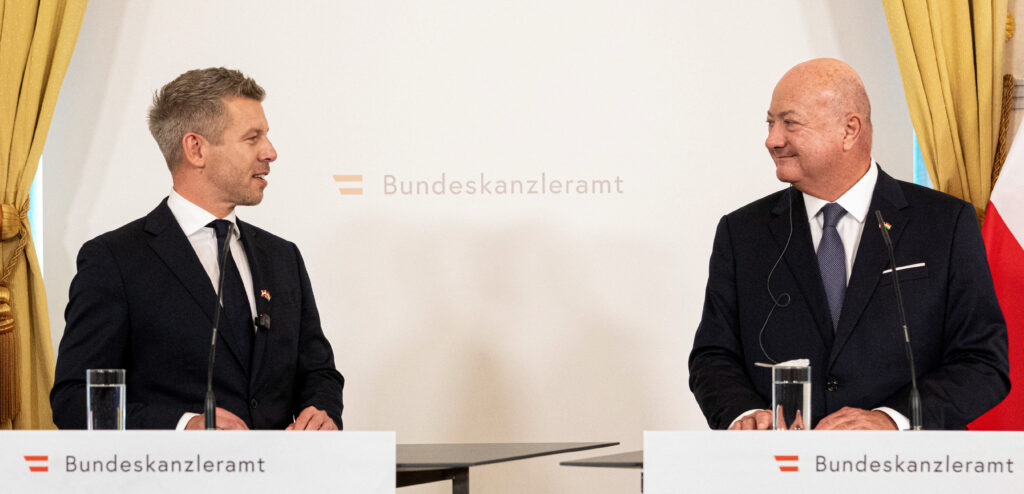
Prime Minister Péter Magyar responded within minutes by portraying the resignation as another victory in his campaign to dismantle Viktor Orbán’s former system.
‘The country has been freed from another Orbán puppet who obstructed the change of system,’ Magyar wrote on Facebook. ‘Gentlemen, who will be next?’
Fidesz’s newly elected parliamentary group leader, János Bóka, described Nagy’s departure as ‘a protest against the Tisza-style political autocracy being built in Hungary’. He said the resignation followed repeated public threats by Magyar and warned that the prosecution service could now be placed under open political control.
The confrontation had been present since Tisza’s landslide election victory on 12 April. Magyar repeatedly demanded Nagy’s departure, initially including him among several senior officials he labelled ‘Orbán puppets’ and instructing them to resign by 31 May, including President Tamás Sulyok. In June, the prime minister said Nagy would soon have to leave and suggested that Parliament would return to the issue should he remain in office.
The pressure intensified as Magyar launched ‘Operation Purgatory’, his government’s campaign to recover allegedly misappropriated public assets and remove institutional remnants of the Orbán era. Its central measures included a new asset-recovery authority with prosecutorial powers and the so-called 17th amendment to the Fundamental Law.
Parliament approved the amendment by 139 votes to six on 13 July, with Fidesz and KDNP boycotting the vote. Among other changes, it ended President Tamás Sulyok’s term and the Constitutional Court mandates of four judges, including Nagy’s predecessor, Péter Polt. Sulyok’s removal temporarily transferred presidential responsibilities to Speaker and Tisza MP Ágnes Forsthoffer.
Magyar used that interim arrangement on Monday to ‘respectfully urge’ Forsthoffer to place Nagy’s removal before Parliament. He cited the prosecution service’s handling of the alleged misuse of public funds linked to Hungarian National Bank foundations and the Ukrainian ‘cash convoy’ investigation, saying no meaningful inquiry could occur while an ‘Orbán puppet’ remained in charge.
The prime minister’s pressure campaign met with condemnation from civil society. Amnesty International Hungary, while acknowledging that grounds might exist for the prosecutor general’s removal, stressed that the prime minister had no place pressuring the acting head of state. It called for a transparent parliamentary procedure, a partly public committee hearing, a detailed justification, and an opportunity for Nagy to respond. Amnesty argued that waiting for a permanently elected president would reduce the risk that investigations into former officials appeared politically instructed.
Nagy graduated in law from Pázmány Péter Catholic University and served as a Budapest judge from 2007 to 2011 before joining the prosecution service. He later became Polt’s cabinet chief and succeeded him as prosecutor general in June 2025.
Related articles:
At a time when public debate is increasingly polarized and superficial, Hungarian Conservative remains committed to depth, intellectual honesty, and independent conservative thought.
Producing high-quality journalism requires resources. Your contribution helps us expand our coverage, reach new audiences, and keep our content accessible.

Please consider supporting our mission.