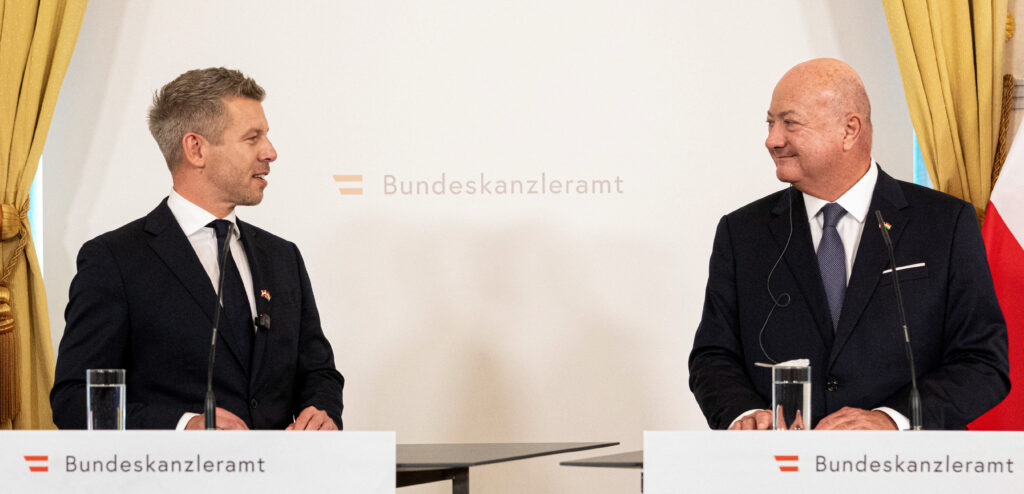
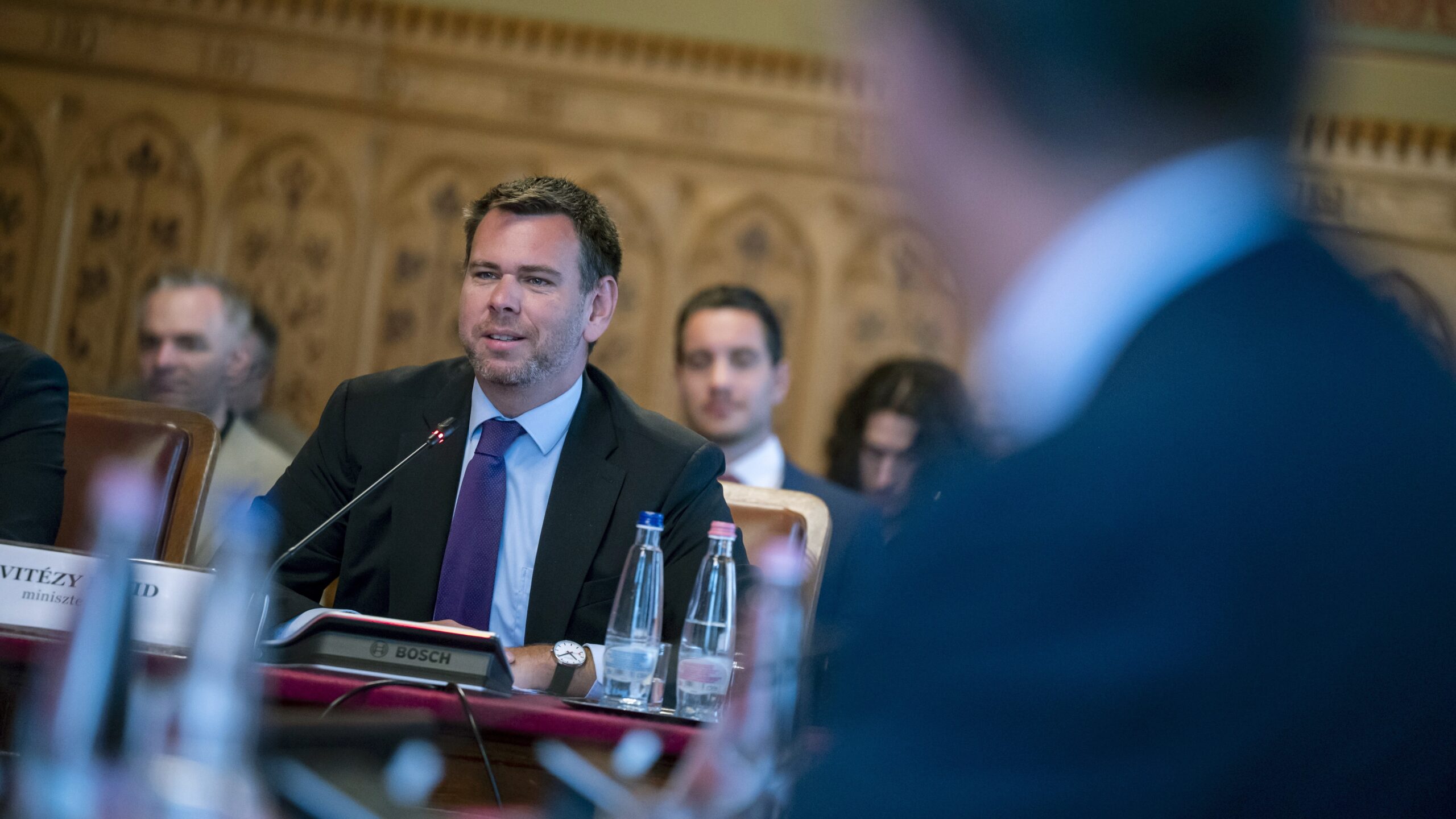
Hungary faces major challenges in transport policy, incoming Minister of Transport and Investment Dávid Vitézy said during his parliamentary confirmation hearing on Monday, outlining an ambitious agenda focused on railway development, infrastructure renewal, and restoring access to European Union funding.
Speaking before the parliamentary committee on transport and investment, Vitézy said the new government must begin by confronting unresolved issues inherited from previous administrations. He stated that old case files would be reopened, ongoing projects reviewed, and potential irregularities investigated in cooperation with the authorities.
He stressed that one of the government’s key priorities would be recovering suspended EU funds, arguing that Hungary had already suffered significant and potentially irreversible damage from losing access to development financing.
According to Vitézy, rebuilding the institutional system responsible for managing large-scale infrastructure projects will be essential if Hungary is to successfully secure and spend EU resources within required deadlines.
‘The era of railway destruction must come to an end,’ he said, pledging a shift toward railway expansion and modernization. He announced that closed railway lines would be reviewed and acknowledged that Hungary’s rail vehicle fleet is ageing rapidly, requiring a large-scale rolling stock renewal programme.
He added that railway transport should play a much larger role not only in Budapest but also in regional metropolitan areas across the country.
Discussing road infrastructure, Vitézy said Hungary’s transport network reflects a dual reality: while motorways and expressways have expanded in recent years, large parts of the national road system remain in poor condition due to delayed maintenance and insufficient renovation work.
The minister-designate also highlighted transport safety as a major concern, saying there had been little improvement in recent years. Among the proposed measures, he mentioned stricter action against illegal street racing, upgrades to speed enforcement systems, and a complete overhaul of Hungary’s outdated Highway Code.
Air transport and airport development will also remain priorities under the new administration. Vitézy said regional airports are struggling economically, while Budapest Airport urgently requires a rail connection to improve accessibility.
He sharply criticized the construction sector, describing it as dominated by opacity and corruption in recent years. He pointed to prestige projects—including the new headquarters of MÁV—as examples of problematic spending practices.
According to Vitézy, the legal framework surrounding nationally prioritized investment projects must be reconsidered, including rules allowing secrecy around major developments. He also said the government is preparing measures against visual pollution caused by excessive outdoor advertising.
On relations with Budapest, Vitézy promised a more cooperative approach than under the previous government, saying the capital city would no longer face what he described as punitive policies.
Responding to lawmakers’ questions, he said one of the major obstacles to EU funding had been the suspension of several projects by the Construction and Transport Ministry, including developments that had already secured European support. He added that efforts are underway to preserve these funds.
Vitézy also confirmed that the Budapest–Belgrade railway project is currently undergoing regulatory commissioning procedures and said he would seek to remove classification restrictions surrounding the investment. Near Szeged, he said he could envision a new bridge over the Tisza River that would also carry rail traffic.
After the committee session, Vitézy told journalists that rail services to Lake Balaton are currently in worse condition than last summer due to delays in the overhaul of InterCity carriages. He blamed problems linked to rail maintenance contracts for the shortage of available rolling stock.
While he acknowledged that the state railway operator’s problems cannot be solved overnight, he promised greater transparency in communication and said the government would work to improve service quality, increase capacity, and reduce delays for passengers.
The parliamentary committee approved Vitézy’s nomination as transport and investment minister with six votes in favour and one abstention.
Related articles:
At a time when public debate is increasingly polarized and superficial, Hungarian Conservative remains committed to depth, intellectual honesty, and independent conservative thought.
Producing high-quality journalism requires resources. Your contribution helps us expand our coverage, reach new audiences, and keep our content accessible.

Please consider supporting our mission.