The global economy is operating with increasingly limited fuel reserves. Although at a first glance it might not seem obvious, its consequences go far beyond individual regions.
Rising energy price volatility, recurring supply disruptions, and mounting inflationary pressures are leaving their marks across every corner of the system—from Western economies to the Arab world, and from Southern Africa to the Far East. All of this has set in motion spiral-like, deep economic processes from which even the world’s largest superpower, the United States, cannot escape—nor, unfortunately, can Europe or Hungary.
This crisis, however, does not resemble the collapse of 2008. It is not rooted in a single financial trigger, but in structural tensions that appear increasingly difficult to unwind. The global balance of power has taken on sharper, more visible forms, painted with more vivid colours while the fragile equilibrium of the past decades has seemingly eroded. The recent conflicts and menacing absolutes have made it clear that we won’t be able to return to the conventional market circumstances, energy prices and supply chains what we had a few years ago.
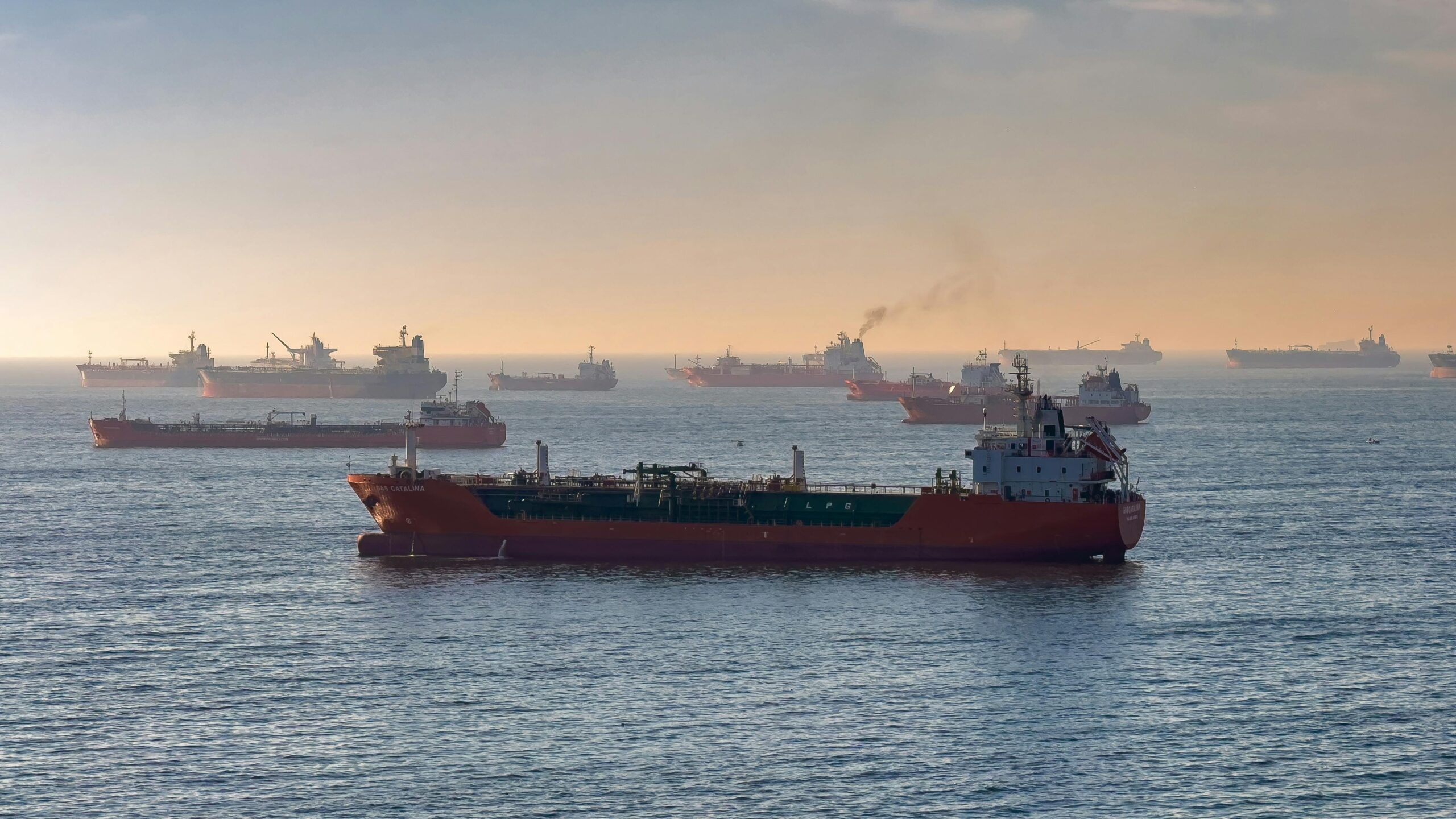
One of the clearest signs of this transformation lies in the behaviour of energy markets themselves. Traditionally, disruptions around the Strait of Hormuz would have resulted in extreme price surges. Yet recent developments suggest something more complex. Prices have risen, but not to the levels predicted by conventional models. While supply and demand play an undeniable role, energy markets have never operated within a seemingly blatant and simple equilibrium defined by them alone.
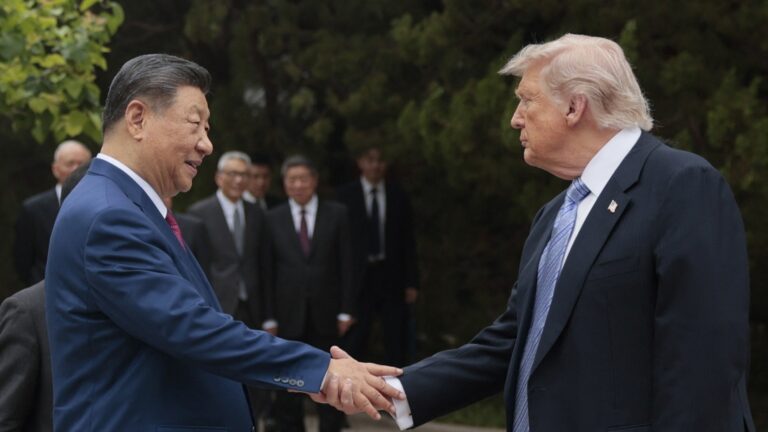
Day-to-day political signalling has become an active force in the market. Statements by figures such as Donald Trump have, at times, directly influenced expectations, tempering price increases despite underlying shortages.
This does not represent an entirely new context, but rather a new layer of uncertainty. The market has become increasingly reactive, not only to material constraints, but to narratives. In this sense, it becomes clear that energy prices are not purely economic outcomes—they are partially political constructs.
At the same time, global economic centres are multiplying. Emerging Asian economies, particularly China and India, have already surpassed Europe in energy consumption and continue to expand. Europe, by contrast, remains structurally dependent, consuming more energy than it can produce. This imbalance reinforces its vulnerability in an increasingly fragmented and fragile system.
‘The central question is…no longer where energy comes from, but how it is used’
The central question is therefore no longer where energy comes from, but how it is used. Efficiency, rather than expansion, is becoming the defining constraint. Technological advancements—including artificial intelligence—may enhance optimization, but they also introduce new forms of demand. Without adaptation on the level of consumption and behaviour, technology alone cannot resolve the underlying tensions.
The world economy is not simply in crisis—it has entered a new phase. In such a system, predictability fades, and stability becomes the exception rather than the rule.
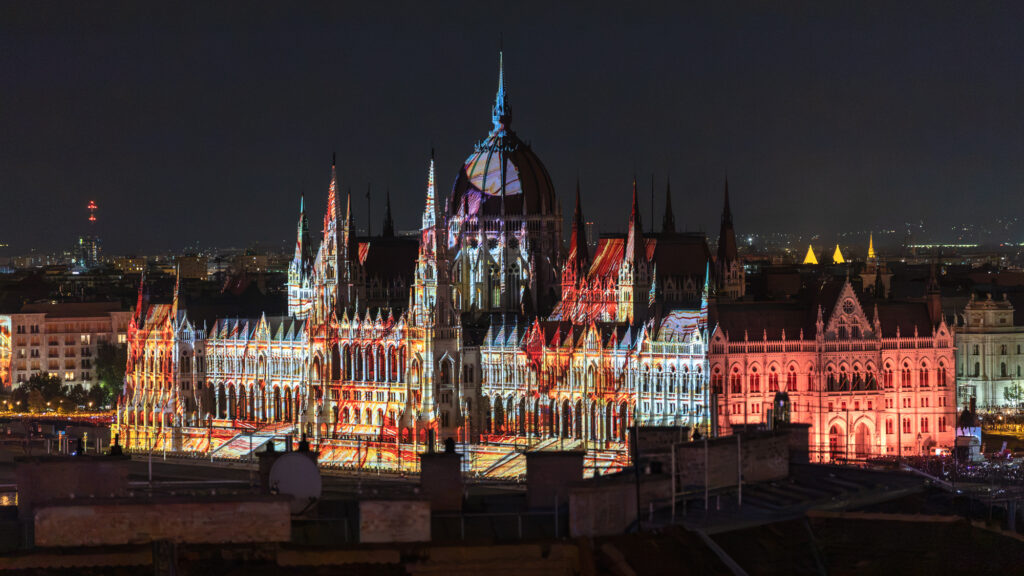
Interestingly, the contours of a new phase are beginning to emerge on the energy front in Hungary as well. While the incoming government does not yet appear to signal a fundamental shift in direction, it is increasingly evident that certain areas will be recalibrated—or at least adjusted.
The long-discussed expansion of the Paks nuclear plant has increasingly become a matter of uncertainty, as more than 12 years have passed with only limited visible progress in its advancement. At the same time, Russia’s geographical position remains an unavoidable factor in Hungary’s energy landscape, one that cannot simply be set aside, even as the question of dependence on Russian energy sources is likely to be addressed with greater clarity over time.
‘The world economy is not simply in crisis—it has entered a new phase’
Alongside this, the internal balance of diversification efforts may gradually shift, and even the government’s household utility cost reduction programme will be a subject to reinterpretation. Meanwhile, the electricity grid in Hungary is pushed to its limits, reflecting deeper structural pressures—from the rapid expansion of intermittent renewable energy sources to the accelerating electrification of heating and transport, all compounded by the constraints of this network. How the next government responds to these challenges will be of critical importance, not only for system stability, but for the broader trajectory of Hungary’s electrification.
Nevertheless, an old and unavoidable question has re-emerged globally. Recent economic crises have once again made it clear that fuel supply—particularly in the case of oil—while neither easily replaceable nor avoidable, remains inherently exposed to the risks of import dependency, a persistent source of uncertainty that continues to loom over the system.
Confidence in the stability of these supply networks has not really improved in recent months. This applies not only to its physical constraints, but also to the volatility of its market behaviour. Its persistent price fluctuations continue to exert a disproportionate influence on the global economy, and will likely accelerate a broader shift—not necessarily away from these resources in absolute terms, but away from dependence on their unpredictability.
The repeated price swings and politically driven distortions will increasingly force economies to rethink not only supply, but usage. In this sense, the current state may serve as a catalyst: encouraging a more deliberate, technology-driven and efficiency-oriented approach to energy consumption—not out of idealism, but out of necessity.
Related articles:
At a time when public debate is increasingly polarized and superficial, Hungarian Conservative remains committed to depth, intellectual honesty, and independent conservative thought.
Producing high-quality journalism requires resources. Your contribution helps us expand our coverage, reach new audiences, and keep our content accessible.

Please consider supporting our mission.