




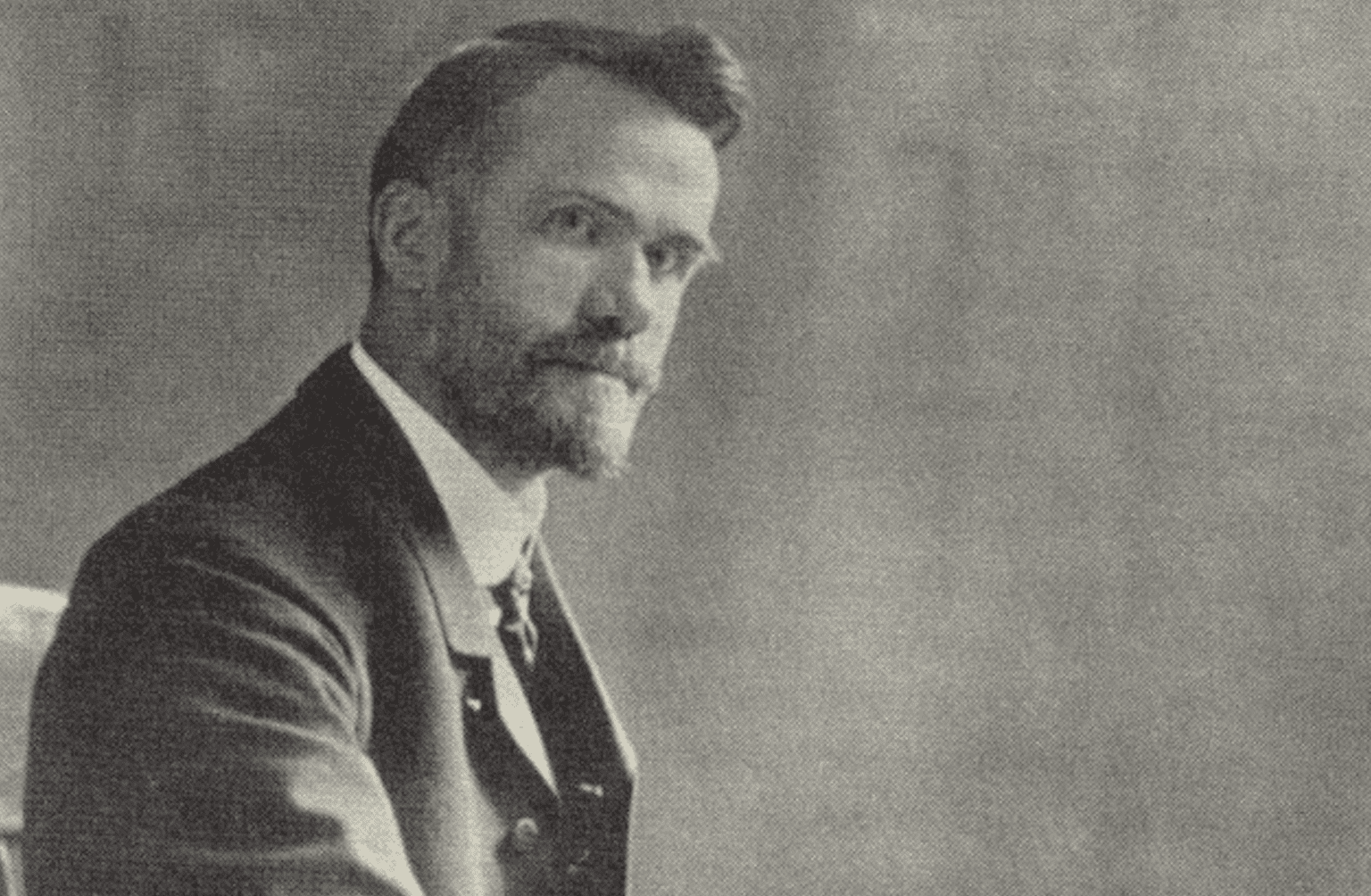
In this piece, we venture to America again to immerse in the thoughts of Walter Rauschenbusch (1861–1918).

While Grotius had the best of intentions, he inadvertently paved the way for the atheistic philosophy of the Enlightenment and today’s effective altruism that has reduced the human person to a mere statistic.

Law professor James Allan claims that although written constitutions are very popular around the world, they may not deliver what they promise to citizens.
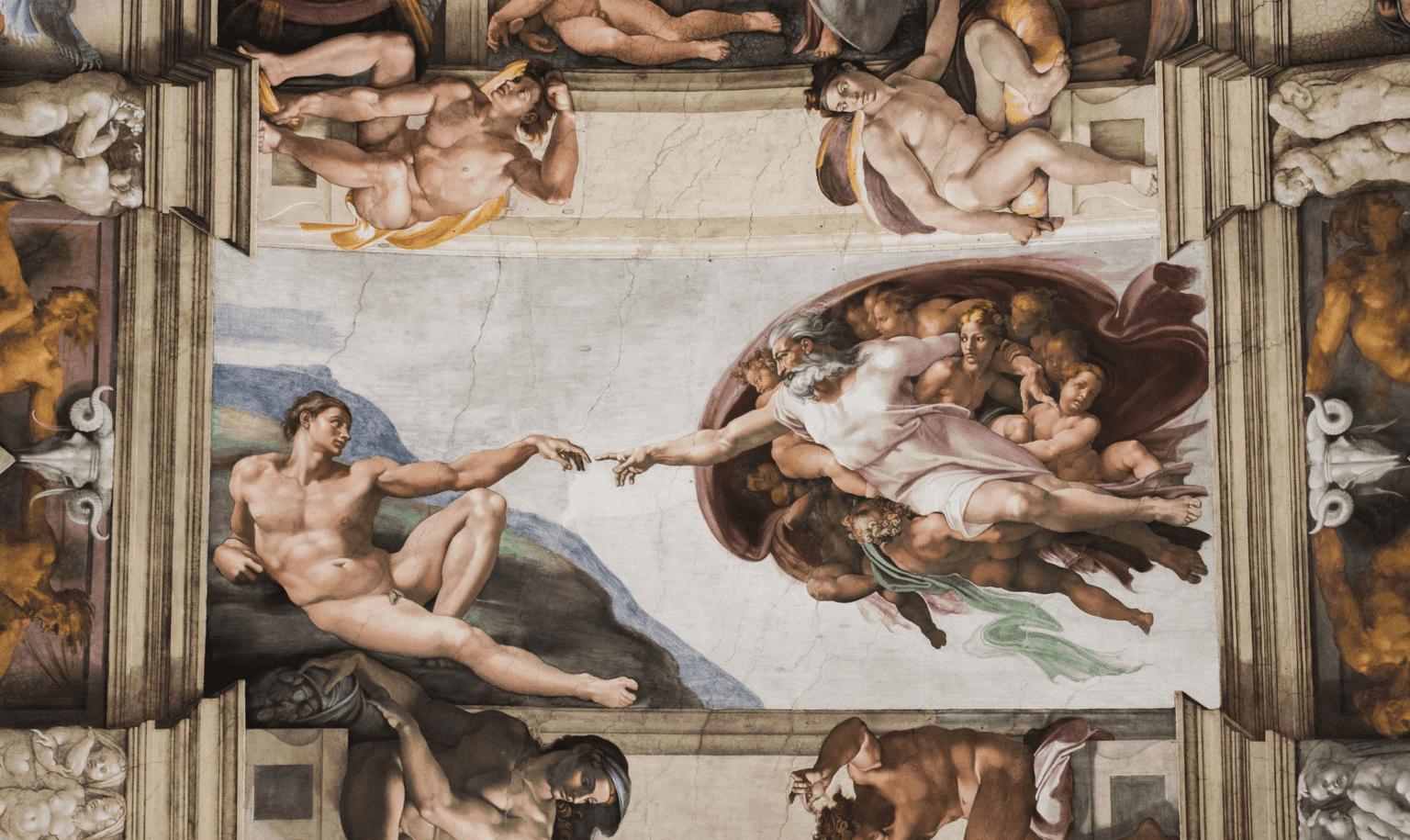
Paradoxically, the present-day misconstrued idea of secular individualism, which was fully developed during the Enlightenment, has its roots in early Christianity.

The guiding thread of Hungarian conservative thinking has always been to represent the Hungarian national interest, and thus the preservation of the country’s sovereignty and freedom—this is understood to supersede any theoretical concepts.
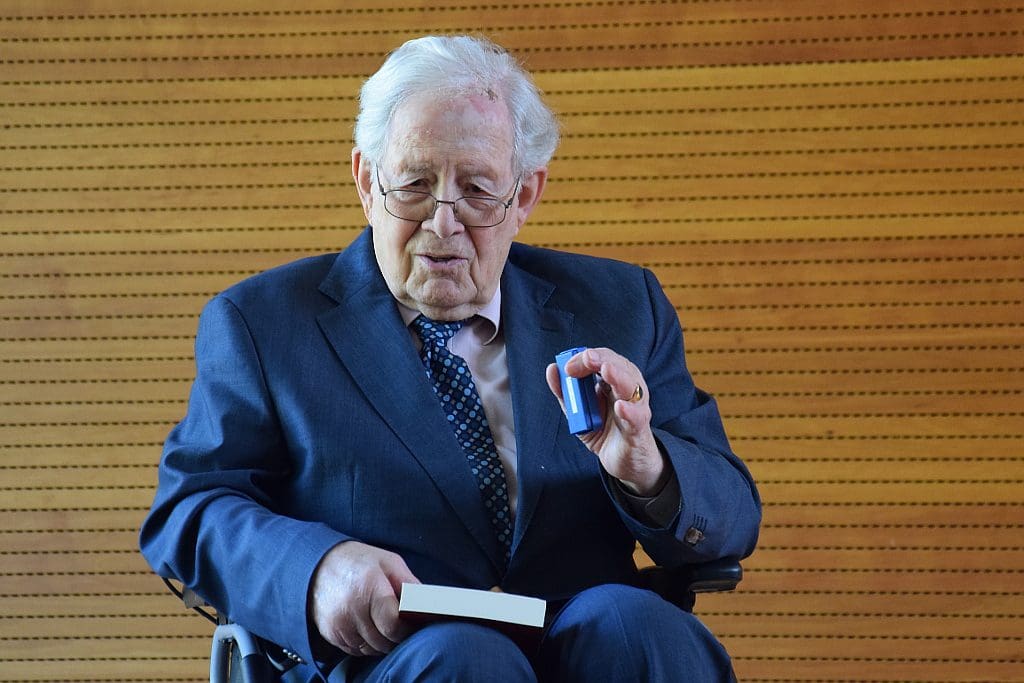
In this article, we would like to highlight a particular detail of Böckenförde’s thinking—specifically his conception of the relationship between Catholics and the state.

In this article, the insightful ideas of an essential American protestant theologian from the last century will be recalled.
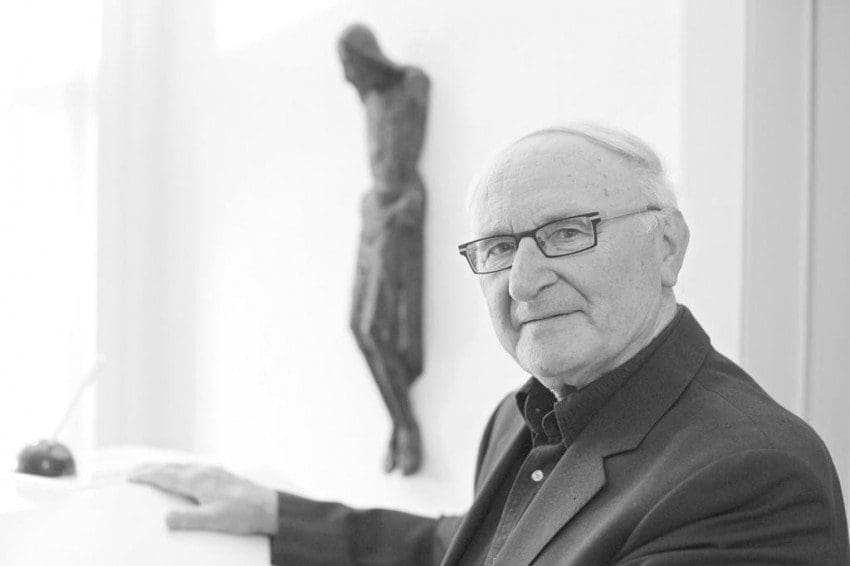
In the article we briefly introduce the ‘new political theology’ of Johann Baptist Metz (1928-2019), a contemporary of Ratzinger’s and a defining figure in 20th-century German theology.
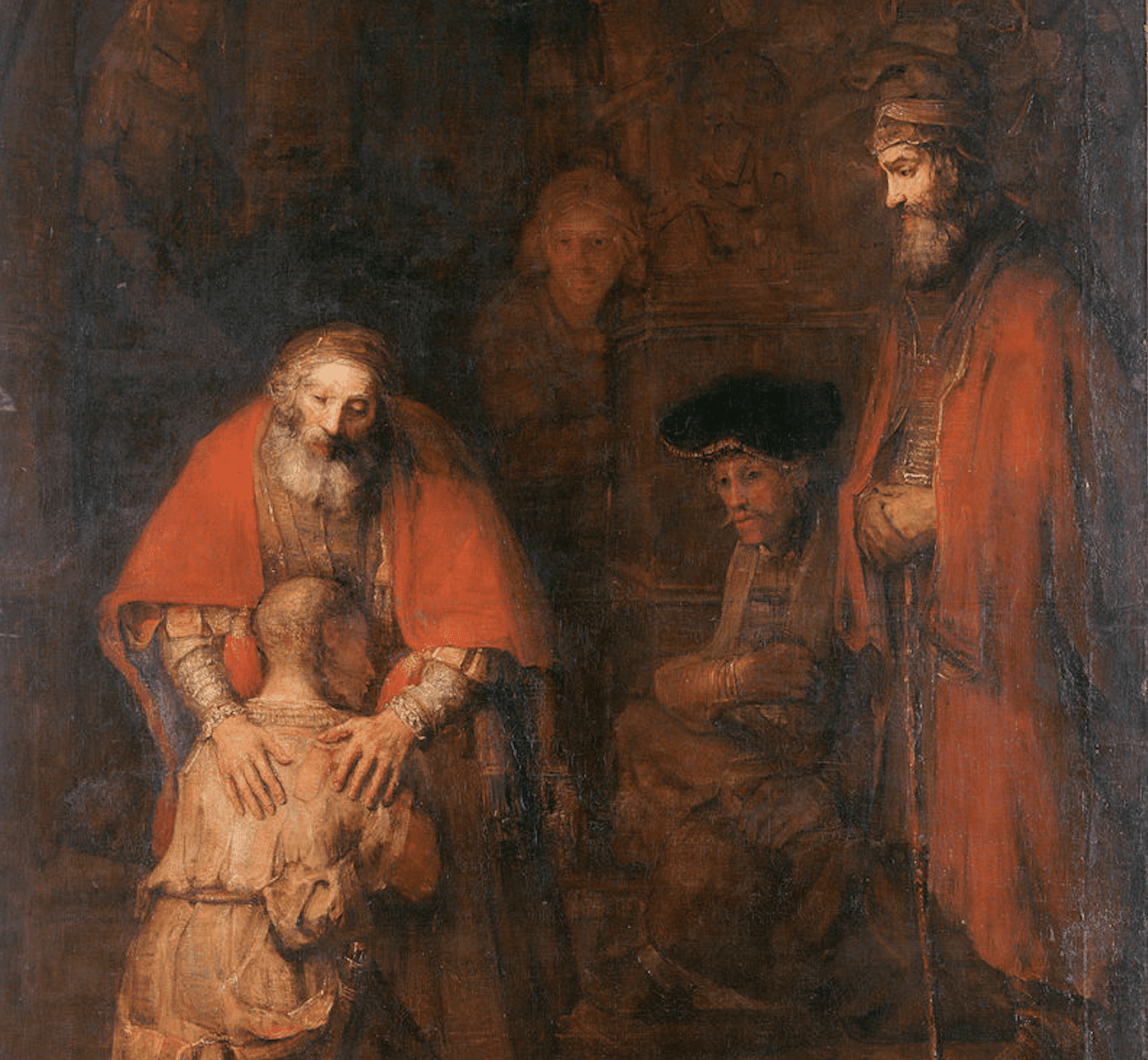
Does the model of the ‘secular’ state—that is, a state devoid of any religious foundations, as presumed by the narrative of separation—exist at all, or is only a myth of the modern era?
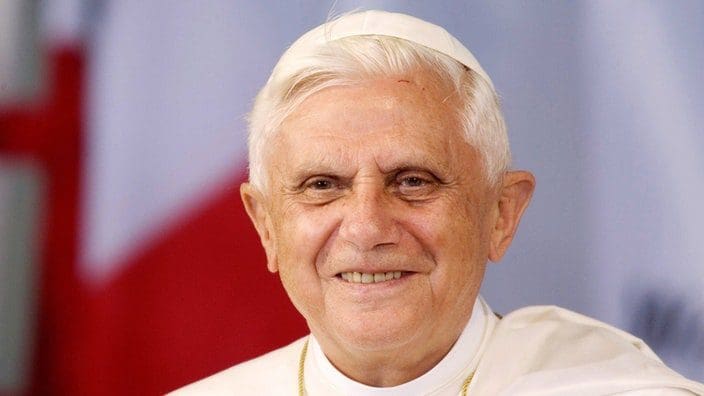
We present a brief introduction to the political thinking of an eminent contemporary Catholic theologian, Joseph Ratzinger (1927–), the subsequent Pope Benedict XVI.

This article examines a nowadays less quoted part of Reinhold Niebuhr’s thought, which is also related to his emphasis on the sinfulness of human nature, the idea of the ‘easy conscience of man’.
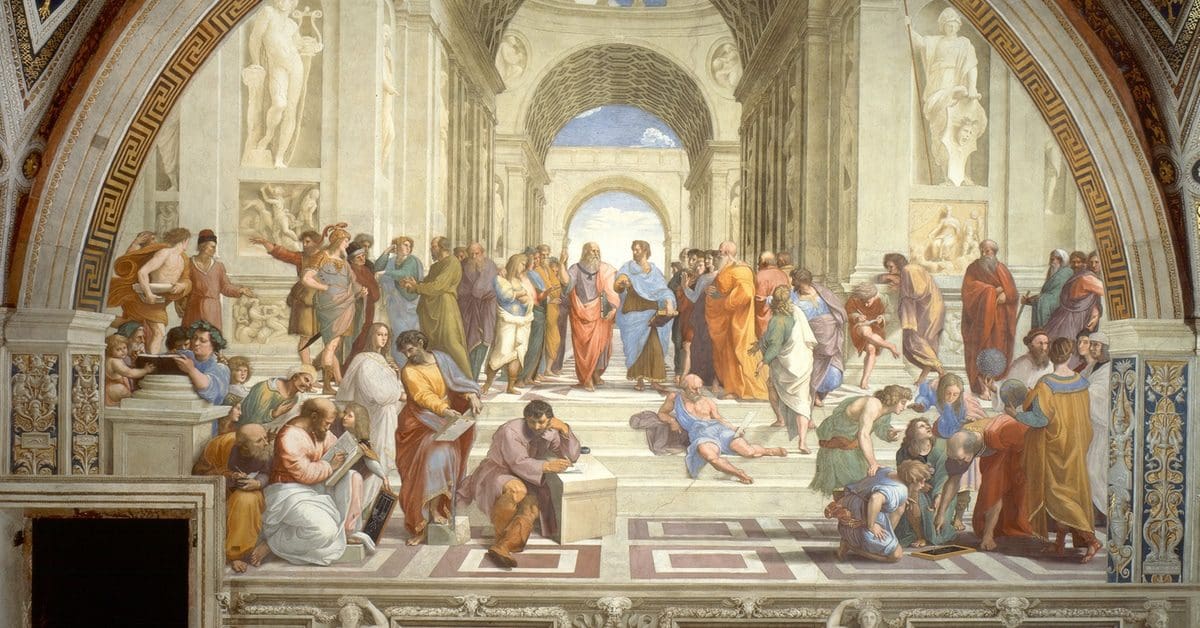
Being politically modern means the hope that people are able to take their own life into their hands and be their own masters, and that the human condition can be completely understood and controlled.

A kind of manifesto for conservative values that we can perhaps all commit to in these turbulent times.
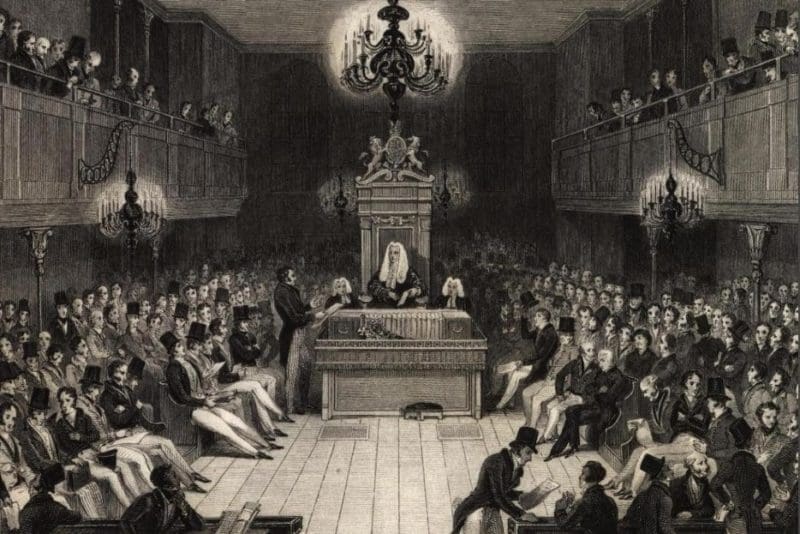
The political debates of the last half decade show that the concept of sovereignty has revived in the political public.
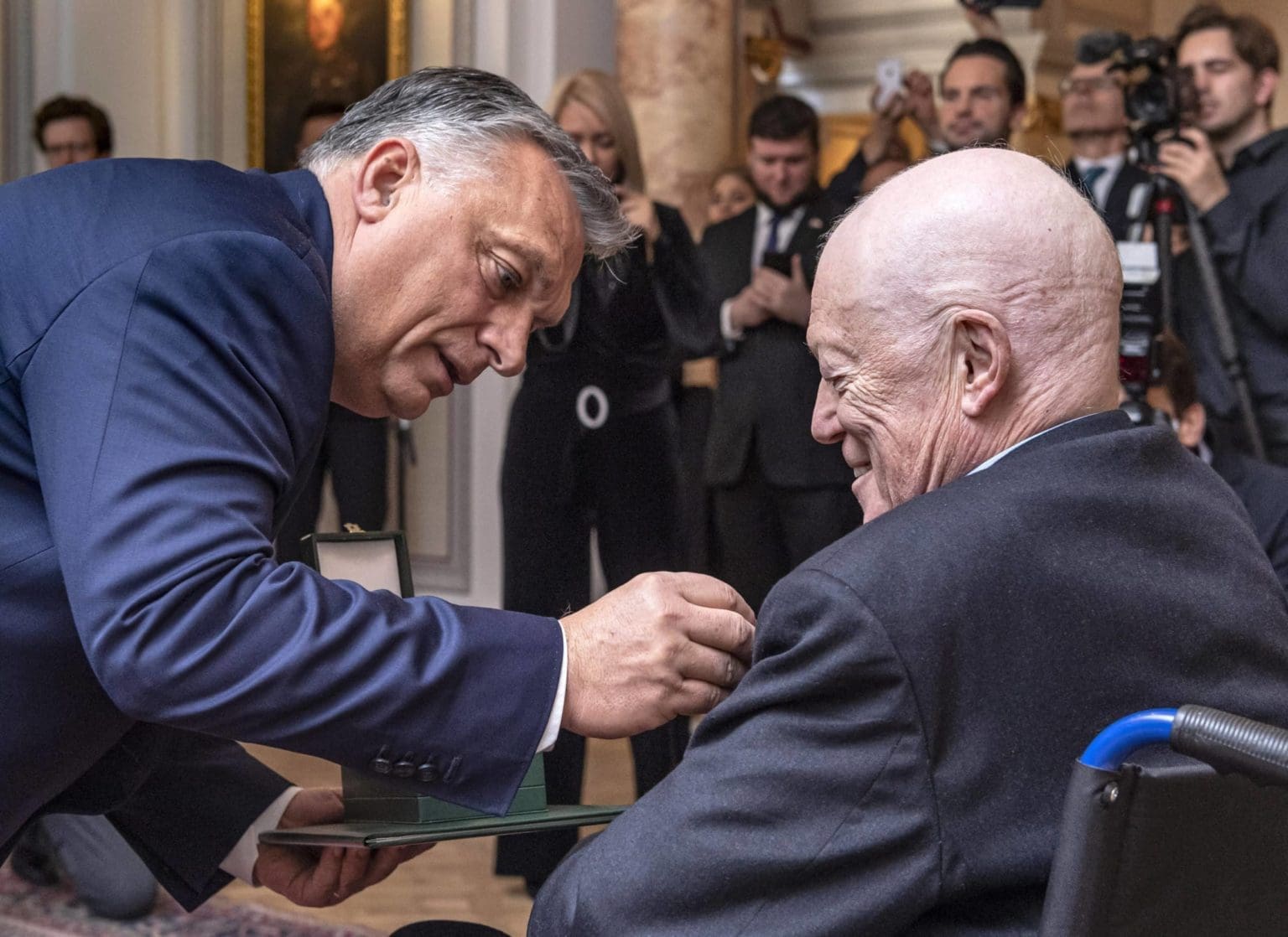
Scruton wrote that the foundation of democracy is not necessarily liberalism but a sense of national loyalty.
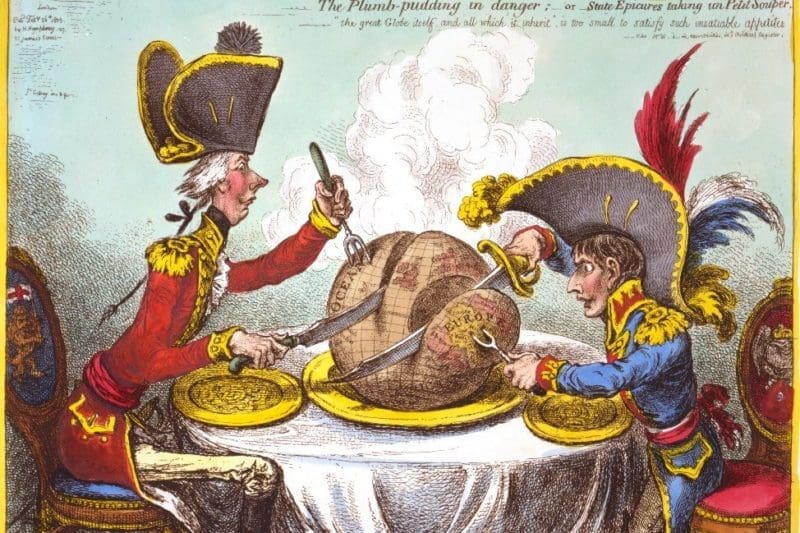
In the age of soft colonization and hybrid neo-colonialism, the war of independence must be fought in the cultural field in the first place.

At a time when public debate is increasingly polarized and superficial, Hungarian Conservative remains committed to depth and independent thought.
Donate Now
Please consider supporting our mission.