

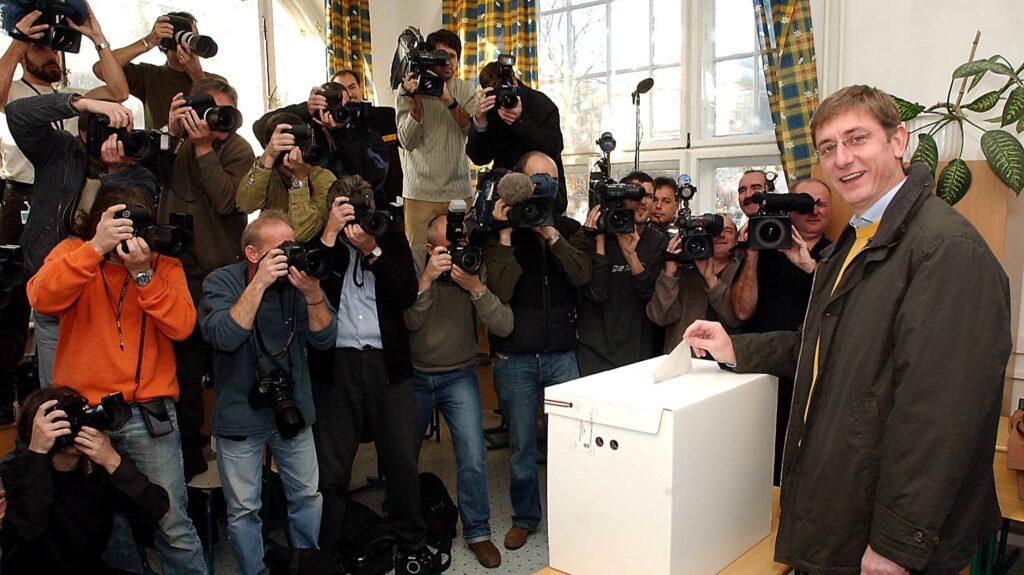
‘The inconclusive referendum held a few years after the millennium is still a blot on Hungarian social life. Thanks to a section of the Hungarian political elite of the time and a large number of misguided voters, that day became a day of national betrayal.’
Protestants played an irreplaceable role in the formation of Hungarian literary language, as well as in the renewal of the language. It is no coincidence that Ferenc Kölcsey, who wrote the Hungarian National Anthem in 1823, was a student at the Reformed College in Debrecen for many years, just as it is no accident that it was in the same Debrecen, known as the Calvinist Rome, that the Hungarian National Assembly—headed by Lajos Kossuth, who hailed from a Lutheran small noble family—proclaimed the dethronement of the House of Habsburg on 14 April 1849.
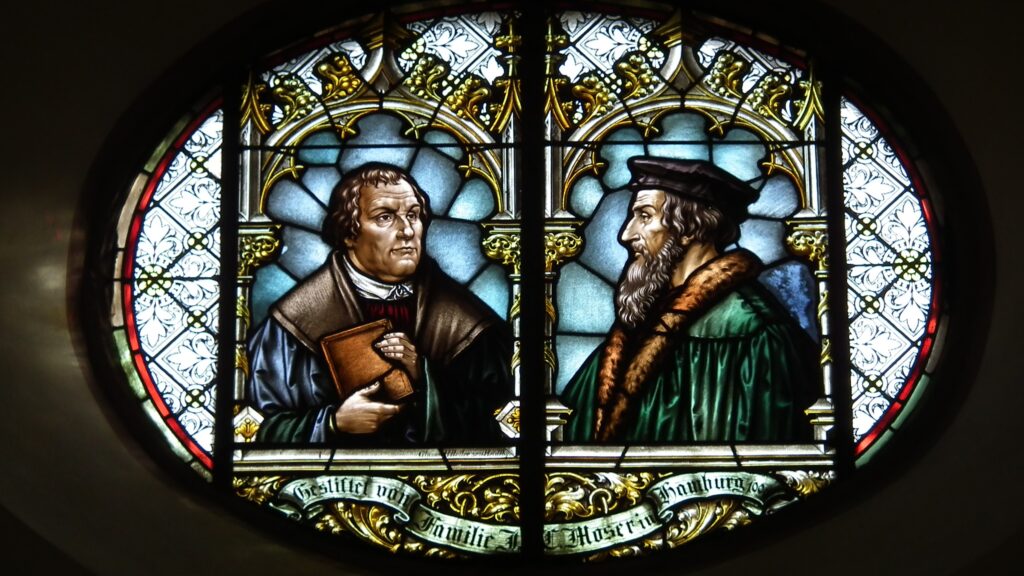
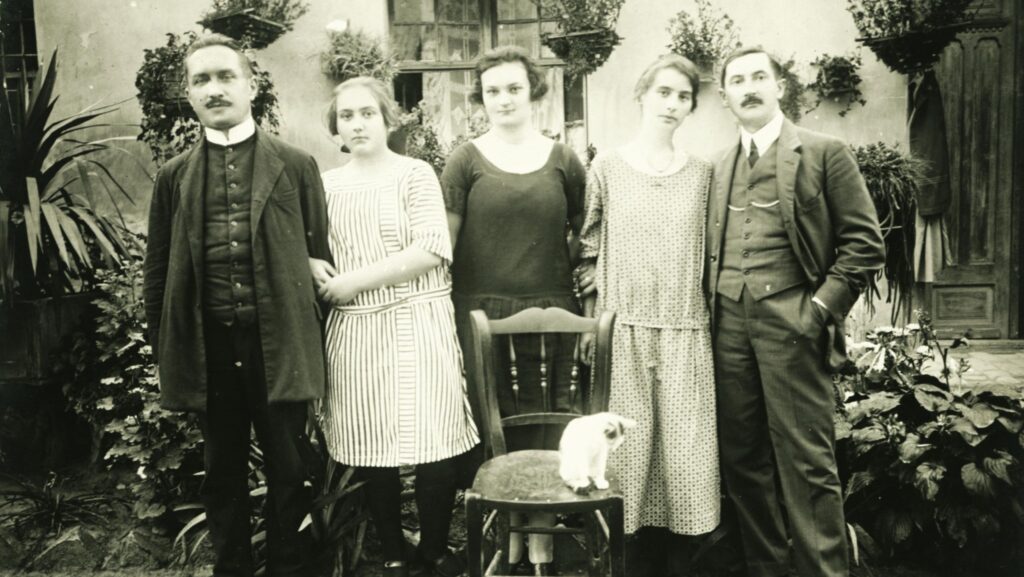
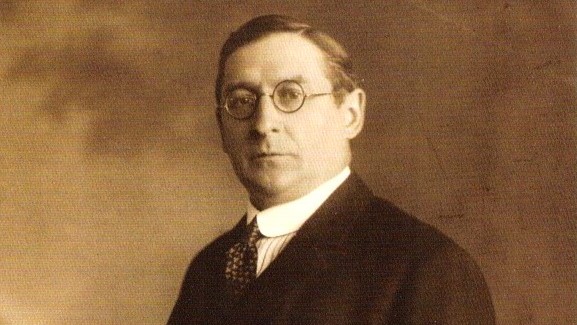
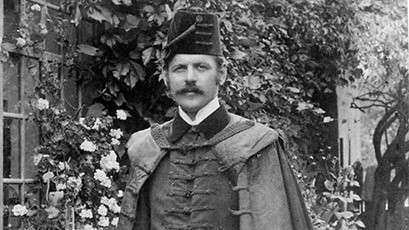
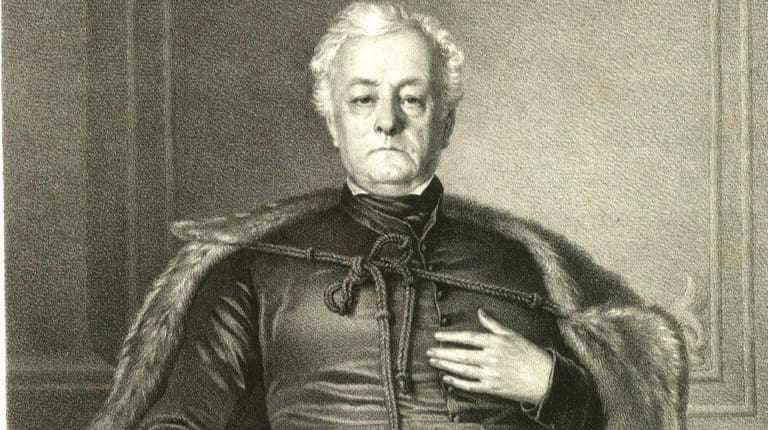
On the eve of Reformation Day we are publishing the last instalment of our eight-part series on how the garments worn by Calvinist pastors evolved over the past five hundred years. Part VIII looks at the types of garments worn by Protestant ministers between the interwar period and the present day.
‘Klebelsberg believed that “today it is not the sword but culture that can keep the Hungarian homeland alive and make it great again”, and he considered it important not only to educate the Hungarian elite but also to develop the education of the people. Legislation published in 1926 provided for the construction of 3,500 new classrooms and 1,750 teachers’ dwellings, in the following order: first, in isolated rural districts without schools, then in villages without schools, and finally in overcrowded urban schools.’
The question of what kind of apparel Reformed ministers should wear was still not fully resolved by the beginning of the 20th century. A weekly titled Lelkészegyesület (Clergy Association), launched in 1908, dedicated twenty-five articles, announcements, appeals, and comments to this topic in its first issue.
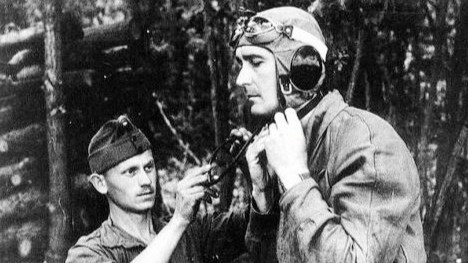
István Horthy, the son of Miklós Horthy, lost his life in a plane crash on the Russian front barely six months after he was elected Vice Regent of Hungary.
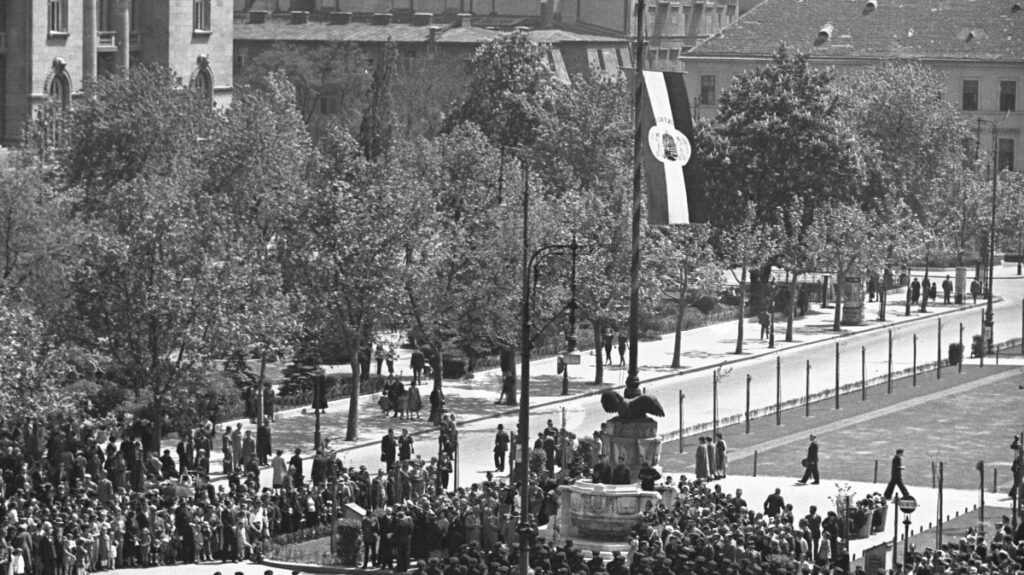
Following Hungary’s defeat in the First World War, the victors’ intentions were clear concerning our country: to impose punishments that would result, if not in the short term but in the long term, in the total disappearance of the former Central European superpower…The pain caused by Trianon and the desire to do something about it prompted Nándor Urmánczy, the ‘uncompromising Hungarian’ and a member of parliament of Transylvanian origin, to initiate and announce the National Flag Movement in 1925.
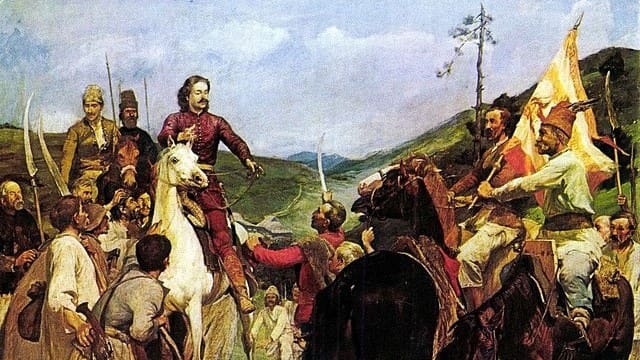
Two important events played a role in Rákóczi’s return to Hungary in 1703. On the one hand, the unfolding War of the Spanish Succession (1701–1714), which meant the withdrawal of most of the imperial regiments from the country, and on the other, the uprising of the serfs of Munkács, provided the perfect opportunity for Rákóczi to organize an armed rebellion. At the request of Tamás Esze, the leader of the uprising in the Tiszahát region, Francis II Rákóczi took the lead in the what developed into a War of Independence, issuing a proclamation calling on nobles and non-nobles alike to take up arms.
At the beginning of the 19th century, the idea of unification between the Roman Catholic and Protestant Churches came to the fore, and Protestants who sympathized with this idea tried to make it even more visible to the public by wearing clothing similar to the cassock worn by Roman Catholic priests.
‘The ideological models that had emerged at the turn of the eighteenth and nineteenth centuries…had transformed social thinking and humanity’s view of the world to such an extent that it was impossible to maintain and preserve the earlier, semi-feudal Europe. This in turn meant that ethnicity and nationality, previously considered less significant elements…became a determining factor, leading not only to an exploration of the historical past of a given community, in the search for national heroes, but also to a demand for political unification with ethnic or linguistic compatriots within a single country.’

At a time when public debate is increasingly polarized and superficial, Hungarian Conservative remains committed to depth and independent thought.
Donate Now
Please consider supporting our mission.