

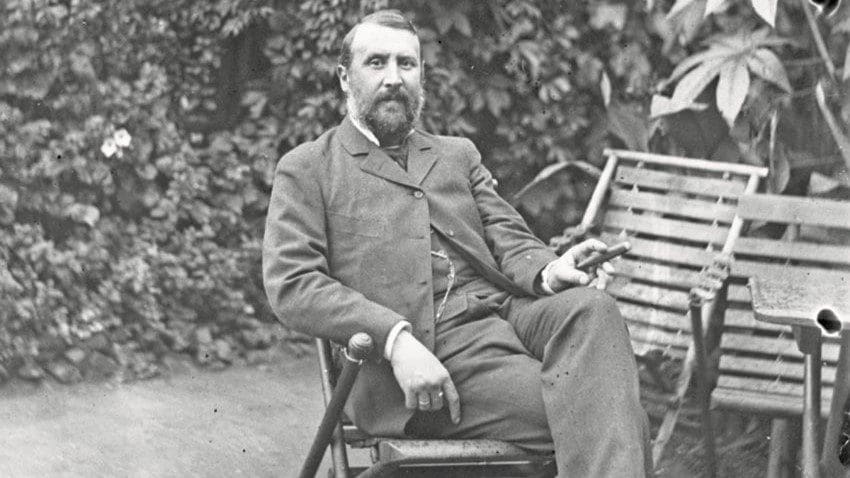

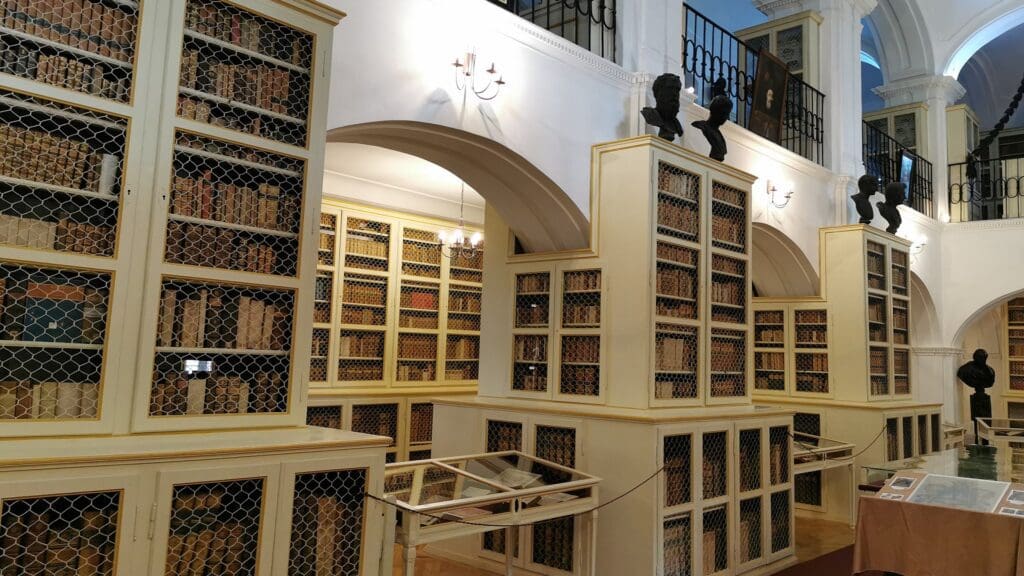
The half-century of Loránd Eötvös’ active years not only reflects the incredible intellectual richness of a single human life but has also left an indelible mark on the history of science, education, and the entire cultural life of our country.
István András Kiss spent many years playing for the Kolozsvár (Cluj) team CFR; he even won the national youth league with their youth team in 1985. In this interview he speaks about what it was like to be an ethnic Hungarian football player in Communist Romania, where ‘class warfare and chauvinism could easily co-exist’.
‘Governor Lajos Kossuth thanked General Guyon for his victory in a letter, writing: “Please accept my and the homeland’s gratitude for your victory won on 14 July. I am looking forward to the rest of your generalship with hope, since where such a brave army is commanded by Guyon with the heart of a lion, nothing but victory can follow.”‘
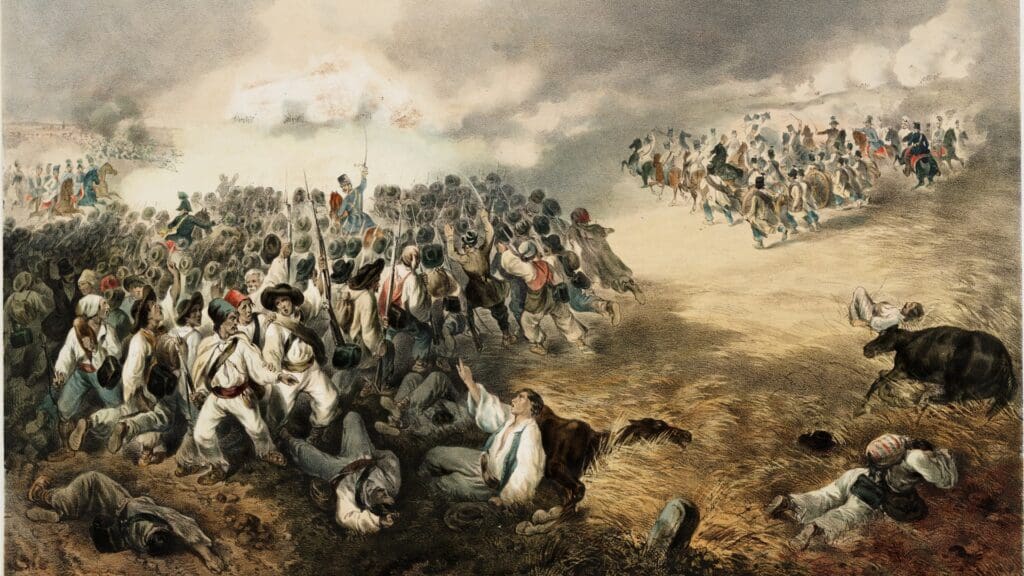
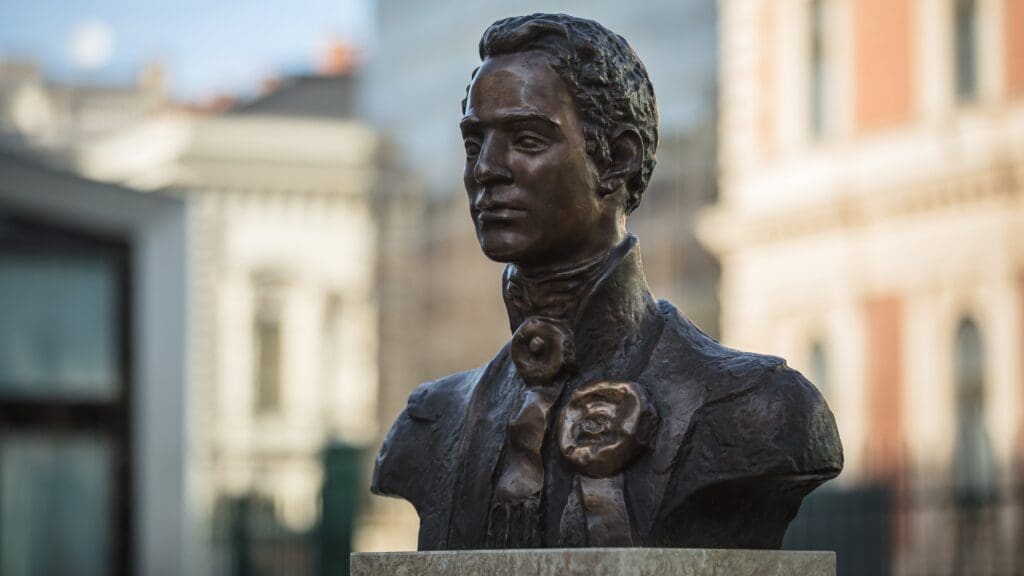
It has been 174 years since Major Pál Vasvári and his Rákóczi Free Army were massacred near Havasnagyfalu (today Mărișel in Romania), on 6 July 1849. Despite all resistance forces, the memory of the young revolutionary and his fellow martyrs is a powerful cohesive force for the dwindling Hungarian community of the Kalotaszeg (Țara Călatei) region to this day.
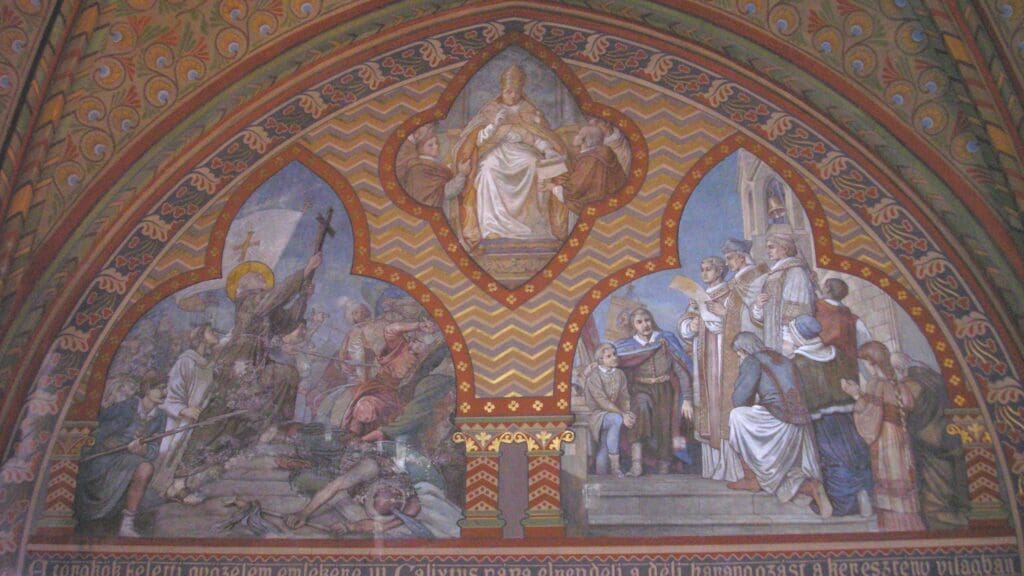
The purpose of Cum hiis superioribus annis, a papal bull issued by Pope Callixtus III in 1456, was to exhort Christians to pray, as the success of the Hungarian crusader army against the Turks was key for the future of Christian Europe at the time. To this day, the noon bell tolls every day to remind us that, as so many times in history, the Kingdom of Hungary stood up valiantly and proved itself one of the bulwarks of Christian Europe.
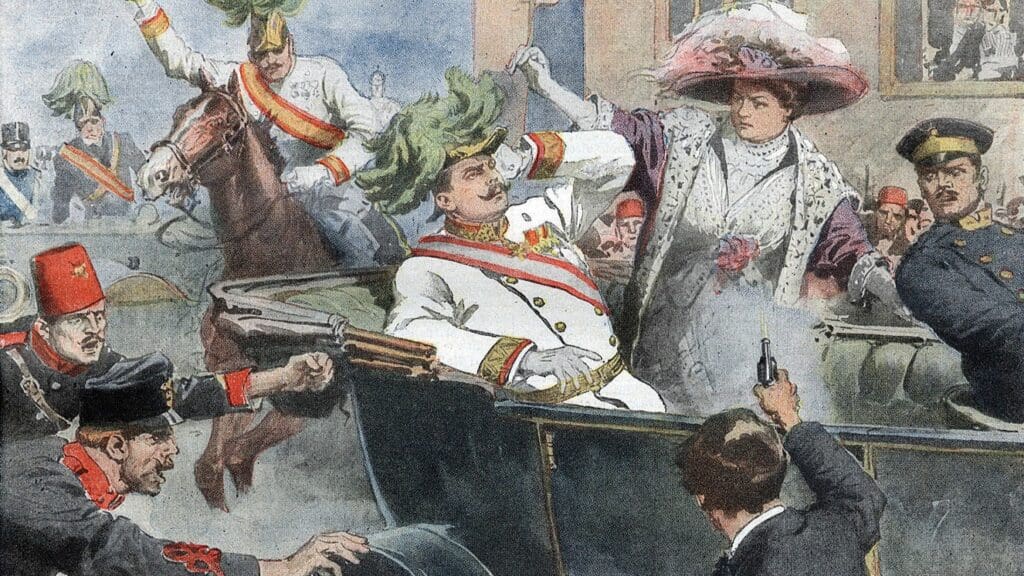
On 28 June 1914, 109 years ago today, at around 11 o’clock in the morning, a 20-year-old anarchist assassin, Gavrilo Princip, fired several shots at the Archduke of the Austro–Hungarian Empire and his wife. The Sarajevo assassination became the casus belli for the ‘Great War’, as it was called back then, i.e., the First World War.
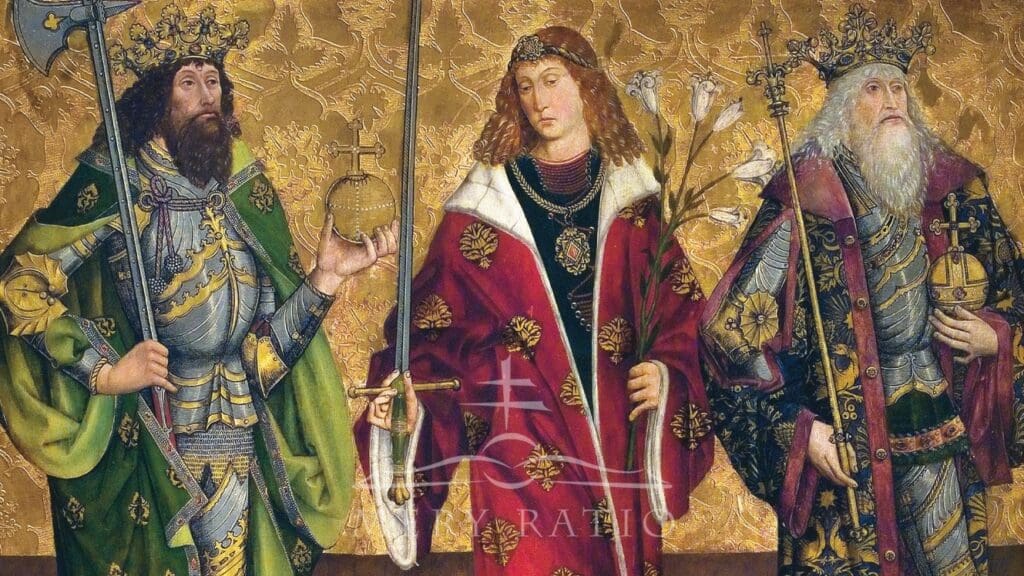
27 June is the Day of Hungarian Border Guards. The geographic location of our country and the very fact that it is the eastern bulwark of Western Christianity obliged it in the past and is still predestining it today to be one of the guardians of European civilisation and the peace of the continent.
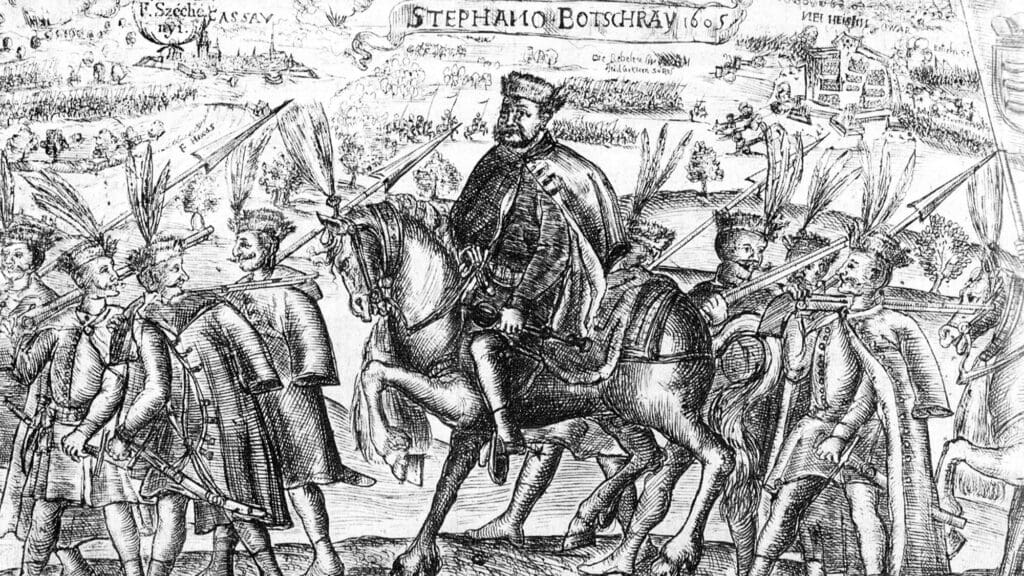
The Treaty of Vienna, ending the Bocskai uprising, known in Hungary as Bocskai’s War of Independence, was signed 417 years ago today, on 23 June 1606. The agreement ensured (at least in principle) the sovereignty of Transylvania against the Habsburgs in the long term and guaranteed the free religious practice of Protestants.
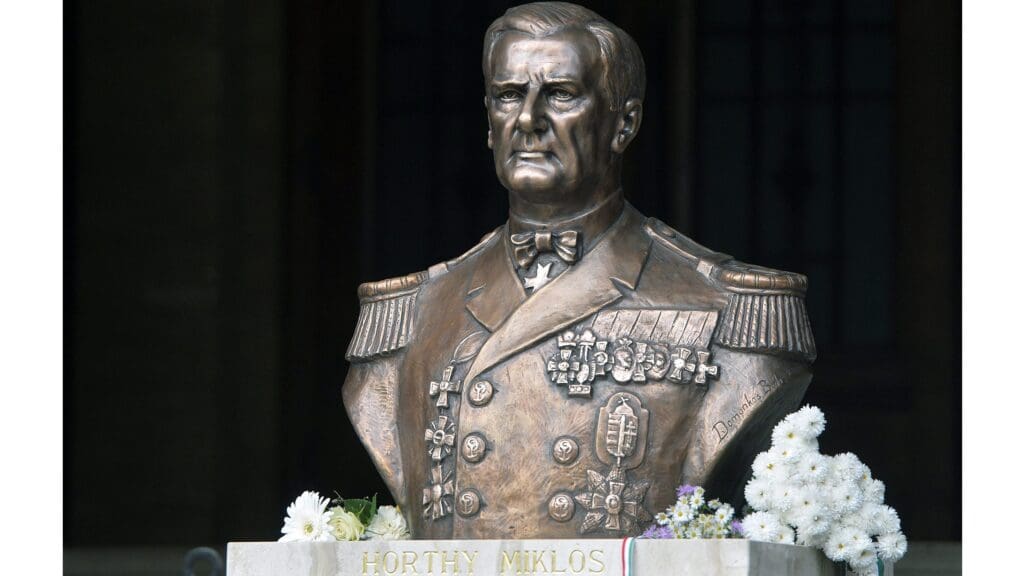
On 18 June 1868, 155 years ago today, Hungarian admiral Miklós Horthy de Nagybánya was born in Kenderes, Austria-Hungary. One of the greatest Hungarian statesmen of the 20th century served as the Regent of the Kingdom of Hungary between 1 March 1920 and 16 October 1944.
According to poet and politician József Bajza, the Teleki House was a true bastion of the Hungarian language, which was in danger of erosion at the time. For his political activities, his role in improving public education, and his efforts in advancing Hungarian culture, Sámuel Teleki should be regarded as one of the greatest Hungarian figures in 18th–19th century Transylvania.

At a time when public debate is increasingly polarized and superficial, Hungarian Conservative remains committed to depth and independent thought.
Donate Now
Please consider supporting our mission.