

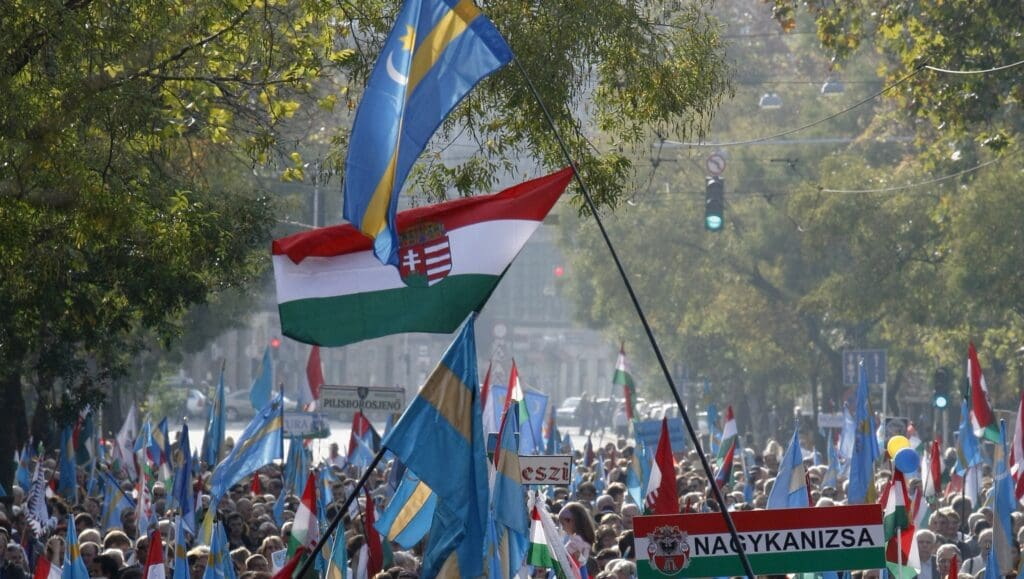
‘On 10 March this year, the author of these lines has only one wish: that a miracle may happen in the modern, so-called democratic Romania, and it may become like it was in the 1950s, or even like in the medieval Kingdom of Hungary, in the 13th and 16th centuries. Because, if that happened, it would give freedom and autonomy to Szeklerland as in a true 21st-century European—and a European Union—country…’
In the struggle for survival and existence of Protestants, the question of ministers’ clothing still remained an issue—the meetings of the Reformed church districts of the time continued to fight against excesses.
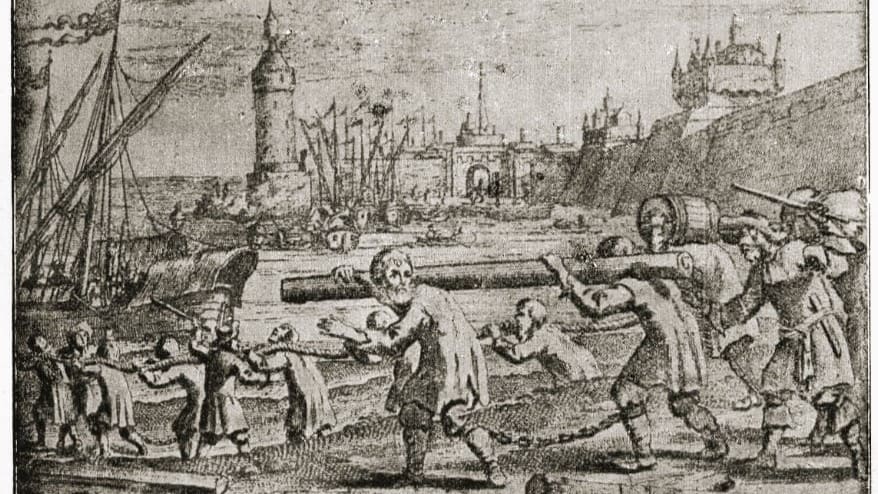
The second half of the 17th century was a time of great hardships for Protestants: Protestant church history calls the years between 1671 and 1681 the ‘decade of mourning’. Thanks to some illustrated works by pastors freed from galley slavery, however, we can get some idea of what the preachers wore in those days.
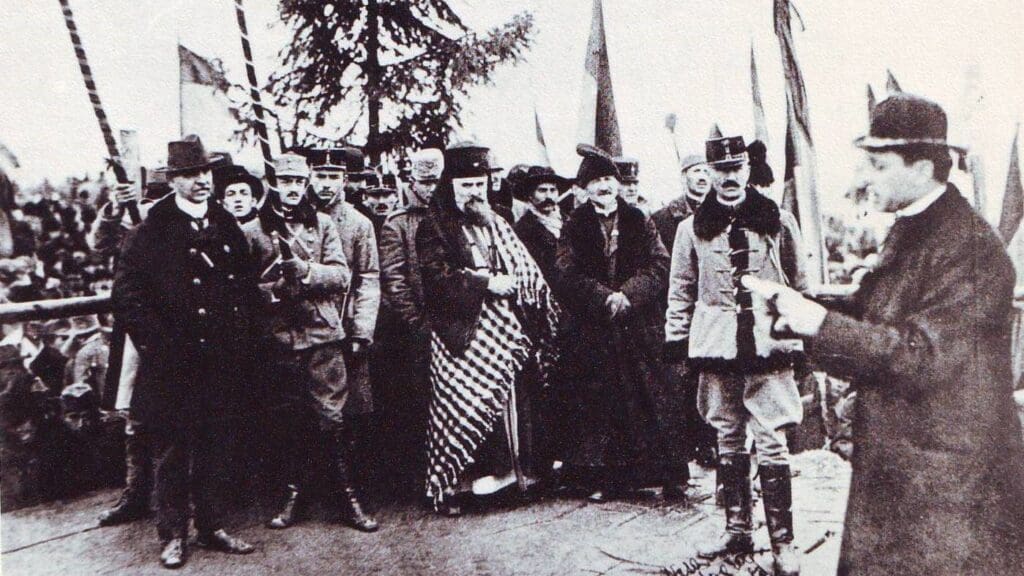
Although the unification made the dream of the Romanians come true, the aspirations of Transylvanian Hungarians for self-determination were ignored. The annexation of Transylvania to Romania was finally enshrined by the Treaty of Paris.
Although the synods, as we have seen above, have sought to act against excesses in the clothing of preachers, several sources attest that, in many cases, it was the deacons who had to discourage pastors from the temptations of fashion.
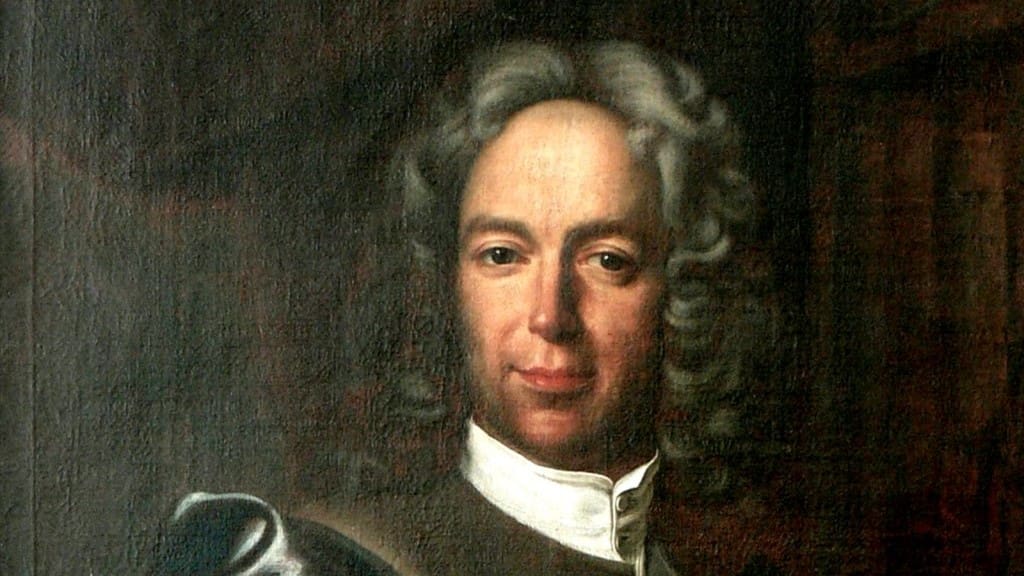
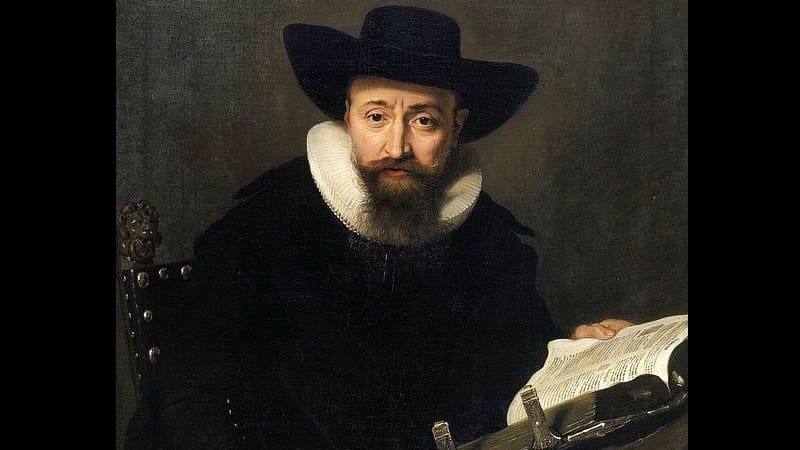
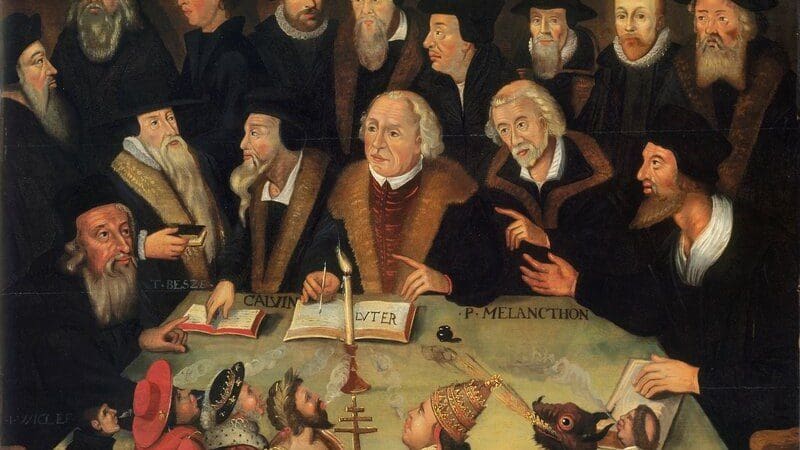
There are few sources to help us form an idea of what the garments of 16th century Hungarian Reformed pastors may have looked like. But there are some valuable artworks that provide important hints.
The question of what garments Protestant preachers should wear was a constant topic of the synods held in the 1500s, and all the articles, canons and law books attempted to make it unequivocally clear that pastors should perform their duties in ‘decent, regular, modest’ clothing.
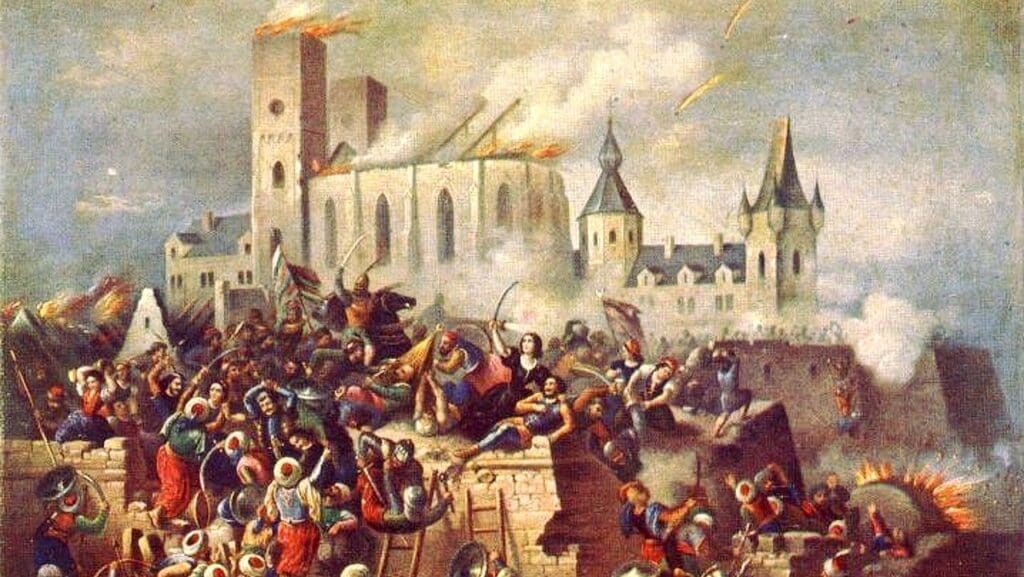
For generations, the heroic deeds of the defenders of the Eger Castle have given the Hungarian people strength and fortitude. Although the area under Ottoman occupation expanded and, in the following years, the Sultan managed to reassuringly stabilize his presence in the Carpathian Basin, our predecessors could draw strength from the example of Dobó and his army in later years.
Miklós Horthy de Nagybánya, former Regent of the Kingdom of Hungary, died in exile in Portugal in 1957 and was buried there. One of his last wishes, however, was for his ashes to be brought home once his beloved country was liberated from Soviet occupation.
The Habsburg Court regarded Protestantism simply as the ideological expression of the nobility, that is, the ‘spirit of rebellion’. In addition, it was part of the absolutist thinking of the era that only a mono-religious country could be politically united.

At a time when public debate is increasingly polarized and superficial, Hungarian Conservative remains committed to depth and independent thought.
Donate Now
Please consider supporting our mission.