

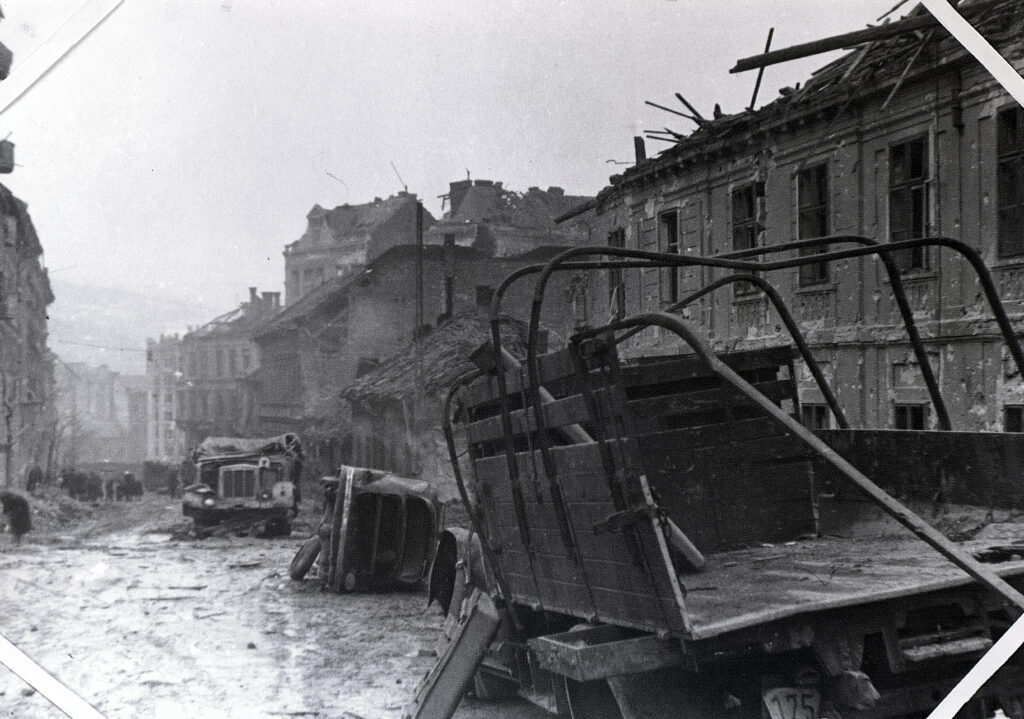
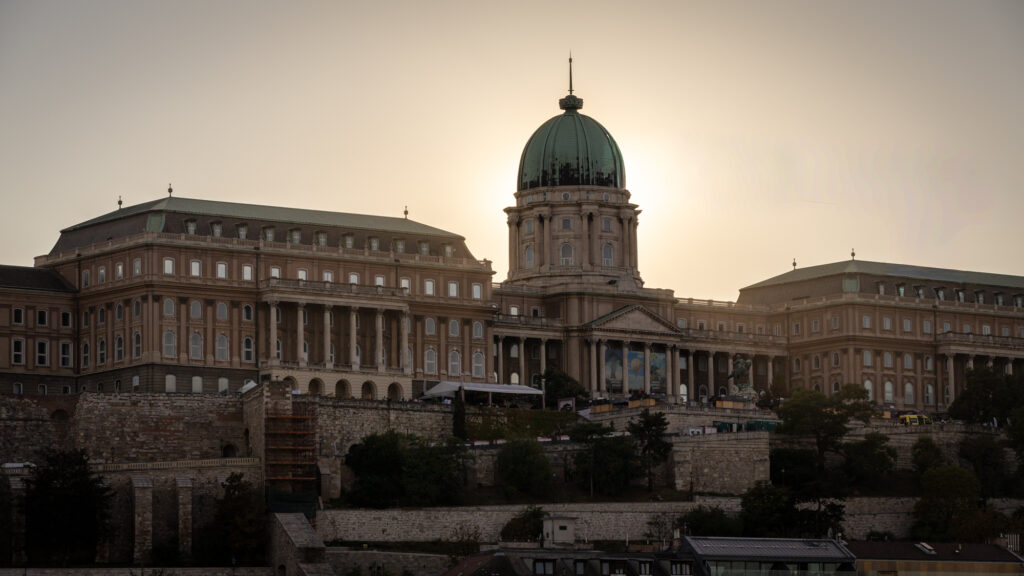
‘On Christmas day in 1944 Hungary, illusion and reality collided. The promise of “liberation” or “redemption” was drowned out by violence, coercion, and fear on all sides. What survives of that Christmas are the testimonies, the fragmentary voices that reveal how ordinary lives were crushed between two brutal systems at the very moment meant for peace.’
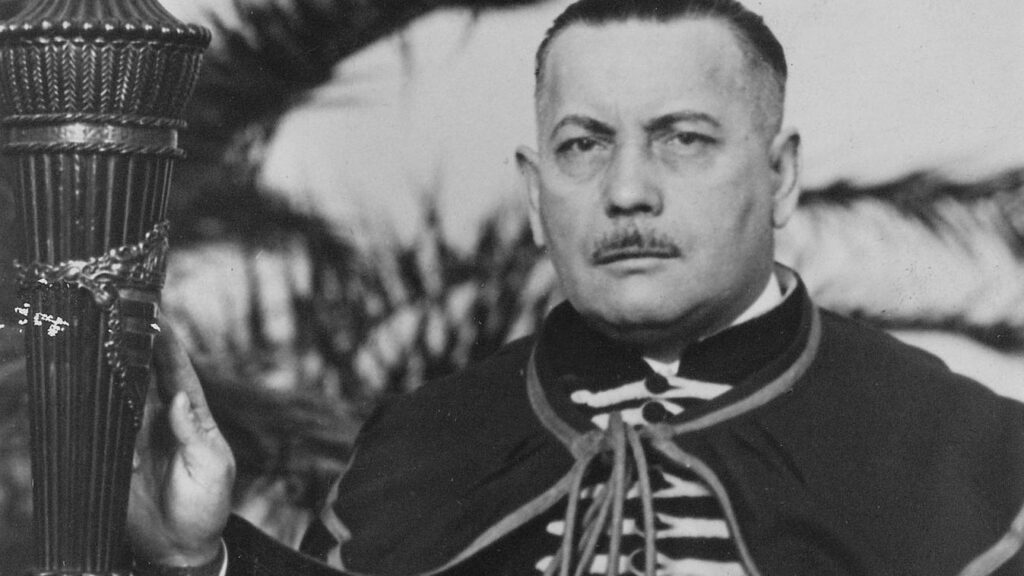
‘It is a fact that if there are enigmatic figures in 20th-century Hungarian history, Kálmán Rátz is certainly among them.’
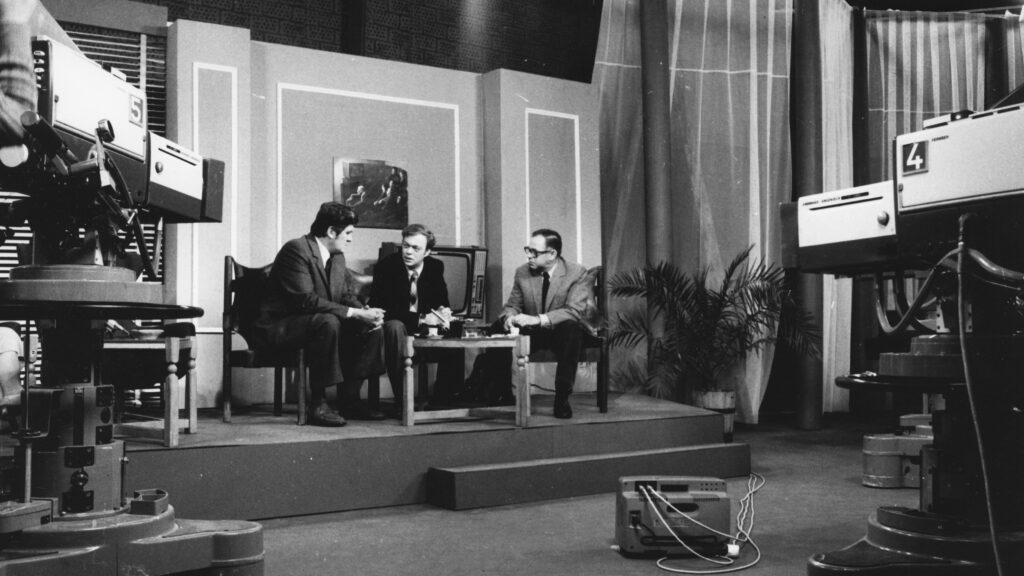
‘From the above, it is clear that “Filmes” was the “social contact” of the Hungarian intelligence service who attended Münch’s reception and who was also the director of the TV series Századunk—a description that fits only one person, namely Péter Bokor.’
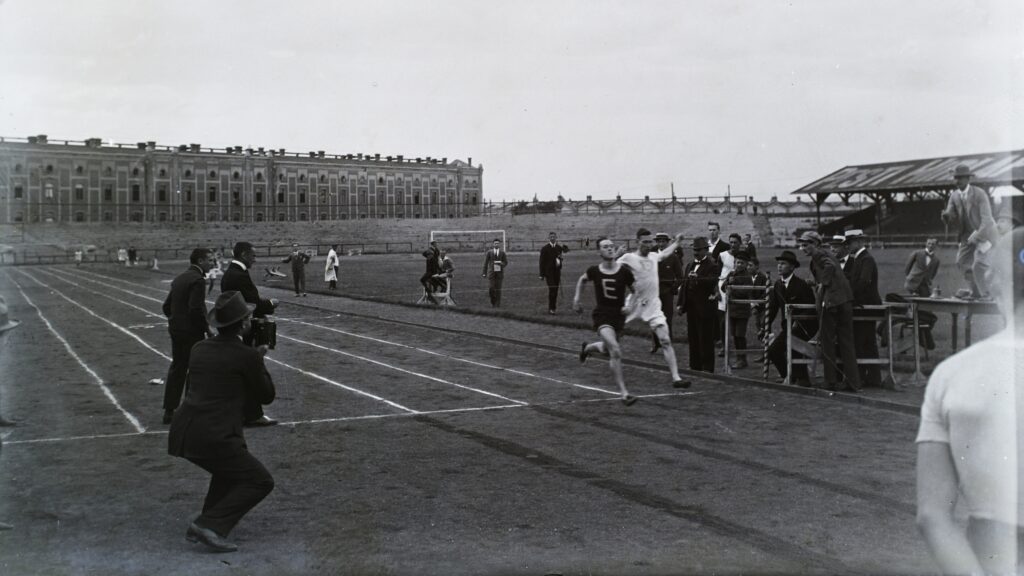
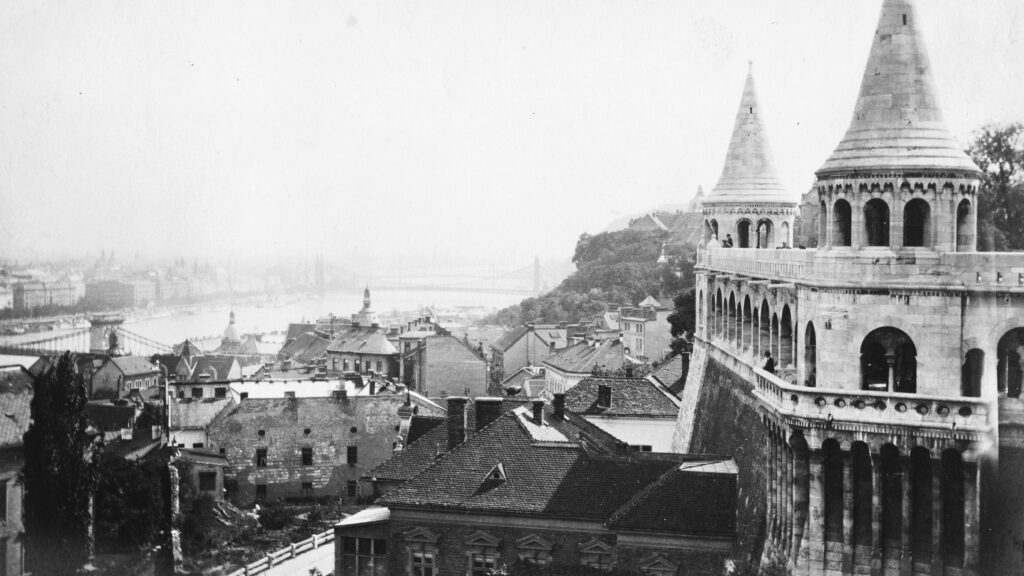
‘The White Terror was largely a series of events in the countryside, and although atrocities and murders did occur in Budapest as well, these were not characteristic of the 1st District. Nevertheless, at least one murder is known to have taken place in the 1st District, specifically in the Nándor Barracks on Kapisztrán Square…’
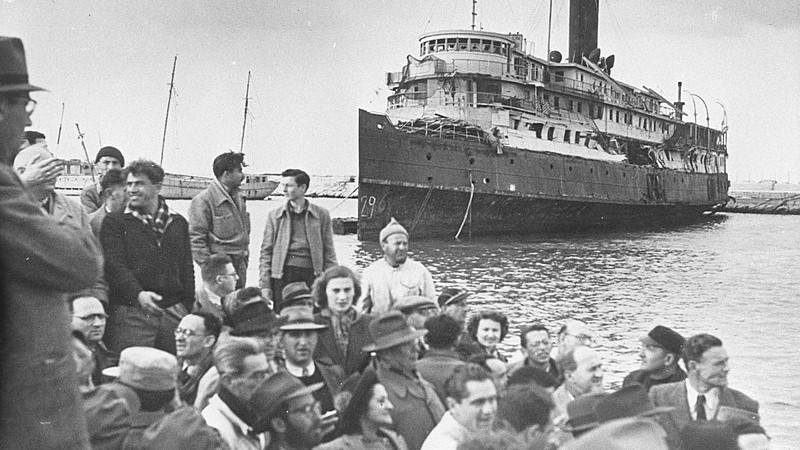
‘In shedding light on his work and the history of the Hungarian Betar movement, we not only recover a lost voice of right-wing Zionism but also gain a fuller, more nuanced understanding of Jewish history in Hungary before, during, and after the Holocaust.’
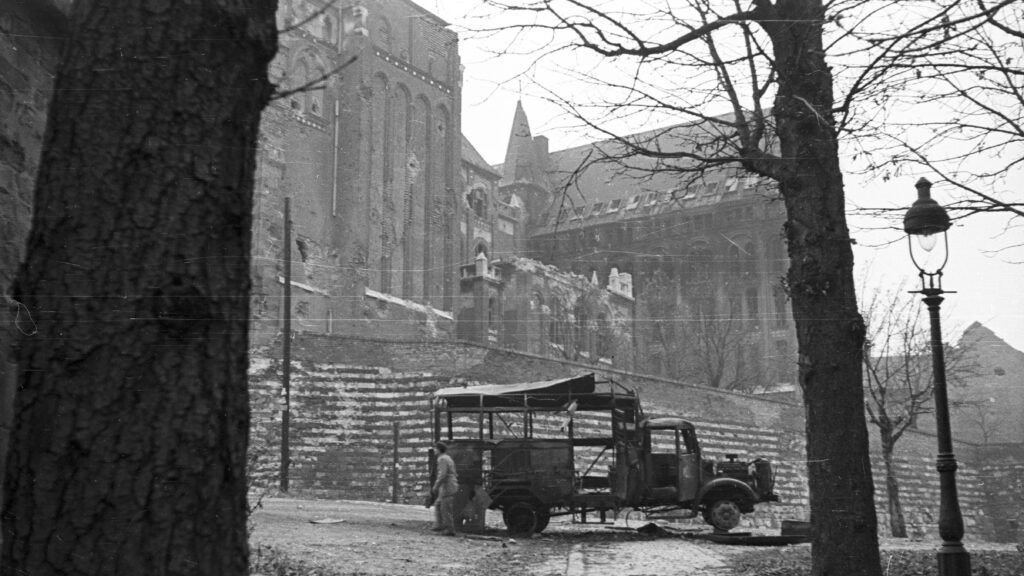
‘During the fighting, two primary schools, one high school, and one kindergarten in the district were damaged, with total costs amounting to 150,000 forints; 20,000 of this was for the physics laboratory at Szilágyi High School alone.’
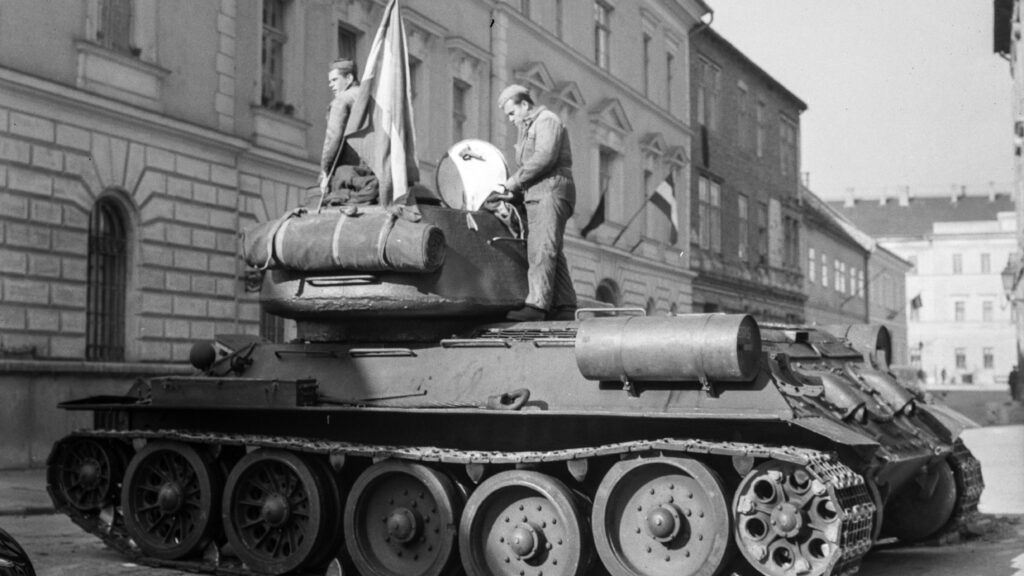
‘Here, we will mostly focus on Batthyány’s role as one of the rebel leaders mentioned; his trial papers have survived to the greatest extent. In October 1959, an investigation was launched “in connection with the crimes of the counter-revolutionaries of Széna Square”, and “during this investigation, we identified several individuals who had not yet been held accountable…”’
‘The events in District I during the Hungarian Soviet Republic give a very good account of how fear, miscommunication, and ideological zeal combined to ignite violence and unrest…From armed requisitions to fatal clashes over religious processions, the communist Council Republic’s heavy-handed responses reveal the fragility of order under a revolutionary dictatorship.’
‘Despite its grandiose displays and ideological fervour, the Council Republic’s efforts in Buda Castle exposed the fragility and contradictions of revolutionary rule. Eventually, the events reveal how the conflict between radical ideals and human behaviour shaped both the promise and the pitfalls of early Hungarian communism.’
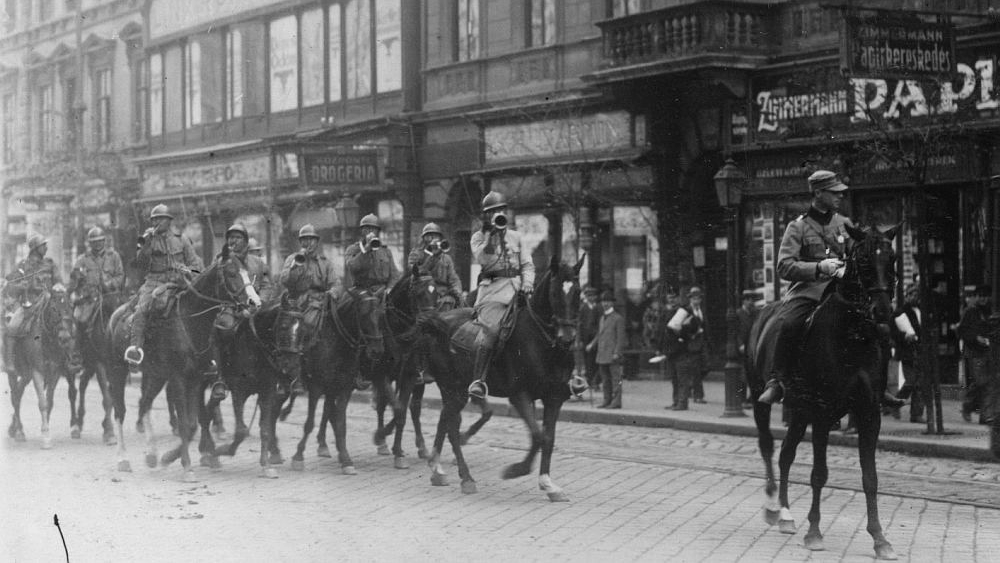
‘In the name of both myself and all the residents of the house, I lodge this complaint against unknown Romanian soldiers who, after becoming intoxicated day after day in the tavern located on the ground floor of the building, come out into the courtyard and recklessly fire their weapons with live ammunition, constantly endangering the bodily integrity and lives of the residents.’

At a time when public debate is increasingly polarized and superficial, Hungarian Conservative remains committed to depth and independent thought.
Donate Now
Please consider supporting our mission.