

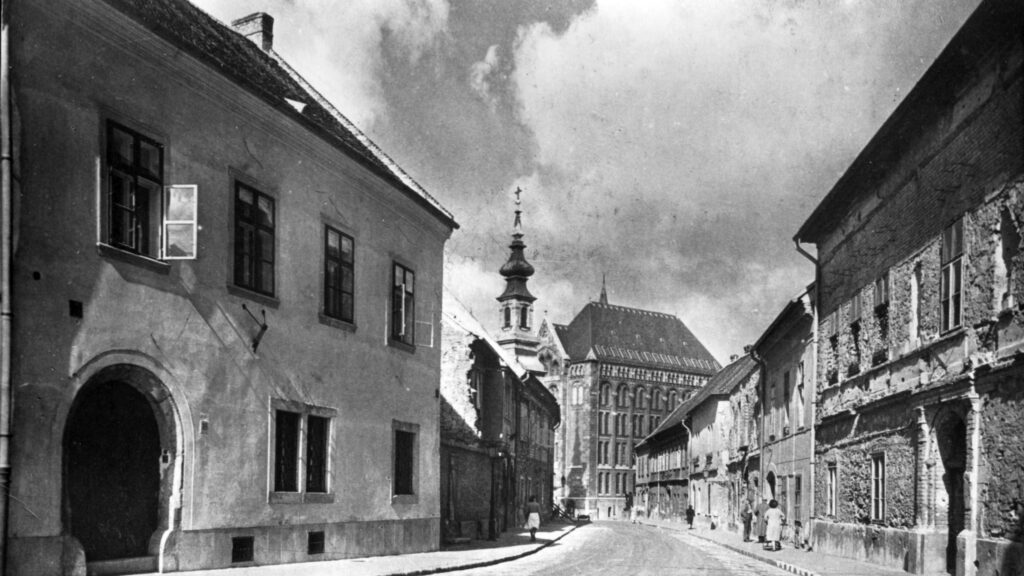
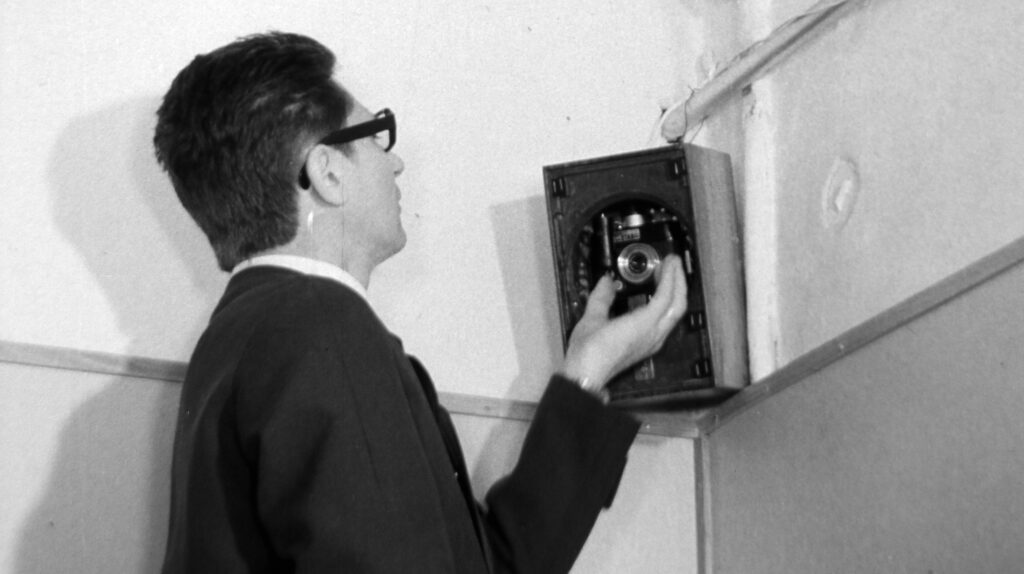
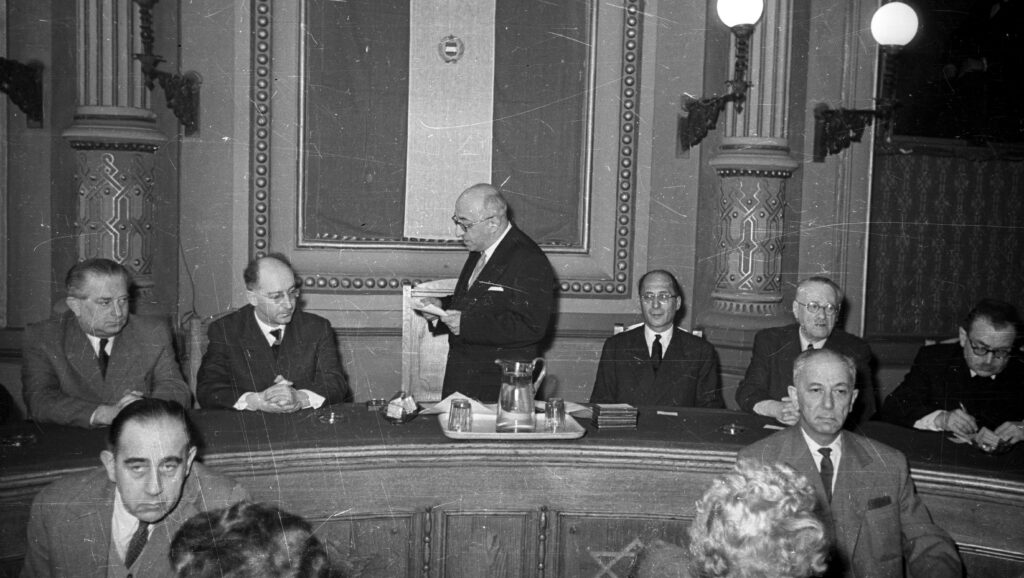
In the early 1950s, Hungary’s secret police targeted the Bécsi Kapu Square Lutheran congregation in one of its most extensive church surveillance operations. Despite amateur methods and critical errors, including mistaken identity, the investigation dragged on—highlighting both the paranoia and inefficiency of Rákosi-era state security.
A new volume by historian István Pál explores Hungary’s Cold War espionage operations in the US and UK. New York–Washington–London reveals key cases from 1950–1970, offering rare insight into the shadowy world of state socialist intelligence and its often flawed, yet revealing, tactics abroad.
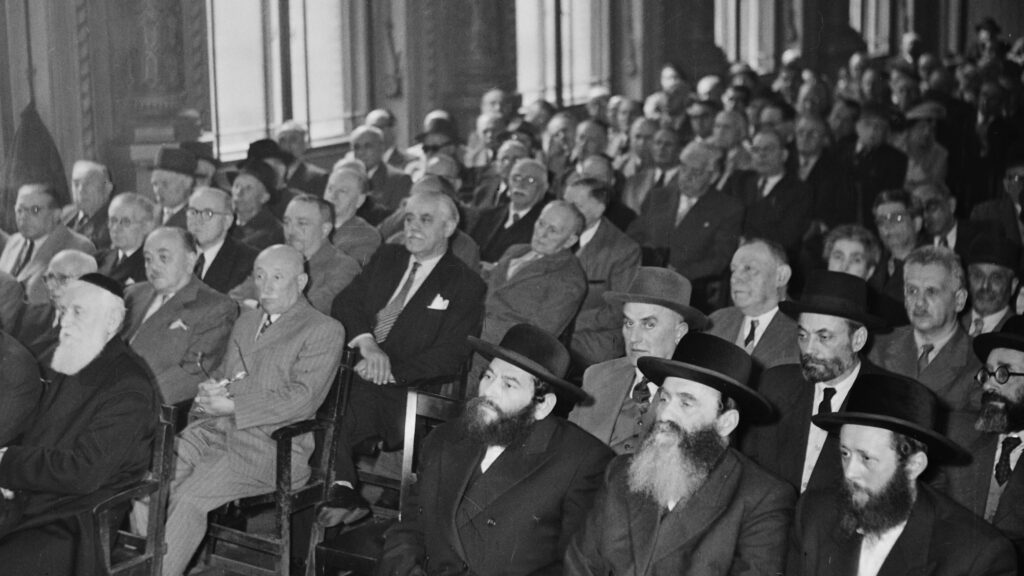
‘Overall, it is clear that Kraus was a religious Israeli Hungarian publicist who rightly earned the communist dictatorship’s ire. To hinder his activities, a covert procedure was launched, and his conversations and correspondence were monitored both directly and indirectly; in other words, he was treated as an enemy of the regime for decades.’
‘This does not ruin the research activities of “Lantos” in his civilian life, nor does it detract from his achievements as a historian. It merely points to the fact that even the most prominent public figures were sometimes “found” by state security, and some of them, for one reason or another, said yes to collaboration—even if the candidate was Jewish and the target was the State of Israel.’
‘The term “network” is somewhat misleading here, since these individuals were unaware of one another…The agents were connected to something, but not to each other—they were connected to state security, specifically through their handlers. The author describes this as an “extremely centralized, star-shaped network in which every element was linked to a single centre.”’
‘At the next meeting, the recruit brought 35 names, but aside from the list, he provided no descriptions of them whatsoever—even their ages were given only approximately. For some, he didn’t even write out the full name.’
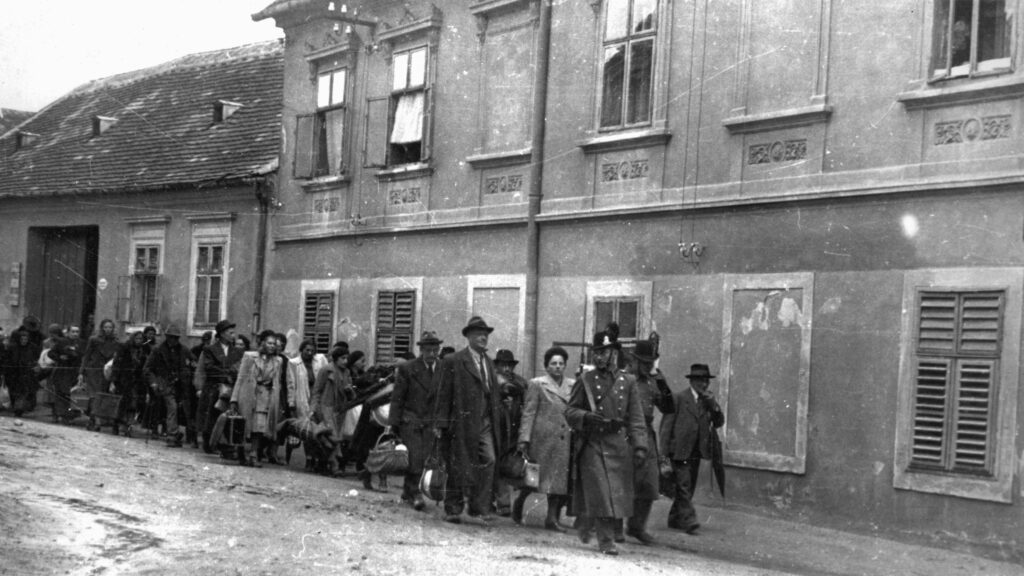
‘It’s equally important to recognize…that at the local level…Arrow Cross members participated in internments, entered ghettos to loot and torture Jews. The author also outlines new directions for both research and remembrance by pointing out that the Jewish victims who had converted to Christianity (the “converts”) are rarely remembered, even though they, too, were often deported and killed.’
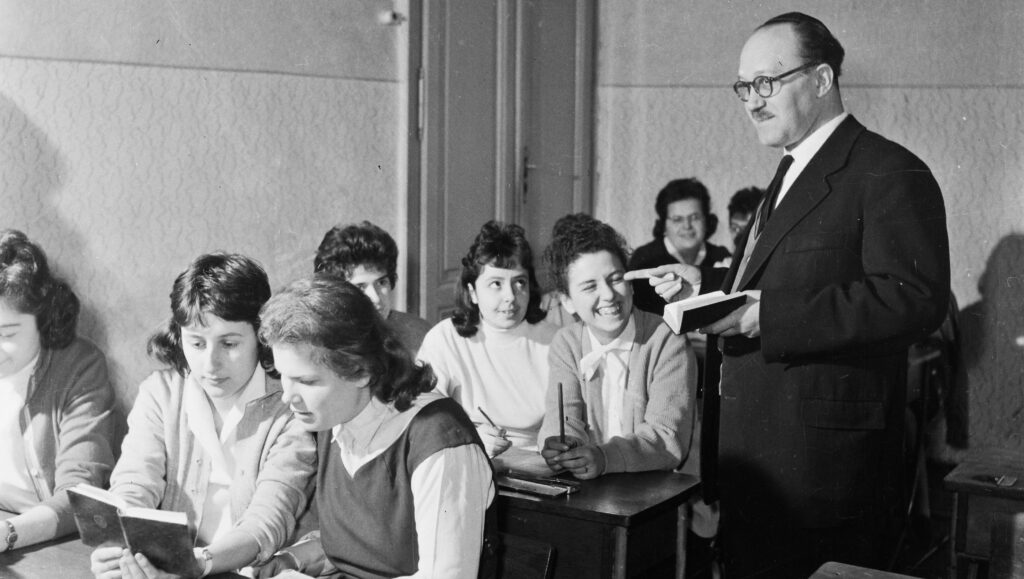
‘The surveillance of the Jewish high school is an exemplary case of the repressive policies of the communist dictatorship, in which innocent, sometimes underage individuals were harassed and monitored in a manner that would be considered a severe violation of rights by today’s standards.’
A thought-provoking publication has been released by the Committee of National Remembrance titled Resisters 1944–45. This particularly beautiful, richly illustrated volume briefly presents the life stories of 104 resistance members, accompanied by the insightful narration of expert historians.
‘Borsa first came to the attention of state security in 1960, and from 1962 onward, he became a target of internal counterintelligence under the code name “Milliomos” (Millionaire). Initially, he was monitored within the group file titled “Együttműködők” (The Collaborators), and later a personal file was opened on him.’

At a time when public debate is increasingly polarized and superficial, Hungarian Conservative remains committed to depth and independent thought.
Donate Now
Please consider supporting our mission.