


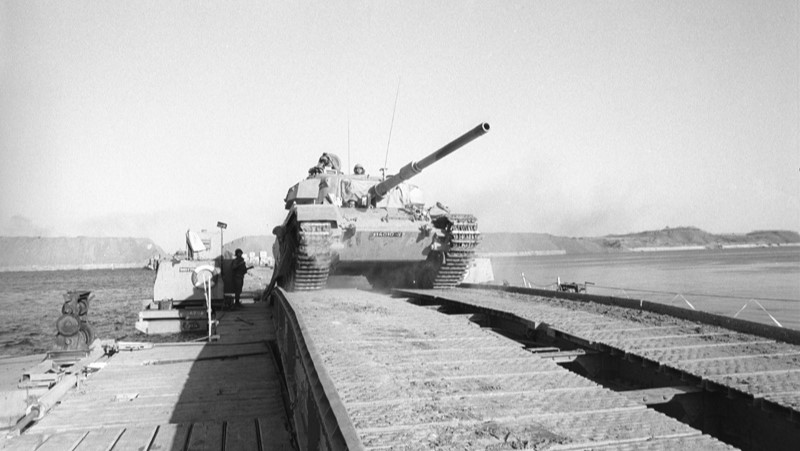
‘According to the cable, the Hungarian–Soviet investigative team was surprised that the Lebanese government had not conducted autopsies on the bodies “to determine whether the plane exploded before the crash”. Finally, the cable cites the French-language press in questioning how it was possible that only the conversation involving this aircraft failed to be recorded.’
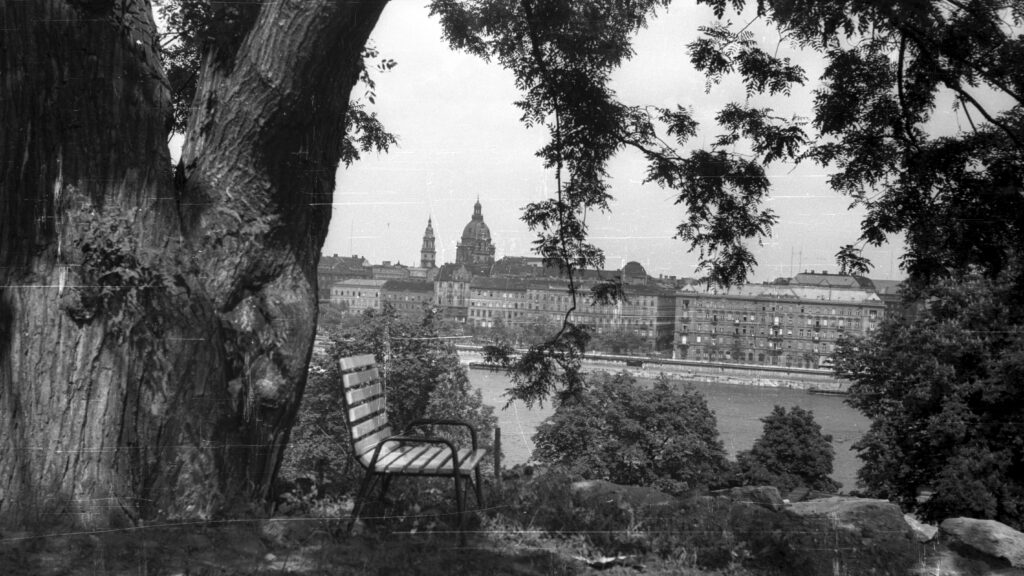
‘Ultimately, the story of the “big tree gang” illustrates how social anxieties, political agendas, and propaganda intersected in late-1960s Hungary. The files, reports, and novels documenting their lives offer a fascinating glimpse into a vanished world where surveillance and Marxist ideology shaped even the smallest acts of everyday life.’
‘Residents, businesses, and even foreign visitors were catalogued, assessed, and placed under surveillance based on their perceived political reliability. This extensive, decades-long system reflects the regime’s pervasive fear of dissent and its determination to control both people and urban spaces.’
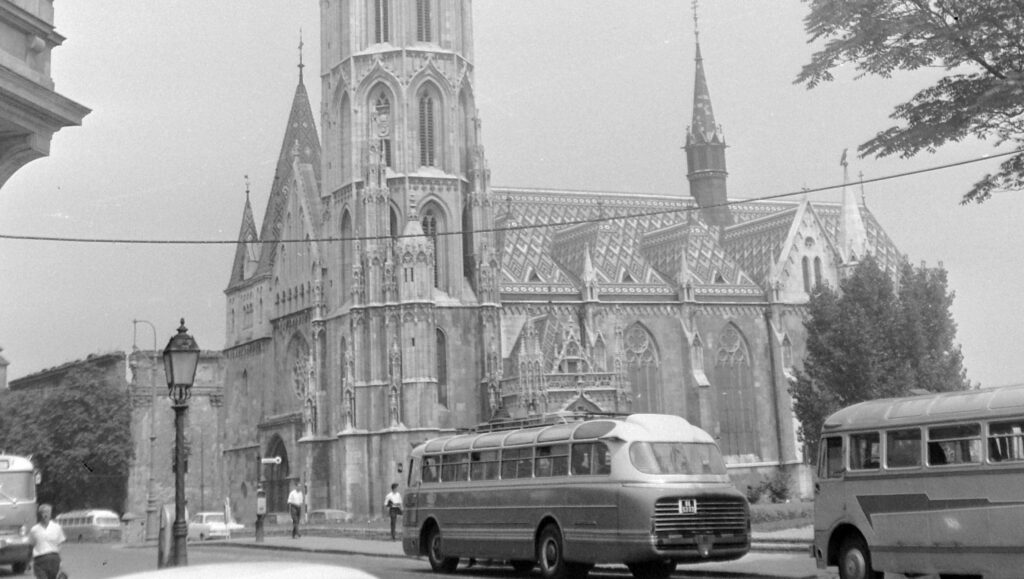
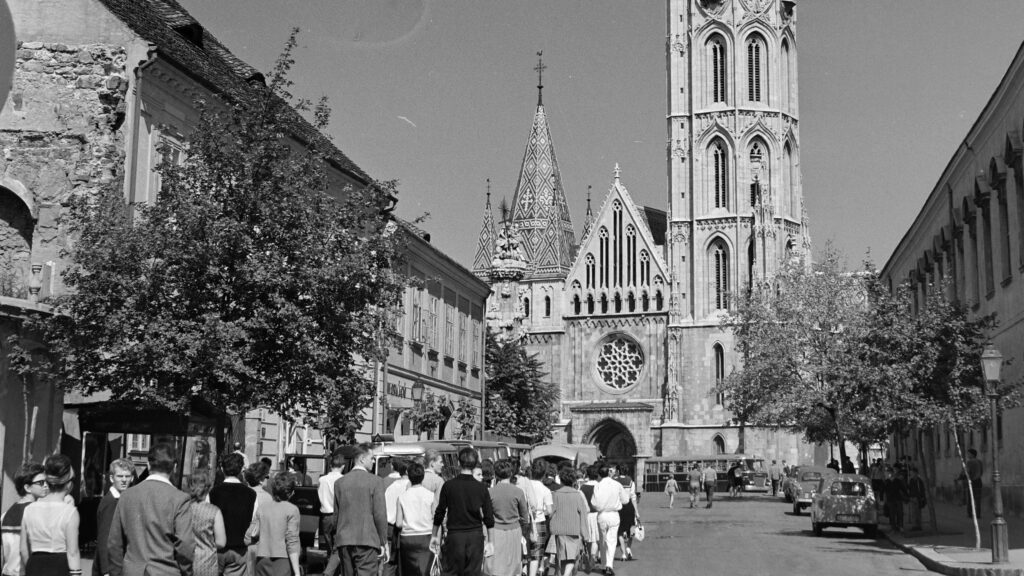
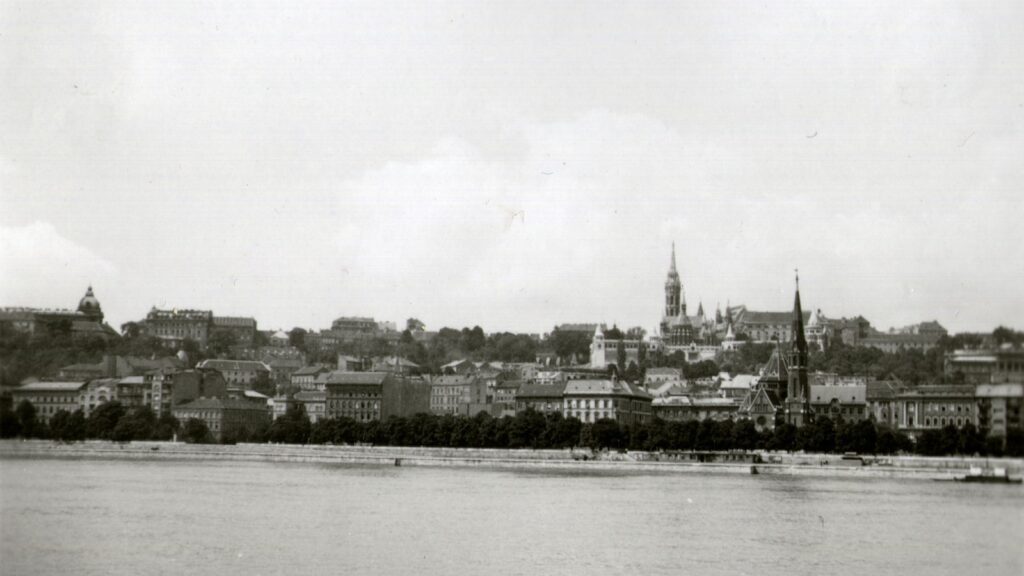
‘“The person of Zoltán Liska, chaplain serving at the Castle parish, has for some time been of interest to the state security organs…The wording of his speeches violates the agreement between church and state.” It is beyond doubt that the priest’s messages sometimes encouraged his faithful toward active, courageous ways of keeping strong Christianity forced underground.’
‘Tóth informed the choir members that he had “received an ultimatum from the Ministry of the Interior”, which caused great outrage—someone reportedly shouted: “This can’t happen in 1966 Hungary!” But it did happen.’
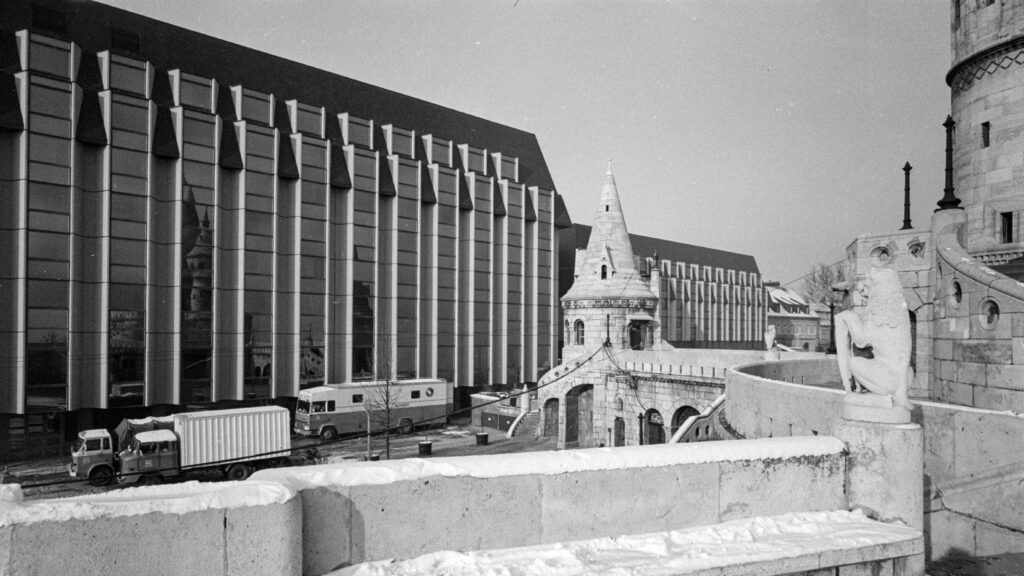
In 1982, Hungary’s state security services launched Operation ‘Crystal’ to surveil an IMF delegation staying at Budapest’s Hilton Hotel. Phones were tapped, documents copied, and economic secrets uncovered—all under the watchful eye of the Kádár regime. The operation reveals the extent of Cold War-era espionage woven into everyday locations.
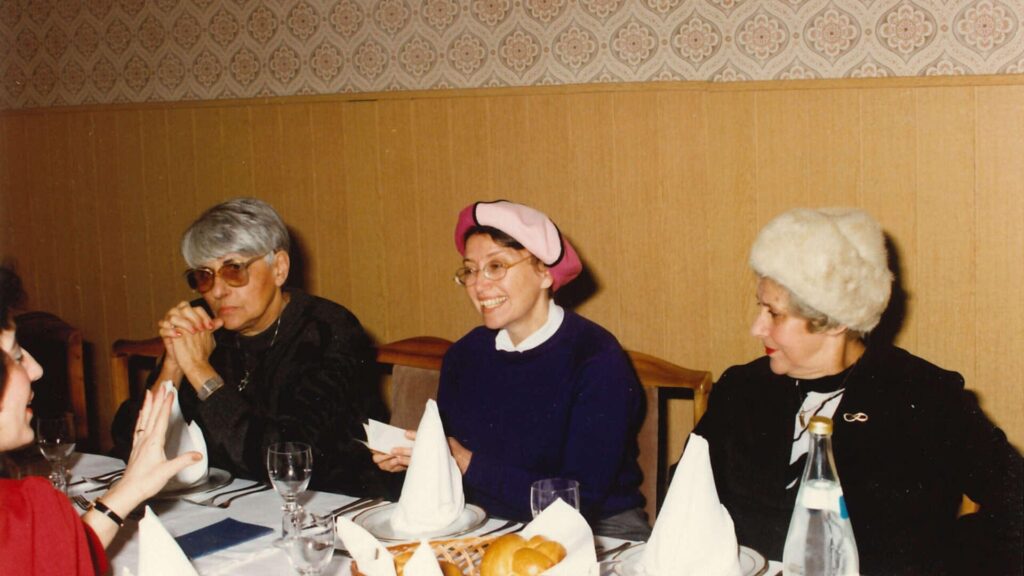
‘Whether, in light of all this, she truly managed—as she claimed in her oral history interview—“to strictly observe Jewish teachings” is something only posterity can judge.’
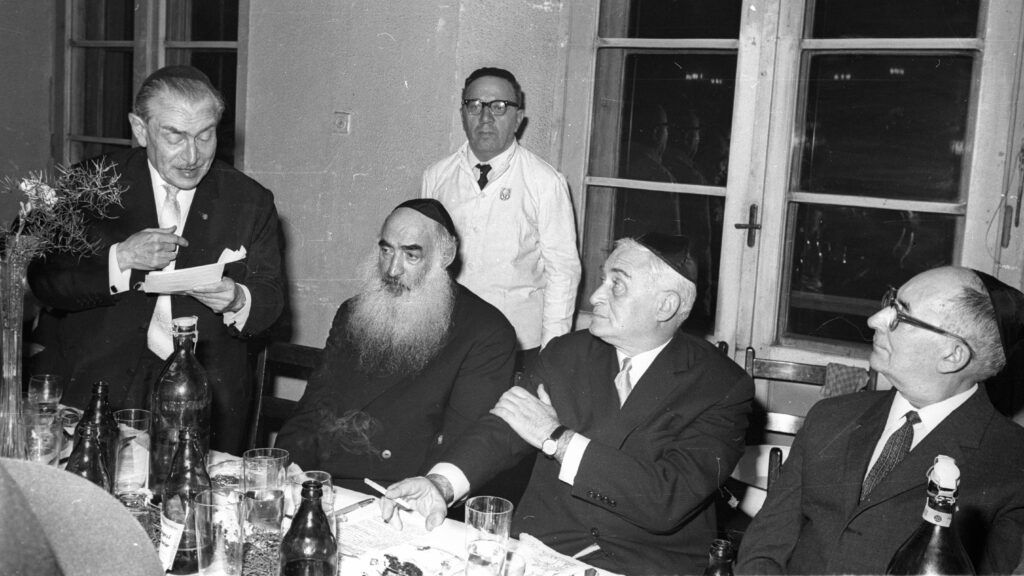
Although Géza Seifert later became a loyal Communist collaborator and President of the National Representation of Hungarian Israelites, he briefly led a ‘revolutionary committee’ within the Budapest Jewish community during the 1956 uprising—a role long forgotten and absent from scholarly accounts. This article revisits that moment, based on newly examined archival sources.
‘I’m a Jew who does not bow down and does not beg to be heard, but states his opinion without hesitation.’
‘At one point, Benedek remarked that “the communists…have committed many crimes and have a lot of blood on their hands,” just like the Catholic Church—but, he added, at least the Catholics are Christians.’

At a time when public debate is increasingly polarized and superficial, Hungarian Conservative remains committed to depth and independent thought.
Donate Now
Please consider supporting our mission.