
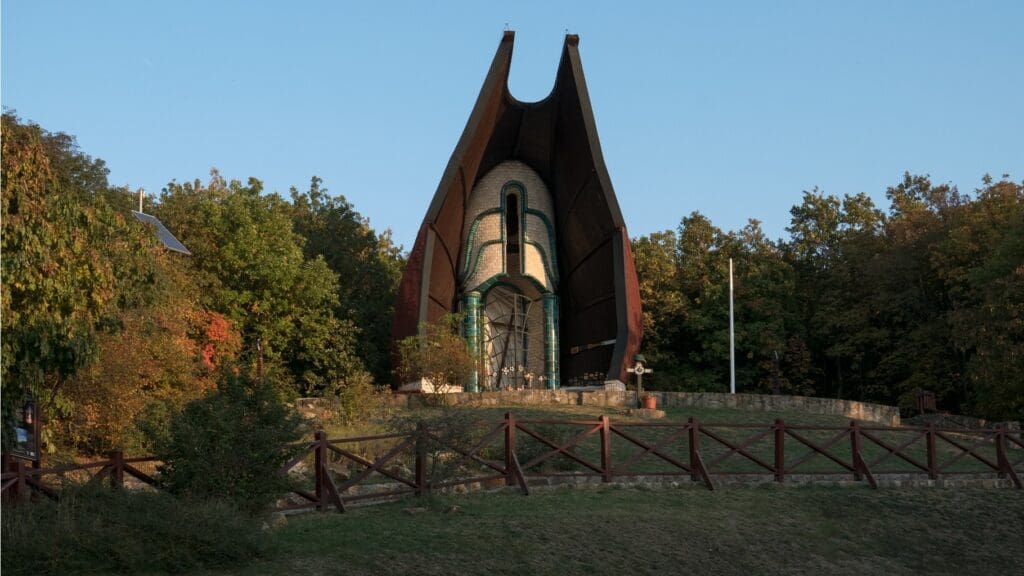
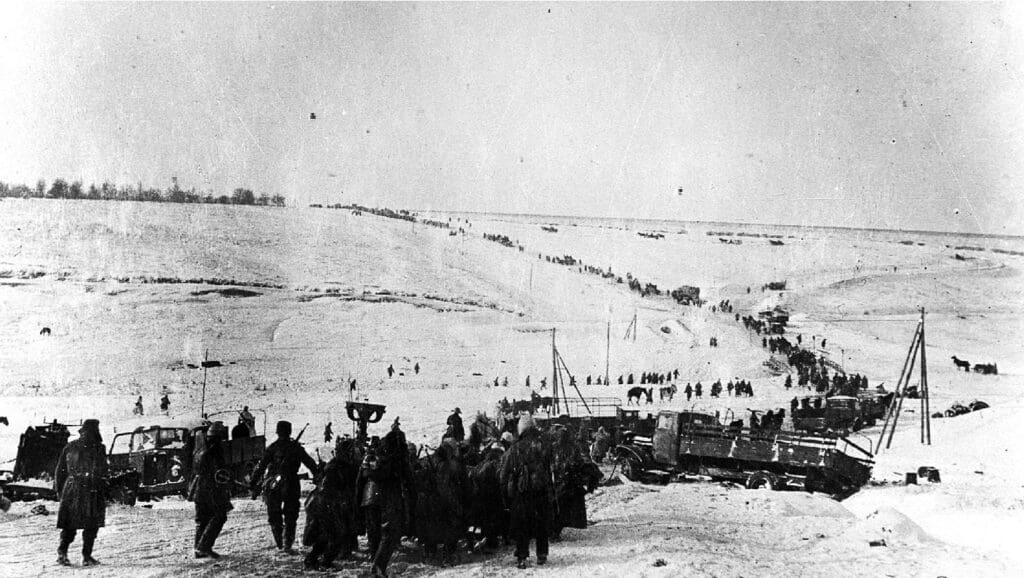
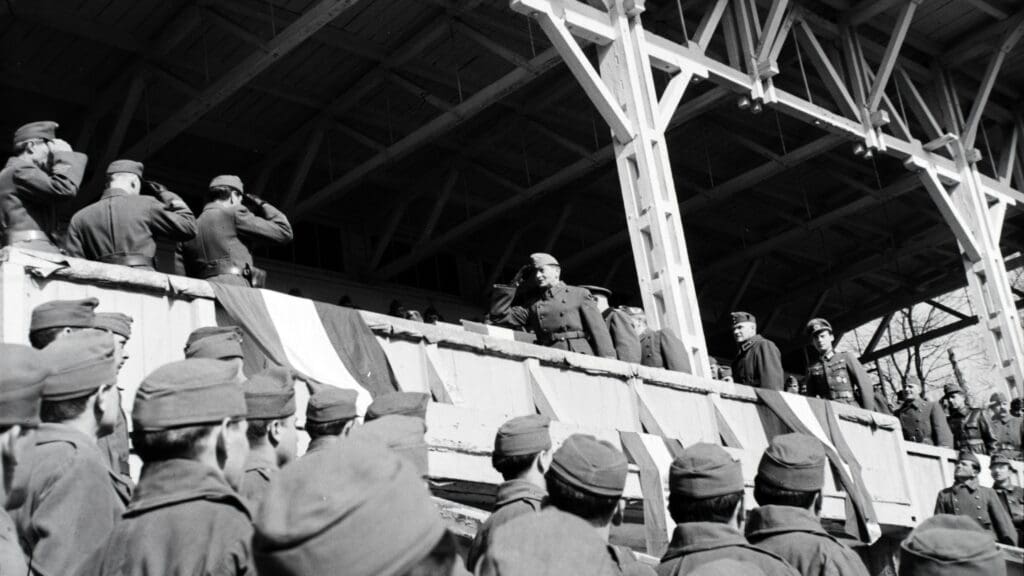
The Second Hungarian Army, during the autumn and winter of 1942, prepared to hold up the incoming Soviet offensive coming from the direction of Stalingrad. As the Germans lost the siege of the city in all but theory, it was practically sure that the Soviets would advance toward the River Don. Thus, the Hungarian troops were left to defend the bridgeheads from the Soviets, who outnumbered them seven to one.
The catastrophe of the Second Hungarian Army at the River Don is a well-known and traumatic memory for most Hungarians. The army formation was deployed near Stalingrad, and was almost entirely destroyed by the Soviets in 1943, leaving many Hungarian families with deceased relatives.
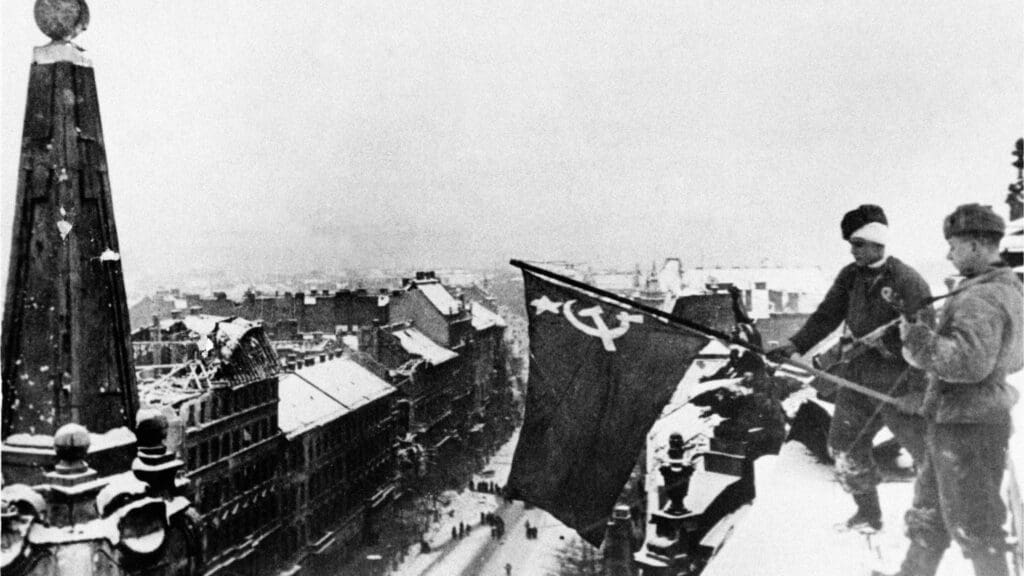
On Christmas Eve in 1944 the Soviet troops encircled Budapest, and the siege commenced a few days later, on 30 December. The fighting that went on for months caused enormous suffering and destruction, and became part of Hungary’s collective memory forever.
The tragic fate and bravery of Gusztáv Jány, Commander of the Hungarian Second Army, mirror those of his troops, and, in many ways, of Hungary itself.
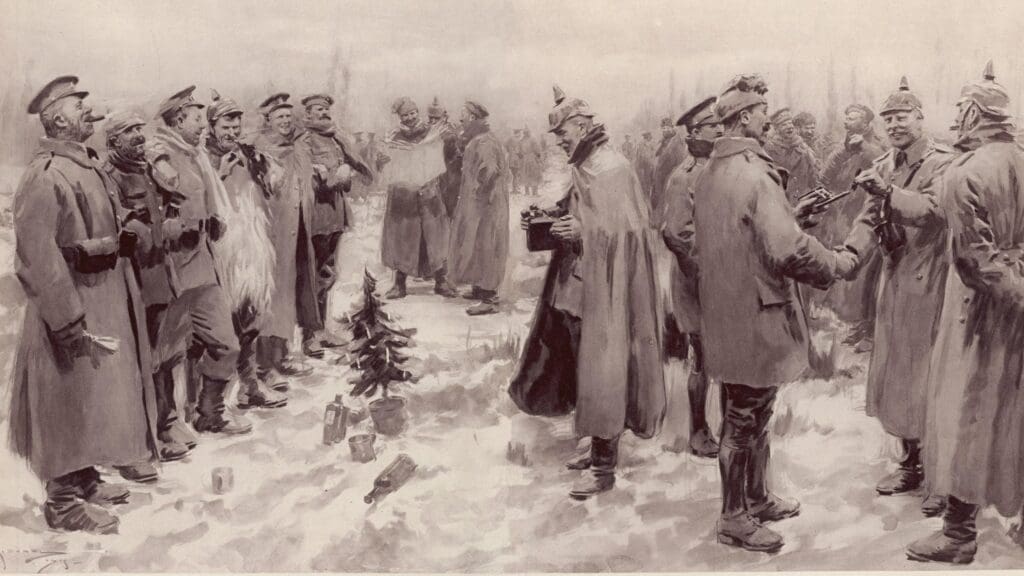
The First World War is known as the first dreadful and devastating armed conflict that engulfed almost the entire world. However, a chain of events during the December of 1914, known as the ‘Christmas truce’, showed that humanity and brotherly love could prevail over the senseless killing, if only for a brief time.
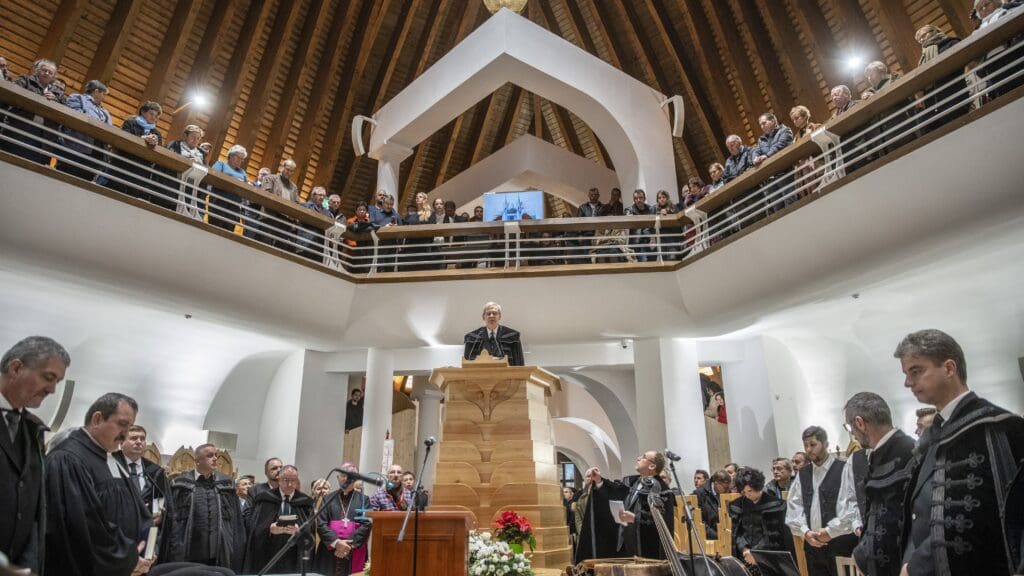
‘The mamaliga (a typical Romanian boiled cornmeal dish) will not explode,’ Communist dictator Ceaușescu famously said in the 1980s, dismissing the potential of the forces that opposed him. But the discontent with the oppressive regime had been brewing for a long time by then, so the sparkle represented by the brave resistance of Hungarian Reformed pastor László Tőkés and his flock was enough to light the fire of the revolution all across Romania.
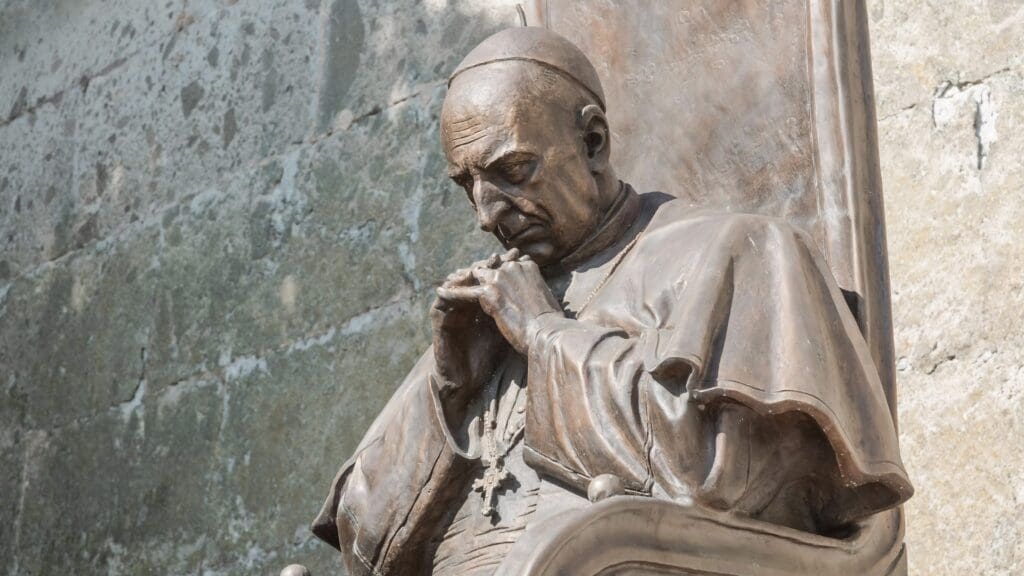
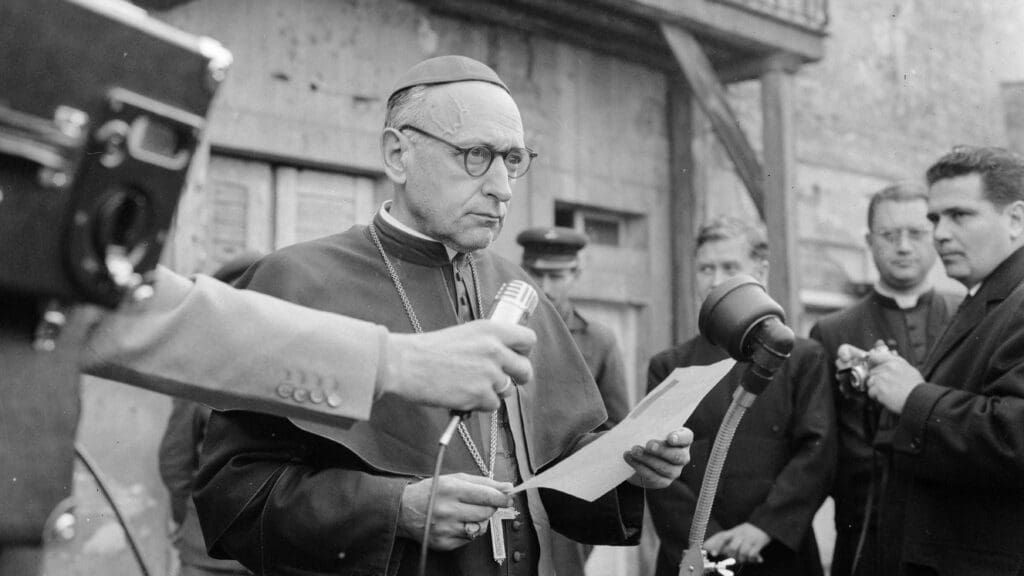
József Mindszenty is often commemorated as one of the first victims of the Rákosi regime. However, his 1949 arrest and show trial were not the last stage of his ‘white martyrdom’: he spent one and a half decades as an asylee at the US Embassy in Budapest, only to be exiled from the country for good in 1971.
Cardinal Mindszenty played an important role in the 1956 revolution. He assumed his post as archbishop immediately after his release from captivity, appealed for international aid for Hungary, initiated the process of cleaning the church from Communist infiltration, while also being active in the political life of the country. Firmly holding onto his conservative view of himself as the most important dignitary of Hungary, he tried to set the direction of the course of events. Contrary to the recent myth-busting efforts, this direction was not reactionary or outdated.
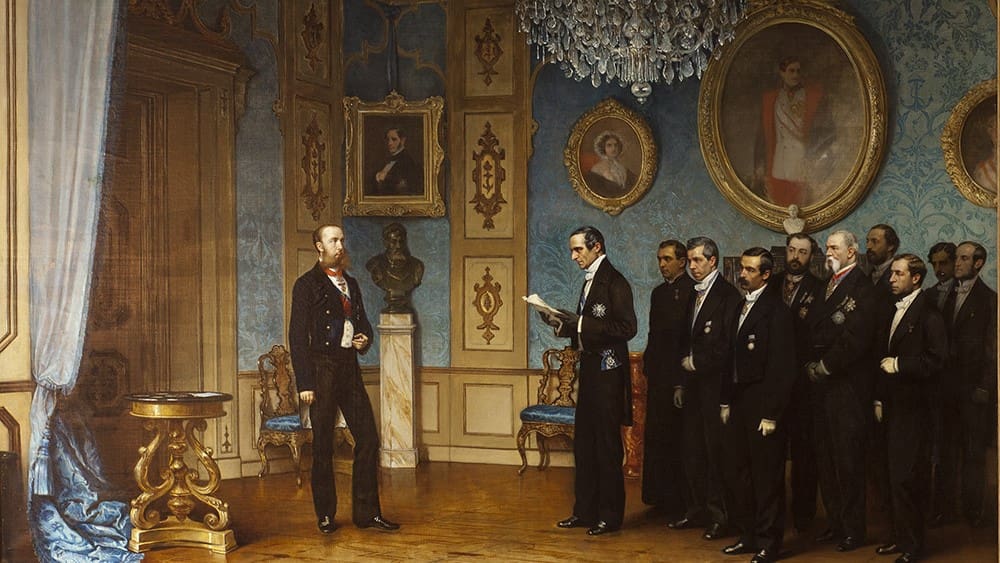
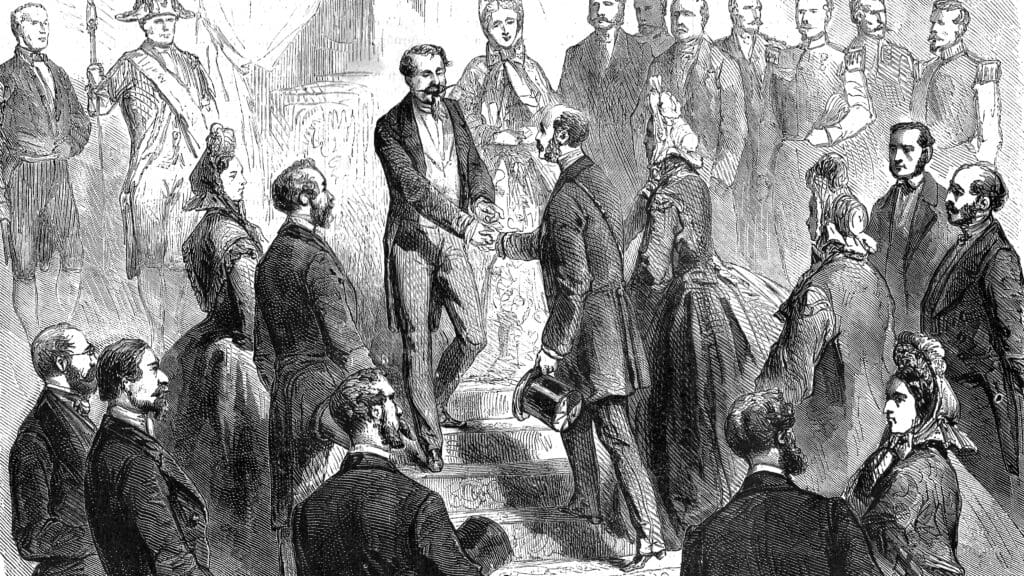
In 1864, Maximilian of Austria arrived in Mexico, assuming the throne of the country. He was declared emperor of Mexico as Maximilian I. Although this was only one, and quite brief, episode in his eventful life, it was the most memorable one, and the one that turned out to be fatal.
Mexico and Hungary are connected not only by their similar flag colours, or their shared love for hot and spicy food. Their histories also intersected multiple times, one example being when a Habsburg archduke briefly ruled the Latin American nation.

At a time when public debate is increasingly polarized and superficial, Hungarian Conservative remains committed to depth and independent thought.
Donate Now
Please consider supporting our mission.