

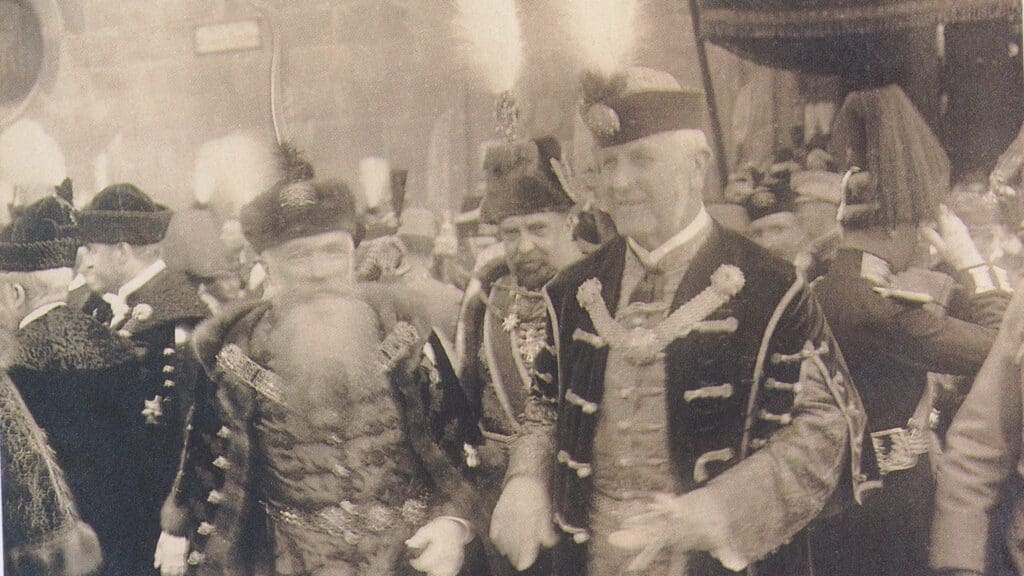


Sándor Wekerle was born 175 years ago in 1848. While being one of the most remarkable and enlightened Hungarian politicians of the Compromise era, he was largely exiled from history in the twentieth century.
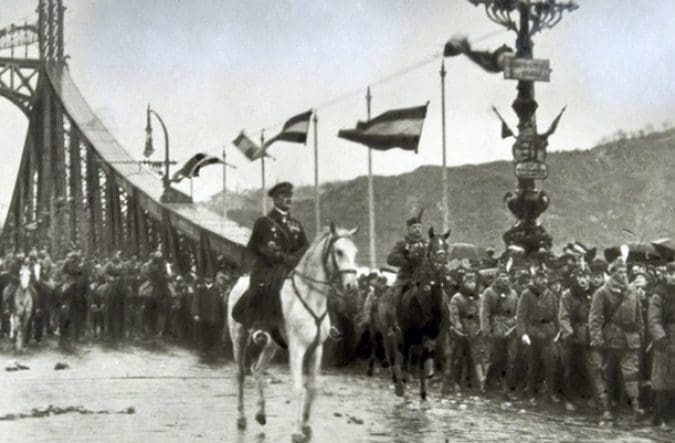
16 November marks the day when Rear Admiral, and later Regent, Miklós Horthy marched into Budapest in 1919, symbolically ending the Hungarian Soviet Republic. This remains a controversial event to this very day: while on the one hand, it ended a period of chaos and dictatorship, on the other hand, it bolstered the so-called White Terror.
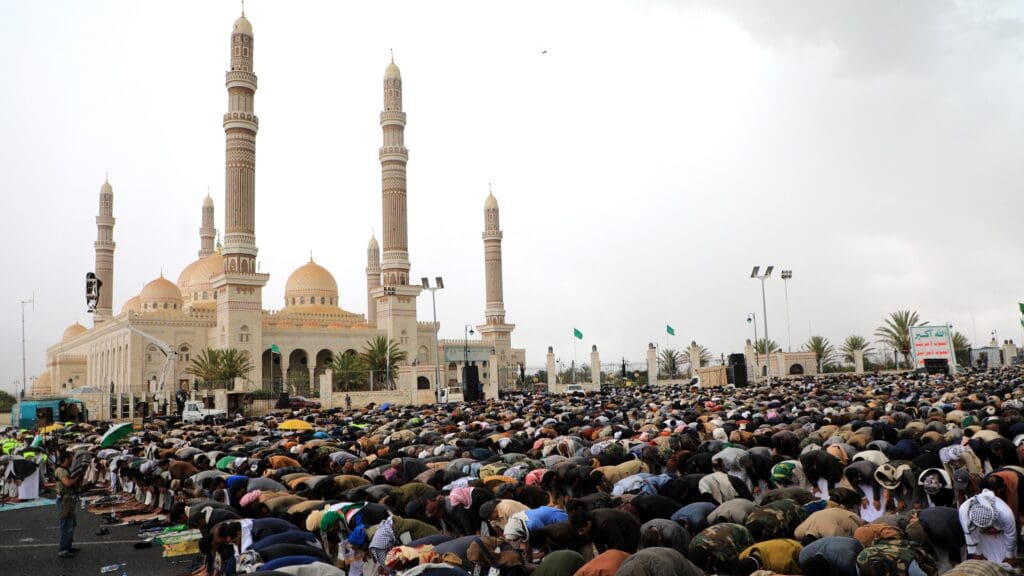
The Houthi movement of Yemen has recently declared its support for Hamas in the Gaza conflict. What connects the Houthis, Hezbollah and Hamas is their backing by Iran.
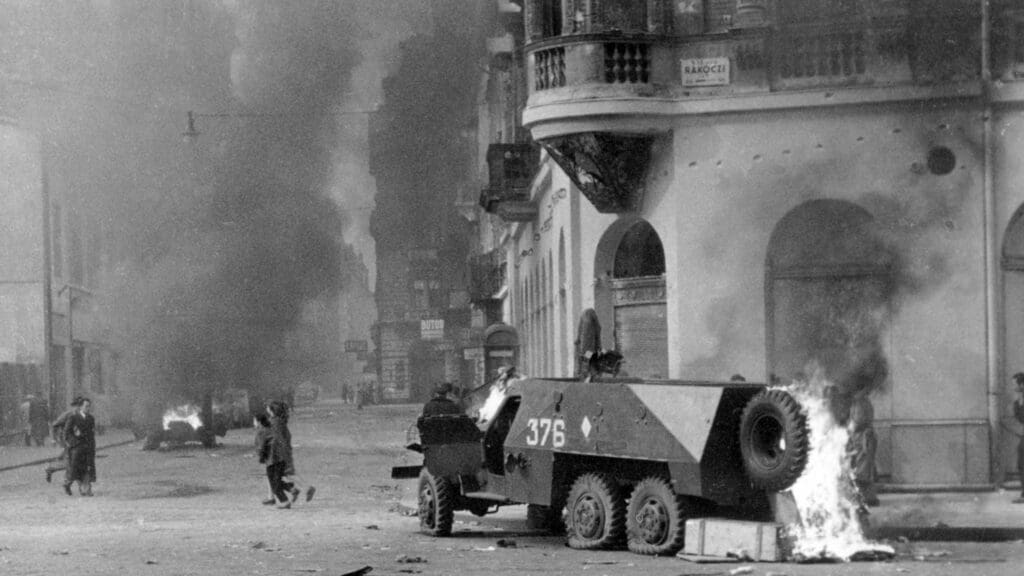
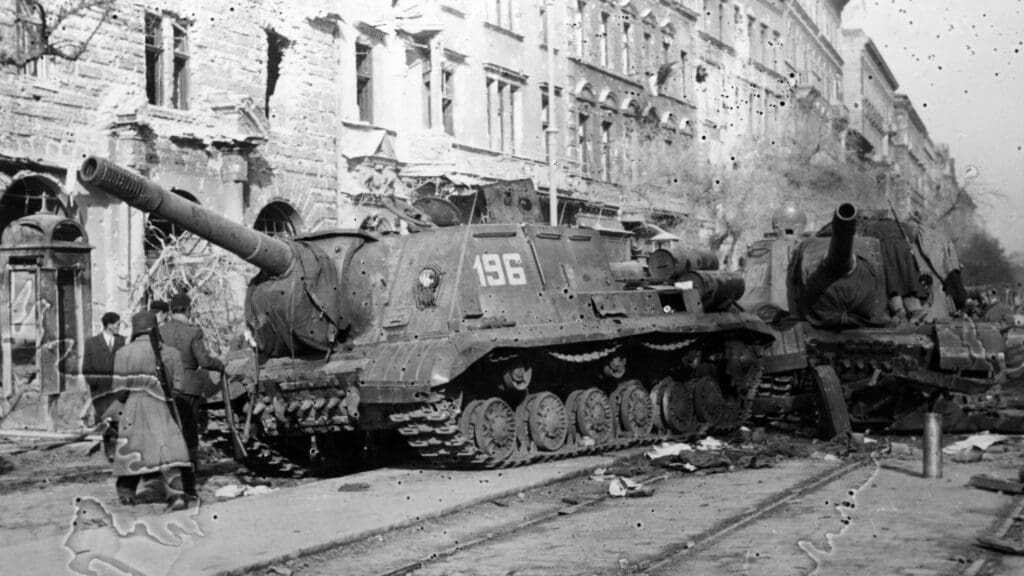
The events of the 1956 Revolution are quite well-known, at least in Hungary, as far as the beginning of it and the period of its brief triumph are concerned. What is less known is that the revolution was not fully suppressed on the day of the Soviet invasion on 4 November. Active, armed resistance lasted until 11 November, and civil disobedience, as well as sporadic outbursts of rebellion kept the Soviets from stabilizing their rule until the late spring of the next year.
On 4 November 1956, the fate of the Hungarian Revolution of 1956 was sealed as Soviet troops entered the country to crush the uprising.
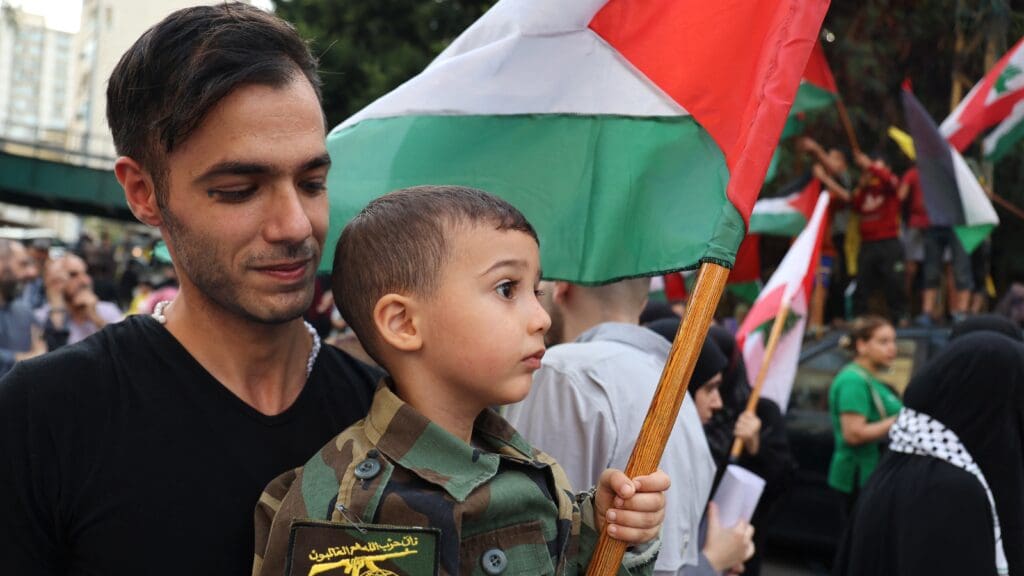
The recent outbreak of violence in the Middle East may soon lead to the opening of another front, where Israel would clash with Hezbollah. But what is this Lebanese Shia organization, and how did it come to be?
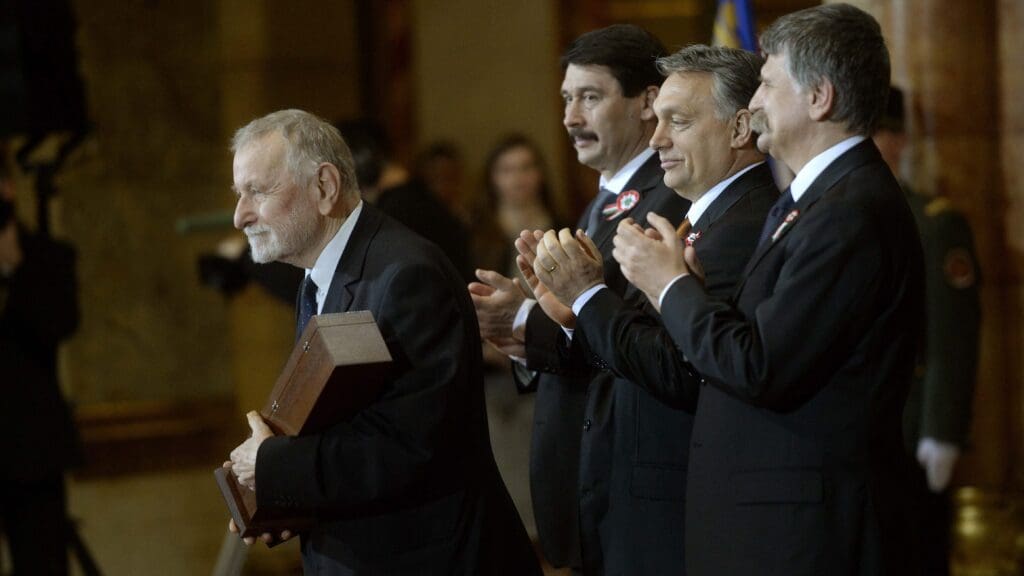
‘For Gyula Tellér, humanity, nation, education, and critical thinking were the core values. First and foremost, he believed in humanity, as well as in civilization and its achievement. He believed in the human being as an individual who is able to contribute to society, and who takes responsibility for his own actions.la
With the brutal terrorist attack on Israel, Hamas came to spotlight in the news. In this article, we look at the origins and the ideology of the Palestinian terrorist organization that committed the abominable massacre of Israeli civilians.
Pál Teleki, prime minister of Hungary in the interwar era, was probably one of the most tragic figures of twentieth century Hungarian history. He was torn between his conscience and geopolitical reality, a tension he could only resolve by ending his own life as a shocking act of protest.
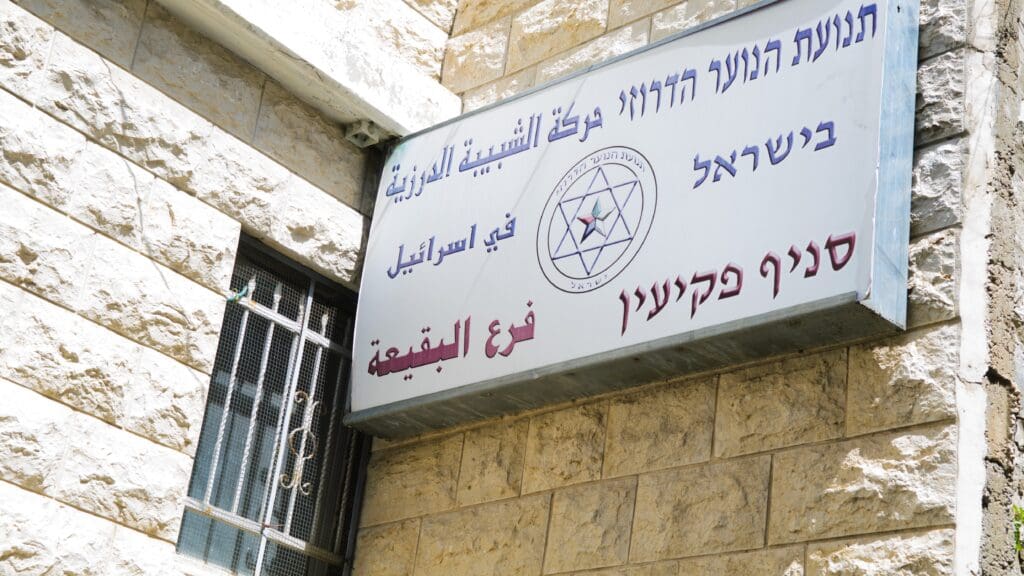
Israel have always had few allies in the Middle East in its fight for self-preservation. However, one small ethnoreligious group is an exception. The Druze have sided with the Jewish state ever since its inception, adhering to a ‘covenant of blood’ between Jews and the Druze.

At a time when public debate is increasingly polarized and superficial, Hungarian Conservative remains committed to depth and independent thought.
Donate Now
Please consider supporting our mission.