



Hungarian cinemagoers have been craving enjoyable historical films for a long time. Finally, Hadik arrived, which, although not faultless, is a great example of the genre well done.
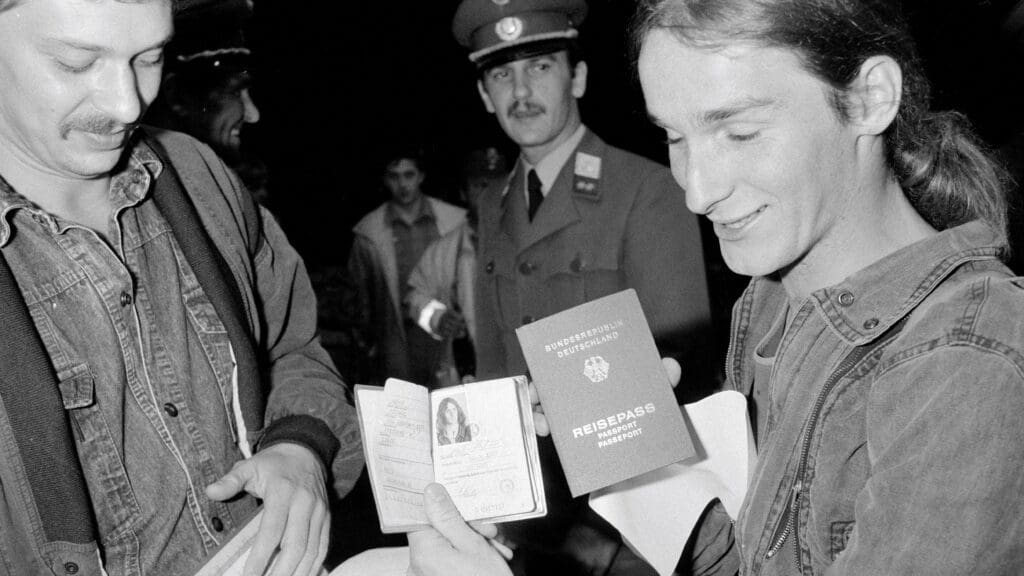
This Saturday marks the 34th anniversary of the Pan-European Picnic, when East German refugees, attempting to defect to West Germany, were allowed to enter Austria by the Hungarian authorities. The Picnic is also a symbol of a borderless, free, united and Christian Europe.
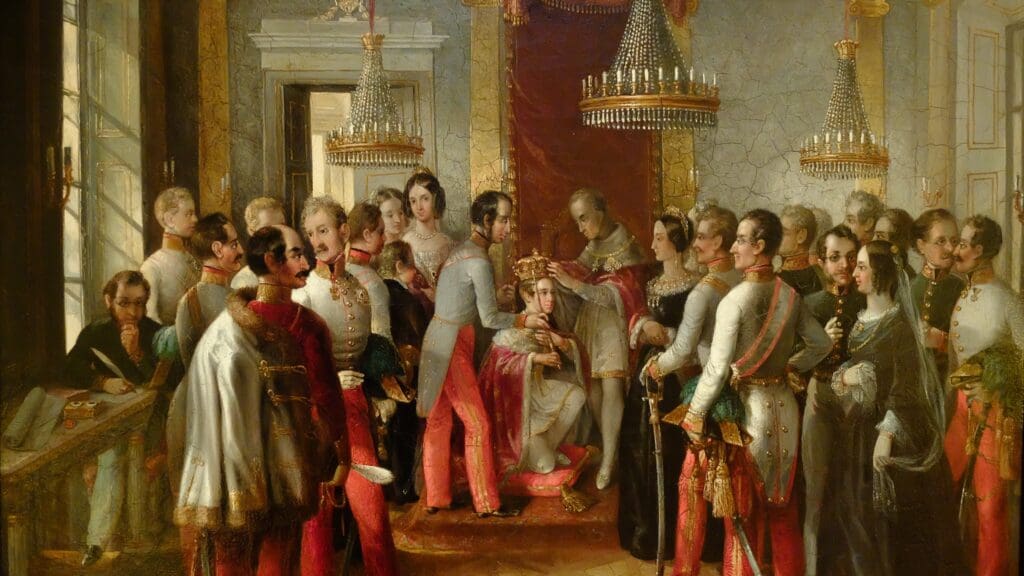
Francis Joseph, King of Hungary and Emperor of Austria, was born on 18 of August in 1830. He left a complex legacy, but, at least in Hungary, he is mostly remembered as a benevolent fatherly figure.
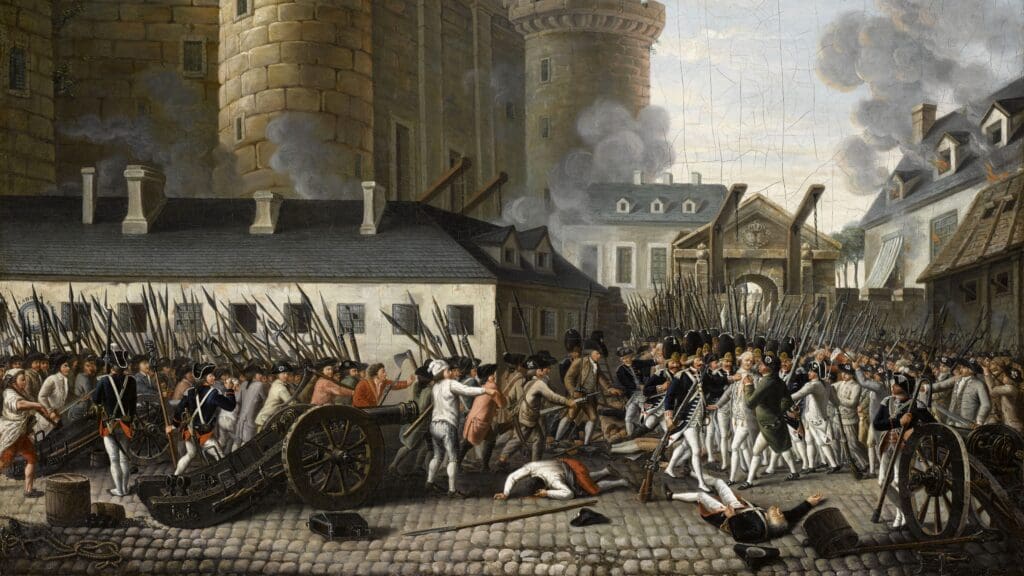
The first part of this article concerned itself with Burke’s general notions related to democracy. This part explores how he addressed the topic in his pamphlet on the French Revolution.
‘The kuruc were never mindless rabble-rousers, just like the labanc were never simply unpatriotic traitors. While the merits and good practices of kuruc and 49ist politicians have been been amply publicised and celebrated, the labanc side was often sidelined, and as a result, their perspectives and values are still missing from contemporary politics. It would be worth devoting more attention to the ideas of the Young Conservatives from the Era of Reform. They understood that while our interests must be unwaveringly represented and fought for, Hungary cannot stand alone in turbulent times.’
Edmund Burke is widely revered in conservative circles. However, due to the taboos of modern politics, his views on democracy are seldom debated.
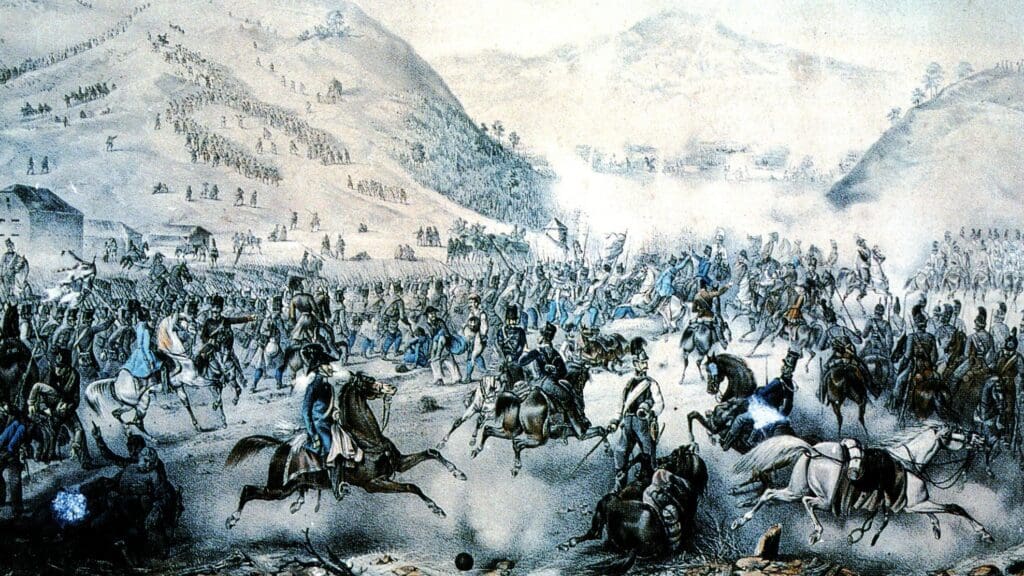
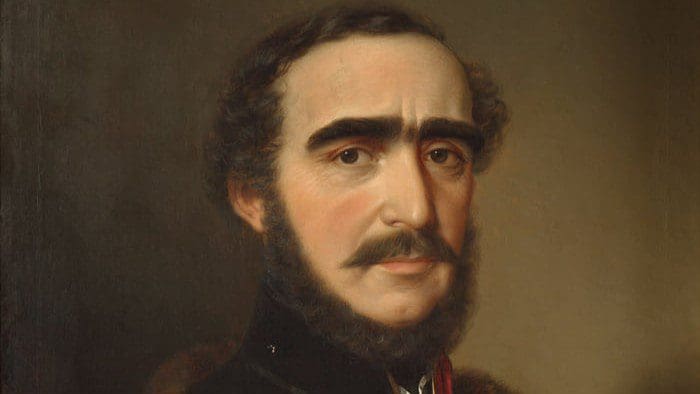
The kuruc-labanc dichotomy did not disappear during the early nineteenth century: it only assumed a different form and became stronger. During the Era of Reform, the kuruc sentiment was wedded to classical liberalism and liberal nationalism.
The kuruc-labanc dichotomy was transformed into a Hungarian version of ‘Court and Country party’ during the early modern age. This framework dominated Hungarian politics during most of the epoch, as well as in the nineteenth century.
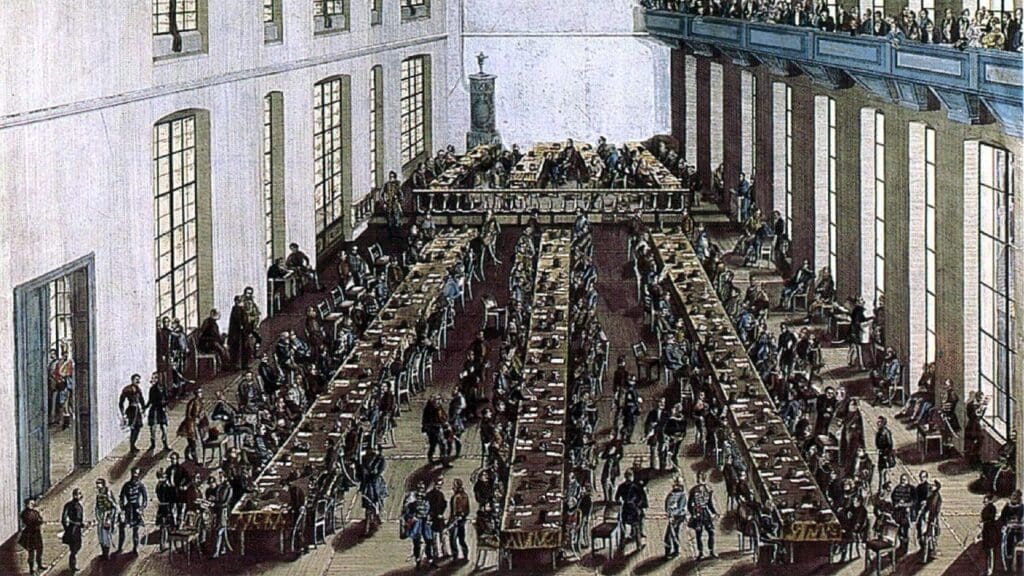
Foreign policy is at the core of every nation’s political life. Accordingly, it was an important part of the debates during Hungary’s Reform Era between the liberal and the conservative forces.
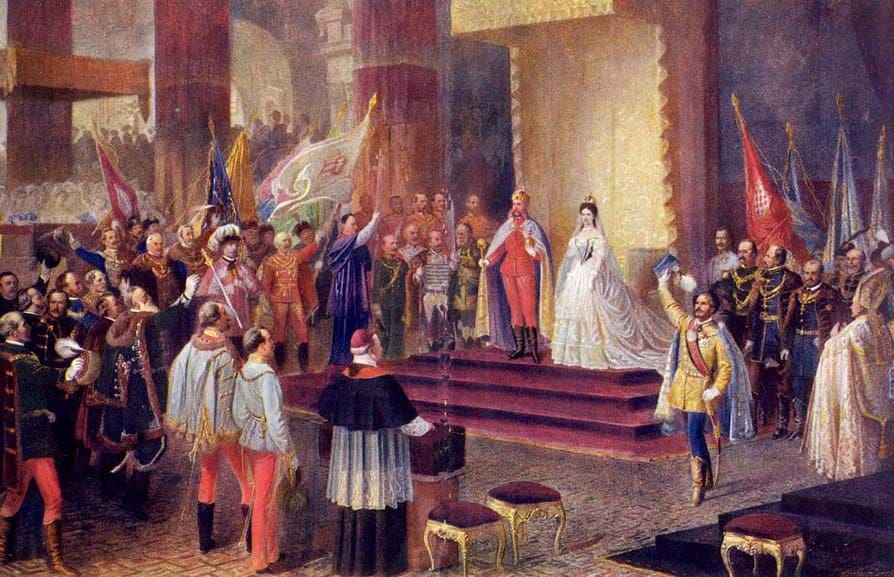
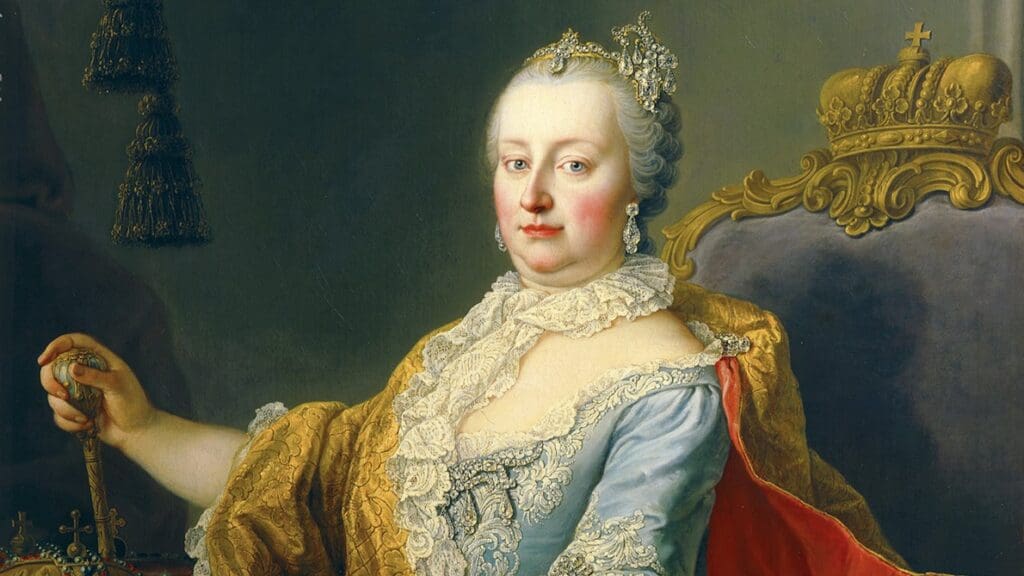
The debates between the Hungarian government and the European Commission often grab the headlines in the international media these years, with the issues of contention between Budapest and the EC usually being co-existence, sovereignty, and shared responsibility. However, there is indeed nothing new under the sun: Hungary had to grapple with such issues under the more than 300 years of Habsburg rule.

At a time when public debate is increasingly polarized and superficial, Hungarian Conservative remains committed to depth and independent thought.
Donate Now
Please consider supporting our mission.