In an ironic twist of fate, the FIFA World Cup will see Iran and Egypt, two Muslim-majority countries whose cultural and religious values are strongly opposed to LGBTQ activism, meet on Friday in Seattle’s designated World Cup ‘Pride Match Day’, in a match that will decide who advances to the knockout stage from Group G.
Seattle’s local organizing committee had already selected the 26 June match for Pride-related programming before the World Cup draw unexpectedly paired Egypt and Iran. Both countries maintain deeply conservative Islamic social norms: Iran criminalizes same-sex relations, in some cases with the death penalty, while Egypt has repeatedly prosecuted LGBTQ people under morality and ‘debauchery’ laws.
Both countries’ football associations protested the decision beforehand. The Egyptian Football Association formally asked FIFA to prevent Pride-related activities connected to the match, arguing that they contradicted Egyptian, Arab, and Islamic cultural and religious values. It cited FIFA’s commitment to political and social neutrality and urged the governing body to keep the occasion focused exclusively on football.
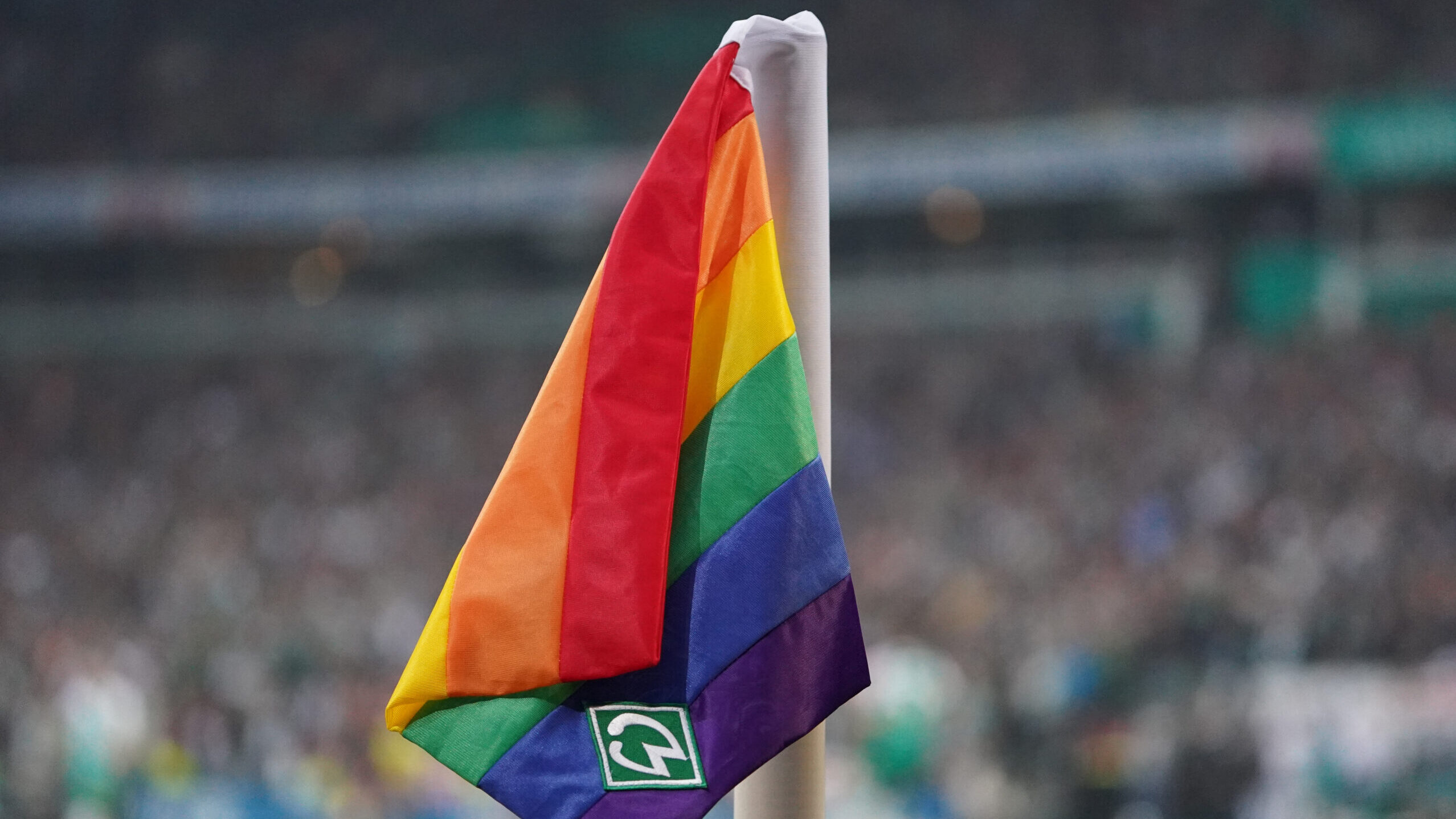
‘FIFA confirmed that fans may bring rainbow flags and other symbols representing LGBTQ and gender issues into the stadium’
Iran’s Football Federation also protested, with federation president Mehdi Taj calling the designation ‘unreasonable and illogical’. Iranian Sports Minister Ahmad Donyamali later warned that the team could stop playing if it encountered ‘unauthorized flags’—most notably Pride banners—or slogans directed against it.
Neither side, however, has announced a boycott. Egypt coach Hossam Hassan avoided taking a direct position at his pre-match press conference, saying organizational matters were for FIFA and the national federation, while his squad was focused on ‘respect and fair play’. Iranian coach Amir Ghalenoei similarly said his players were concentrating on football and making their country proud.
FIFA has attempted to separate the official match from Seattle’s celebrations. President Gianni Infantino said the city’s Pride events were being organized by external groups and had ‘nothing to do with the match itself’. Nevertheless, FIFA confirmed that fans may bring rainbow flags and other symbols representing LGBTQ and gender issues into the stadium, describing them as ‘general expressions of human rights’.
Seattle organizers have refused to abandon Pride Match Day, arguing that it reflects the host city’s identity and its long-standing LGBTQ community. They have emphasized that the designation was made before Egypt and Iran were drawn and that the principal festivities—including watch parties, cultural events, and support for LGBTQ-owned businesses—will take place outside the stadium.
The match will nevertheless proceed officially as an ordinary FIFA fixture, meaning that no compulsory ceremony will take place and players will not be required to wear any symbols. On the other hand, the local organizers continue to present it publicly as an explicit Pride event.
The controversy has revived memories of the 2022 World Cup, hosted by Qatar, another Muslim-majority country similarly opposed to LGBTQ activism. Before the tournament, the captains of England, Wales, Belgium, Denmark, Germany, the Netherlands, and Switzerland planned to wear the rainbow-coloured ‘OneLove’ armband as a ‘gesture against discrimination’. However, the seven federations abandoned the initiative shortly before their opening matches after FIFA warned that participating captains could receive immediate sporting sanctions, including yellow cards.
The match will also carry huge stakes. Egypt entered the final round leading Group G with four points, while Iran had two; either side could still potentially win the group depending on the result of the simultaneous Belgium–New Zealand match.
Related articles:
At a time when public debate is increasingly polarized and superficial, Hungarian Conservative remains committed to depth, intellectual honesty, and independent conservative thought.
Producing high-quality journalism requires resources. Your contribution helps us expand our coverage, reach new audiences, and keep our content accessible.

Please consider supporting our mission.