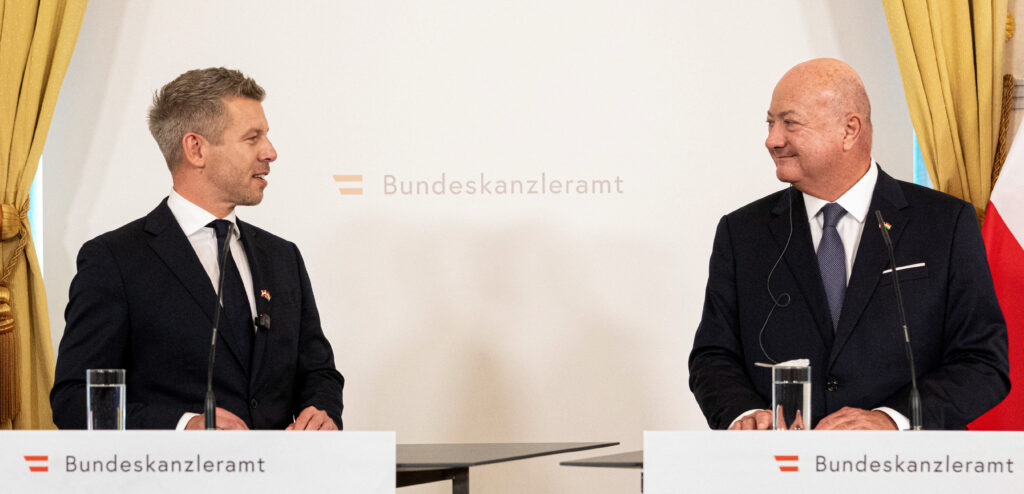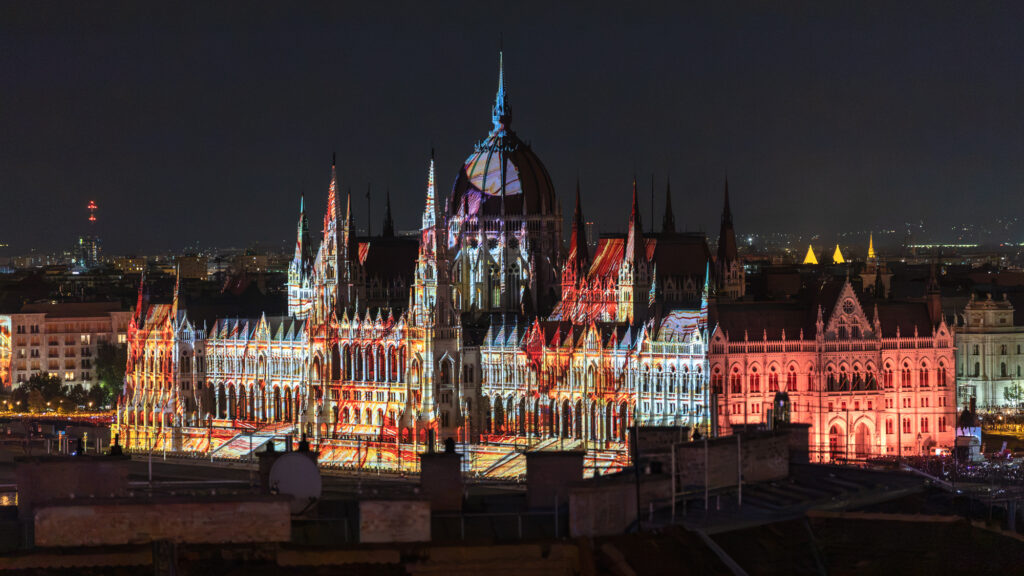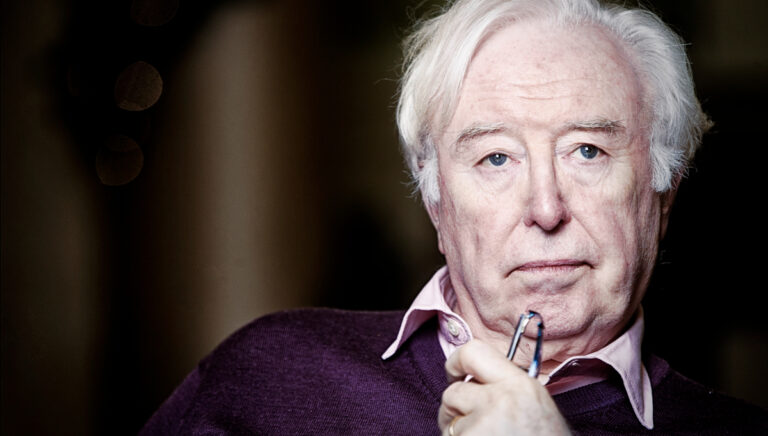
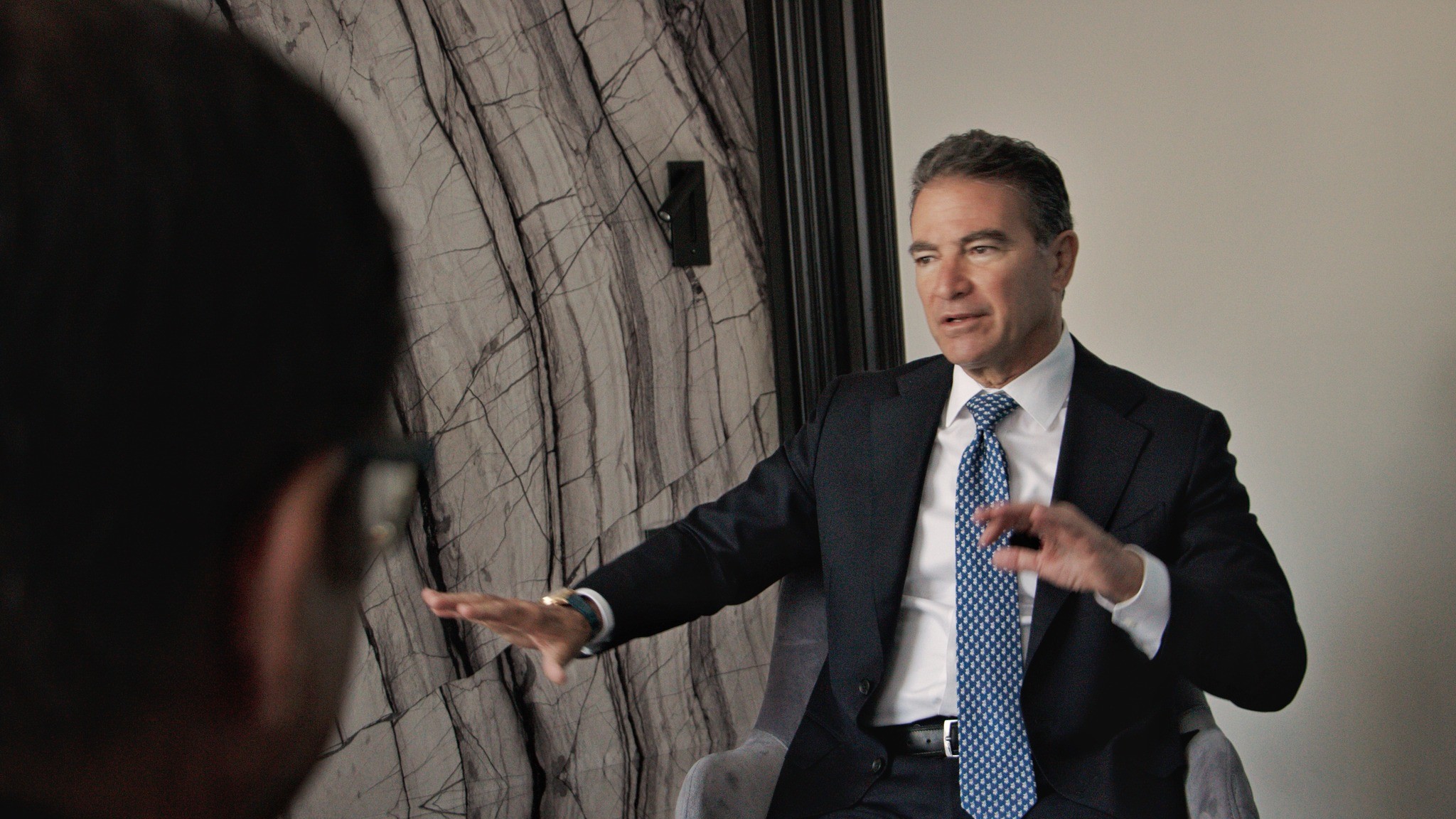
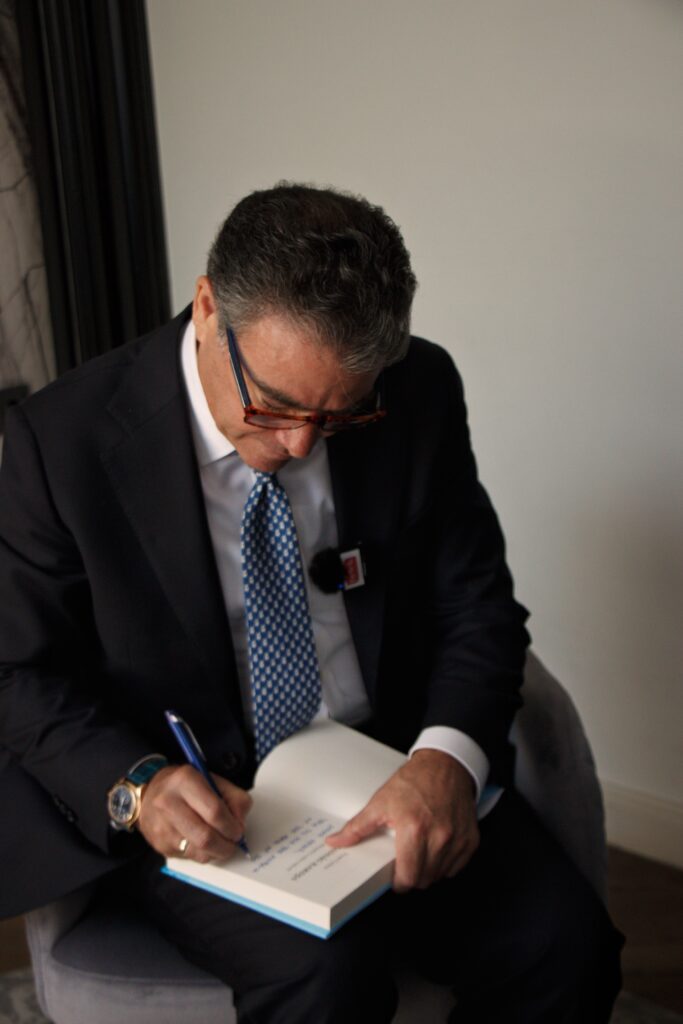
Yossi Cohen served as Director of the Mossad, Israel’s foreign intelligence service, from 2016 to 2021, following a distinguished 38-year career in intelligence and national security. Often described as one of the most influential intelligence leaders in modern Israeli history, Cohen oversaw some of Israel’s most consequential covert operations, including the 2018 seizure of Iran’s nuclear archive and efforts that laid the groundwork for the Abraham Accords. In his book titled The Sword of Freedom, former Mossad chief Yossi Cohen pulls back the curtain on Israel’s success in the face of never-ending war. Cohen visited Hungary to mark the publication of the Hungarian edition of his book. During his visit, the Hungarian Conservative sat down with him for a wide-ranging conversation on Mossad, 7 October, Iran, the Abraham Accords, intelligence failures, leadership, and the future of Israel.
***
You came to Hungary following the Hungarian publication of your book. What do you hope Hungarian readers, in particular, will take away from it?
I think the main message is that defence and security remain crucial issues in our time, and that multilateral cooperation between nations is the only way to confront today’s challenges and survive them.
When I speak about Hungary, one thing stands out very clearly to me: the importance of our cooperation. I met with my counterparts here in Hungary—highly capable and deeply cooperative intelligence professionals—and I truly cherish those relationships. We worked together on extremely difficult missions, including some that I still cannot discuss publicly.
In my book and in my lectures, I often repeat a very important principle: Israel will defend itself by itself. That is a necessity in our region. But at the same time, we can achieve far more through strong international partnerships and cooperation.
So my message to the Hungarian people is simple: Israel likes Hungary very much. We value this relationship and this cooperation and need it, and I hope it will continue to grow stronger in the years ahead. I also trust that Hungary’s new Prime Minister, Péter Magyar, will continue to appreciate the importance of this partnership and do what is necessary for the benefit of both nations.
Your book opens with a quote from Ze’ev Jabotinsky: ‘Only an iron wall of Jewish force can guarantee the security of the Jewish settlement in the Land of Israel.’ Why did you choose this as the epigraph? What does it mean to you, and what role do you see for the Mossad in maintaining or redefining that ‘iron wall’ today?
I chose this quote because of my personal background and upbringing. My father was a member of the Herut Revisionist movement. He was involved, as a teenager, in the underground resistance movements of the time, particularly the Irgun (Etzel), which was built by Jabotinsky and Menachem Begin. In my home, these figures were seen as heroes.
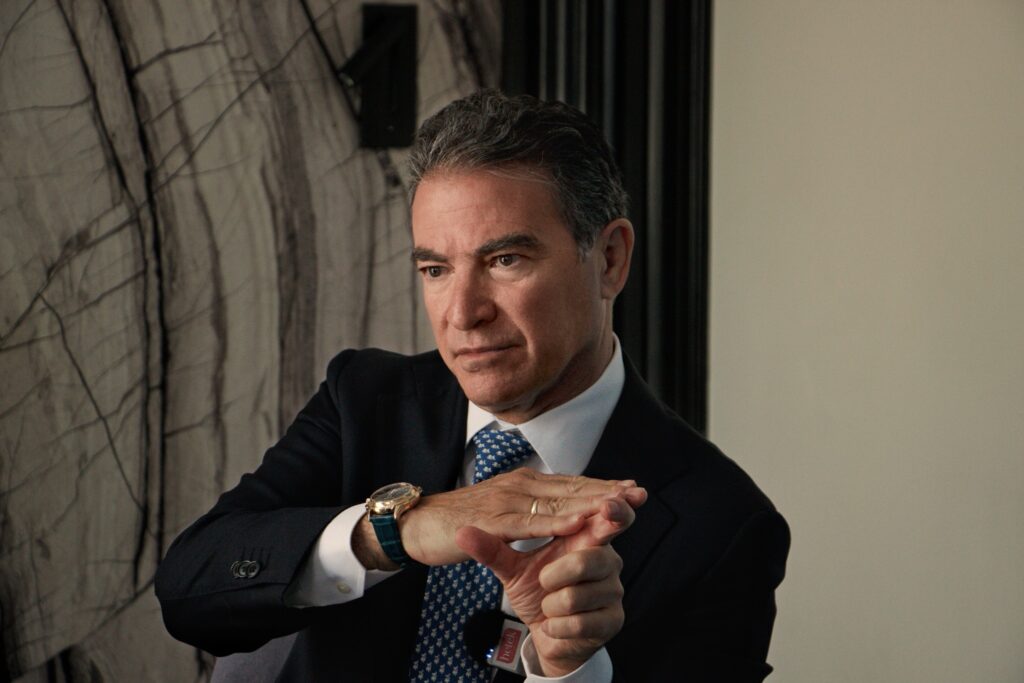
When I was young, I read everything Jabotinsky wrote about the future of the Jewish state. He did not live to see its creation, but he envisioned it 30 years earlier, much like Theodor Herzl did a hundred years earlier.
The ‘iron wall’ concept expresses the idea that Israel must defend itself by itself. It should not rely on others for its survival. At the same time, Jabotinsky also emphasized the importance of building relationships with Arab neighbouring nations—our friends and neighbours—while understanding that we cannot trust these relationships fully, as the ultimate security must rest in our own hands.
Today, we might describe that idea in modern terms, such as the ‘Iron Dome’, which means that we have to make sure that the state of Israel will survive amid all this kind of brutality that will be expected by our neighbours.
Throughout my 38 years in the Mossad, including my tenure as Director, I carried this idea with me: the State of Israel faces risks every day, today, yesterday and tomorrow, just as it did in 1947–1948. The Mossad plays—and continues to play—a central role in that defence architecture.
You have said in your book that you have ‘the Mossad gene in your body’. Looking back on your career, did intelligence work feel more like a profession or a calling?
It was a calling from a very early age. I’m not sure whether it was a message from somewhere, but it was certainly part of my upbringing and part of the Israeli foundation and education on which I was raised.
As a child, I never dreamed of becoming a spy. I was not fascinated by secret agents or espionage stories. But when I was approached and invited to join, something immediately felt right.
From the first day until the last, I loved it. I truly believe I found my destiny.
At a certain age, everyone looks back and asks whether they served something greater than themselves. I could have pursued many other careers, and I respect all of them. But for me, it was important to be able to look back and say I had done something meaningful with my life.
It’s a personal message I’ve always given my children: they can choose any path they want and should follow what they love and are passionate about. But it should also be meaningful—something that contributes, not just something that lets the years pass by without purpose.
You have described the 7 October Hamas attack as Israel’s greatest intelligence and operational failure since the Yom Kippur War. Do you believe the attack could have been prevented if earlier warnings about Gaza had been taken more seriously? And ultimately, where does the primary responsibility for that failure lie?
First, we have to acknowledge that 7 October was a failure. In life generally, if you do not admit that you have failed, you cannot improve. It was not a bump in the road. It was a deep, dark, dirty hole that we fell into.
For a country like Israel, with all of our capabilities—the Shin Bet, the Mossad, Military Intelligence, and the remarkable army that we have—this should not have happened. As a citizen, I find it unacceptable.
When I served as National Security Advisor, my primary concern was how to protect the nation. I often describe national security as consisting of two lines of defence.
The first is intelligence. In simple terms, intelligence asks: What is the enemy planning?
As an intelligence officer, you must remain humble. There are two fundamental truths. First, you do not know everything. Intelligence is a puzzle with many missing pieces, and the enemy actively hides information from you. Second, not only do you not know everything, you do not know what you do not know.
So what do you do? You build a second line of defence.
Forces are positioned and prepared precisely because we know intelligence will never be complete. On 7 October, we were too weak on both lines of defence, and both collapsed simultaneously. That is what made it such a disaster.
As for my own role, I never publicly wrote an official warning, but I did offer my services. After the disengagement in 2005, I argued that the Gaza Strip no longer behaved like Judea and Samaria. Gaza had become a different operational environment, so I said: Let me help. I know how to operate in this kind of environment. But I was rejected.
Why? In my view, it is because of the ego. That is the only explanation I can find, and it is very sad.
In your book, you wrote: ‘We must never, ever forget the horrors perpetrated on the innocent on that murderous morning (of 7 October), but I strongly believe in the spirit of Israel, the Jewish spirit. It is unique and unquenchable.’ What does Jewish resilience mean to you personally after 7 October, and what should the world learn from it?
In human history—past and present—the single factor that most distinguishes a strong nation from a weak one is the inner strength of its people.
People often ask me: How is it that Israel’s economy is stronger today than it was at the beginning of the war? I do not claim to have all the answers. But I do know this: the Israeli spirit is extraordinary. Part of that spirit comes from a simple reality. We have nowhere else to go. This is our home.
‘The single factor that most distinguishes a strong nation from a weak one is the inner strength of its people’
When I served as Director of the National Security Council, I regularly briefed European ambassadors, including the Hungarian ambassador, during conflicts such as Operation Protective Edge. I explained the situation and reminded them that while rockets were being fired at Israeli cities, Israelis would not leave for Warsaw, Budapest, Paris, or elsewhere. This is our only homeland, and we are determined to protect it.
After 7 October, that resilience was tested again—brutally tested. Yet whenever Israel faces moments like these, something remarkable happens. We put aside our political disagreements. We put aside our religious differences. We stop focusing on what separates us and remember what unites us.
I remain optimistic because I believe the State of Israel is a miracle that each generation must build, protect, and strengthen through hard work and determination.
One of the most significant achievements you discuss publicly is the stealing of the Iranian nuclear archive in 2018. Based on what you learned from the archive, how do you assess the current efforts to prevent Iran from acquiring a nuclear weapon? Are they coming just in time—or are they already too late?
No, it’s not too late. The bottom line is that we began working on the Iranian file in 1991. My very first operation as a young Mossad operative was connected to Iran. I was 28 years old, and from the very beginning, we were tasked with understanding what Iran was planning.
The reason we focused on Iran was simple. Its leaders openly spoke about the destruction and annihilation of the State of Israel. From that point onward, we gathered intelligence about what could potentially become an existential threat to Israel: the combination of a missile and a nuclear warhead.
In fact, I recruited one of the first sources in Iran who revealed the early efforts to develop domestic uranium-enrichment capabilities and centrifuge cascades. From that moment, we knew Iran was enriching uranium, and we knew it was working steadily toward a nuclear weapons capability.
When Meir Dagan became Director of the Mossad in 2002, Dagan’s view was very clear: knowing alone was not enough. Knowing what Iran was doing was important, but we also had to disrupt it.
That was when we began developing new operational concepts. One of them involved supplying manipulated or tampered equipment to our adversaries in order to sabotage their programmes from within. Elements of that concept later became visible in operations such as the pager attack.
At the time, there were several possible approaches to dealing with the Iranian nuclear programme. One was a direct military strike. However, they were postponed because the United States was not prepared to support such an operation. Israel did not yet possess the capabilities it has today, and Iran had formidable air-defence systems.
As a result, much of the operational burden fell on the Mossad. The objective was always the same: delay, disrupt, and degrade Iran’s ability to acquire a nuclear weapon. And the result is clear. Despite decades of effort, Iran still does not possess a nuclear bomb.
So is it too late? Absolutely not.
In many ways, I am seeing the fulfilment of a vision my generation worked on for years. As Deputy Director of the Mossad, I worked with Benny Gantz, then Chief of Staff, and others on contingency plans for striking Iran’s nuclear infrastructure. At the time, we envisioned a single operation—one strike, in and out.
Today, Israel has carried out thousands of operations against Iranian assets. Together with American action, thousands of targets have been struck, including nuclear facilities, missile programmes, intelligence infrastructure, Revolutionary Guard assets, and military leadership.
How important is patience in intelligence work? How do you know when to wait, even when an operation appears ready, and there is a risk the opportunity may disappear?
Patience is one of the most important qualities in intelligence work. An operation must be 100 per cent ready before it is executed. Ninety-nine per cent is not enough.
Every operation involves three questions. First: Does the target justify the effort and the risk? Second: Can we actually do it? Third: what happens afterwards? What are the political, military, diplomatic, and strategic consequences if the operation succeeds—or fails?
That final question is often harder than the operation itself.
Take the operation against the Iranian nuclear archive: we learned about it in January 2016. I instructed my team to track it closely and understand what was happening. Once we knew where it ended up, I ordered them to bring it home. It took two years to prepare and carry out.
Just as a lighter question: many people know Mossad through television series such as Tehran. On a scale from one to ten, how realistic is it?
I wish it were reality. On a scale from zero to ten, I would say zero. Operations do not look like that at all. Still, it is fascinating—I never miss it. I don’t miss a James Bond film either; for me, it’s like Harry Potter—I enjoy it.
But real special operations are very different from what is usually portrayed. People imagine motorcycles, leather jackets, and glamorous agents. That exists, but it is not the essence of the work.
Real operations are slow, complex, and carefully built step by step. They require extensive preparation and coordination. Very little is improvised in the way films and television suggest.
I am cautious about anything that is over-dramatized. Sometimes an operation may not seem quite ready, but decisions not to proceed are often strategic choices by leadership, not a reflection of what is technically possible.
Is there an operation you regret not carrying out?
Yes—many. There were operations I was not allowed to conduct because of decisions taken at higher levels, including hesitation from senior leadership about actions we believed were feasible and necessary.
In particular, there were Hamas leaders abroad against whom I believed action should have been taken. There were also operations against Hezbollah that were not approved because of concerns that they could trigger a broader war. I believed deterrence and a strong military response would have contained any escalation, but others assessed the risk differently.
‘There were also operations against Hezbollah that were not approved because of concerns that they could trigger a broader war’
Even in high-profile cases involving Qasem Soleimani, I had operations prepared that ultimately did not receive approval.
So you needed President Trump to push for it?
Absolutely. In the case of Qasem Soleimani, we worked in coordination with the Americans from the beginning.
Why did I rely on the Americans? Because the operation was not approved by Israel’s leadership at the time. There was concern about the risks, and the decision was not to proceed. President Donald Trump, however, was willing to act.
For me, three elements came together: intelligence and special operations capabilities built over years, advanced technologies that I cannot discuss publicly, and a US president prepared to make the decision. That convergence is the ideal outcome.
Do I believe Iran was significantly set back? Yes. Certain capabilities were pushed back by years.
But none of this means the challenge is over. Iran will still be there tomorrow, and Israel must remain prepared. Israel must be able to defend itself—today, tomorrow, and always.
To what extent has Iran’s regional network of proxies been weakened?
The only thing you can really take away is capability. Ideology cannot be erased. I cannot negotiate with an Islamic radical and tell him: ‘No, those are not the orders you received from the mullahs. It’s not true. It’s not Allah. There’s no righteousness in that.’ You cannot do that.
I think I’ve spoken to more terrorists than almost anyone else—undercover, of course. I’ve recruited terrorists from Hezbollah itself, senior ones too. You cannot take away their beliefs, just as they cannot take away ours. But you can take away capabilities.
When a belief is attached to a capability, you have a terrorist attack. When a belief remains alone, and there are no capabilities, then all you have is the belief itself. That’s not a good thing to have, but what can you do about it?
Another field in which you have been deeply involved is the Abraham Accords. You worked as a chief negotiator, and you mention in your book that you were personally touched by the achievement, which is not very typical for a spy chief. How do you see the future of these accords? Can they be expanded as dramatically as President Trump recently suggested—or is this more of a utopian dream?
First, I believe in having a vision—but vision must be connected to action. You cannot dream of becoming a marathon runner while doing nothing to achieve it.
My vision is that, before the end of the decade, the Middle East will see additional comprehensive peace agreements. I believe Saudi Arabia will join, and I am optimistic about Iraq and Lebanon as well. Other countries may follow, though I am less certain about some, such as Qatar.
Having negotiated with countries that have signed agreements and others that have not, I see a real opportunity. The United States is pushing not only for the reduction of security threats but also for broader regional stability through peace agreements.
What once seemed impossible became reality with Egypt, Jordan, the United Arab Emirates, Bahrain, Sudan, and Morocco. I believe that success can be repeated again and again.
Violent antisemitic attacks have increased sharply across the West. If things, God forbid, were to become much worse, could you imagine a rescue operation from the West similar to those carried out in Ethiopia or the Soviet Union?
It is a very different situation. Those rescue operations were necessary because those communities had no practical way of reaching Israel on their own.
Today, Jews living outside Israel—including in places such as Iran—are generally there by choice. No one is forcing someone to live in Budapest, London, or the United States. If a person decides they no longer feel safe abroad, they have the option of moving to Israel.
‘Strong Jewish communities abroad are one of Israel’s greatest strategic assets’
That said, strong Jewish communities abroad are one of Israel’s greatest strategic assets. The goal should not be choosing between Israel and the diaspora. Israel provides a home for any Jew who wishes to come, but vibrant Jewish communities around the world also play an important role in supporting Israel and confronting antisemitism.
Israel seems deeply divided, not only politically but also about the purpose and direction of the Jewish state. What do you think Israel will look like in 20 years?
In 20 years, I believe Israel will look largely the same, but stronger. The economy will keep growing, and new peace agreements in the region would significantly strengthen the state.
Internally, I don’t think Israel is as divided as it often appears. As someone once said, 80 per cent of Israelis agree on 70 per cent of the goals.
The two-state solution, in my view, is no longer realistic right now. Most Israelis don’t really discuss it anymore. There is no clear negotiating partner—Hamas controls Gaza, the Palestinian Authority controls parts of the West Bank—so the situation is fragmented. As a result, Israel has moved politically to the right and taken greater responsibility for its own security.
At the same time, Israel would likely face criticism regardless of borders. Antisemitism, in my view, does not depend on policy or lines on a map.
What is the most important difference in the thinking and decision-making of a top politician and a top intelligence officer? Does a former intelligence chief have an advantage in leading a country?
Absolutely. Politicians spend their careers responding to public opinion and managing voters, coalition partners, and political allies. As a result, they are often concerned not only with what is best for the country but also with the survival of their government.
As head of the Mossad, none of that matters. You are not running for re-election. You have one objective: the security, defence, and survival of the State of Israel. That makes decision-making much clearer than it is in politics.
That is one reason I do not want to be a politician. I want to be a leader, I believe in leadership, but my judgment has always come from professional considerations, not popularity. I cared about the safety, security, and defence of the people of Israel. That is a very big difference.
After everything you have seen in intelligence, diplomacy, and war, are you optimistic about Israel’s future?
I remain very optimistic about the future of the State of Israel. I believe that because of who we are, because of our resilience, because of Zionism, and because of strong beliefs and committed believers, the State of Israel will endure, will exist, and will flourish.
Elections are elections, and politics are politics. No one remains in office forever. But the State of Israel endures. And I believe it will continue to prosper and flourish for many decades to come.
Here you can purchase the Hungarian edition of Yossi Cohen’s book, titled A szabadság kardja – A Moszad korábbi igazgatója: Izrael, a Moszad és a titkos háború.
Related articles:
At a time when public debate is increasingly polarized and superficial, Hungarian Conservative remains committed to depth, intellectual honesty, and independent conservative thought.
Producing high-quality journalism requires resources. Your contribution helps us expand our coverage, reach new audiences, and keep our content accessible.

Please consider supporting our mission.