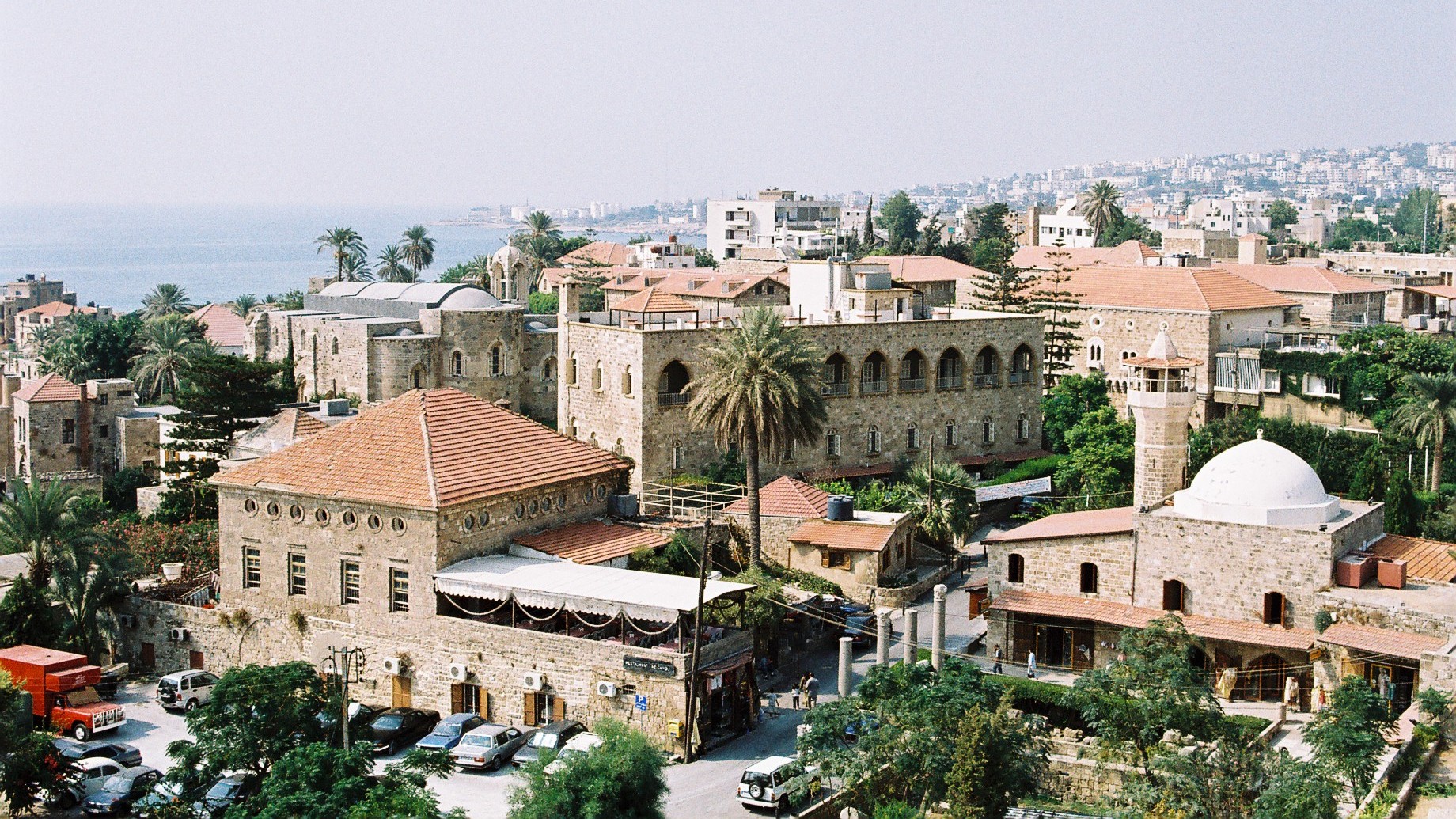
When discussing a ‘weak link’ in politics, Lebanon often emerges as a telling example. A country that is both domestically and externally fragile, it is located in an unstable region and burdened by a modern history marked by wars and prolonged conflict. It is fair to say that, since its independence, Lebanon has rarely experienced a decade without facing either internal or external conflict. This reality helps explain why Lebanon’s economy has persistently struggled and why it is one of the few countries in the world where the size of the diaspora exceeds that of the domestic population, at an estimated ratio of three to one.
Nevertheless, Lebanon’s modern history has witnessed periods of hope for positive change, only for destructive forces to prevail, pushing the country back each time into a new phase of struggle.
Let’s stop here for a moment and briefly explain Lebanon’s raison d’être. Lebanon, as a nation, was founded on the principle of being a safe haven for minorities in the region; beginning with Christians—particularly the Maronites—who inhabited the valleys and mountains of ‘Mount Lebanon’; followed by Druze and Shiites seeking refuge; and, over the centuries, other minority groups in search of a land where they could live without fear of persecution. More recently, in the early twentieth century, Armenians fleeing genocide found safety in Lebanon.
‘Lebanon, as a nation, was founded on the principle of being a safe haven for minorities in the region’
So, in brief, this is the country’s tagline: ‘a safe haven for minorities, living in freedom and peace, seeking prosperity and a place to fully live their way of life’.
So why is today’s chance different than the previous ones?
The world we live in today—its dynamics, technologies, power distributions, and the rapid pace of global events—poses formidable challenges, but also presents a unique opportunity.
Let’s start with the international scene. From the war in Ukraine, tensions in the Taiwan Strait, ongoing conflicts in Africa, the several wars in the Middle East following the 7 October 2023 events, external and domestic pressure on the Iranian regime, special US operations in Venezuela and the Caribbean, and—last but not least—the unconventional tensions regarding Greenland between the US and its closest allies, to name just a few. If aliens were observing planet Earth and following these events, they would surely be confused, yet eager to see how things unfold. This is the situation for most countries and their populations, who have little influence over these developments but would inevitably suffer—or benefit—from their outcomes.
A closer look at the MENA region today reveals a highly blurred political map. Since 7 October 2023, we have witnessed a direct war between Iran and Israel; the defeat and disarmament of Hamas and Hezbollah; the fall of the Bashar al-Assad regime in Syria; the weakening of pro-Iranian militias in Iraq and Yemen; a new ceasefire agreement in Gaza placing the territory under international supervision; and the emergence of new political leadership in Lebanon.
Why does ‘Lebanon having a new political leadership’ fits in the description of the regional dynamics?
For almost two decades, Hezbollah and its allies controlled the political scene in Lebanon. What began as the construction and consolidation of a state within a state—managing parallel economic, financial, and security institutions—ended in near-total control over Lebanon’s state institutions and much of its economic and financial sectors. This ultimately led to a collapse that plunged the country into the most severe economic and financial crisis in its history.
A new political leadership means taking the control away from the forces that managed to destroy what Lebanon stood for, and it also means a potential to fix—institutionally and socially—a system that is outdated.
‘A new political leadership means taking the control away from the forces that managed to destroy what Lebanon stood for’
What can – and should – be Lebanon’s political path moving forward?
Two steps can summarize the course of action for Lebanon’s political recovery.
The first step is the re-establishment of the rule of law and the monopoly of force by the state and its institutions. This begins with the complete disarmament of all militias—both foreign and local—across Lebanese territory, allowing the state’s legitimate security institutions to reclaim their role in safeguarding and protecting Lebanon’s sovereignty. This step would restore trust in the state among all Lebanese communities, without distinction between its citizens.
The second step would be to organize and manage democratic parliamentary elections, which would bring a new parliament, elected democratically, capable of drafting and implementing the laws and reforms necessary for the country’s recovery. The stronghold of Hezbollah and its allies over state institutions in past decades left little room for democracy to function or for state institutions to fulfil their obligations to the Lebanese people.
Originally planned for May 2026, the upcoming elections in Lebanon face multiple challenges: starting with law amendments still under debate in parliament, which fail to provide clarity for parties and voters regarding the electoral system, and compounded by mounting pressure from the domestic security situation—caused by Hezbollah’s unwillingness to collaborate with the rest of Lebanon on a proper and peaceful end to its illegitimate military, security, and economic operations.
The two steps, once accomplished, would open the door for Lebanon to rebuild its institutions and for the various Lebanese communities to come together, engage in a truth and reconciliation process to end the political turmoil, and collectively decide on the shape of the country in which they all wish to live and prosper—guided by the same spirit that brought them together in the first place: ‘a safe haven for minorities, living in freedom and peace, seeking prosperity and a place to fully live their way of life’.
Related articles:
At a time when public debate is increasingly polarized and superficial, Hungarian Conservative remains committed to depth, intellectual honesty, and independent conservative thought.
Producing high-quality journalism requires resources. Your contribution helps us expand our coverage, reach new audiences, and keep our content accessible.

Please consider supporting our mission.