





How did a Jewish 1956 revolutionary become an informant in the Kádár regime, even reporting on his own wife? A tragic story with unexpected twists and turns from the era of retaliation after the revolution.
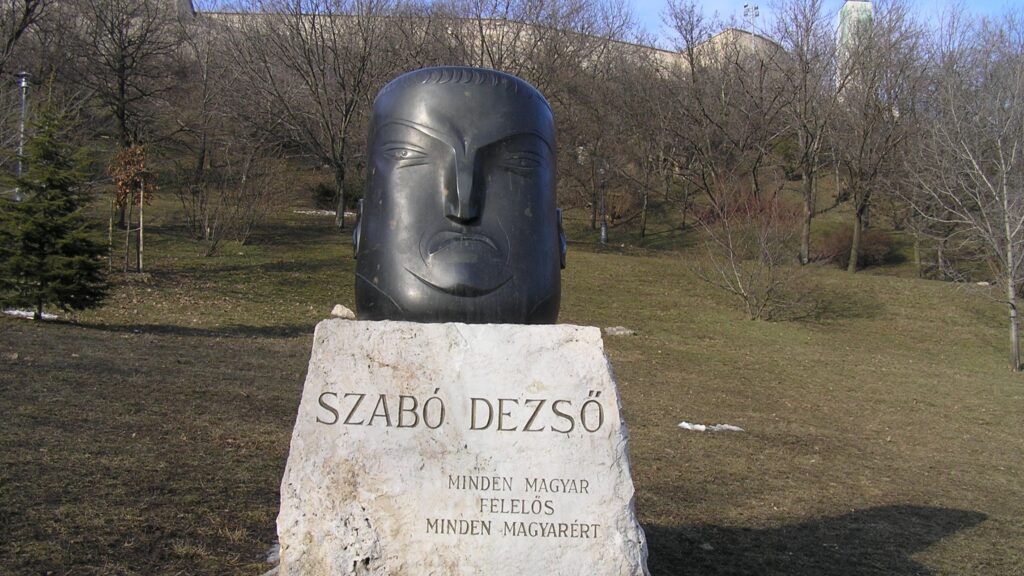
‘Few things better illustrate the antisemitic recycling of certain Jewish concepts than the quote attributed to Dezső Szabó, “Every Hungarian is responsible for every Hungarian.” Of course, a reader with some knowledge of Jewish tradition will immediately recognize the Talmudic origin of this quote: “kol Yisrael arevim zeh bazeh,” which means, “All of Israel are responsible for one another.”’
This little known case of Hungarian Israeli Rabbi Ottó Komlós not only provides insight into how the Hungarian Communist intelligence services viewed Israel’s most important Holocaust museum and its Hungarian employee, but also highlights the clumsiness of the covert activities of Kádár’s state security services in the early 1960s in Israel.
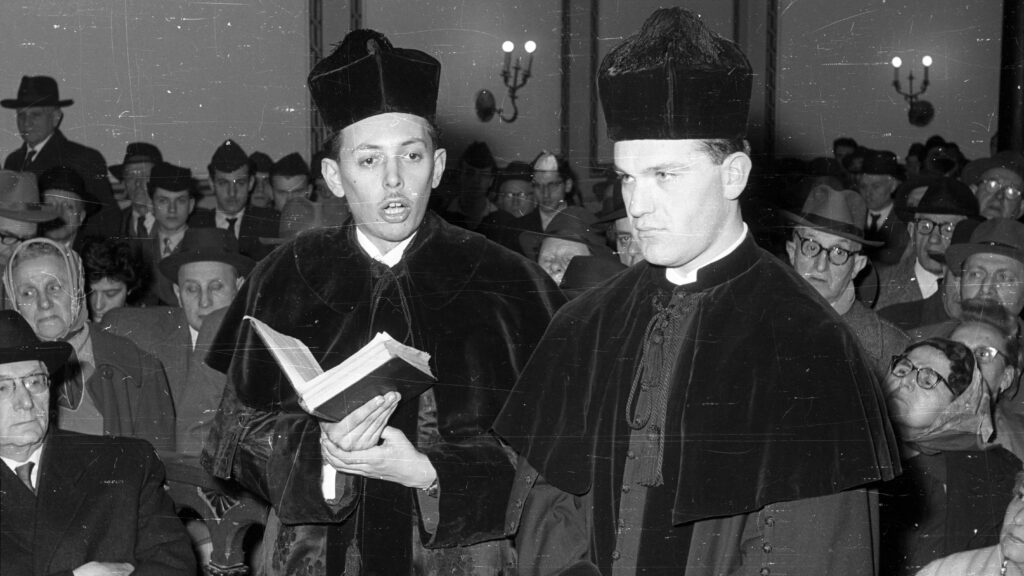
In the 1960s, the Communist Secret Service launched an undercover operation targeting rabbis and Jewish youth who were engaging in Zionist activities. The investigation ended in some young people being handed suspended prison sentences and a 15-year ban on rabbinic activity for Szeged Rabbi Tamás Raj.
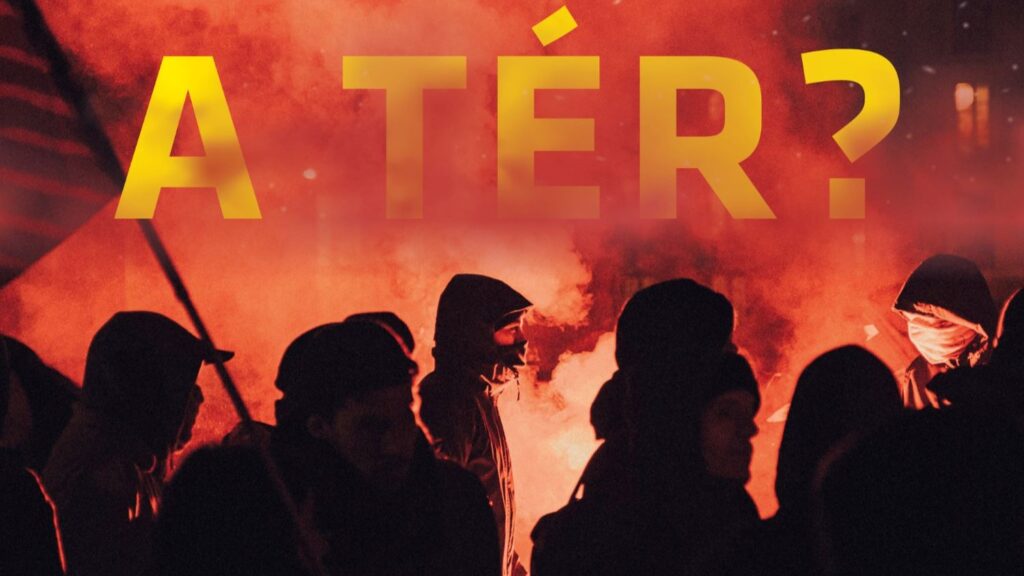
What does a no-go zone mean, and if it is an inaccurate term, what words can we use to describe a well-known reality that few would dare deny since the Amsterdam pogrom and the Hamas protests? The above dilemma is what Viktor Marsai, Omar Sayfo, and Kristóf György Veres try to unravel in their book Whose Space Is It? Parallel Societies and Urban Enclaves in Western Europe, published by MCC Press.
‘Hungarian Jews were generally known for their assimilated and law-abiding nature. By and large, they saw themselves as loyal Hungarian citizens and followed the law of the land to the letter. This was part of a well-rehearsed strategy on the part of their leaders. Between the emancipation of Hungarian Jewry and its nearly complete annihilation, Hungarian Jewish leaders experienced various levels of antisemitism. For most of their history, they could and did turn to the state authorities to ease their suffering. This strategy, useful during the previous decades, turned self-destructive in 1944–45.’
‘According to Dutch intelligence, Iran has used Moroccan Dutch gangsters to eliminate two “enemies of the state” abroad, but it also actively protects clan leaders. Between 2019 and 2021, during the time of the trial of a Moroccan clan chief, a key witness’ brother was killed, followed by his lawyer and finally a crime reporter who was covering the case. And what about antisemitism? Dutch Jews have been sounding the alarm for years.’
‘Mass immigration has changed the face of Europe. This is not to say that all immigrants are evil, but we would be blind to ignore the growing social, ethnic and religious tensions and security challenges that mass migration has brought to Europe in recent decades. As many have pointed out several times, one of the first victims of this is European Jewry.’
‘An important element of Viktor Orbán’s governance is that he knows Hungarian history and has learned from its mistakes. He does not want to repeat the sins committed by the historic Hungarian state during the 20th century. Hungary’s vision has thus not been blinded by the anti-Zionism of woke ideology, and it is able to recognize that Israel is the bastion of democracy and human rights in the Middle East, while successfully holding on to its religious and national traditions.’
‘Is it any surprise that the recent Dutch national elections were won by Geert Wilders’ Freedom Party? Is it surprising that the Dutch are fed up with uncontrolled—and, frankly, uncontrollable—immigration? Who would want to live in a country where there are about three bomb attacks every day? Who would want to run a business or open a shop in such a country? Make no mistake: this is the future from which Orbán is trying to save Hungary.’

At a time when public debate is increasingly polarized and superficial, Hungarian Conservative remains committed to depth and independent thought.
Donate Now
Please consider supporting our mission.