

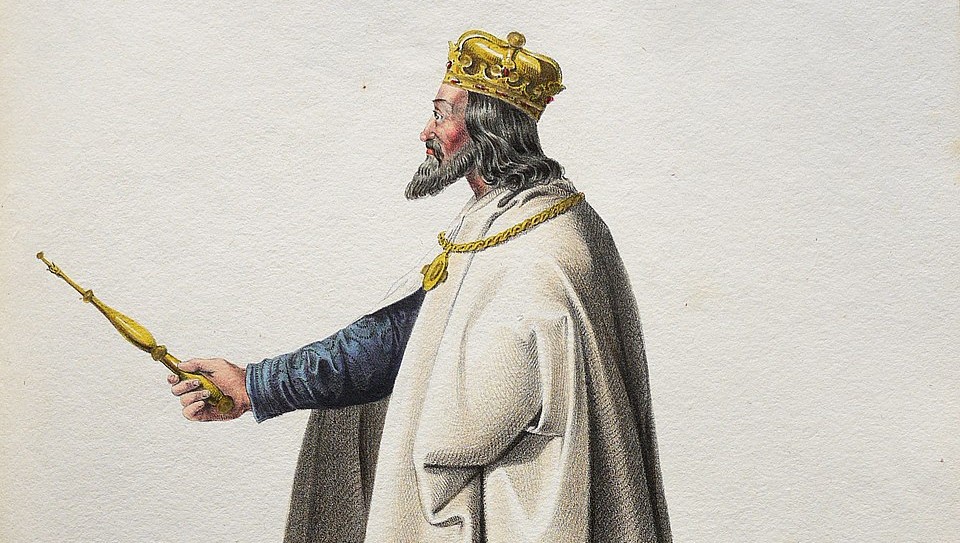
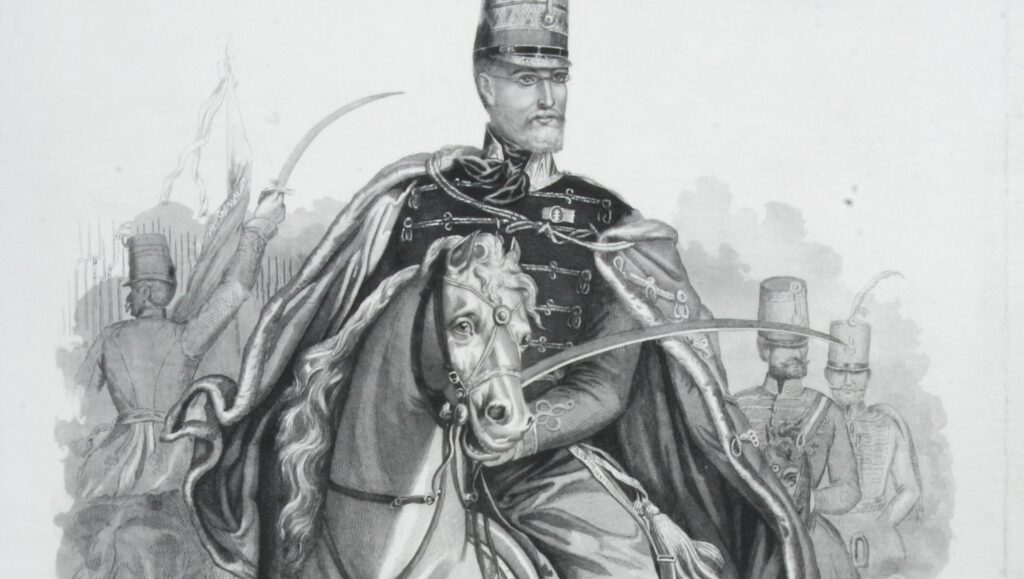
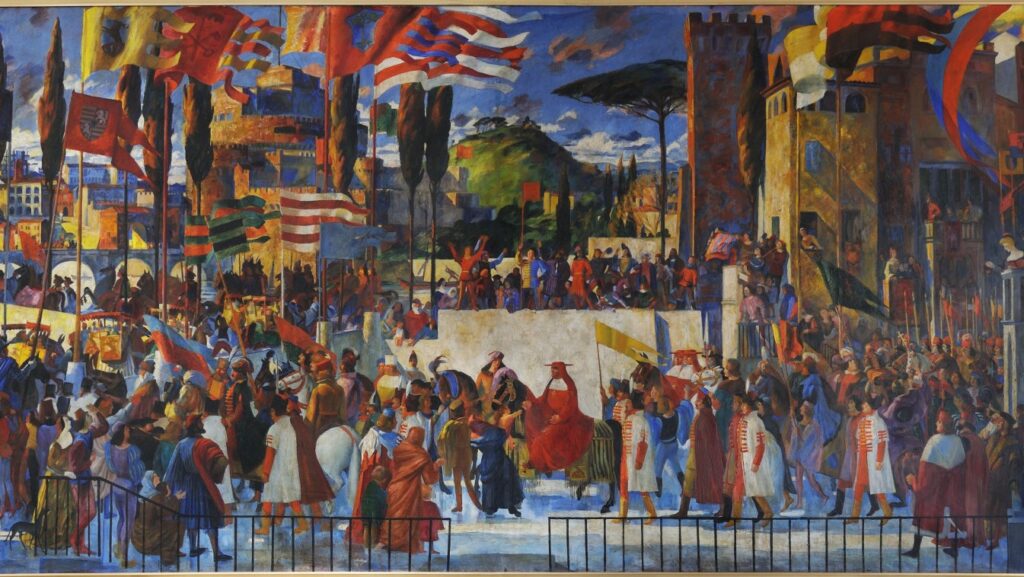
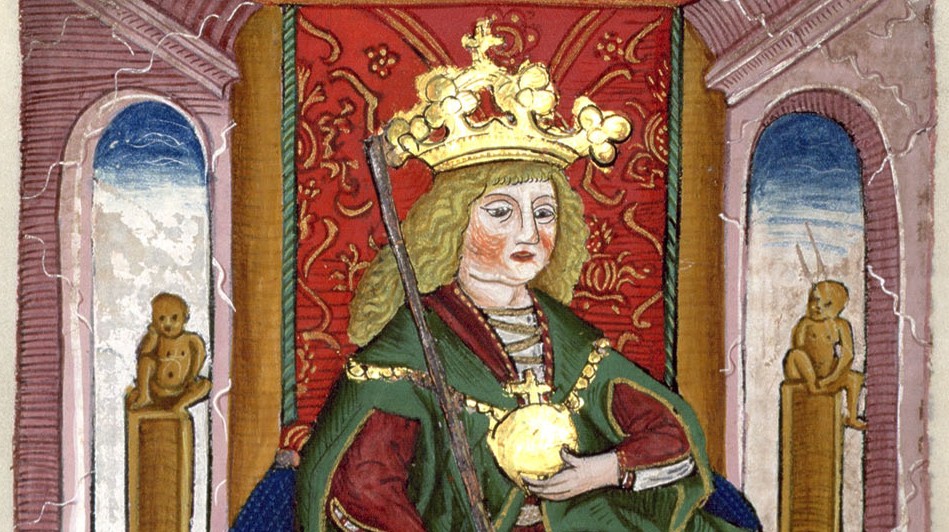
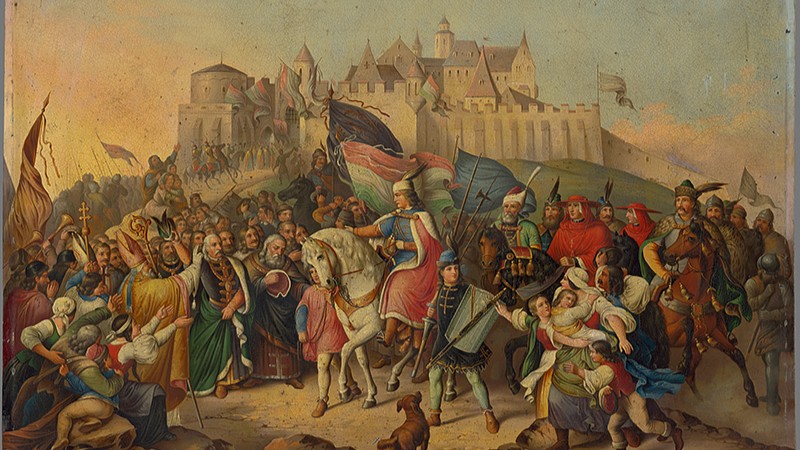

‘On his return journey from the Holy Land, [King Andrew II] engaged in a remarkable amount of diplomatic activity. He behaved as one would expect from the head of a European middle power: he held talks with the leaders of the states he passed through, formed alliances, and forged diplomatic ties…As a result, from 1213/14 onward, the overland route through Asia Minor reopened and became safe.’
‘The Latin motto “Virtus Vulnere Viret”, meaning “Courage grows strong at the wound”, first appeared in humanist literature and became known as the motto of Mary Stuart…but it soon appeared in Hungarian Latin literature as well.’
‘The central theme of the papacy’s foreign policy since the mid-15th century was the fight against the Ottomans. The Holy See not only directly helped Hungary with diplomatic means and financial support but also sought to reconcile the Christian princes in European politics with a view to a coordinated attack against the Turks.’
‘King Béla I lost his life in 1063 in an accident, or—as has recently been suggested—as a result of a political conspiracy…The latter would not be entirely surprising, given that 15 per cent of European rulers living between 600 and 1800 ended their lives as victims of political murder, and it is well known that ruling was one of the most dangerous occupations in the Middle Ages.’
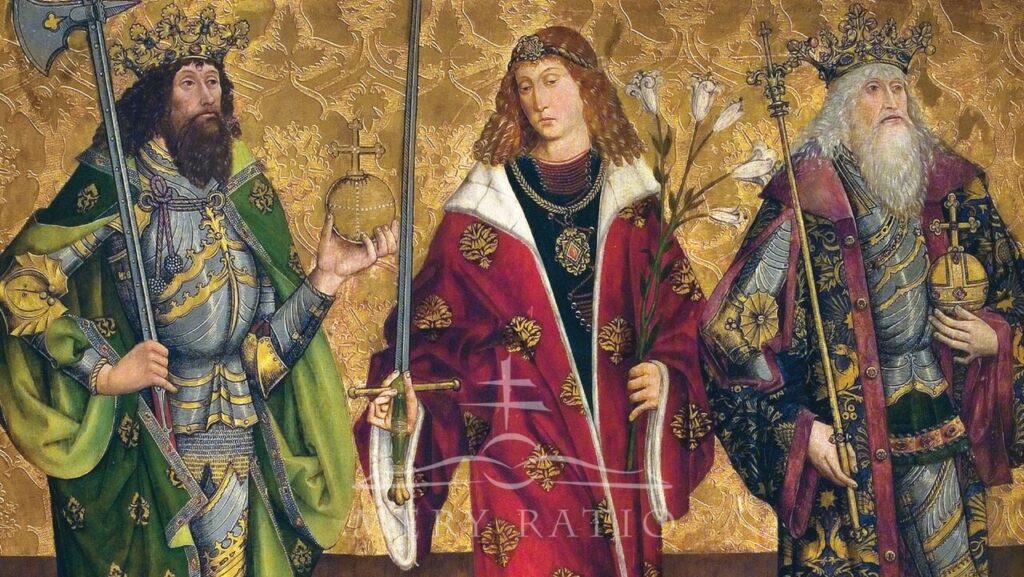
‘In addition to his role as patron of the country, the prince who died in an unfortunate accident had to wait centuries to find his place among the Hungarian saints, so that his legend could be used to inspire young schoolchildren and promote Catholicism to them.’
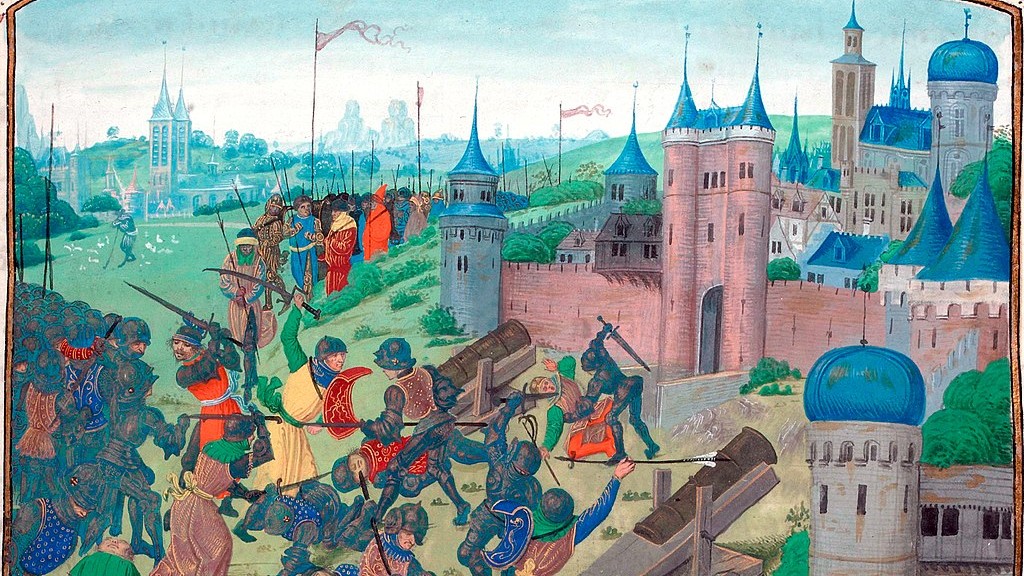
‘The military events had varying outcomes, but in a series of battles that tended to favour the Ottomans, the victory at Szabács was of great significance, which was further enhanced by subsequent developments. The siege of the castle also foreshadowed the change in military tactics that would become common throughout Europe in the following decades.’
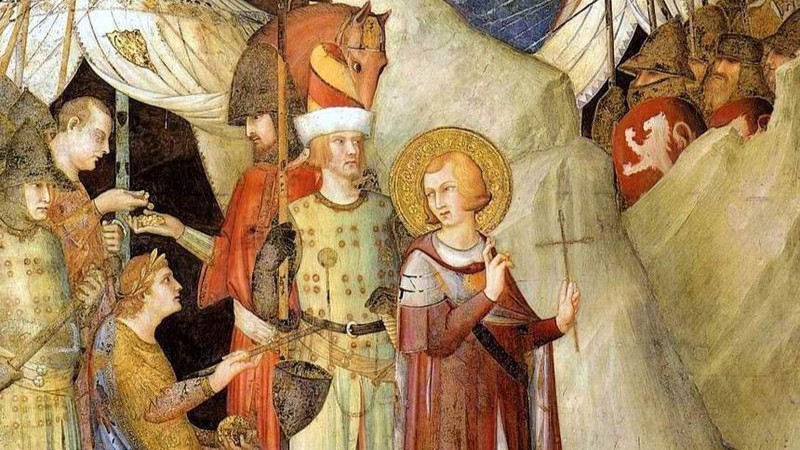
‘From the Middle Ages, a rare folk custom, still popular today, was associated with the holiday: the consumption of goose dishes…The custom was traditionally explained by a scene from the saint’s legend: Martin humbly hid in the goose pen so that he would not be elected bishop, but the geese betrayed him with their cries.’
‘Undoubtedly, the political and ecclesiastical situation in Hungary in the 11th century was not ripe for a politician who was not familiar with Hungarian conditions to ascend the throne…Without taking Hungarian conditions into account, Peter rashly attempted to transform the country into a Western-style kingdom, and in doing so, he was left to his own devices and failed.’
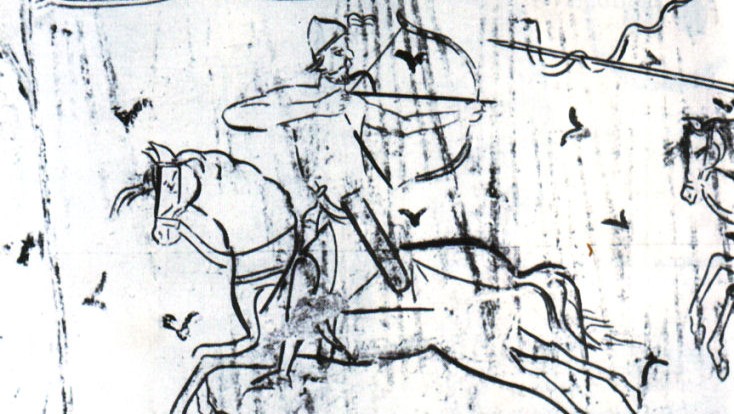
‘Well-documented 18th-century operations shed light on and explain many aspects of the secret of the Hungarian army’s successes in the 10th century: even with limited numbers, a well-organized team can achieve significant success in enemy territory against a numerically superior opponent.’
‘From the middle of the 14th century, the Ottoman advance in the Balkans shifted the front line between Christianity and Islam to European territory. By 1390 Ottoman incursions had reached the southern borders of Hungary, marking the beginning of the Hungarian Kingdom’s defensive wars, which were supported to varying degrees by international forces, including France and Burgundy.’

At a time when public debate is increasingly polarized and superficial, Hungarian Conservative remains committed to depth and independent thought.
Donate Now
Please consider supporting our mission.