

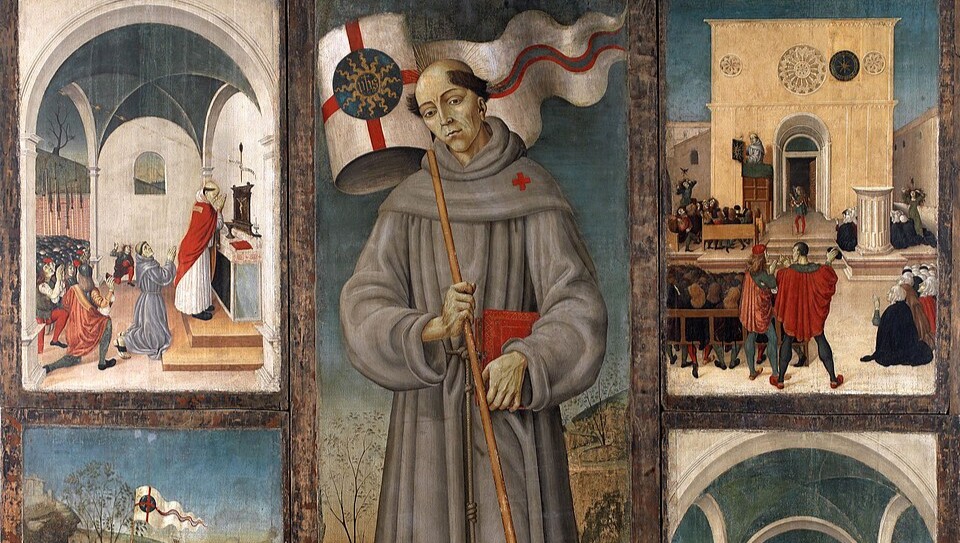

‘St John of Capistrano became a martyr of Christian Europe for the papacy and the Franciscans, and in Hungarian historical thinking, he became the saviour of the homeland, sharing this role with the victorious leader John Hunyadi, who also died near Belgrade.’
‘The losses and military failures suffered by the Tatars, most of which occurred in Hungary, are rarely mentioned among the reasons for their unexpected withdrawal from Central Europe…Since Hayton’s best-selling work in Europe attributed the stopping of the Mongols to the Austrian prince, the heroic resistance of the Hungarians was almost completely forgotten.’
‘Rasso (also known as Rath) comes from the world of legend, as the Bavarian leader who repeatedly defeated the Hungarians and who, at the end of his life, went on a pilgrimage and founded a monastery…his tomb became a popular pilgrimage site even without official canonization, with a register of miracles kept between 1444 and 1728 recording more than 12,000 miraculous healings.’
‘The emergence of critical historiography, regardless of religious affiliation, from the turn of the 19th and 20th centuries onwards, “lifted the veil” on the previously much-appreciated campaign and its leader. Eminent historians read the contemporary chroniclers who were dissatisfied with the King’s departure and reassessed the campaign led by Andrew accordingly.’
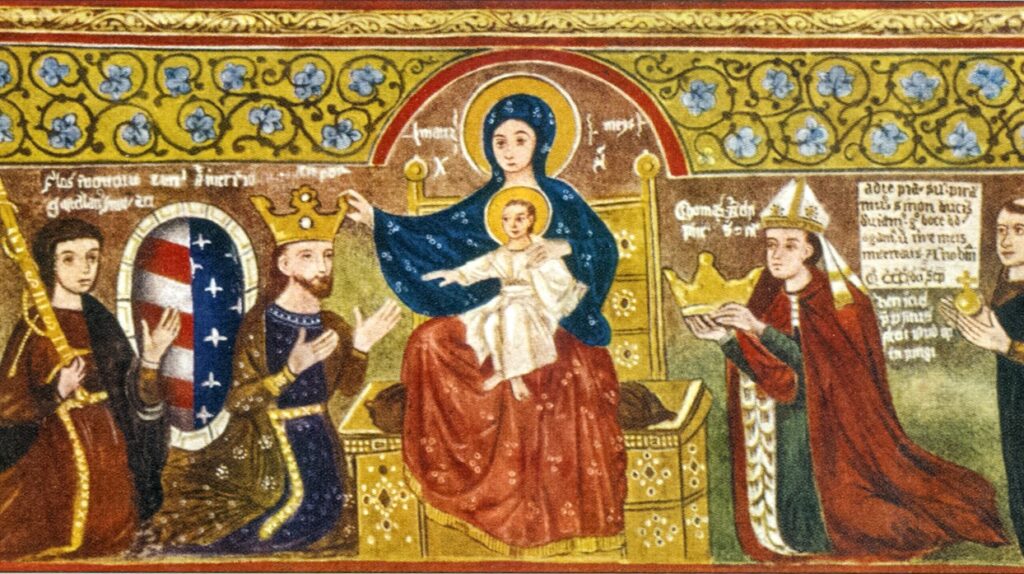
‘It was an unprecedented period in Hungarian chivalric culture when Charles restored the authority of royal power, and Louis reaped the benefits of his father’s policies. At this time the court of the Hungarian kings had international clout and a network of contacts indeed, with King Louis corresponding with influential figures such as poet Petrarch and famous Florentine chancellor Coluccio Salutati.’
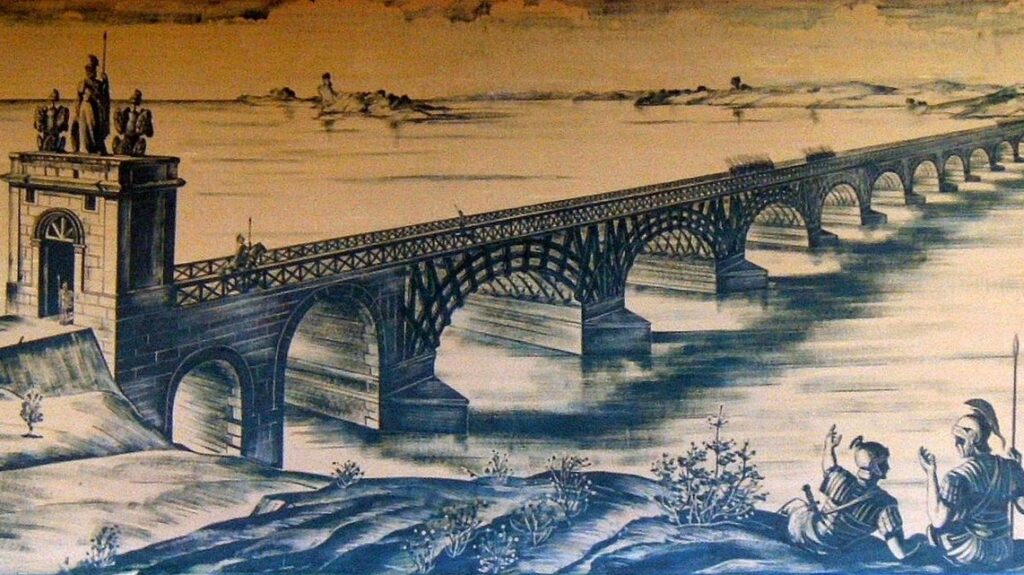
‘One of the lasting memories of Trajan’s campaign in Dacia is the bridge he built across the Danube to facilitate the march of his armies. The first permanent stone bridge on the Danube was built between Turnu Severin in Romania and Kladovo in Serbia, which was 1127 metres long and designed by the greatest architect of the time, Apollodorus of Damascus origin.’
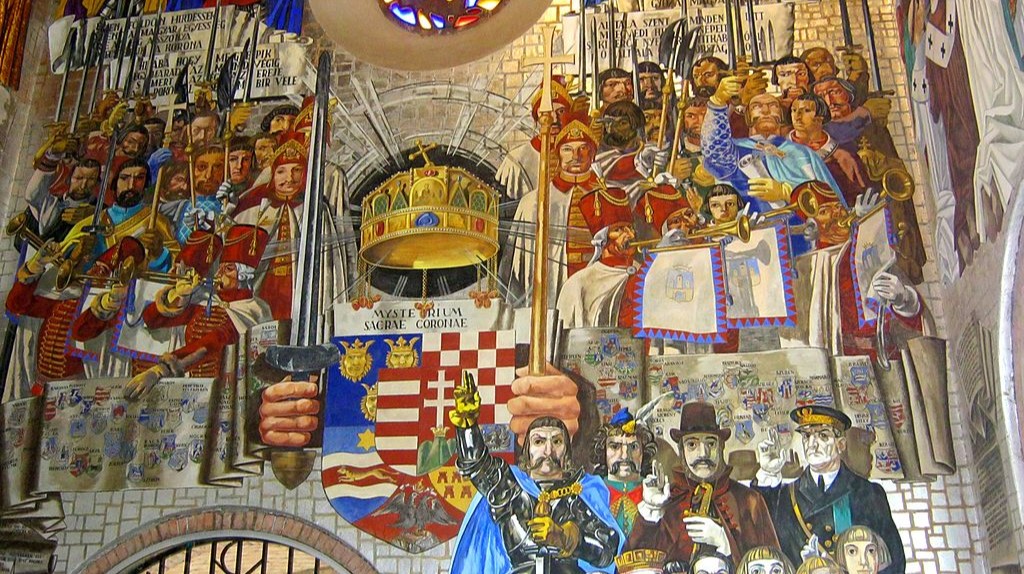
‘After the expulsion of the Turks, Fehérvár could not regain its medieval importance…It was the festive year of St Stephen in 1938 that restored the town to its status as the number one St Stephen’s memorial site. The newly completed ruin garden, the dedication of the royal tomb and, last but not least, the extraordinary session of the Parliament here which legislated the national holiday of 20 August made it a unique year in the life of the city.’
One of the most brilliant personalities of the 10–11th centuries fell victim to politics, only to discredit Gregory VII and the church reform. To do this, the lifework of Gerbert/Sylvester had to be ignored, and his unparalleled scientific achievements mocked and even made to look like the work of the devil.
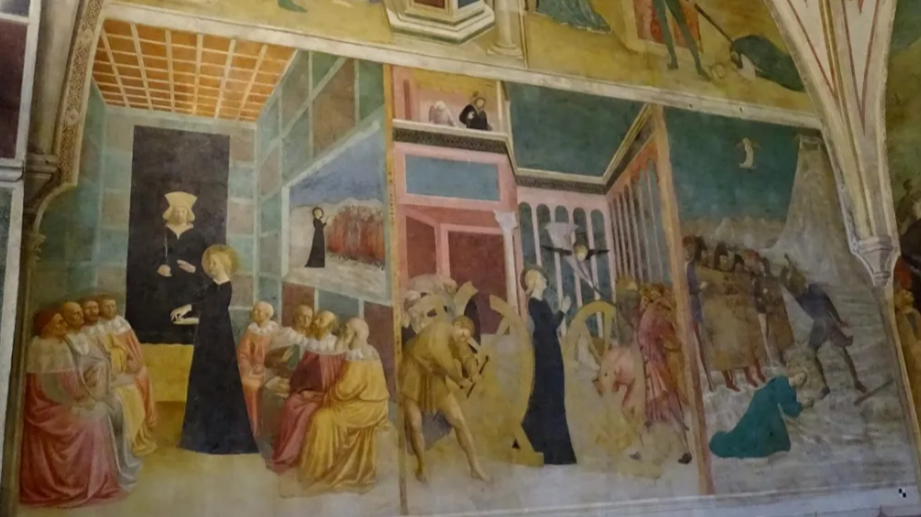
‘The importance of the Orthodox rite of St Catherine’s Monastery at the foot of the 2,300-metre Mount Sinai (Jebel Musa, also known as Horeb) in the Sinai Peninsula grew only after the loss of Jerusalem in 1187 and the fall of the Latin states in the Holy Land in 1291…It is the oldest monastery in the world to have survived in this way, where, among other things, the oldest 4th-century Greek-language manuscript of the Bible, the Codex Siniaticus, has also been preserved.’
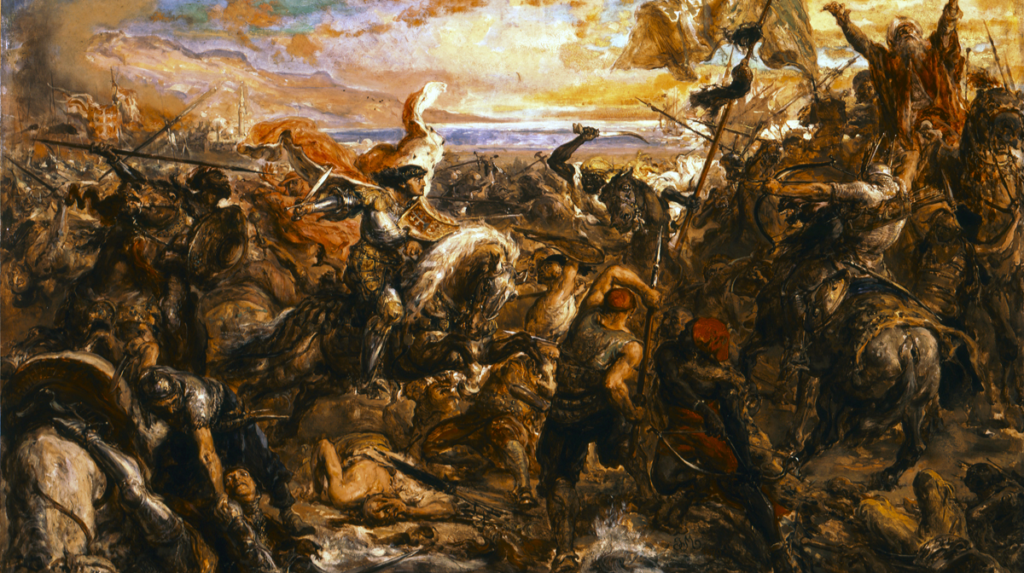
The campaign at Varna was one of the most important campaigns launched to repel the Turks, and it needed little to succeed…Varna opened the way to Byzantium, and thus nothing could prevent the Ottoman siege and fall of Constantinople in 1453.

At a time when public debate is increasingly polarized and superficial, Hungarian Conservative remains committed to depth and independent thought.
Donate Now
Please consider supporting our mission.