

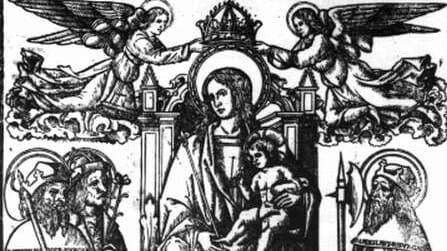

During the reign of King Stephen, the political aspect of the King’s devotion to Mary was only secondary and could be seen much more as the individual devotion of a fervent Christian believer to Mary. However, posterity took a different path and gave it national importance, being the basis for the Regnum Marianum idea of the 18th century.
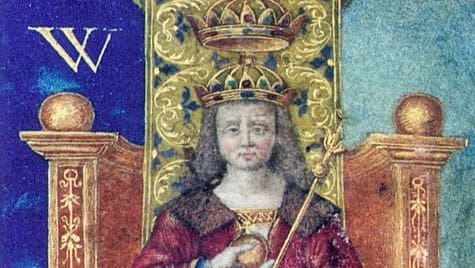
The contrast between the brilliant achievements of King Matthias Corvinus of Hungary and the inertia of the kingdom of the Jagiellonians is almost a cliché in Hungarian history. To this day, many seek the causes of the 1526 Mohács tragedy in the damaging reign of the weak Jagiellonians. However, more recent Hungarian and international historical research has taken a much more positive view of the Dynasty’s performance.
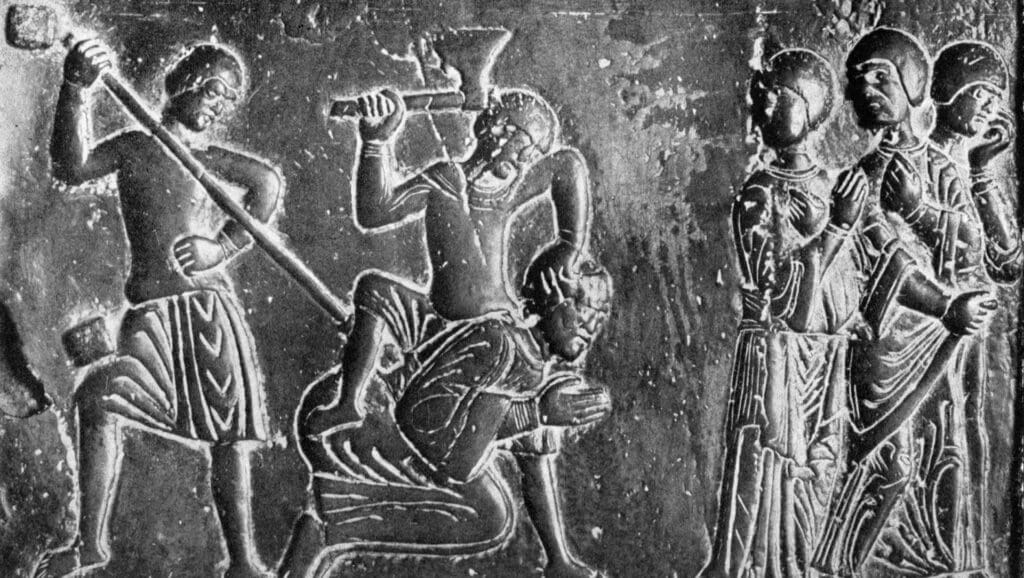
Politics permeated St Adalbert’s tragic life as much as the birth of the then-nascent and emerging states of Poland, Bohemia, and Hungary. That is the way Adalbert became the patron saint of all three Central and Eastern European Kingdoms, helping them to preserve their independence and join medieval Europe as autonomous Christian communities.
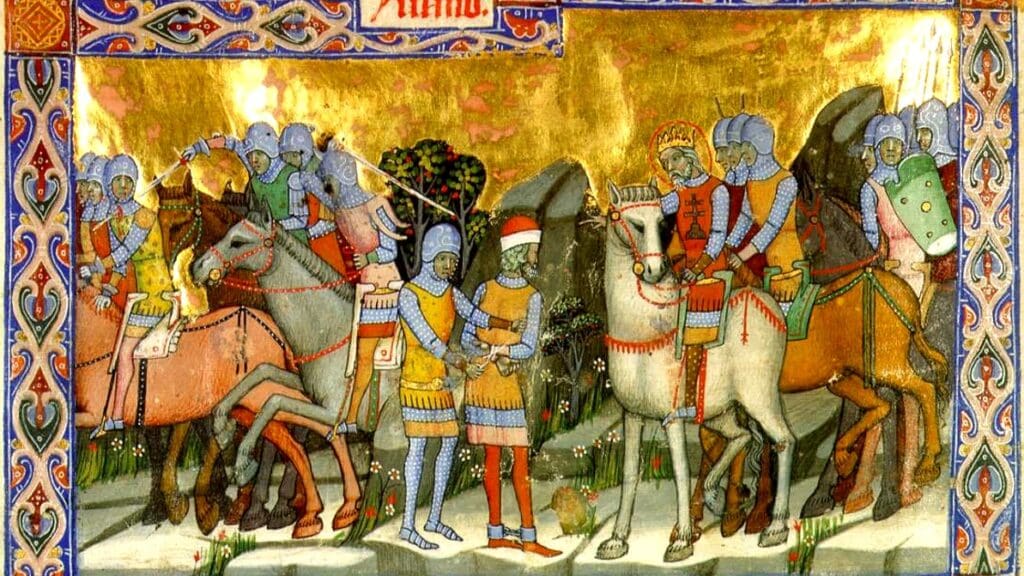
The modern reader might scoff at the medieval chronicler’s words about divine assistance, even dismiss it as gibberish, as he rather tries to find rational reasons for military victory. This attitude, however, fit in perfectly with medieval thinking, and the protagonists were fully convinced that their success or failure was due to the gaining or lack of heavenly support.
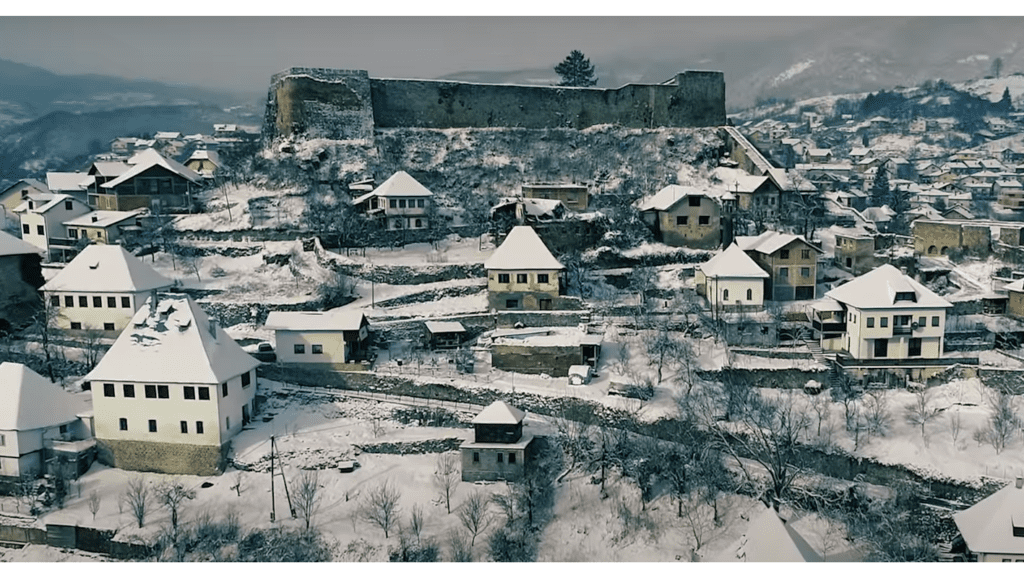
‘King Matthias of Hungary (r. 1458–1490) spent many years of his reign in the saddle. This was the case in 1463, 1467, and 1475, when he “celebrated” Christmas in Jajce in Bosnia, in Brașov after the Battle of Baia, and then in Belgrade after the siege of the Szabács Castle against the Ottomans.’
In the Hungarian memory, the Rákos assemblies have become a symbol of the freedom of the Hungarian nobility. The diets in Rákos, as well as the assemblies held in Pressburg (today’s Bratislava, Slovakia) after 1540, played no small role in ensuring that the unity of the country did not disappear after the Turkish rule and that the occupied parts of the country did not entirely break away from the Kingdom either.
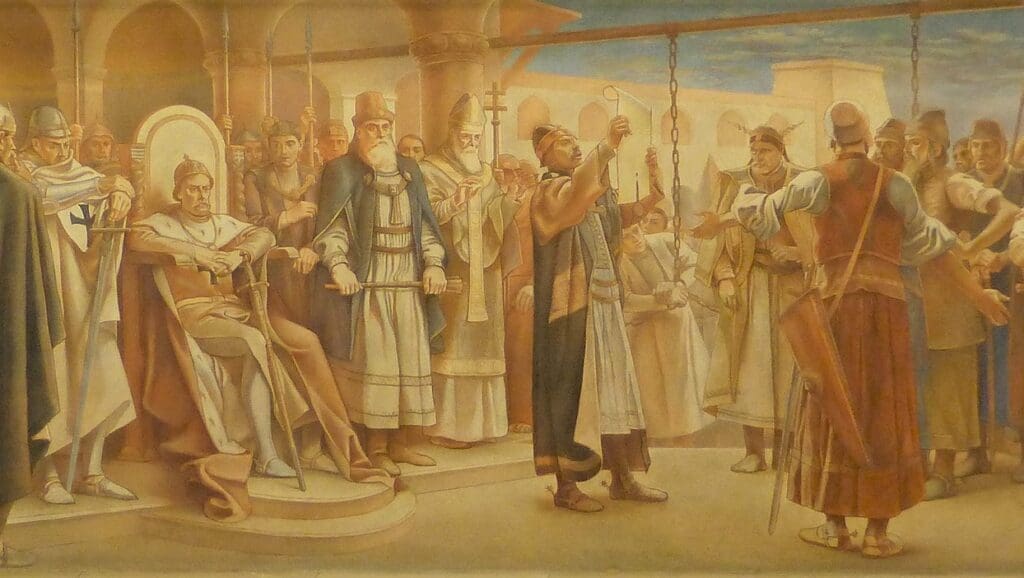
French historian René Grousset was the first in the international literature to show an understanding of the Crusade of Andrew II and many more continue to do so today. We do not see the campaign as successful because it was Hungarian, but because it was, in its time, a uniquely well-led, and, in our modern terms, ‘peace-making’ campaign with limited objectives.
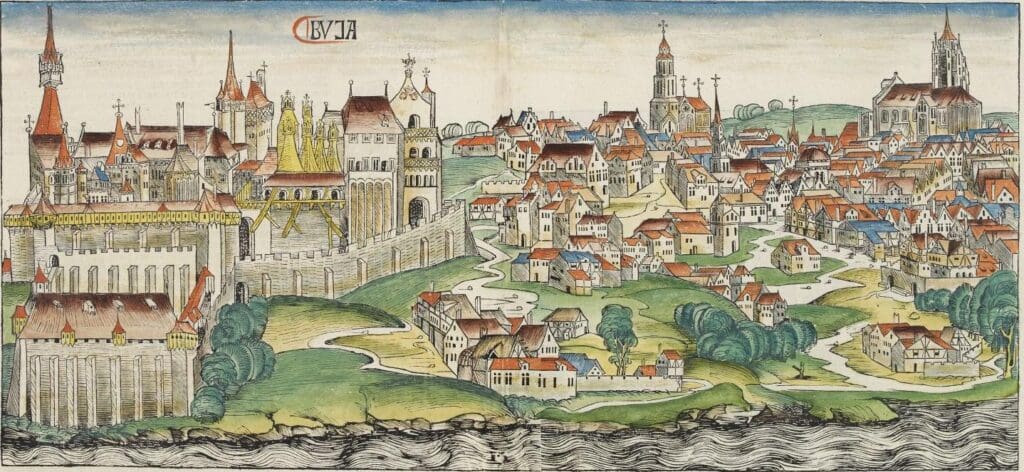
Today’s Budapest was created on 17 November 1873 by the merger of Pest on the left bank of the Danube and Buda and Óbuda on the right bank. The rich and tumultuous history of these settlements has been documented since the 11th century.
The Mariazell Basilica dedicated to the Virgin Mary is one of Austria’s most popular tourist attractions and a national pilgrimage site. Its foundation dates back to the mid-12th century, yet the construction and re-foundation of the present church in the 1370s was due to a generous donation from King Louis the Great of Hungary.
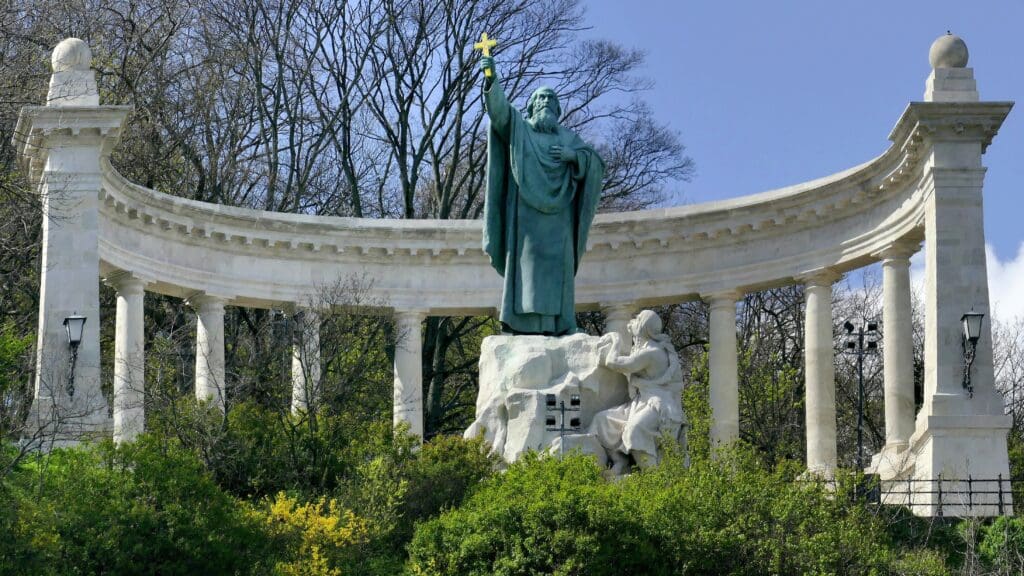
24 September is the Feast of St Gerard in the Hungarian Catholic Church. St Gerard’s cult is still very much alive in Hungary: in the Hungarian Defence Forces, he is the patron saint of technical troops, and because of his significant literary activity, he is the patron of Catholic schools and teachers.

At a time when public debate is increasingly polarized and superficial, Hungarian Conservative remains committed to depth and independent thought.
Donate Now
Please consider supporting our mission.