

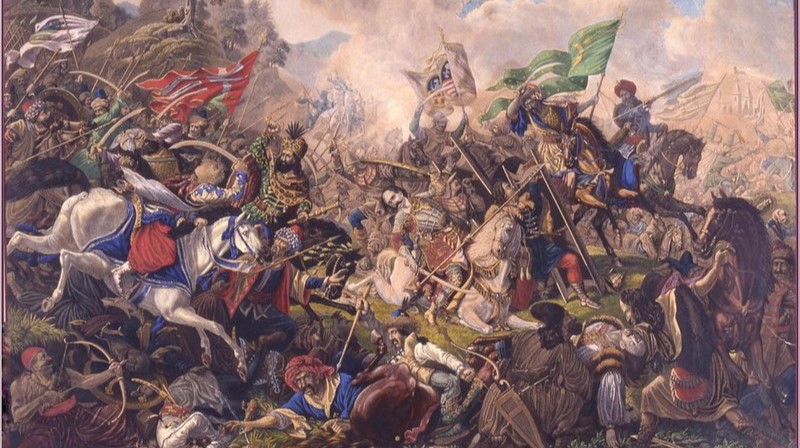
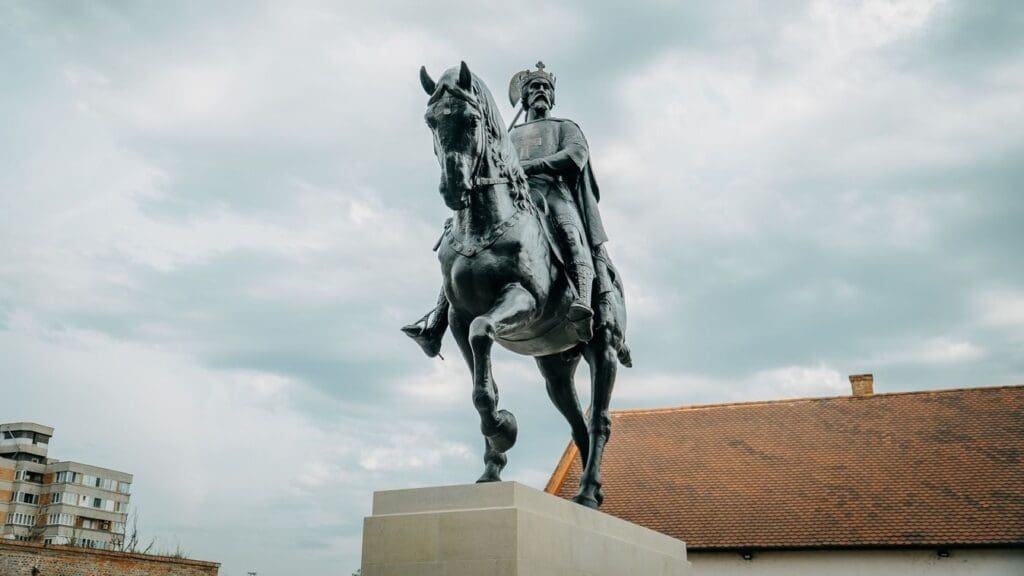
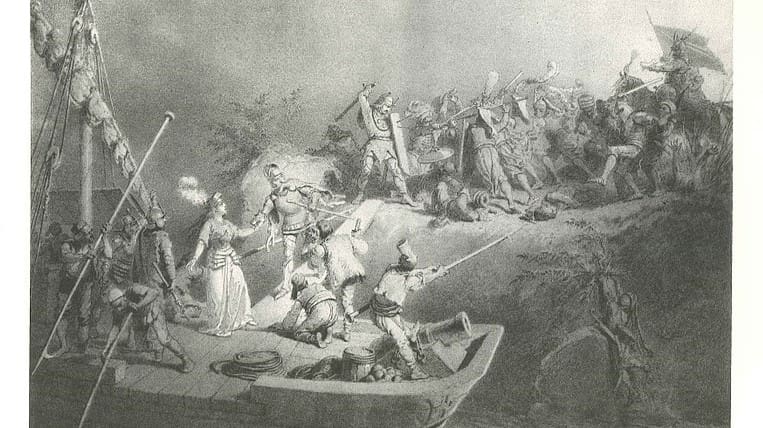
‘Hungary gave Western Europe time to prepare itself economically and militarily for centuries of struggle with the Turks. It is true, however, that Hungary projected the false impression that it alone could hold back the Turkish advance, which proved to be a tragic mistake. One thing is certain: the European public had much to be grateful for to the Hungarian armies of the time for these victories.’
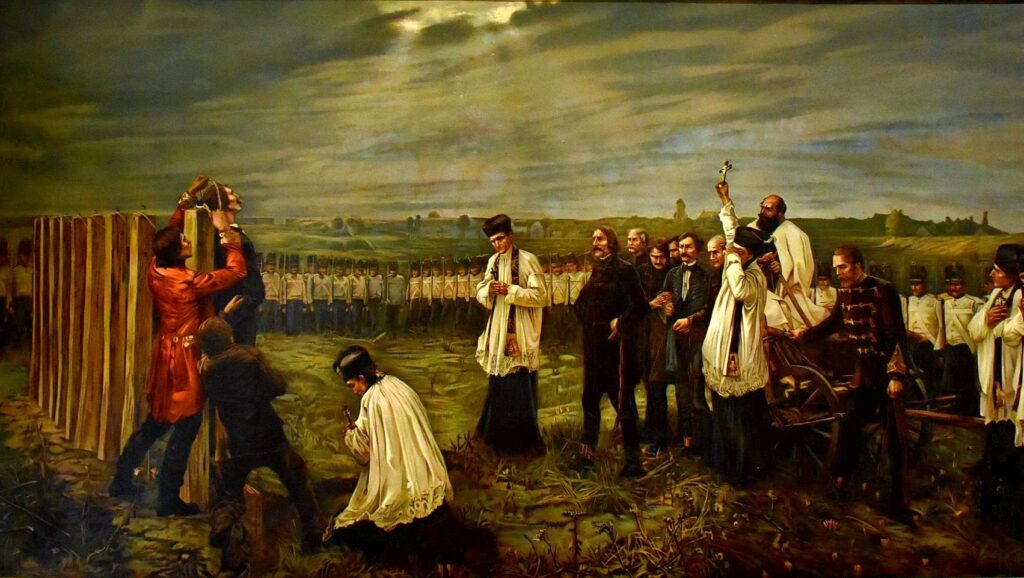
‘Among the executed were counts and commoners, descendants of Croatian and Serbian border guard families, imperial Germans, and native Armenians. Some were connected to the Hungarian cause by family ties, others by their unit or simply by their wealth and social status. But all of them were men who believed that once they had sworn an oath to the Hungarian constitution at the behest of the emperor, they had to defend that constitution—even against the emperor himself.’
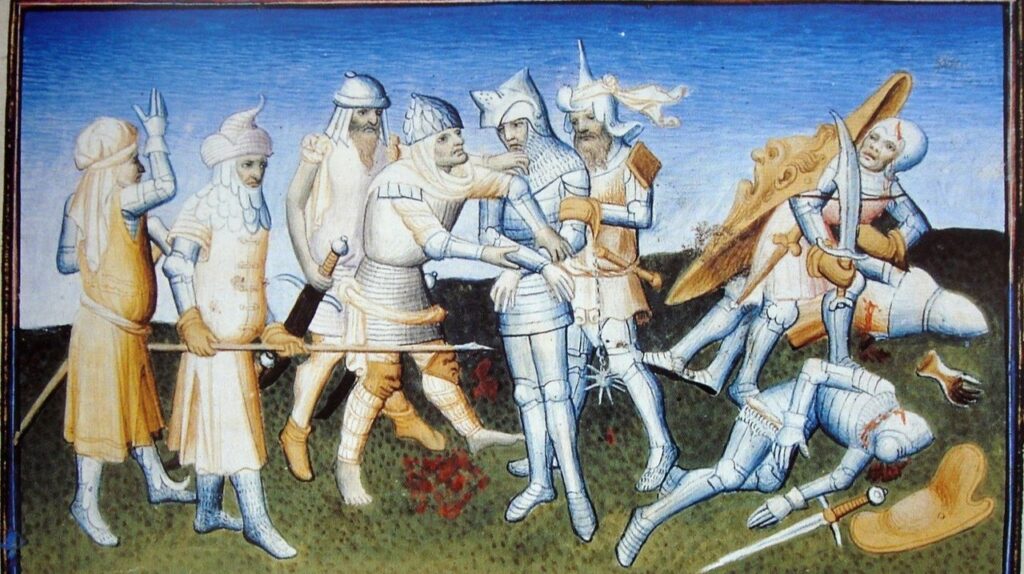
Mongol rule brought not only immense destruction and suffering to the peoples of the conquered territories but also peace, known in modern research as ‘pax Mongolica’. The period of the Mongol Empire (1206–1368) is unique in world history.
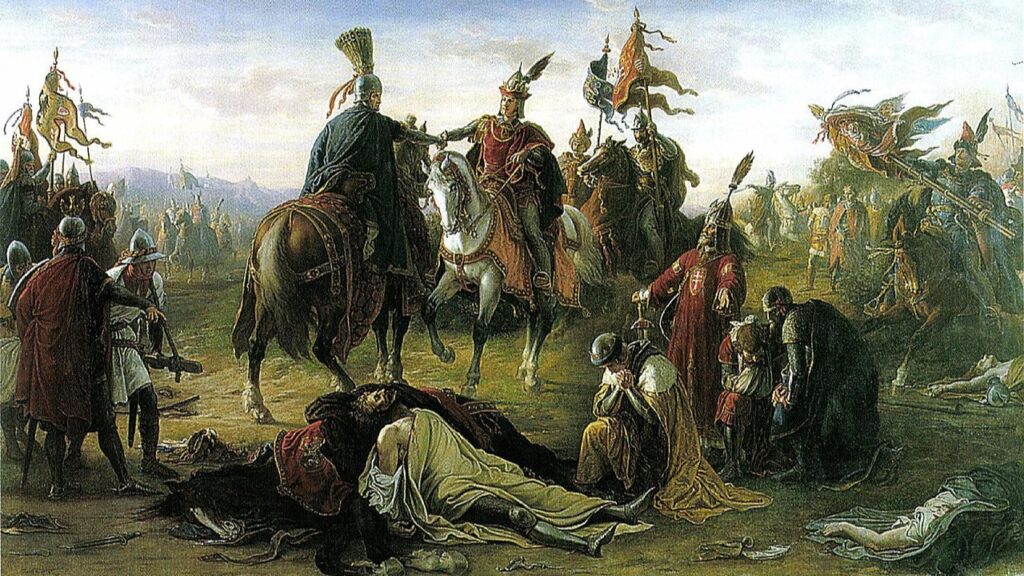
Although it must be acknowledged that King Rudolf of Germany owed his victory primarily to his perseverance and strategic talent, there is no doubt that the Hungarian auxiliaries compensated for the small size of his army and seriously confused the Bohemian King Ottokar II. It is highly probable that without the thousands of Hungarian auxiliaries, the German King would not have undertaken the clash at the time and place he did.
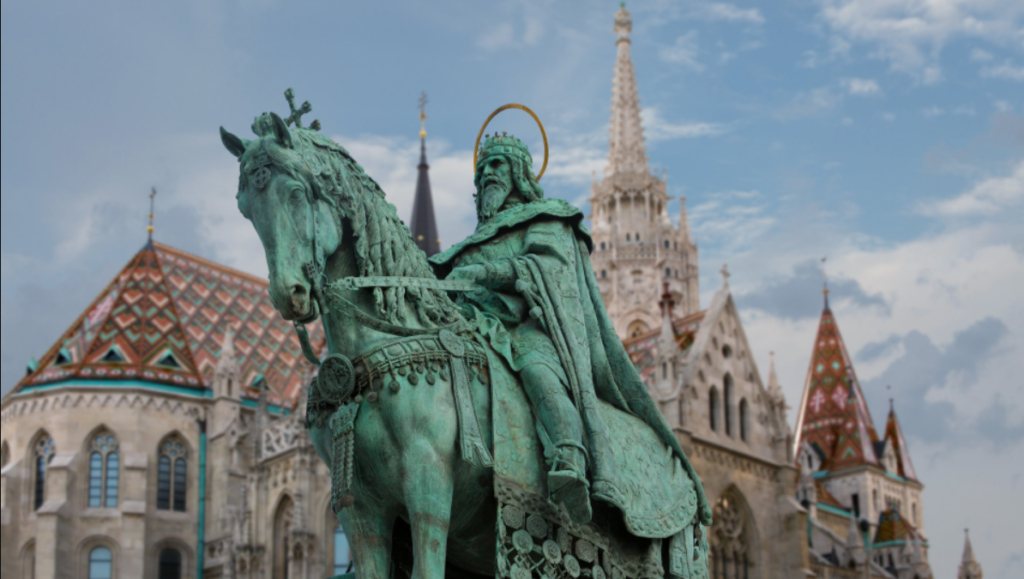
The foundation of the Hungarian State by King Stephen I created unprecedented stability in the Carpathian Basin, setting the region on the path of Western-style modernization and development.
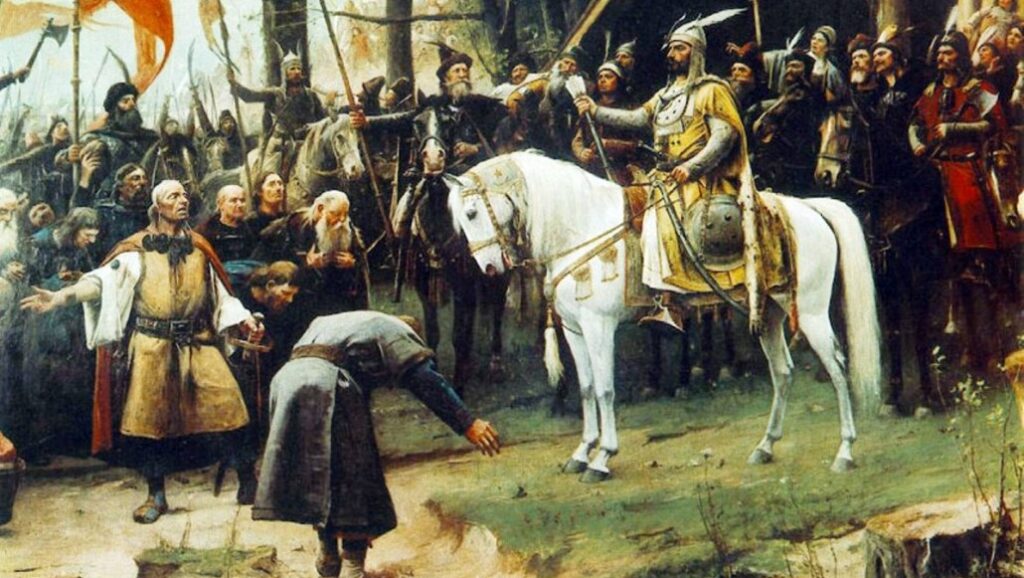
The Frankish–Moravian struggles that shattered the tranquillity of Pannonia, even before the arrival of the Hungarians, caused irreparable damage to the settlement structure and ecclesiastical institutions of the region, which were thus left in a state of collapse when the Hungarian conquest came. As a result, it took a good century for the new missions, with the birth of the Christian Kingdom of Hungary, to bring the region back into the Church once and for all.
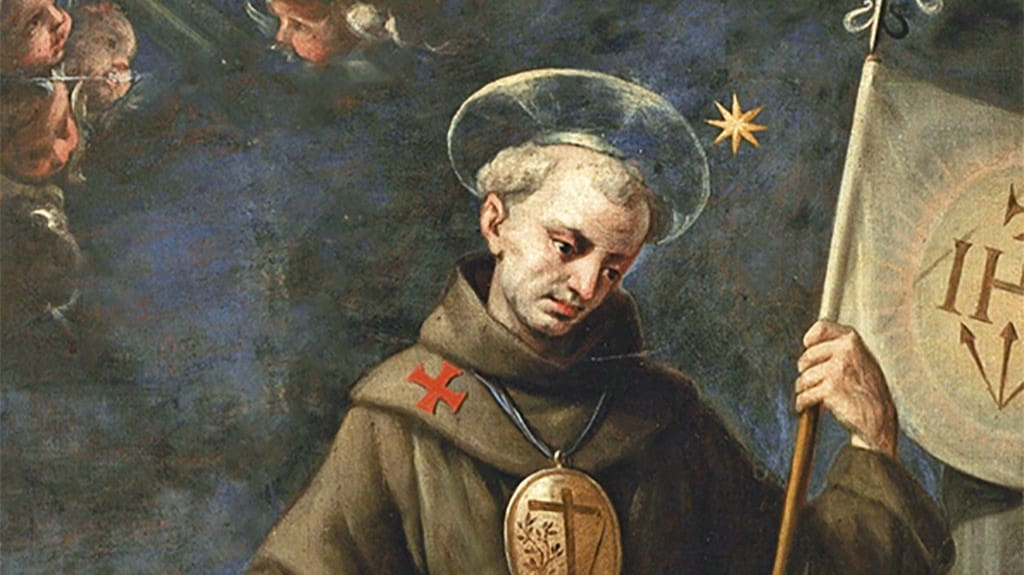
The crusader army numbering tens of thousands that St John of Capistrano recruited played an important role in the successful defence of the Fortress of Nándorfehérvár and in the battle that ended the siege. John Hunyadi would have been defeated at the fortress walls if Capistrano had not attacked the Ottoman camp with his crusaders on 21 July.
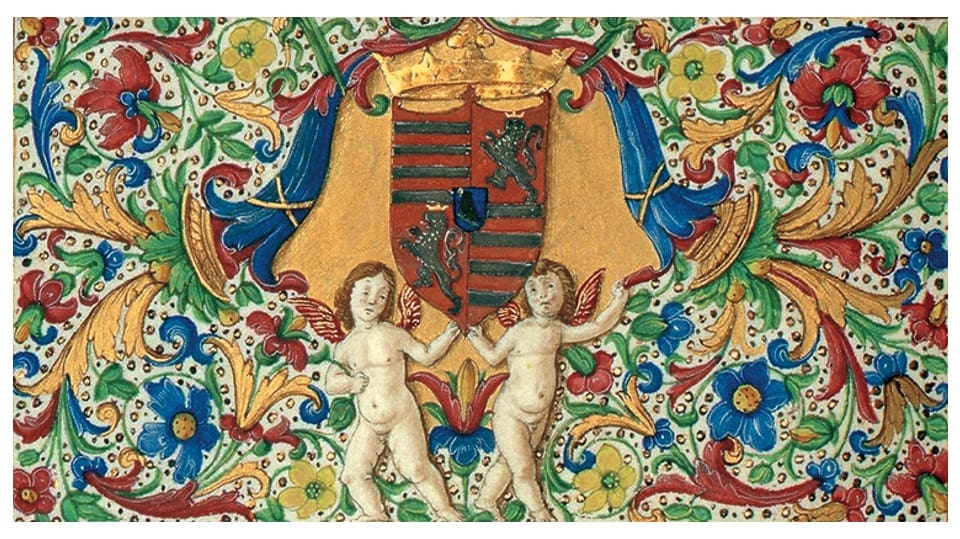
‘Their book collections were also incorporated into King Matthias’ library, now known as the Bibliotheca Corviniana. This can be considered the first royal library to be consciously established and developed. It began to flourish especially after Matthias’ marriage to Beatrix, daughter of the King of Naples (1476). The queens always had prayer books for personal use, the possession of which was part of being a pious queen. However, the educated Beatrix completely transformed the court of Buda, and in her wake came the great representatives of the Italian Renaissance.’
‘The first units of the First Crusade, and then the main army led by Godfrey of Bouillon, did cross the Hungarian Kingdom, but by then King Coloman was on the throne, the successor of Ladislaus. It was also well known that the only Hungarian-led crusade to the Holy Land was launched in 1217 under King Andrew II. Yet Hungarian medieval narrative sources record one more. They tell an interesting and controversial story about King Saint Ladislaus…Given the fact that the Hungarian king died on 29 July 1095, almost half a year before the first Crusade was announced at the Council of Clermont in November 1095, modern scholarship quickly lost confidence in the historicity of the account.’
Galambóc (Golubac in today’s Serbia), still an imposing fortress on the banks of the lower Danube section, first appears in the annals of history when Turkish invasions approached and even reached the former borders of Hungary. King Sigismund, however, is not usually praised in military historical literature for the siege of Galambóc, although he acted with great foresight and care.

At a time when public debate is increasingly polarized and superficial, Hungarian Conservative remains committed to depth and independent thought.
Donate Now
Please consider supporting our mission.