

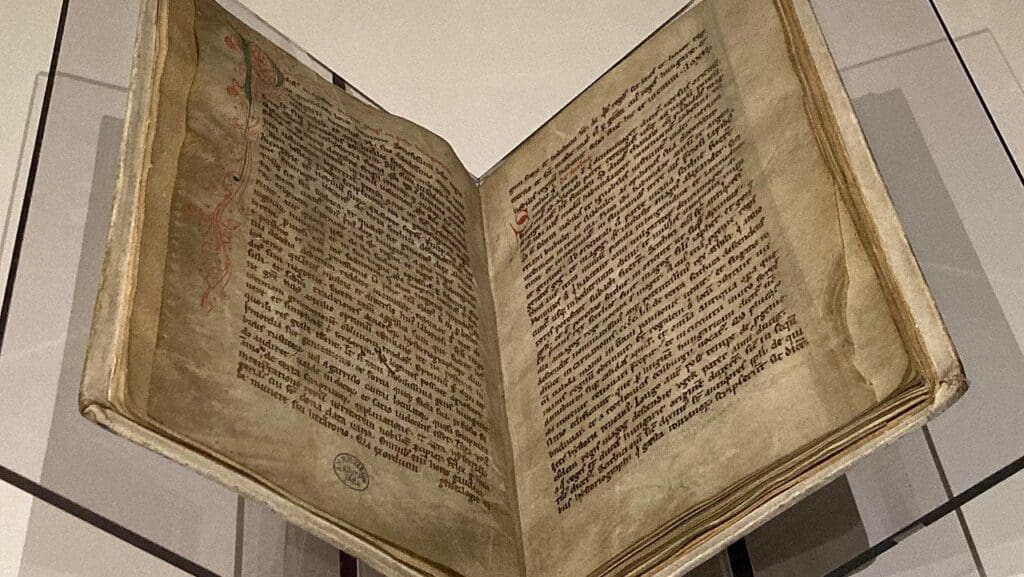

Despite all the uncertainties, the chronicle written by Master P., or as he is known to many because of the obscurity of his person since its discovery, Anonymus, has been one of the most important documents of the search for Hungarian historical consciousness and identity.
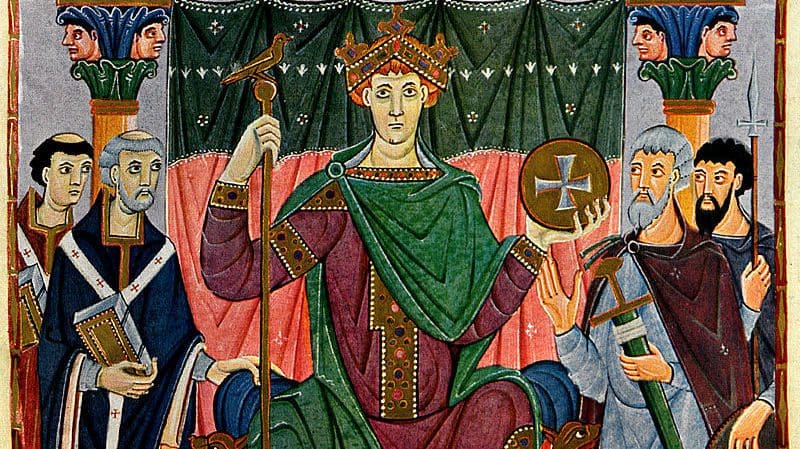
The year 1000 is not only memorable for Hungarians: at the turn of the first millennium, unexpected events took place in the whole of Europe, including on the fringes of the continent barely touched by Latin Christianity, in Poland and Hungary, where Christian conversion had been going on for years.
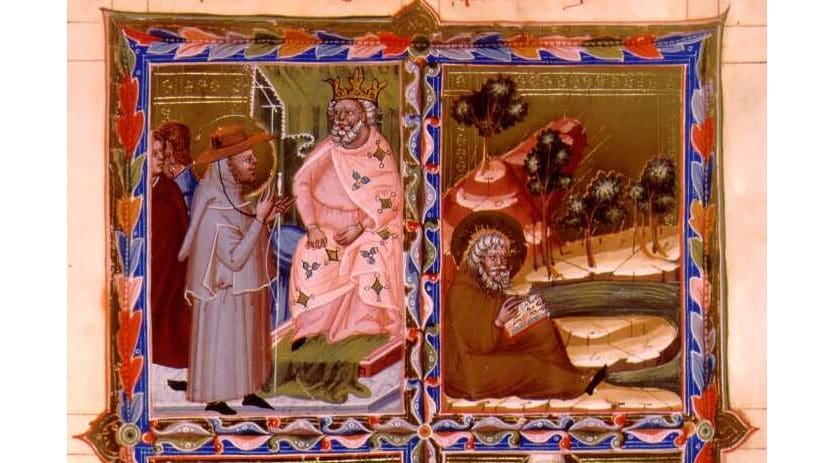
Surprisingly, the earliest royal secular knightly order in Europe was founded in 1326 in Hungary, a country just emerging from civil war, by King Charles I, in honour of St George, the patron saint of knights since the crusades.
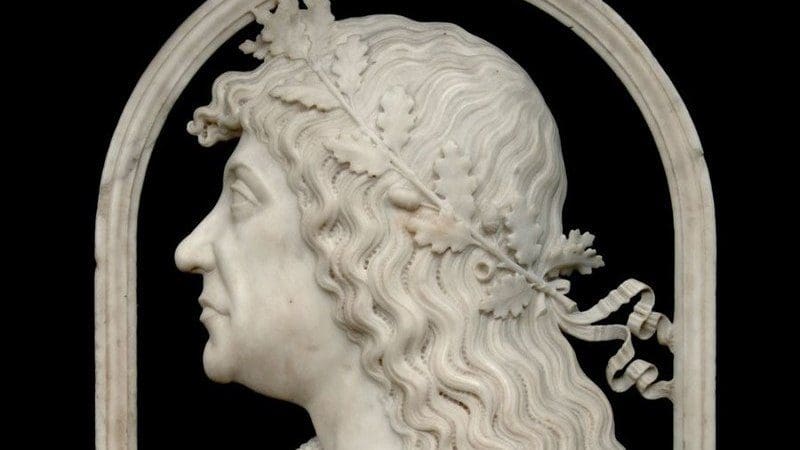
His courtly representation, international Gothicism, and the reception of the Renaissance in Hungary can be considered Matthias’ most brilliant achievements, which were also highly appreciated by his contemporaries. It is undoubtedly a unique phenomenon of 15th-century Hungarian history that the Italian Renaissance had such a great impact in the country.
‘The significance pilgrimages had in terms of building clerical and diplomatic relations cannot be overlooked either. A whole slew of abbots, bishops, future archbishops, historians, poets, theological thinkers, and monks later canonised as saints visited Hungary. They brought highly cherished relics, luxury items of the East, and—not least—news with them.’
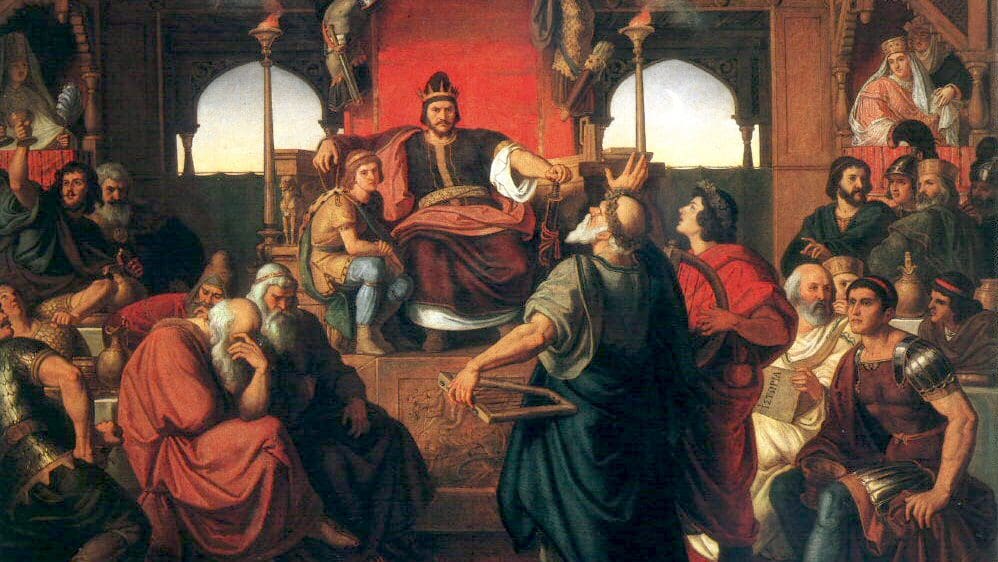
What is extraordinary about the image of Attila as a ‘Hungarian King’ is not that it has evolved, but rather that it has expanded into a system of arguments with daily political impact, and although it has undergone significant changes, it has survived the 21st century.
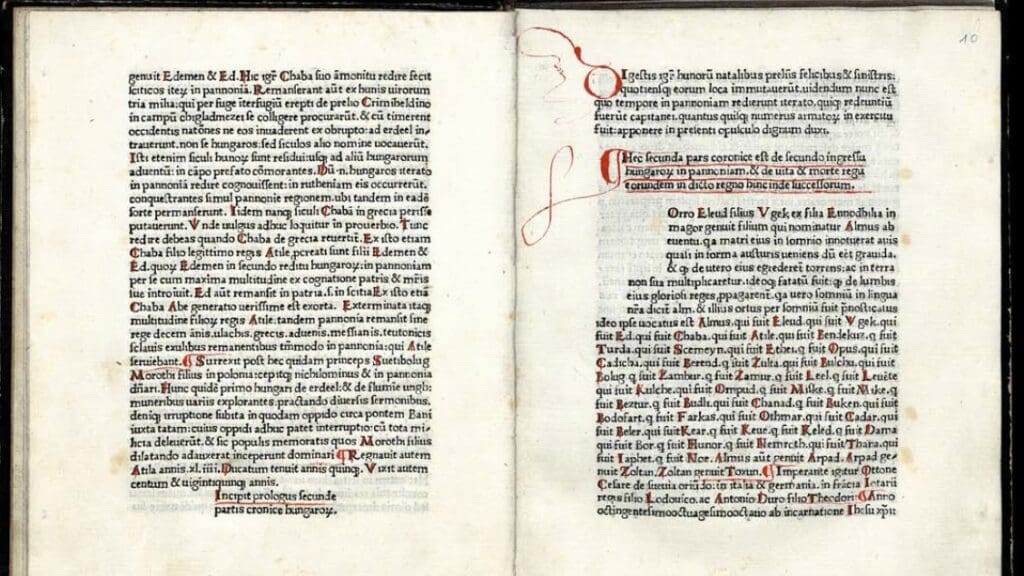
The year 1473 seems incredibly early for printing in several respects, as north of the Nuremberg–Augsburg–Venice line and east of the Rhine–Main line, book printing was not yet feasible at the time. In addition, it was no less rare for a nation’s history to be printed either—the Buda Chronicle, the first printed book in Hungary by 15th-century printer Andreas Hess, can be considered the second of its kind in the whole world.
In the last decade, archaeological, archaeogenetic, and historical research into the prehistory and early history of the Magyars has produced results not seen in a long time. The Battle of Pressburg, which often provoked extreme reactions and became a real media event, also played a decisive role in this—of course, in a positive sense.
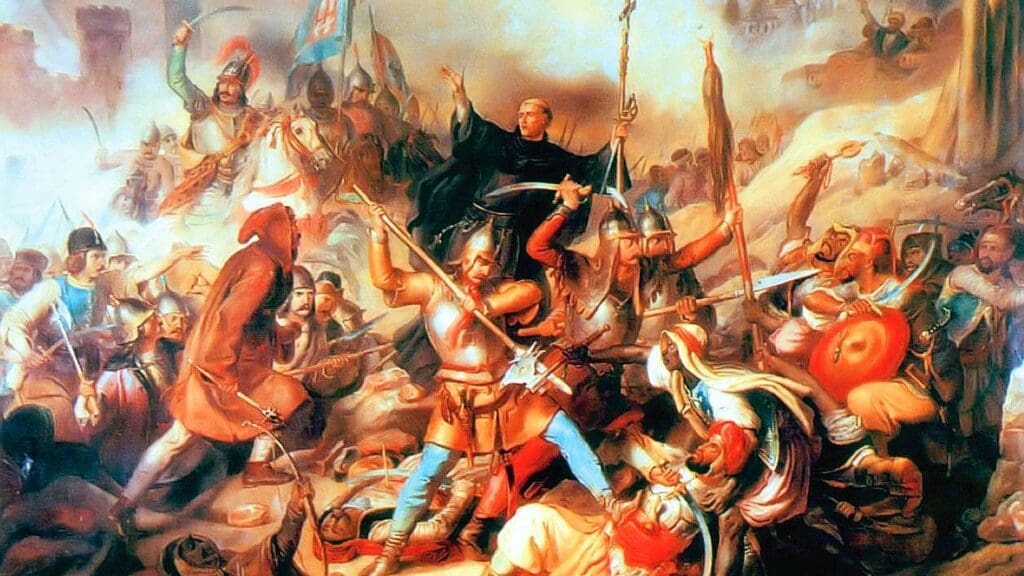
The concept of the ‘Bulwark of Christendom’ appeared in all border areas where two civilisations and religions came into contact. However, the conscious and regular use of the term is linked to the Italian humanists of the 15th-century Renaissance, who greatly contributed to the formation of the modern image of Europe.
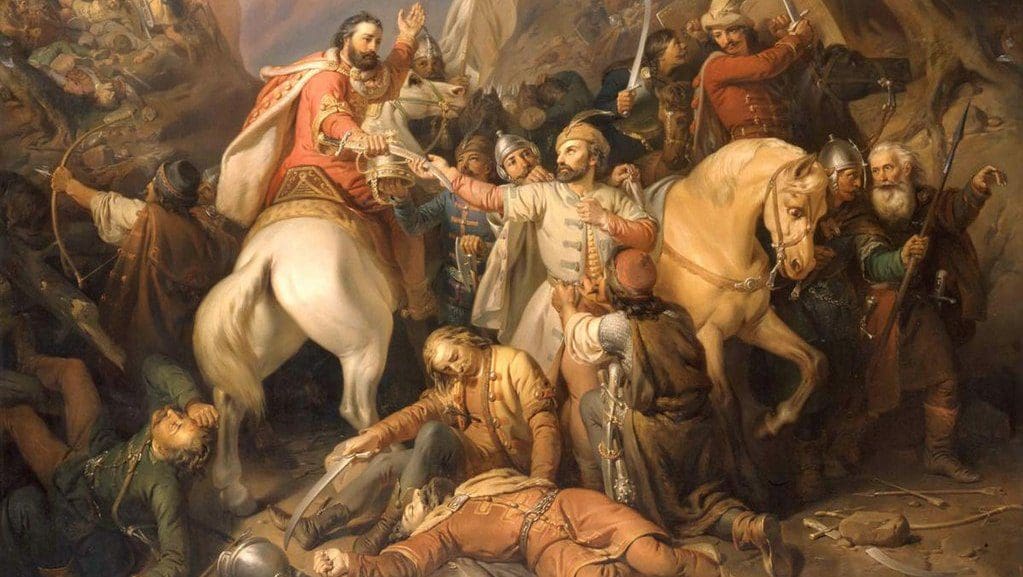
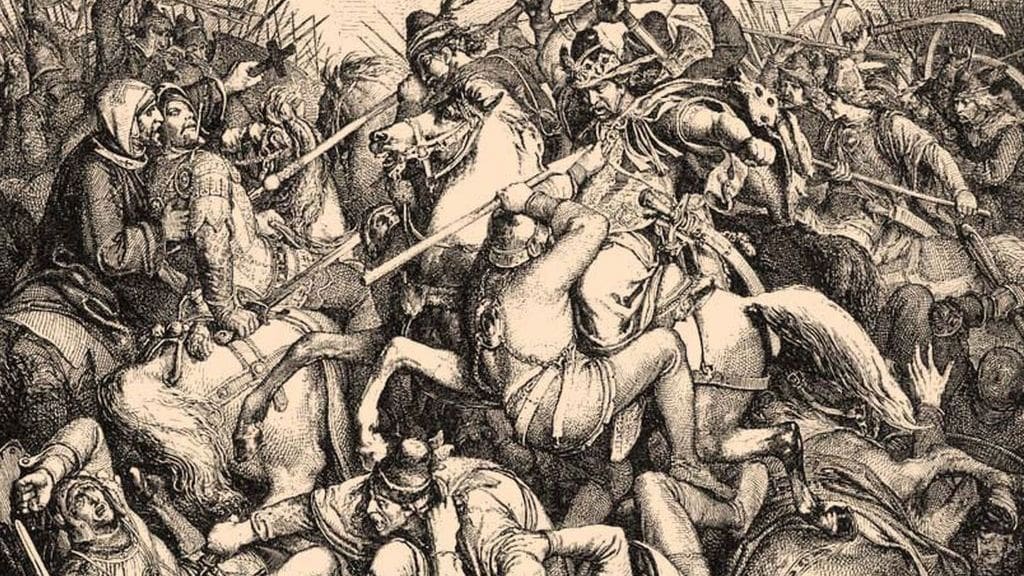
The image of Dózsa in Hungary has undergone so many metamorphoses that it would be difficult to link it to a single political trend or party. He could fit the role of a national hero who took up arms against the Turks under the banner of the Cross blessed by the Pope; a ‘martyr of the proletarian movement’; and a victim warning against the retaliation after the Revolution of 1956 all at once.

At a time when public debate is increasingly polarized and superficial, Hungarian Conservative remains committed to depth and independent thought.
Donate Now
Please consider supporting our mission.