

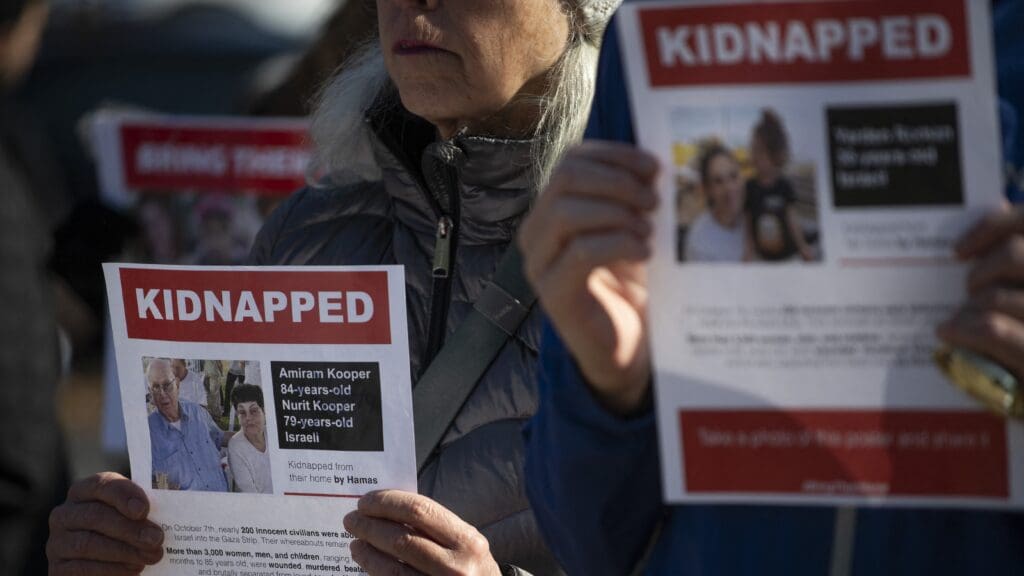




There is a group of people who will demand photos of Jewish victims and then, when they get them, rejoice in the fact of the killings. Meanwhile, one cannot forget that there is obviously a benign, uninformed majority that can be persuaded by either side, and Israel must not give up the possibility of persuasion.
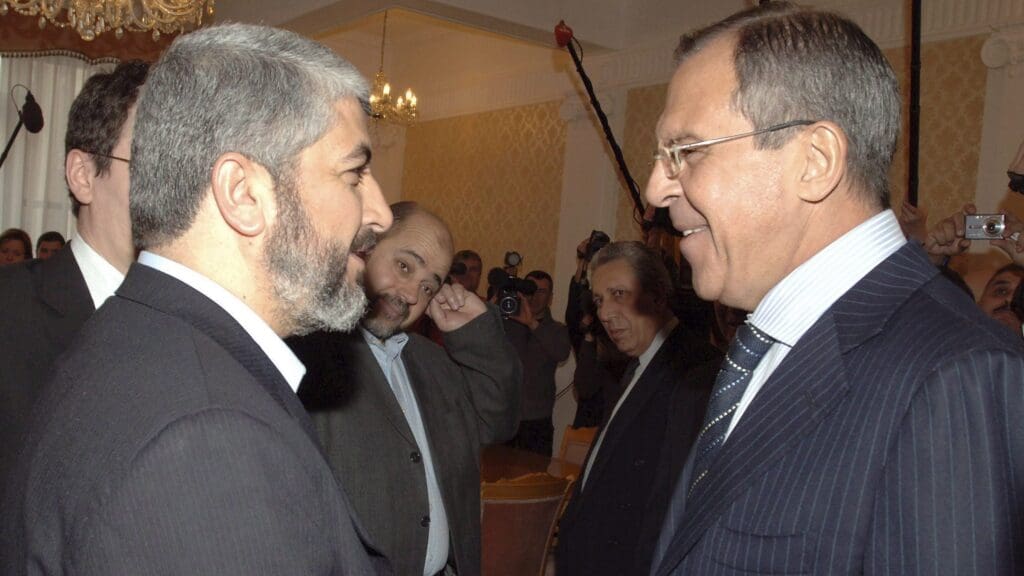
Moscow has failed to condemn the 7 October Hamas attack as terrorism, and Putin has likened the Gaza blockade by Israel to the siege of Leningrad by Nazi Germany, effectively poisoning the previously amicable Russia–Israel relations.
Although a defining part of Netanyahu’s image is that of ‘Mr Security’, and he has even been nicknamed ‘King Bibi’, the spectacular fiasco of a 1997 Mossad operation he had ordered also earned him the epithet ‘Israel’s serial bungler’.
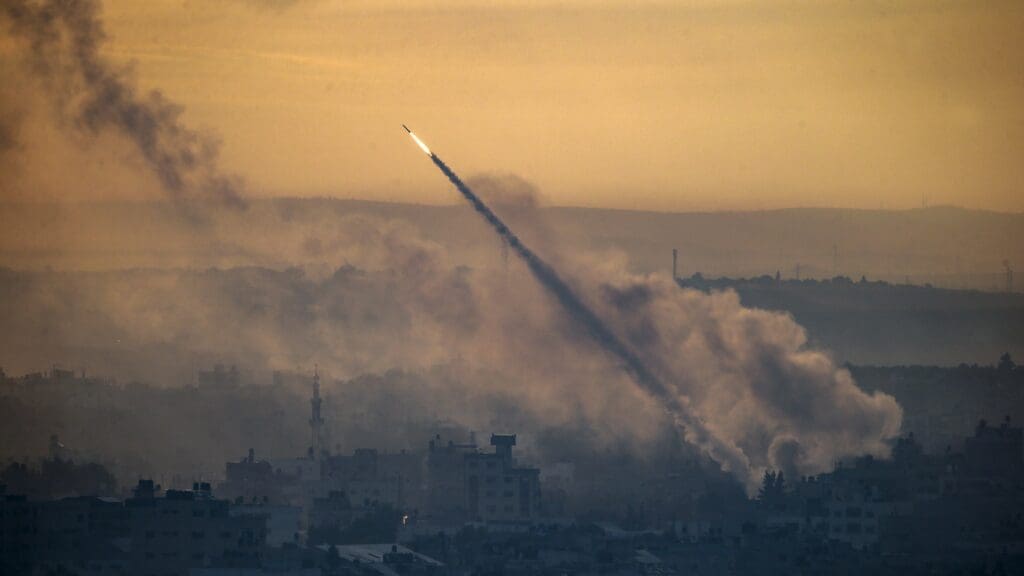
Can Netanyahu survive as prime minister in the wake of the Hamas attack? Are Jews really safer in Israel today than in the Diaspora? Hard questions that need to be asked.
The anti-Zionist Orthodox Jews demonstrating in New York are therefore not necessarily a curiosity. They are representatives of an old and historically legitimate school of thought, albeit completely marginalized and despised in their own religious milieu as well. Their presence simply demonstrates that Judaism is diverse, that there are all kinds of trends within it, and that it is not possible to treat this community as a single monolith.
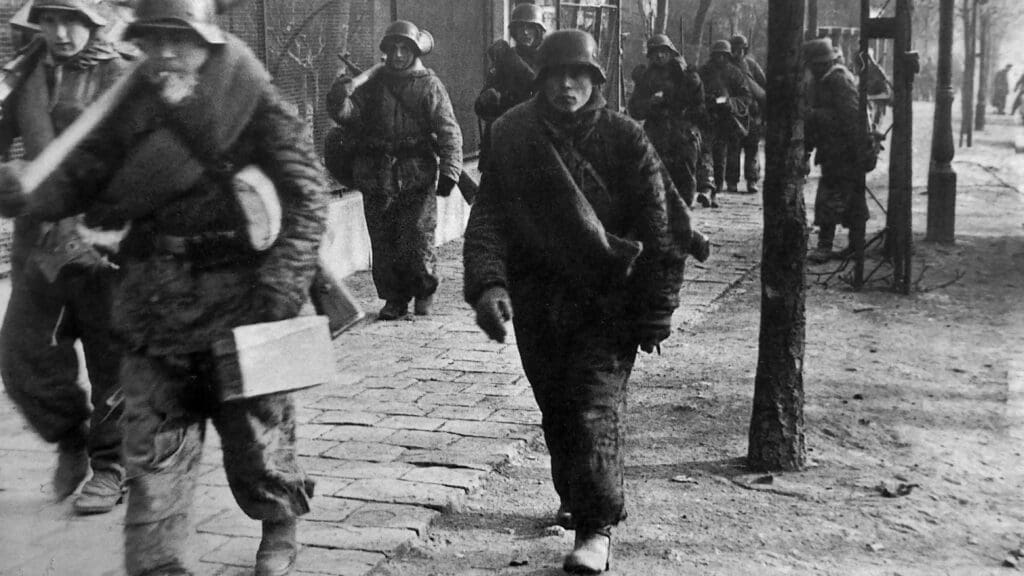
On 15 October 1944, Horthy made an unsuccessful attempt to exit the Second World War. The operation failed due to a number of reasons: the resistance of some officers of the Royal Hungarian Army, organisational mistakes and pre-emptive actions by the Nazi secret service. Horthy was soon forced to resign.
‘These recent bloody events—and the videos of Arab crowds celebrating them, not just in Gaza, but in Europe too—show perfectly what a significant part of the Muslim Arab world thinks about the issue. The problem is not that Israel is ‘running the world’s largest concentration camp’ in Gaza (a distasteful and debatable claim in the first place, but let’s not go into that now). This conflict existed before the majority of people alive today were born.’
The work of Gombos, both as a writer and a literary historian, is still undeservedly understudied. As one of his admirers quite aptly wrote of him: ‘His place in the hierarchy of “populist” thinkers and writers is not in the second, but in the first rank, in the company of those whose intellectual and creative achievements can be considered particularly valuable and significant.’
The extreme judgements about Begin have often been motivated by political ambitions and therefore do not help historical clarity. 110 years after his birth it is time to appreciate his values while not turning a blind eye to his flaws either.
Faludy, one of the greatest Hungarian poets and literary translators of the 20th century, never really found his place in any system; he sooner or later became a nuisance to everyone, and even if sometimes made compromises, always did so provocatively, originally and with talent.

At a time when public debate is increasingly polarized and superficial, Hungarian Conservative remains committed to depth and independent thought.
Donate Now
Please consider supporting our mission.