


‘Although the seemingly insurmountable challenge of these rapid changes may make us justifiably depressed, we need to think about the future of our children. Although they didn’t choose these changes, it is their lives that will be shaped by the processes that are starting now. It is up to us to make our voices heard—and the EP and Hungarian municipal elections will be a good opportunity to do so.’
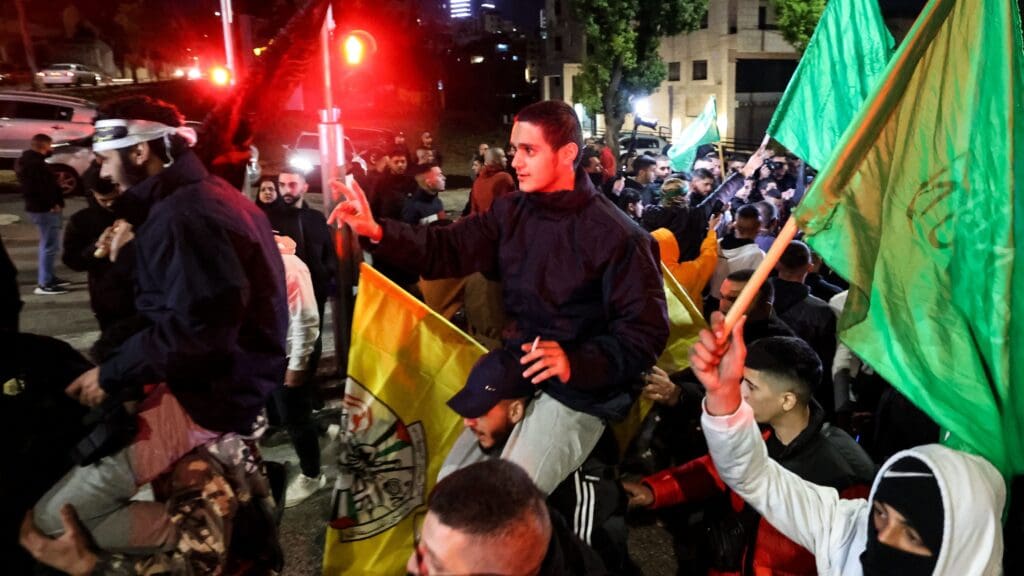
‘The progressive side has created a “Jewish question”. The left has discovered the concept of race, merged it with other dimensions of oppression (class, gender), and now they have made the Jews into a new oppressive caste alongside Christian Protestants. After 1967 they focused only on “Zionists” and “Israelis”; now the Jews of the diaspora are the opponents. They don’t even hide their intentions, attacking synagogues, looking for “enemies” who “look Jewish” in the classrooms and in the corridors. The attacks have nothing to do with Israel: they are intended to intimidate the Jewish American community.’
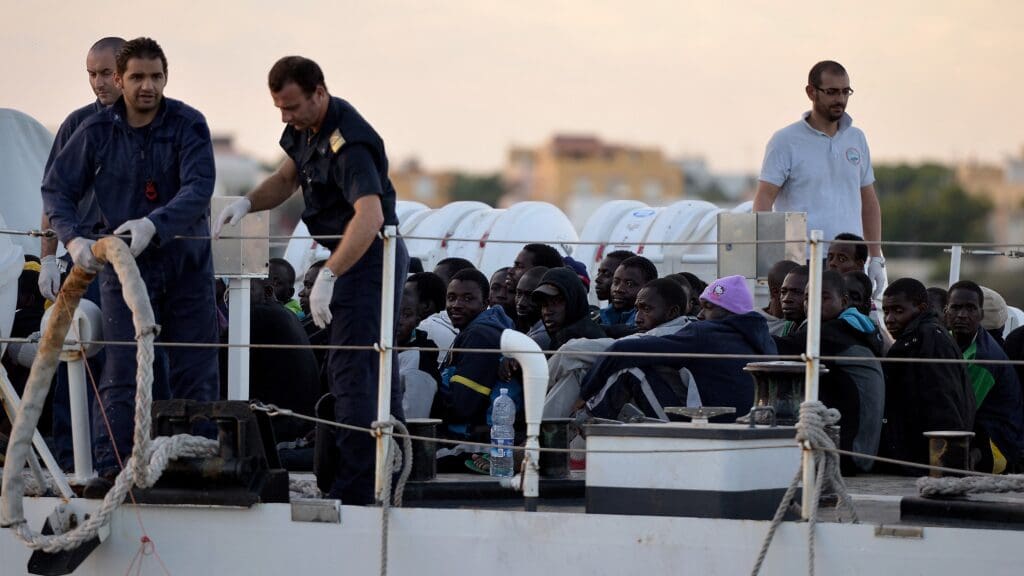
‘Our continent is effectively under siege—we can see that if we are willing to move away from the narratives that interpret migration solely as a ‘refugee issue’ and acknowledge that mass migration can also be a tool for terrorism and destabilization. The number of irregular migrants arriving in the Canary Islands more than tripled in January this year compared to the previous year. Germany is overwhelmed. Reception capacity was already exceeded in 2023, when 330,000 asylum applications were submitted in just a year, mostly from Muslim countries.’
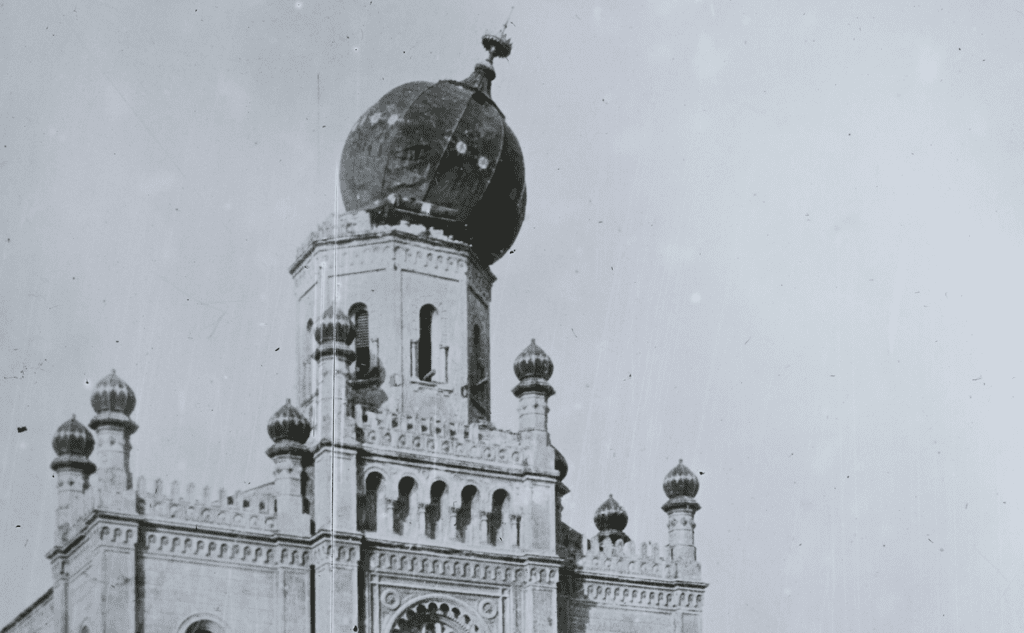
Gábor Deutsch, the staunchly anti-communist Chief Rabbi of Devecser, wrote a study on Judaism and Bolshevism published in 1937 in which his aim was ‘to prove, point by point, that the classical revelations of the Jewish religious ethos, the Scriptures and the Talmud are opposed sharply to the basic doctrines of Bolshevism’. On 4 July 1944 he was transported to Auschwitz, from where he never returned.
Many examples of resistance to the Nazis were cited by the national committees after the Soviet occupation, in the people’s prosecutors cases and the people’s tribunal cases as well. These materials still need to be explored by Hungarian historians.
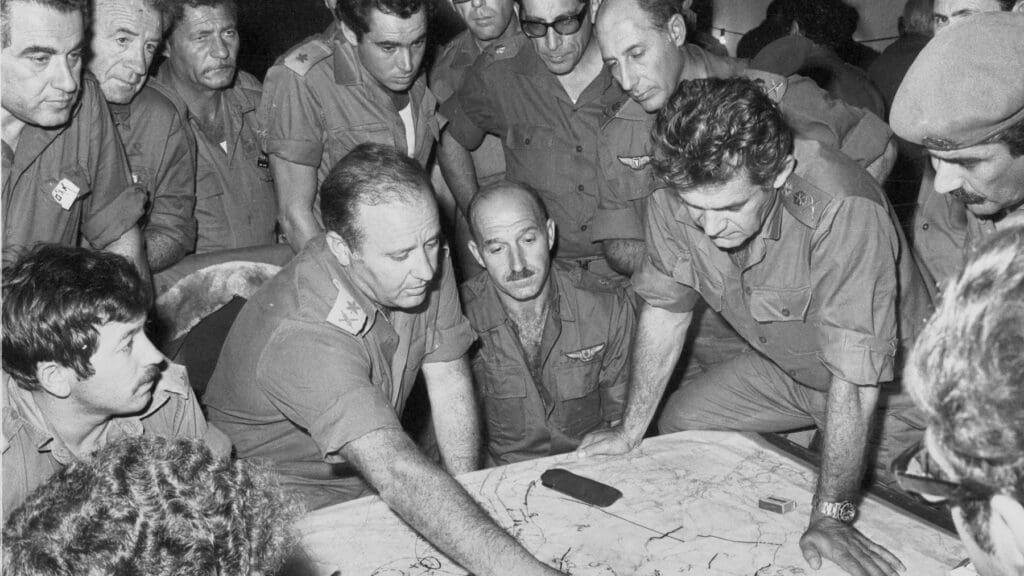
In this article, historian László Bernát Veszprémy recounts the story of three Israeli prime ministers who resigned as a result of military debacles that happened under their leadership.
The booklet takes an in-depth look at the European phenomenon of migration, from the number of border crossings and the attitudes of the Hungarian society towards immigration to the V4 and their stance on migration. It also delves into the situation Mediterranean EU Member States find themselves in the current crisis, as well as the role of Turkey in tackling the migration waves and the security challenges posed by them.
Israel has not only released many prisoners in the past in exchange for living soldiers, such as Gilad Shalit in 2011, but the abduction of Israeli corpses has also proven to be a ‘fruitful venture’ for terrorists. In the Jewish religion, dead bodies are highly revered, and attempts are always made to bury them as soon as possible.
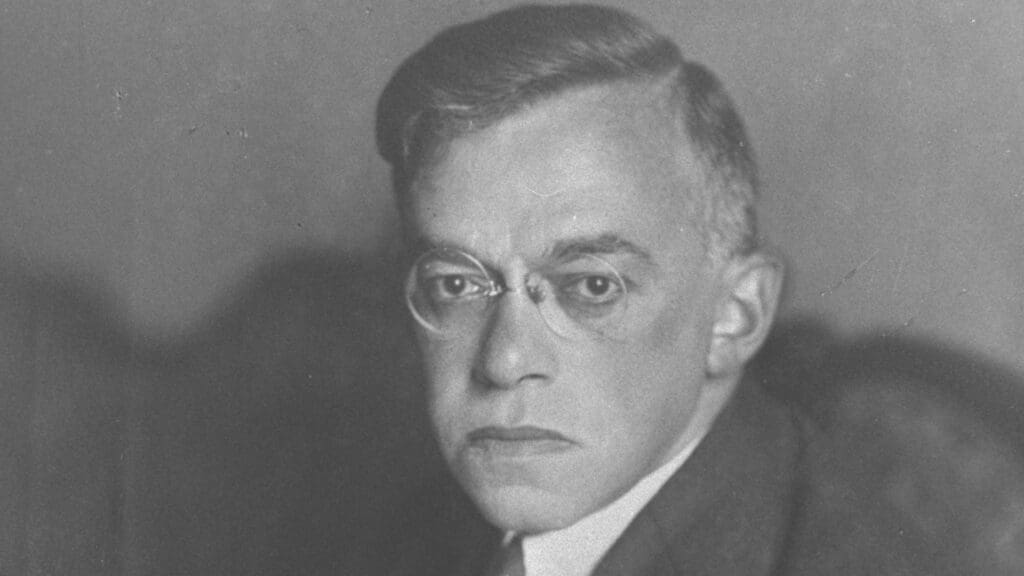
Jabotinsky was an old-fashioned nineteenth-century national liberal and a committed democrat, but it is still a matter of debate whether the same can be said of his supporters. The Zionist writer described his early worldview as ‘liberal anarchy’ in which ‘every individual is [worth as much as] a king’. The free market, freedom of the press, equality for women and respect for minority rights were fundamental tenets of his thinking. But there is good reason why there is an intense historiographical debate concerning Jabotinsky’s views.
‘What better explains the atrocities committed: coercion or the individual’s capacity or inclination for cruelty? Perhaps both, but to varying proportions.’ Author and historian László Borhi points out in his 2022 book The Strategies of Survival that, in his research, it was not always possible to draw a clear line between the different roles. ‘Several were convicted of collaborating with the Nazis and collaborating in atrocities, while other witnesses claimed that the person in question saved their lives’.

At a time when public debate is increasingly polarized and superficial, Hungarian Conservative remains committed to depth and independent thought.
Donate Now
Please consider supporting our mission.