

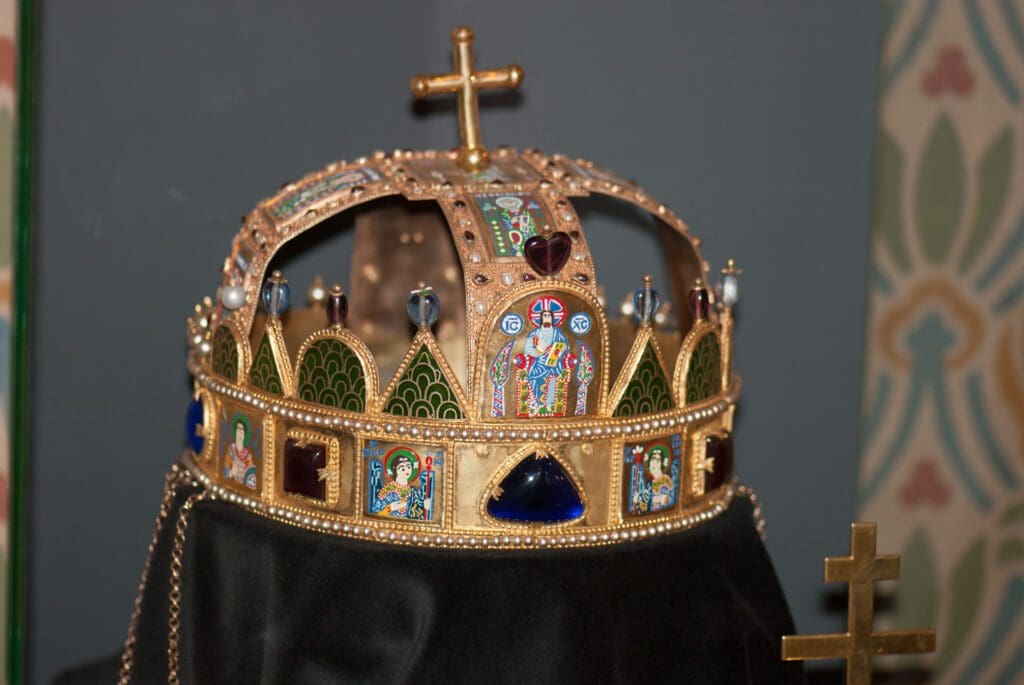
When it became evident that the War of Independence was lost, Prime Minister Bertalan Szemere and his men buried the Holy Crown and the other coronation regalia near Orsova (Orșova) in August 1849, to prevent the Habsburgs from laying their hands on them. The crown jewels were only found in September 1853.
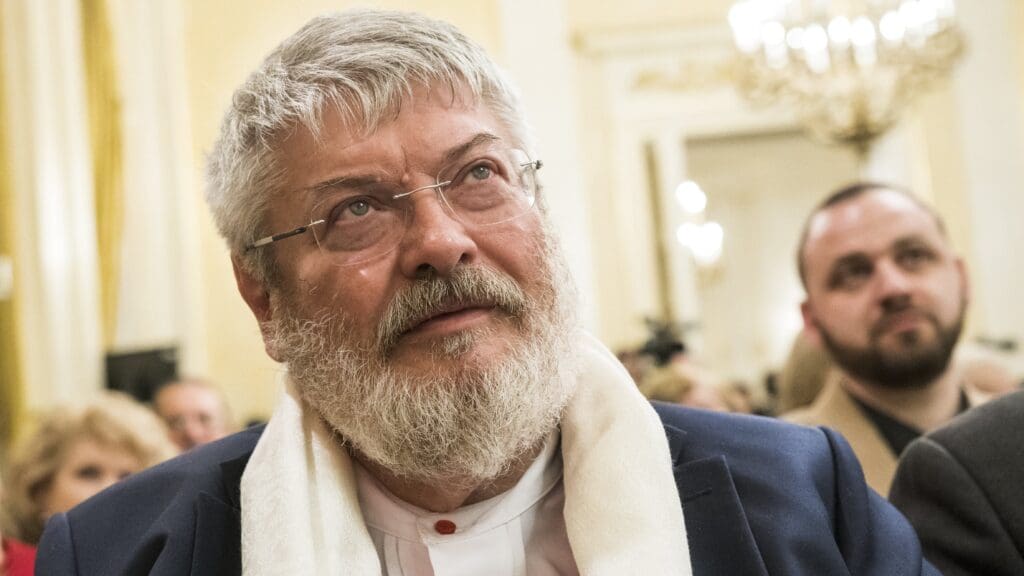
Géza Szőcs, a Transylvanian Hungarian poet, writer, public intellectual and politician, who resisted the oppression of the Romanian communist dictatorship, was born exactly 70 years ago today.
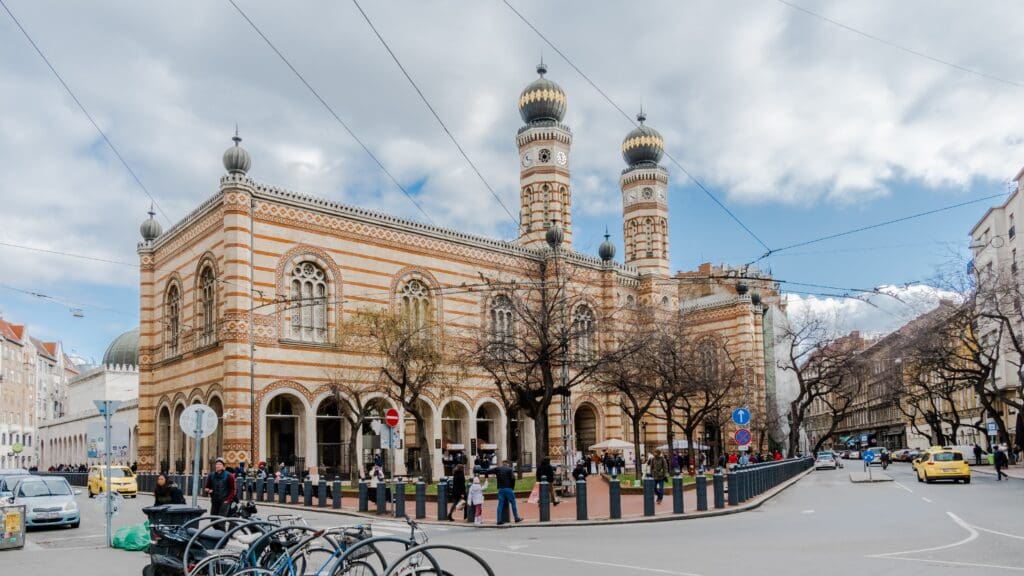
National anniversaries, especially 15 March, were regularly celebrated in the Dohány Street synagogue. Mourning services were also held on the occasion of the passing of great Hungarian statesmen. In addition to the regular services, the synagogue also hosted a number of special events. On 20 December 1860, a ‘Jewish–Hungarian brotherhood’ ceremony was held, attended by statesmen, scholars, writers and artists, and for the first time, the Szózat was sung in a Jewish synagogue. On 8 April 1861, a memorial service was held for István Széchenyi, and in 1894 for Lajos Kossuth.
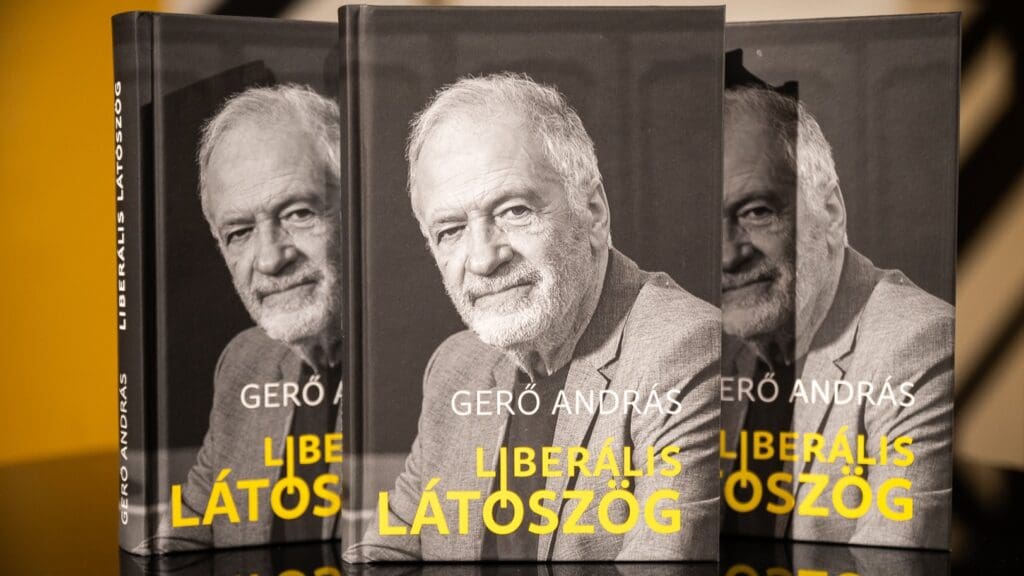
Gerő sees classical liberalism as the idea of a constitutionally limited state and individual liberties, based on natural law. According to Gerő, classical liberalism professes the principles of government being accountable to parliament, the separation of powers, and popular rule by suffrage. In that sense, Gerő sees the reform era of Hungary (1825–1848) as the beginning of the equality of civil rights.
‘Gárdonyi was a unique personality, a distinctive Hungarian writer, in both his good qualities and his faults. He cannot be branded or put in a box. He must be seen in the light of what he created, with his insightful criticisms taken to heart, and his failures appropriately assessed.’
‘One might conclude that only rogue states wage war without declaring it, yet the Korean War, the Vietnam War, and the prolonged military involvements in Afghanistan and Iraq were not preceded by a declaration of war issued by the United States Congress either.’
Why did those who had the power to do so not pull in the reins? How could the civilised European populaces celebrate the war? Why did they not choose the path of peace, progress, and constructiveness? On the 109th anniversary of the start of the First World War, and in the shadow of the war of our time, these are the questions historians must answer.
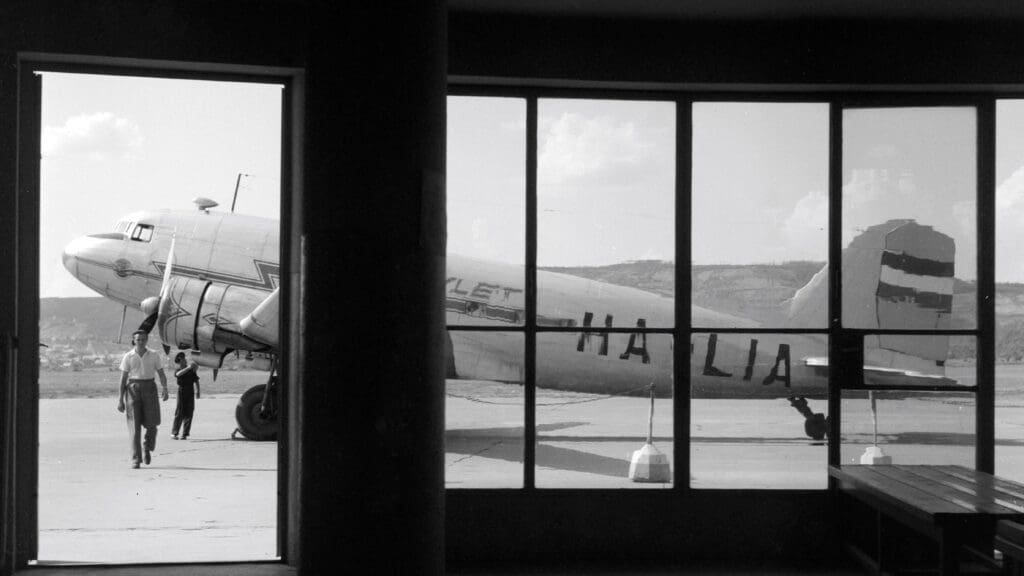
A short story of a group of desperate young Hungarians who in 1956, disillusioned with socialism, overpowered the passengers and the secret agent on a plane, successfully flew it to Germany, and the leaders of whom eventually became members of the US military.
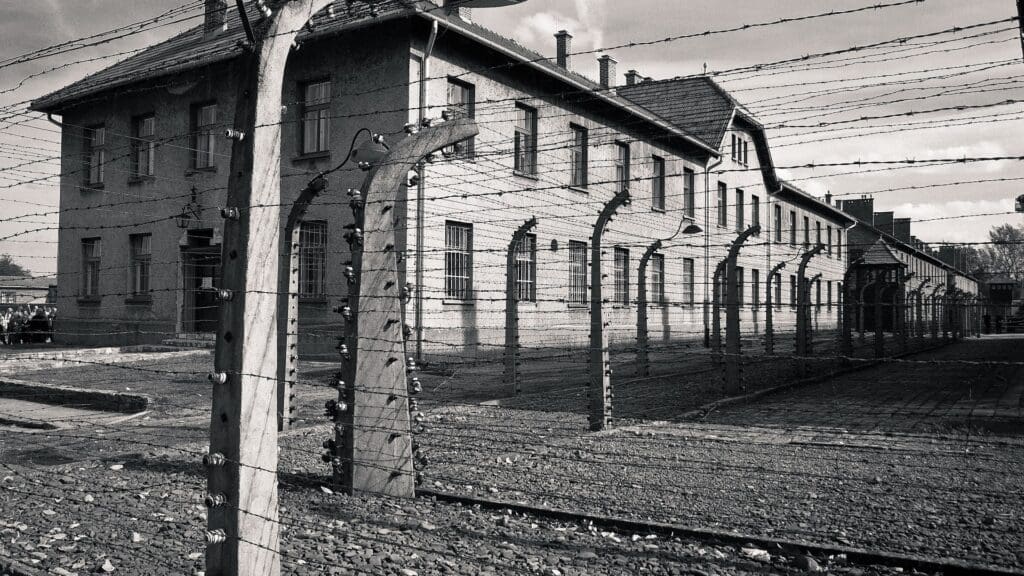
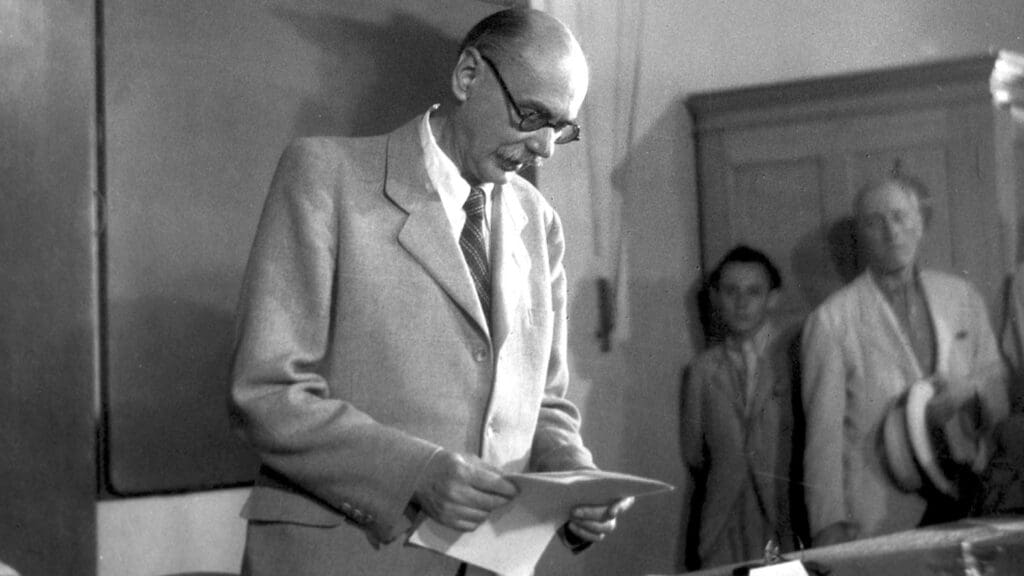
Jewish-Hungarian MP from the Horthy era Béla Fábián was held as a POW in Russia in World War i, and was taken to a concentration camp in World War II. He became an avid critic of the Hungarian Communist Party while living in exile in the 20th century, for which the Kádár regime subjected him to a smear campaign, claiming that he actually served as a ‘kapo’, a prisoner-turned-guard in his camp. Here’s the story of the extraordinary life of a special man.
‘Szekfű described “capitalism” as “having grown in size over time, becoming a more and more fearsome monster, creating factories and cramming hundreds of thousands and millions of people into the unhealthy, immoral air of smoky cities. And the longer the unrestricted freedom proclaimed by liberalism lasts, the more freely the capitalist big business devours the little ones, the more freely it exploits the economic weaklings, especially the workers.” Szekfű’s book Three Generations, in which he also called for extensive worker protection and the regulation of industrialists by law, bears a striking resemblance to the basic tenets of socialism.’

At a time when public debate is increasingly polarized and superficial, Hungarian Conservative remains committed to depth and independent thought.
Donate Now
Please consider supporting our mission.