

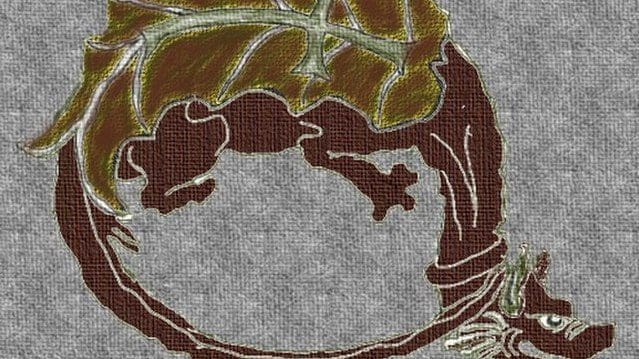
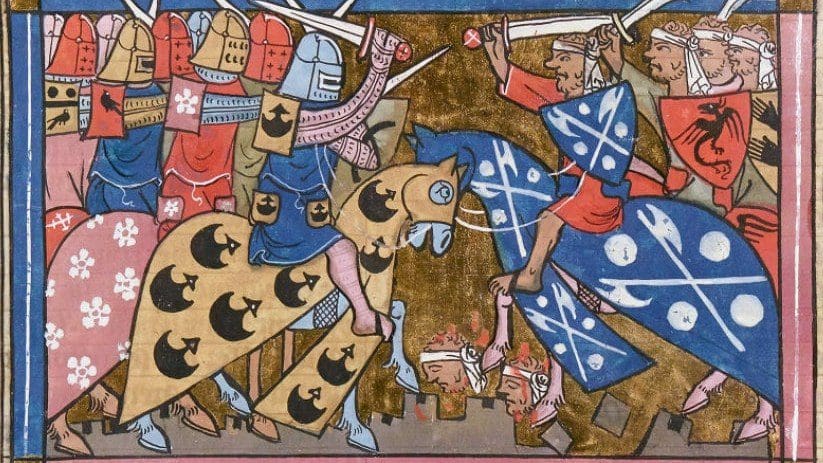
Sigismund of Luxembourg, the ruler who ascended the Hungarian throne in 1387, and whose first wife was the granddaughter of Charles I, could, of course, have heard of his predecessor’s order, and perhaps even followed his example when he himself founded the Order of the Dragon in 1408.
From the perspective of Europe, the Hungarians’ conversion to Christianity was by no means an unbroken continuation of their raids—the Hungarian people was still considered suspicious, barbaric, and prone to paganism for a long time.
Charlemagne’s figure, as well as the myths and legends associated with him, had a great influence on medieval Western European chronicles and fiction, but medieval Hungarian historiography—similarly to Central European—was surprisingly little affected by it.
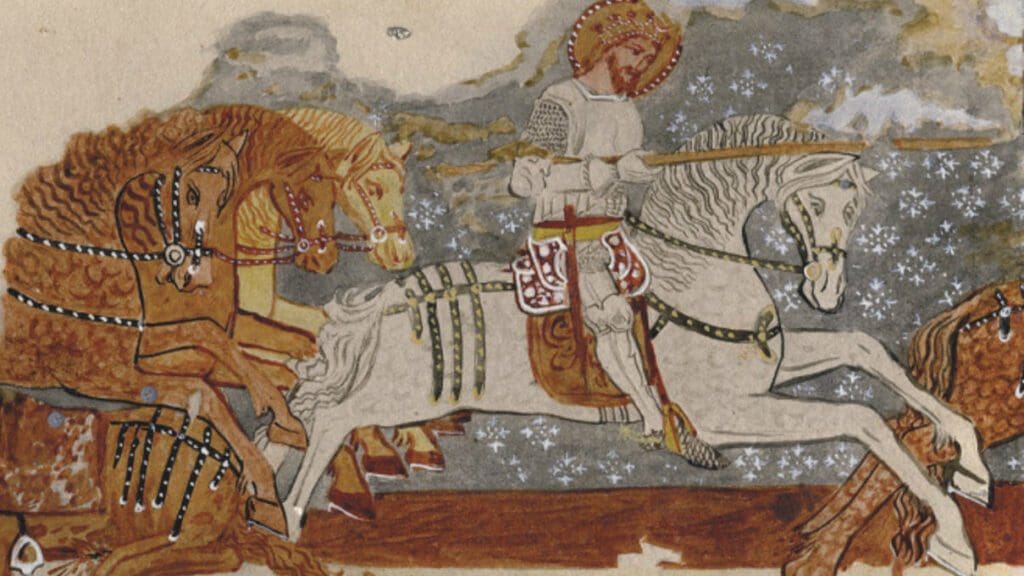
Keeping the memory of St Ladislaus alive is a common cause. As the organisers of the erection of the equestrian statue of the Holy King said in response to critical comments: ‘The legacy of St Ladislaus is above all the courageous admission of the Christian faith, which is a universal value and part of our European identity.’
Life in the East was not at all easy for the newcomers, as they had to preserve their traditions while developing their identity in a completely new social and religious environment.
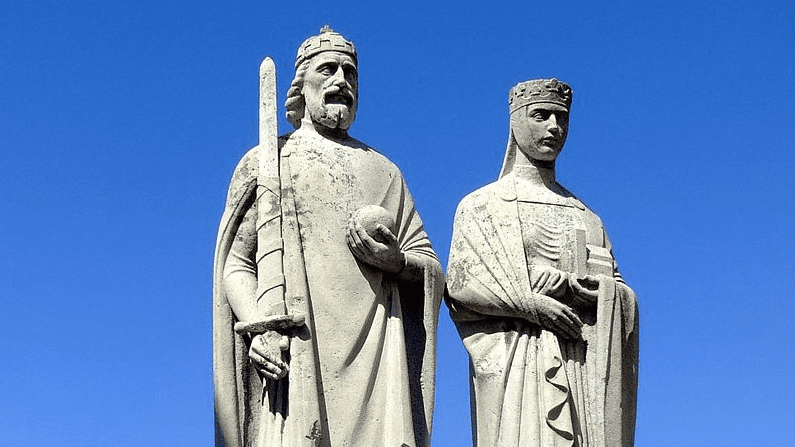
In addition to strengthening the alliance between the Kingdom of Hungary and the German Empire, Blessed Gisela’s marriage to St Stephen permanently committed the country to Western-style Christianity and development.
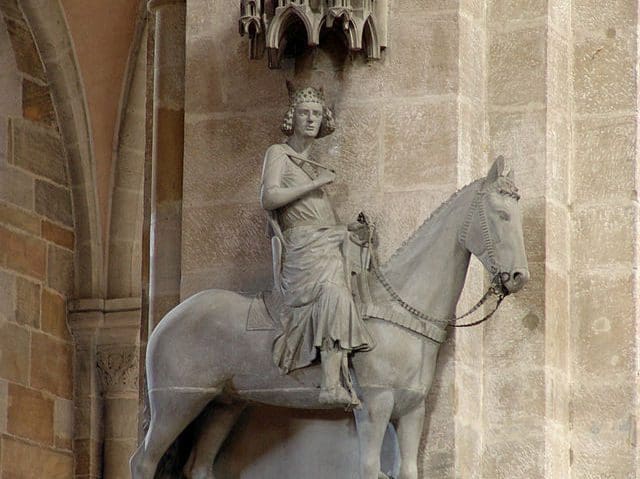
The more than two-metre-high equestrian statue in the Bamberg Cathedral has been a real tourist attraction since the 18th century, not least due to the horseman’s mysterious identity.
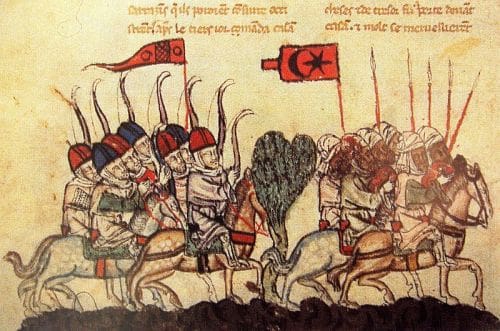
It may be surprising that Muslims could survive in a Christian kingdom for centuries, but their linguistic and religious separation was exactly why they did not threaten the predominantly Christian society.
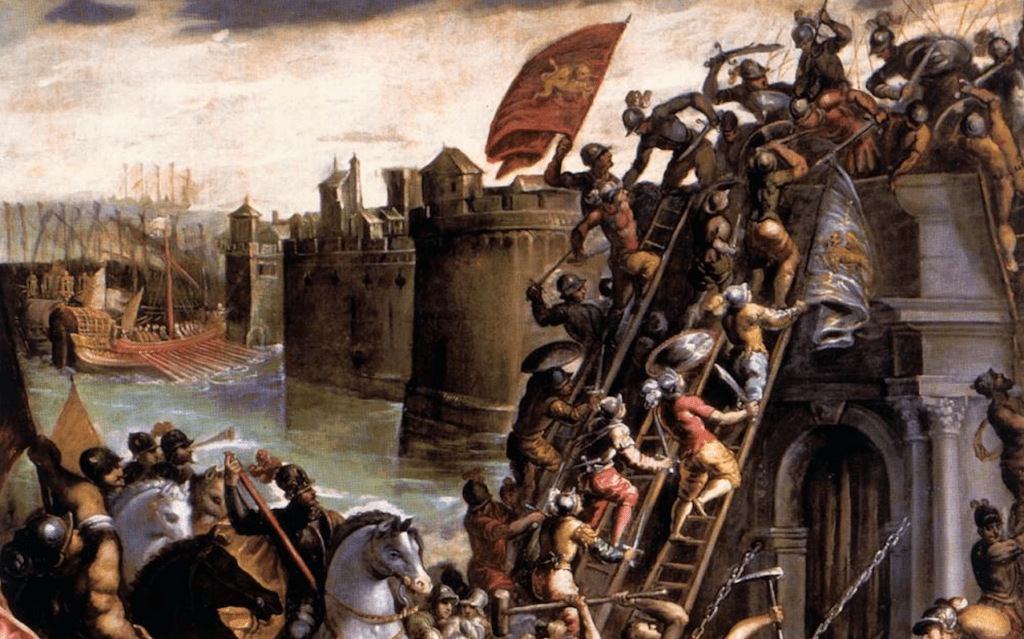
Zadar was a Western Christian town with a rich history, and at that time it was once again under the authority of Emeric (Imre in Hungarian), King of Hungary (1196–1204), who himself had taken the crusader’s vow.
The defence mechanism of the Christian world was triggered incredibly quickly in 1241, but due to various conflicts of interest, mostly international, it slowed down just as quickly and then became totally paralyzed.

At a time when public debate is increasingly polarized and superficial, Hungarian Conservative remains committed to depth and independent thought.
Donate Now
Please consider supporting our mission.