





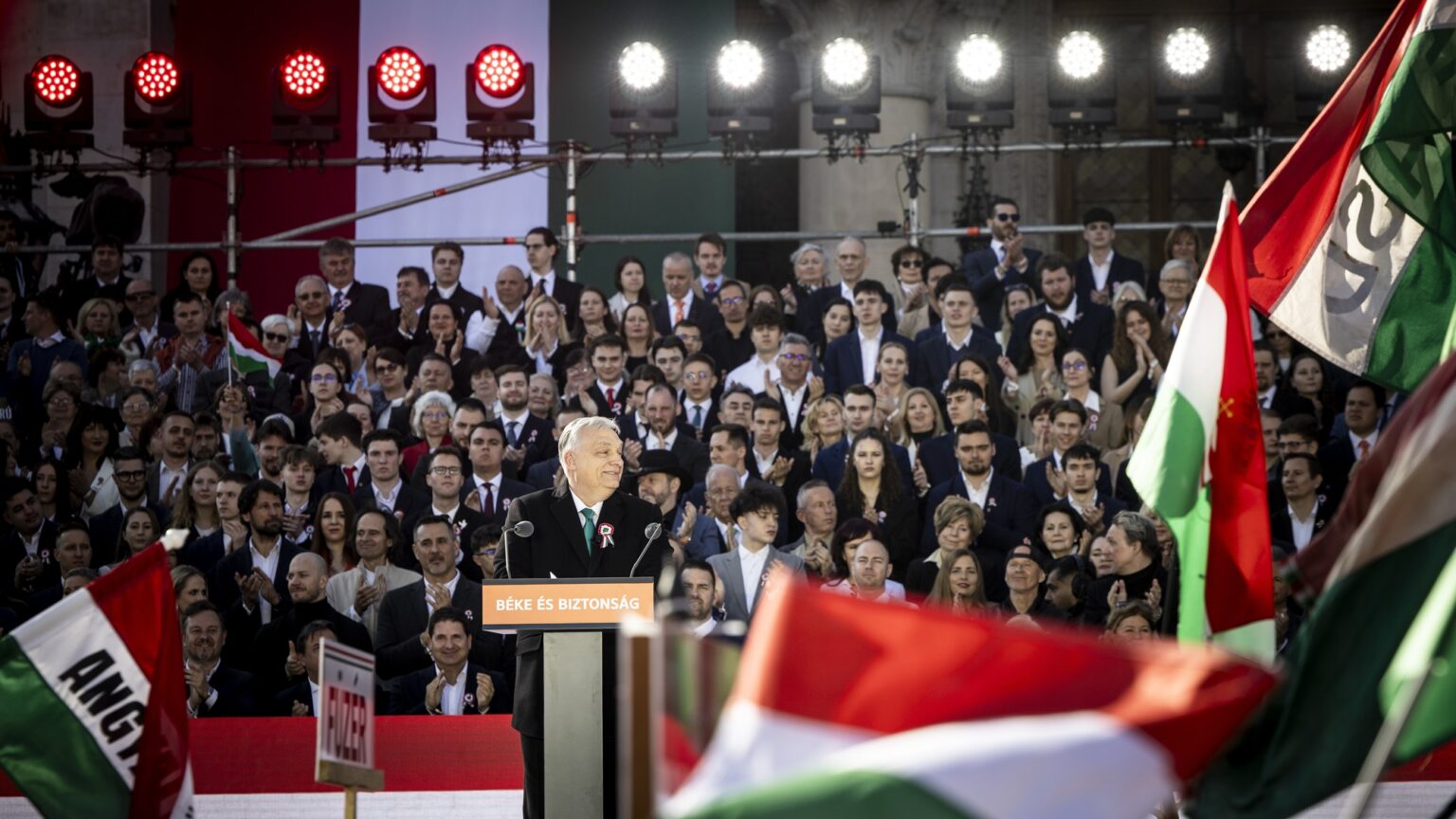
Prime Minister Viktor Orbán has called for unity, security and support for the ruling parties ahead of Sunday’s election, describing the vote as decisive for Hungary’s future.
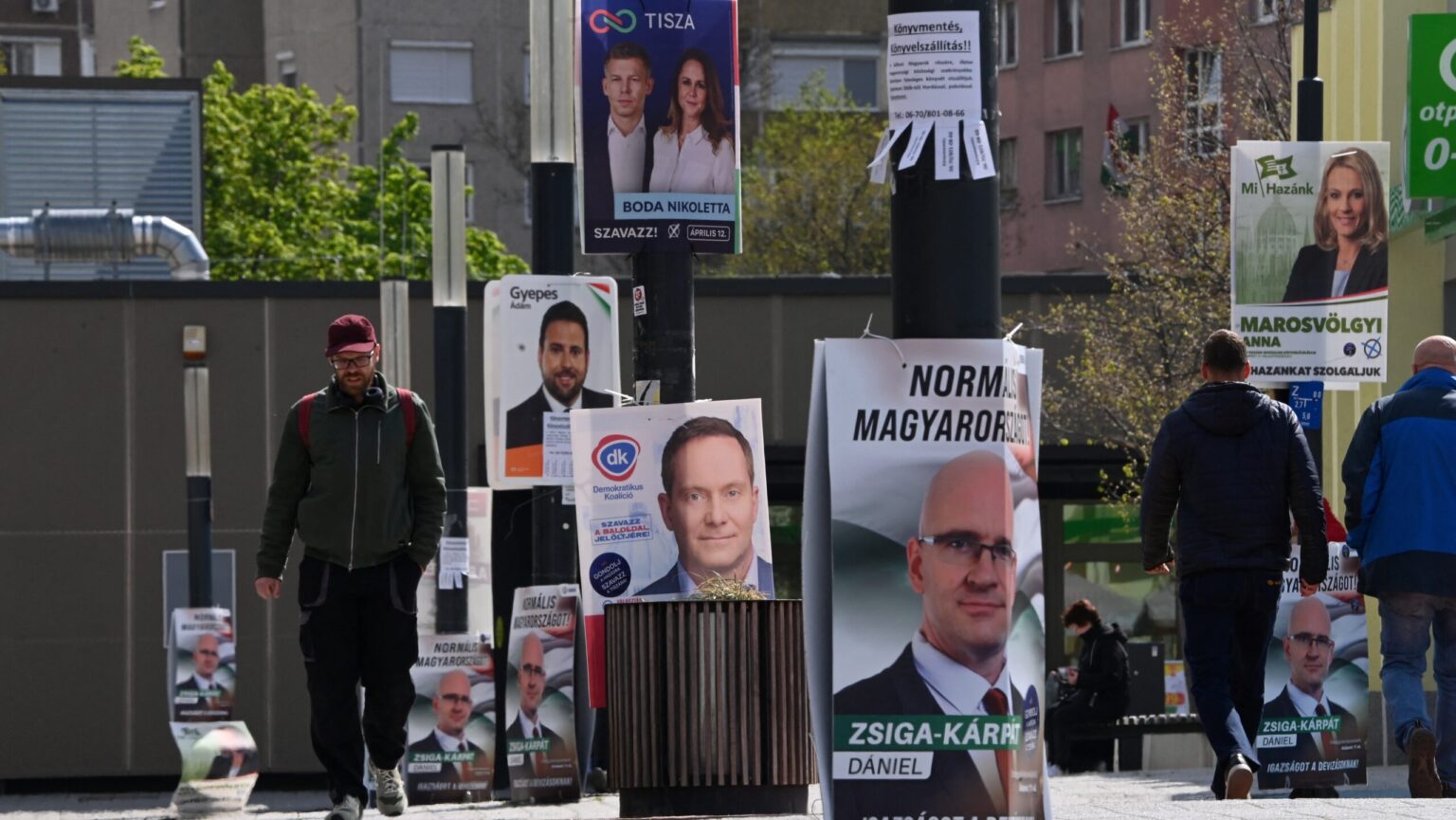
Hungary is preparing for its most important election in recent years on 12 April. While political discourse focuses on national polling data, the outcome will be decided in a handful of individual constituencies. In the following analysis, we present these battleground districts and how they could shape the future of Hungary.
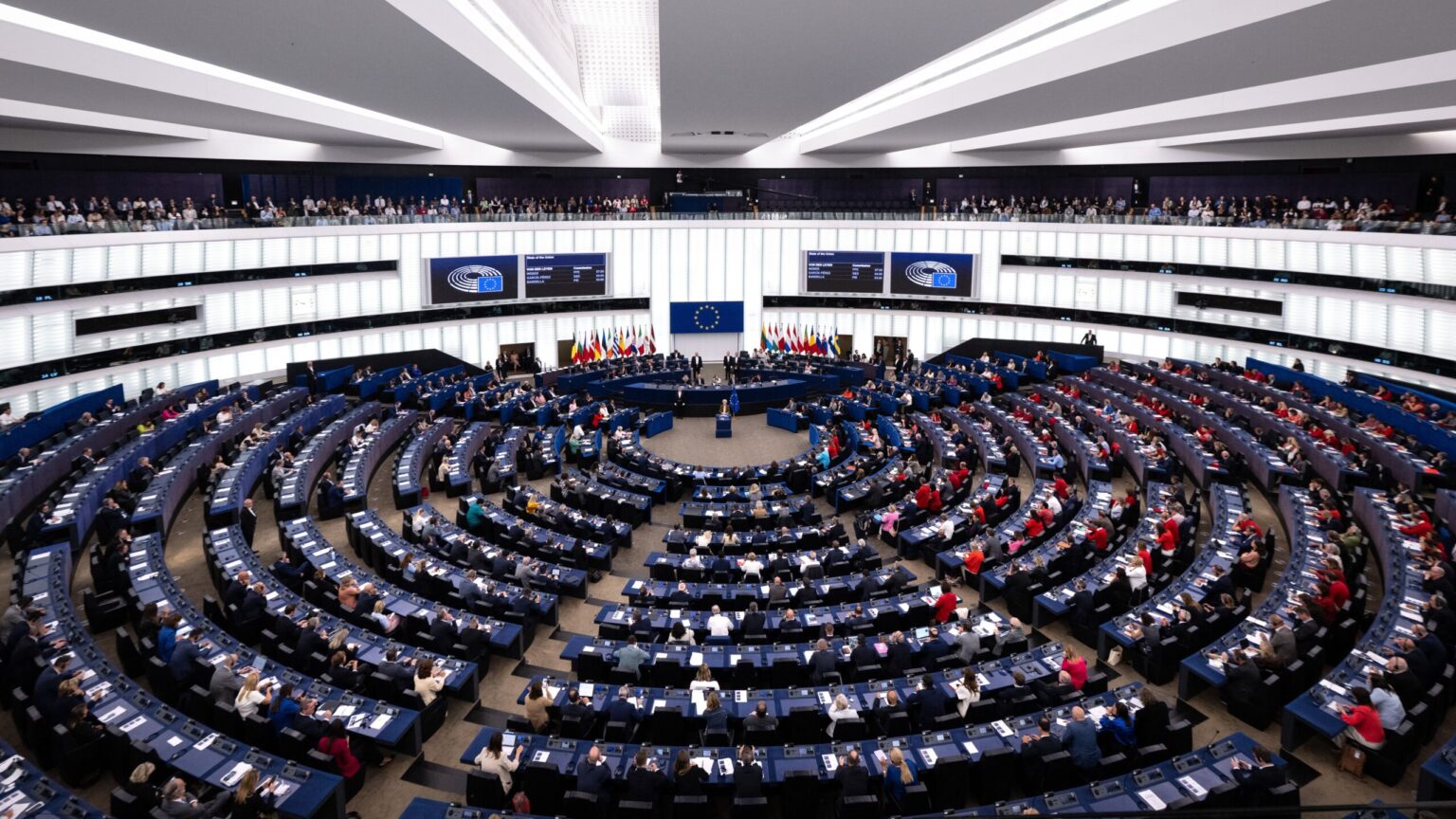
‘In the longer term, a broader strategic shift is needed. Europe must abandon the illusion of forced uniformity to avoid internal tension within the European Union and the risk of disintegration. The motto of united in diversity should be applied in practice too, to ensure that the level of integration is determined by the conscious and sovereign decisions of the Member States…’

‘History aside, millions of Muslim migrants are currently destabilizing parts of Europe, and jihadist organizations…to terrorize “infidels” across Africa, Asia, and the Middle East. Are we seriously to believe that the existence of the Jewish state is necessary to explain disturbing patterns of Islamic behavior that have existed since the dawn of Islam, 14 centuries ago?’
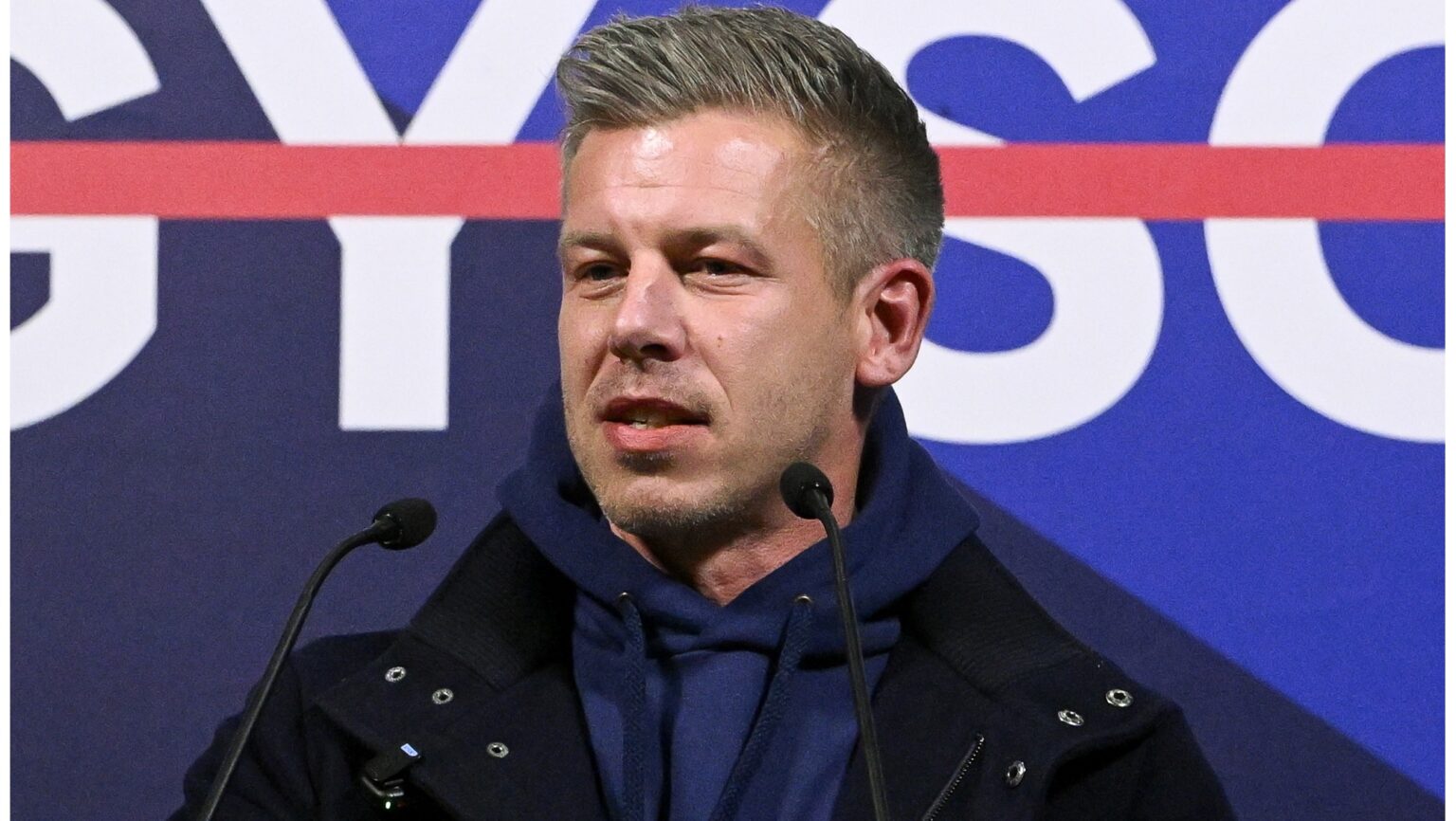
A majority of Hungarians prioritize peace, energy security and economic stability ahead of elections, according to a new survey. Many respondents also see potential risks linked to opposition policies on energy and foreign affairs.

In the run-off of the special election held to replace Congresswoman Marjorie Taylor Greene in Georgia’s 14th Congressional District after her resignation, the Republican candidate Clayton Fuller, endorsed by President Trump, defeated his opponent from the Democratic Party by 12 points. Thus, the GOP currently has 219 seats in the House, while the Democrats hold 214.
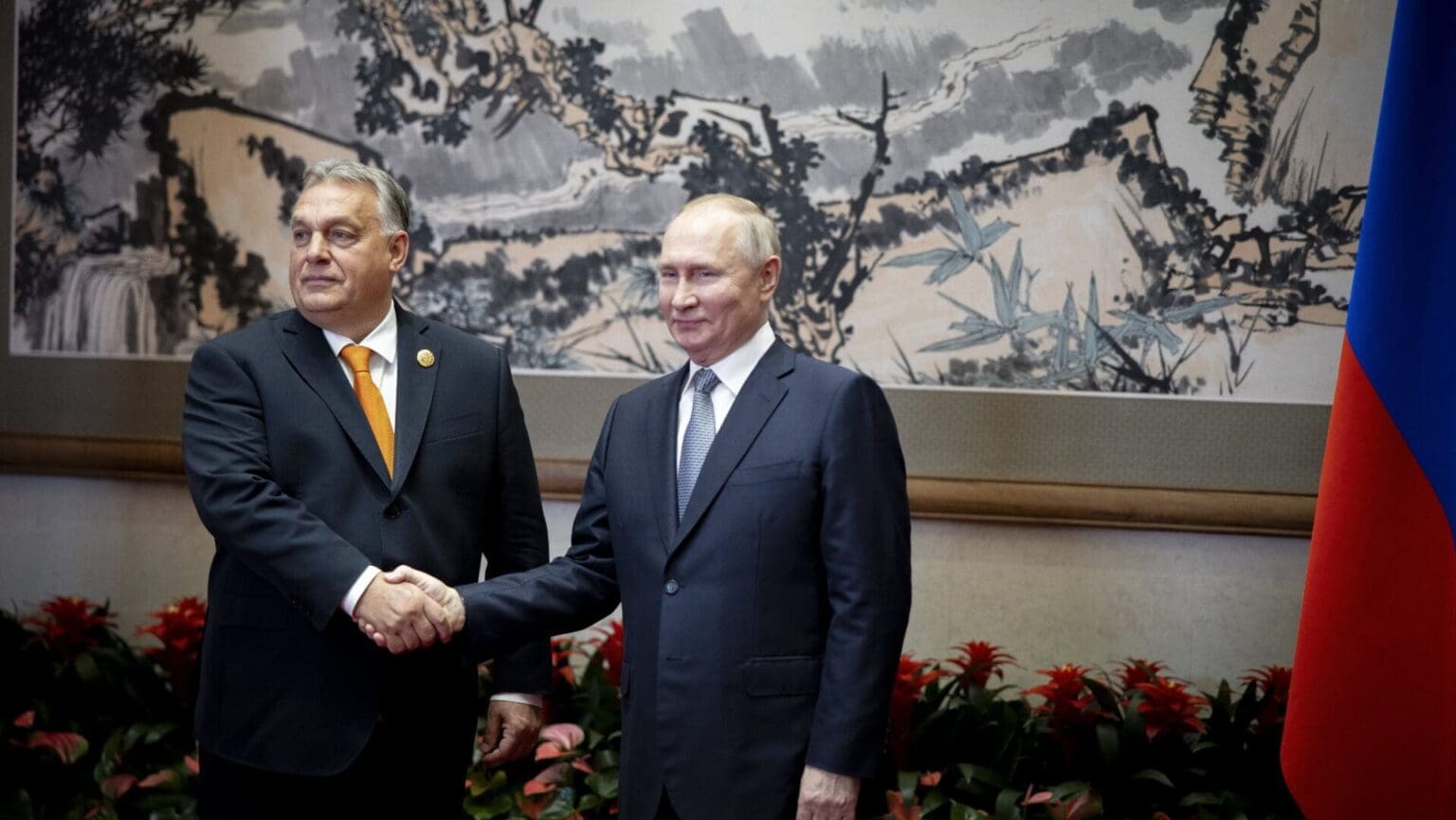
Hungary’s close ties with Russia have come under heavy criticism within the EU and have become central to the country’s election campaign. In this tense atmosphere, however, many have overlooked that the only open communication channel between the bloc and Moscow currently runs through Budapest. But what happens if it is gone?

A recently published article by The New York Times’ website examines the fate of the Roma minority under Prime Minister Viktor Orbán’s long reign in Hungary. The piece suggests that the Roma voting bloc could decide the Hungarian parliamentary election this week.
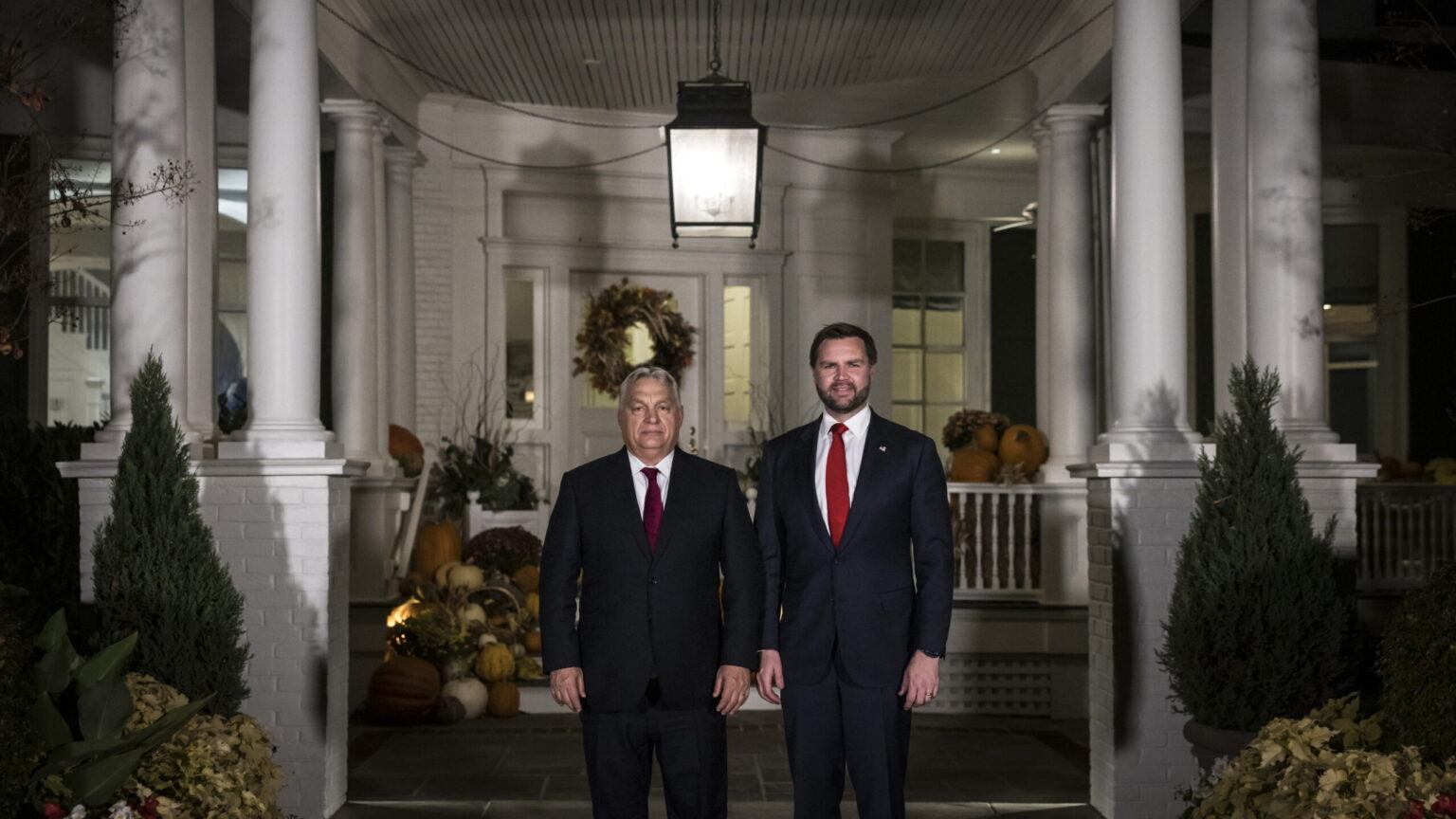
US Vice President JD Vance will arrive in Hungary just days ahead of the high-stakes parliamentary election for talks with Viktor Orbán, in what is formally a bilateral diplomatic trip. In reality, Vance’s visit carries a deeper strategic signal amid growing tensions over alleged foreign influence operations.
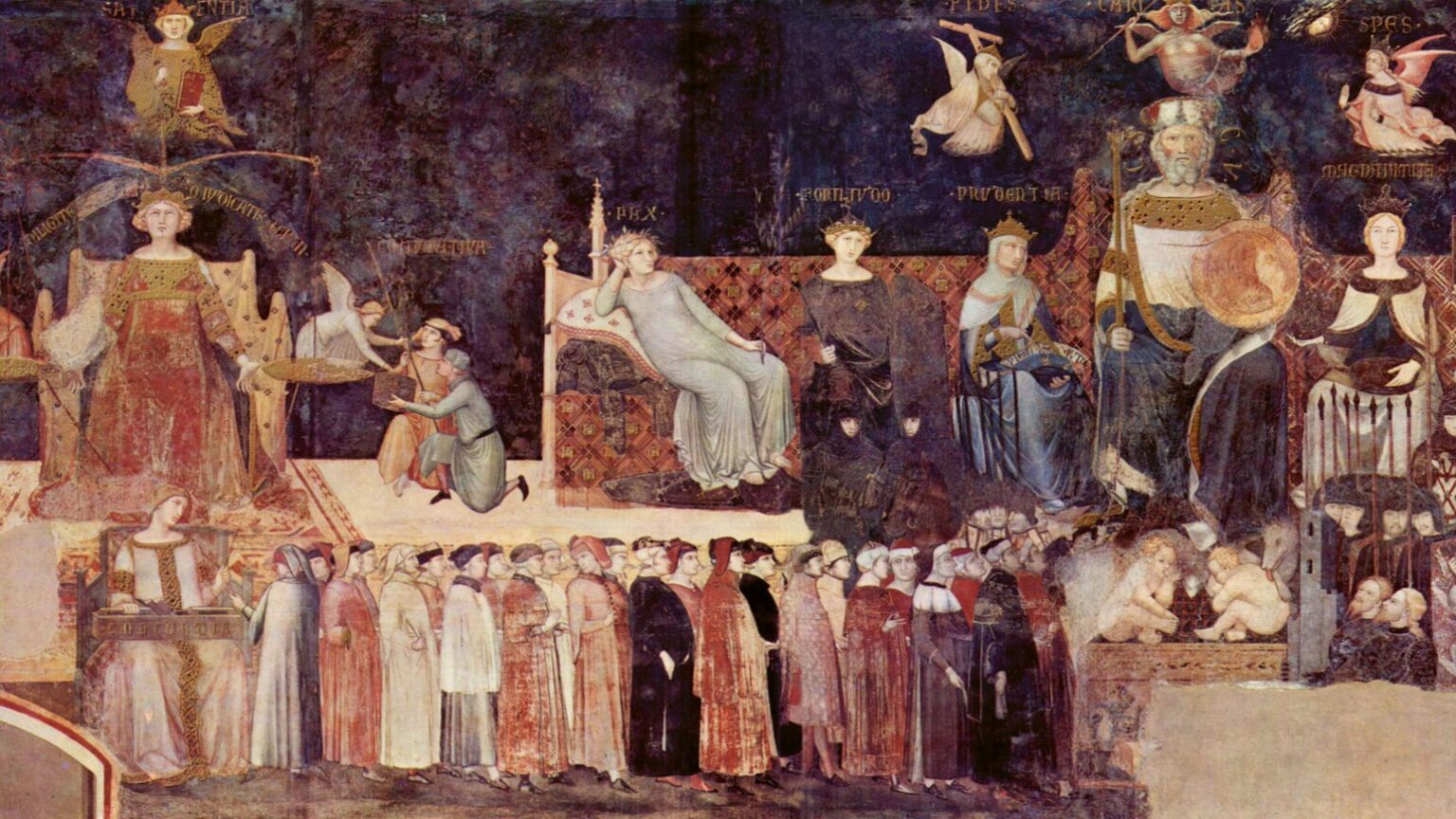
‘If Europe is to recover coherence, legitimacy, and purpose, it must rediscover the cultural humility, moral seriousness, and intellectual honesty that animated its beginnings.’
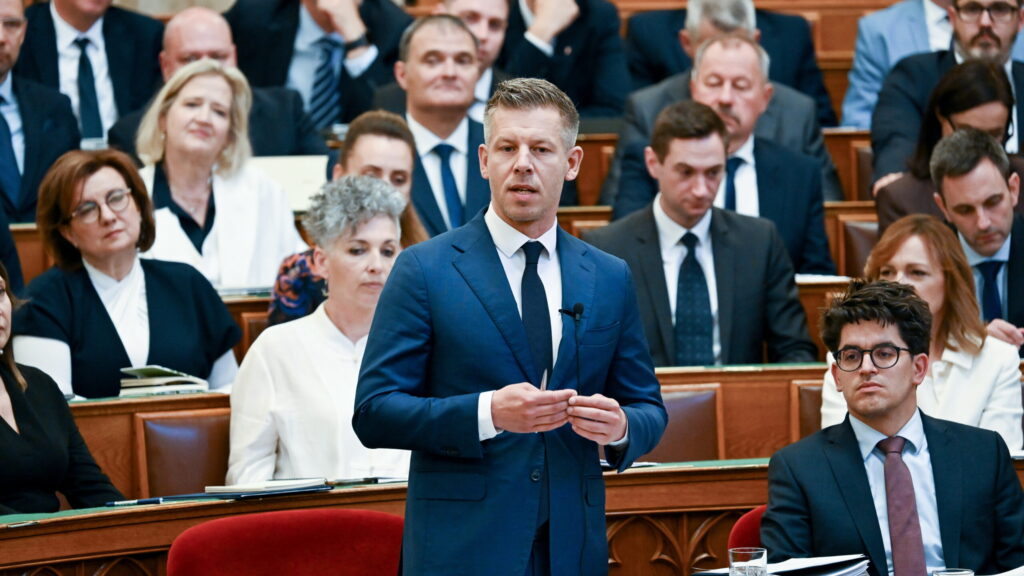
MEP and Tisza Party prime ministerial candidate Péter Magyar has given an interview to the Associated Press about the upcoming Hungarian parliamentary election. In it, he paints himself as the pro-EU, pro-Western candidate and Prime Minister Orbán as the pro-Russian, pro-Eastern candidate. However, despite that, he pledges ‘pragmatism’ on the issue of Russian energy imports.
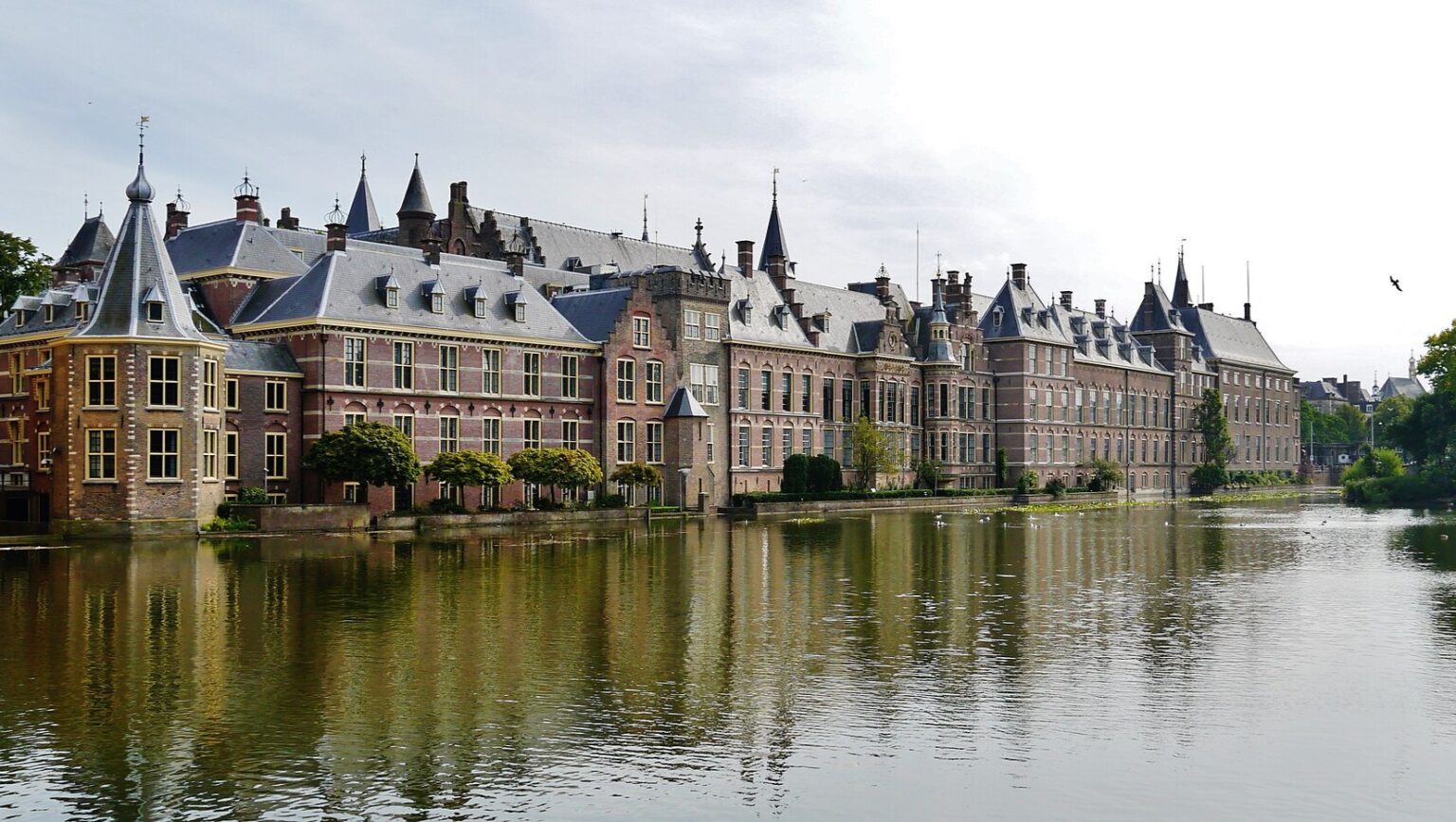
‘The Hague Summit, held on 1 and 2 December 1969, officially marked the end of the neo-functional era of European integration and the beginning of the intergovernmental period.’
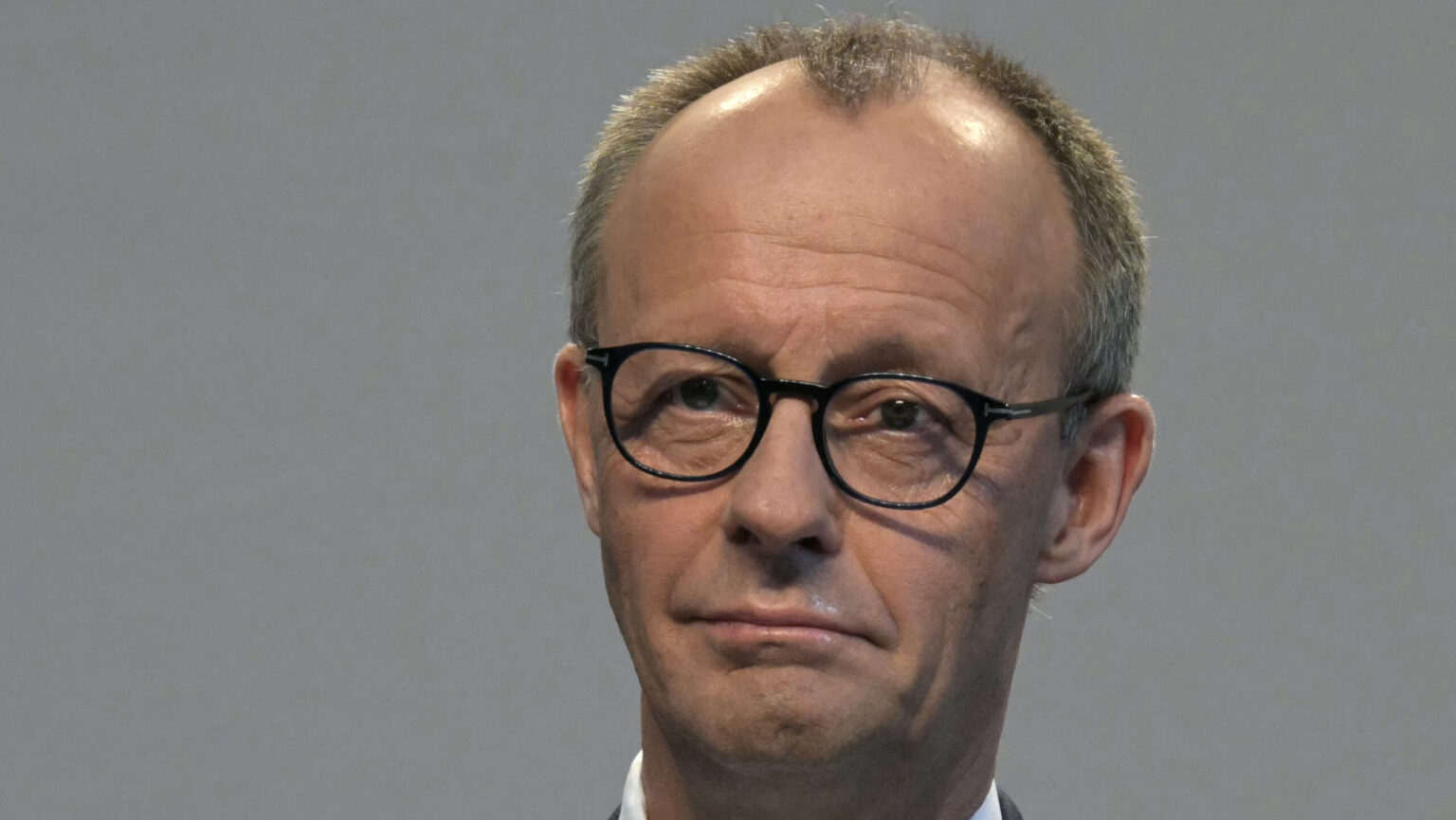
German Chancellor Friedrich Merz has adopted a tougher tone on migration policy recently amid the rising support of the Alternative für Deutschland. However, resistance from his Socialist coalition partners is limiting any meaningful shift in policy direction.

Hungary’s foreign minister has warned that Europe is heading toward an energy crisis, arguing that removing utility price caps would have severe consequences for Hungarian households.
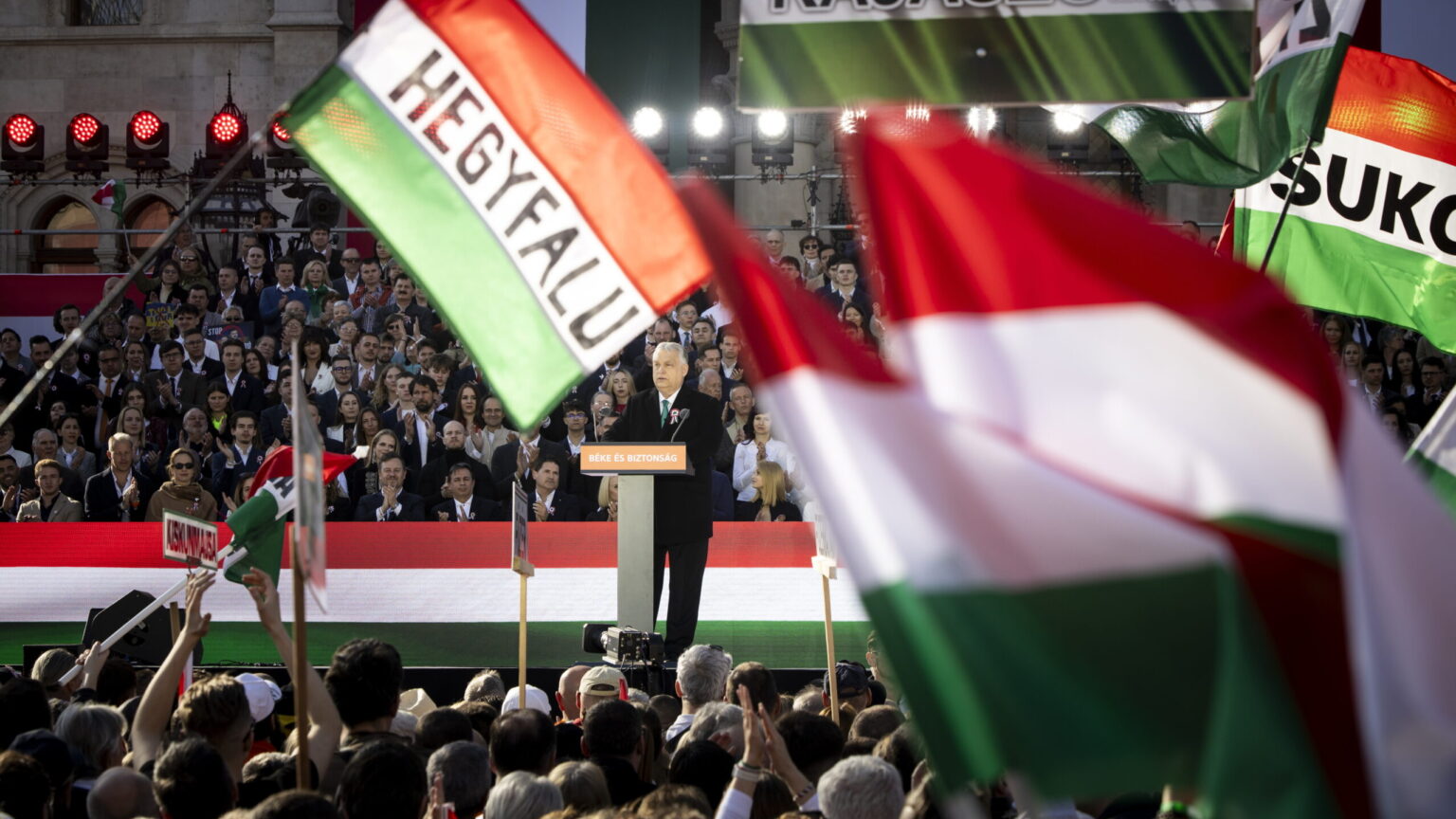
With less than two weeks until Hungary’s parliamentary election, the campaign has escalated into a complex hybrid confrontation driven by competing narratives, foreign intelligence involvement, and unprecedented disinformation. To understand why, it is necessary to examine how Hungary has transformed into a geopolitical pivot where Western and Eastern great-power interests collide.
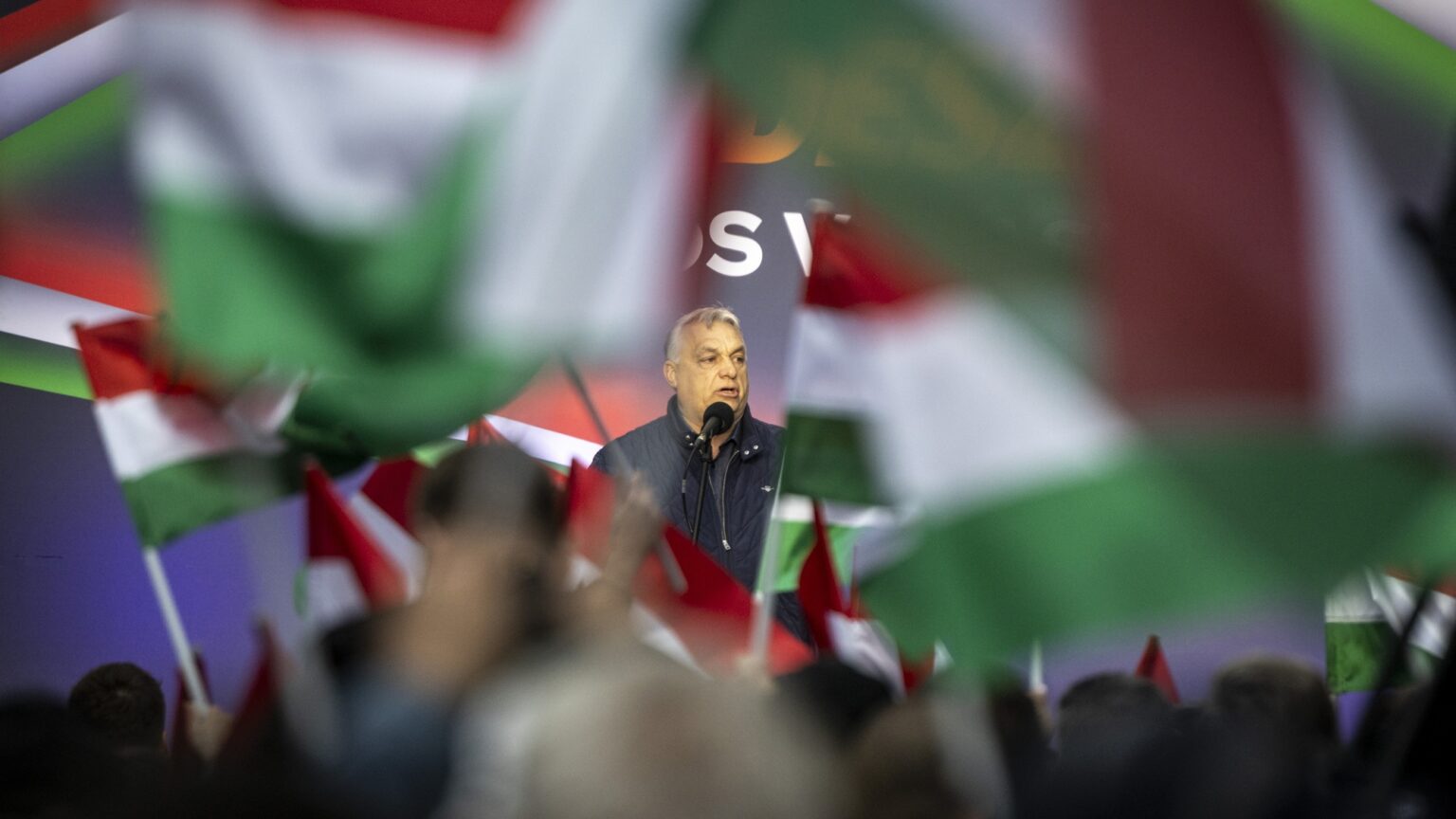
Hungarian Prime Minister Viktor Orbán is seeking a fifth consecutive term, but faces his most serious challenge in over a decade from opposition leader Péter Magyar of the Tisza Party. With polls tightening, who is more likely to prevail in this pivotal election?

Alexandra Szentkirályi has warned that the Tisza Party’s energy transition plan could significantly increase household costs, including higher utility bills and new taxes on savings.

Hungary’s foreign minister has accused the Tisza Party of planning to abolish utility price caps and adopt EU energy policies, warning that such moves would significantly raise household costs.
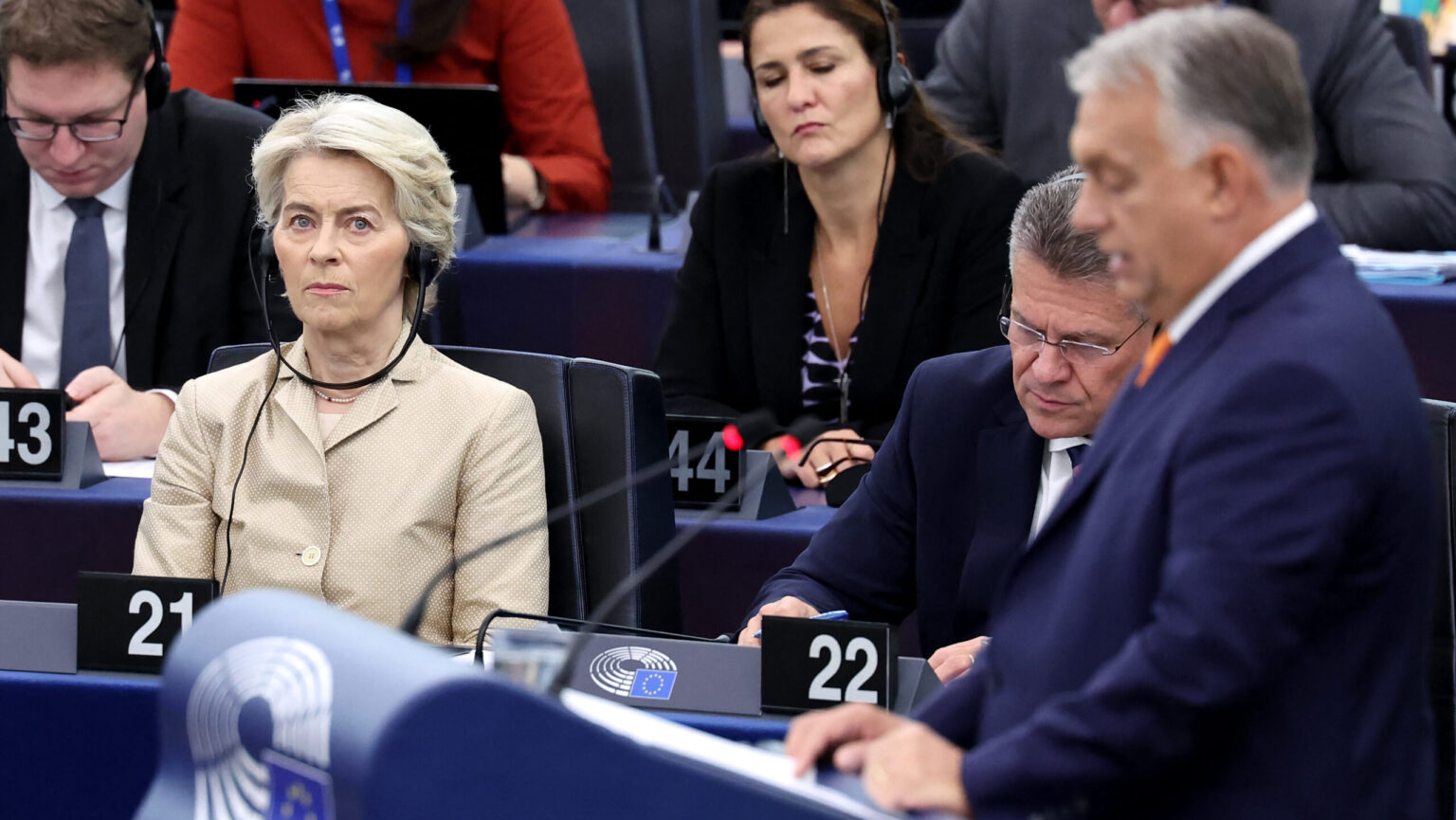
POLITICO reports that Brussels is quietly preparing for a potential fifth Orbán term, outlining five possible responses—from bypassing unanimity rules to imposing fines and even suspending Hungary’s voting rights. Despite tough rhetoric, several options face major political and legal hurdles.
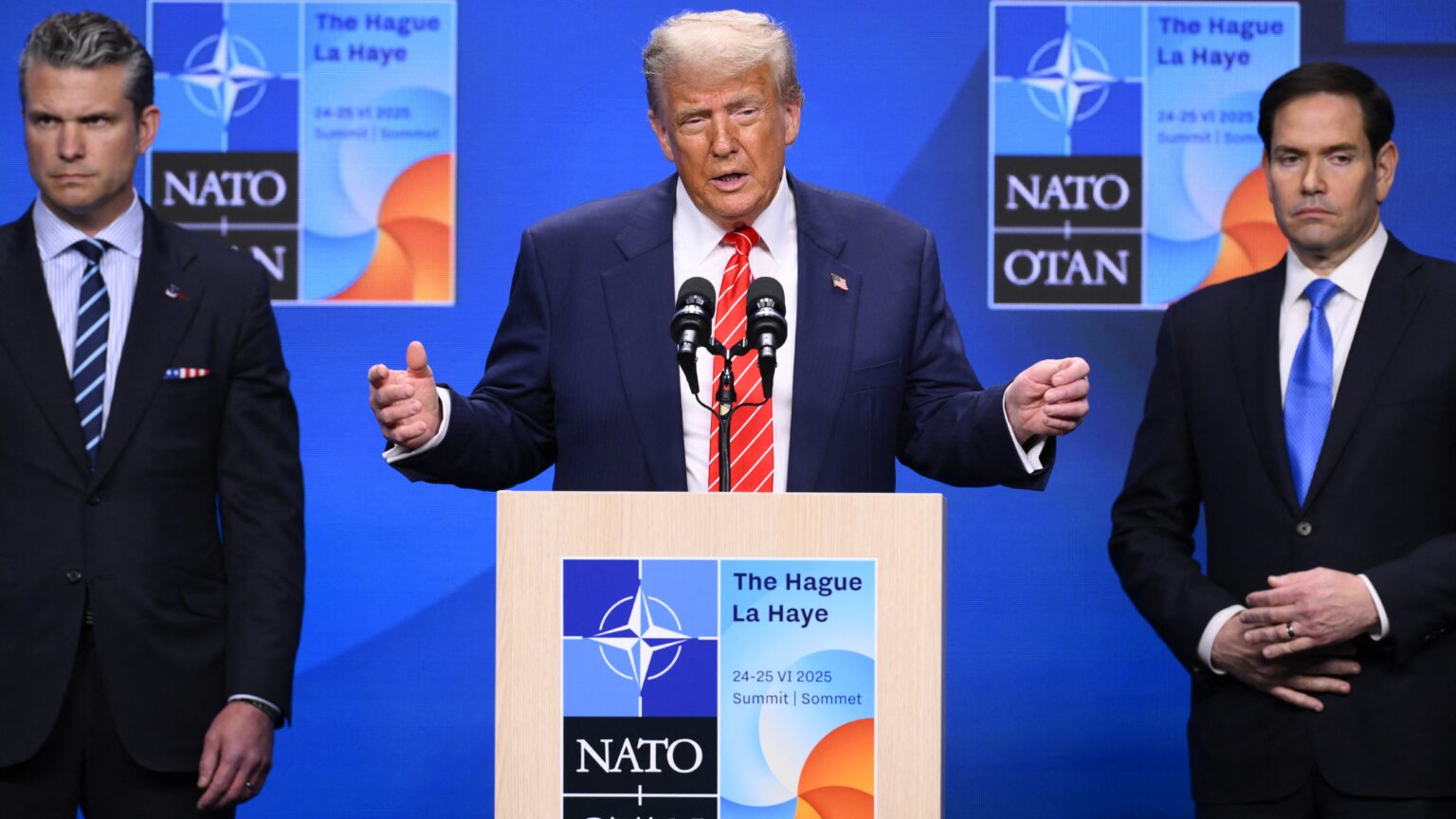
‘In the long term, the EU must recognize that there has been a shift in American foreign policy thinking…This essentially results in a new order in Europe, which will have far-reaching consequences for Europe’s own strategic position.’
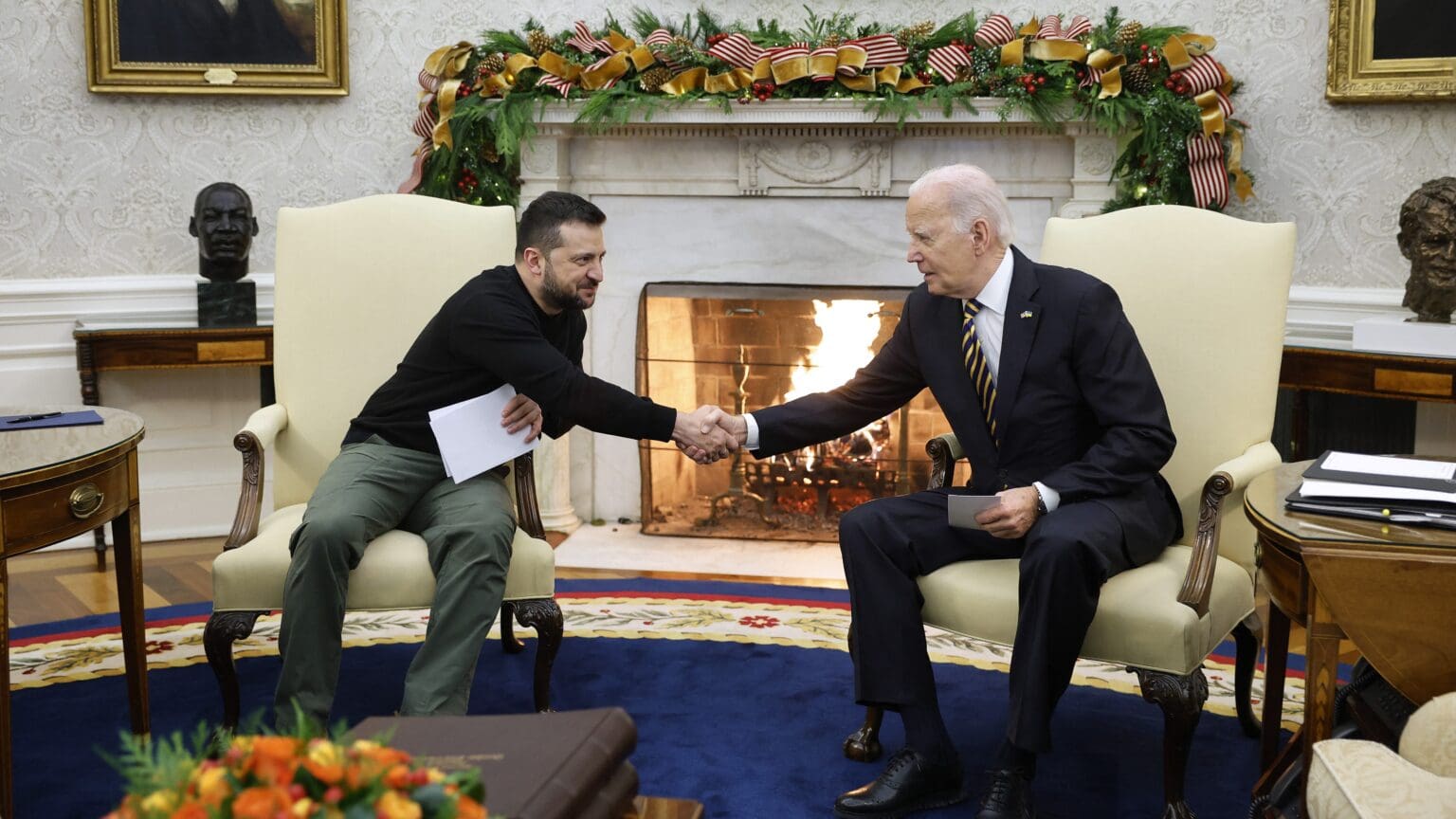
Newly declassified US intelligence documents suggest that Ukrainian officials discussed redirecting American funds to influence the 2024 US election, according to a report also shared by Donald Trump. The claims echo similar concerns raised by Hungary’s government about alleged Ukrainian interference ahead of its own high-stakes election in April.
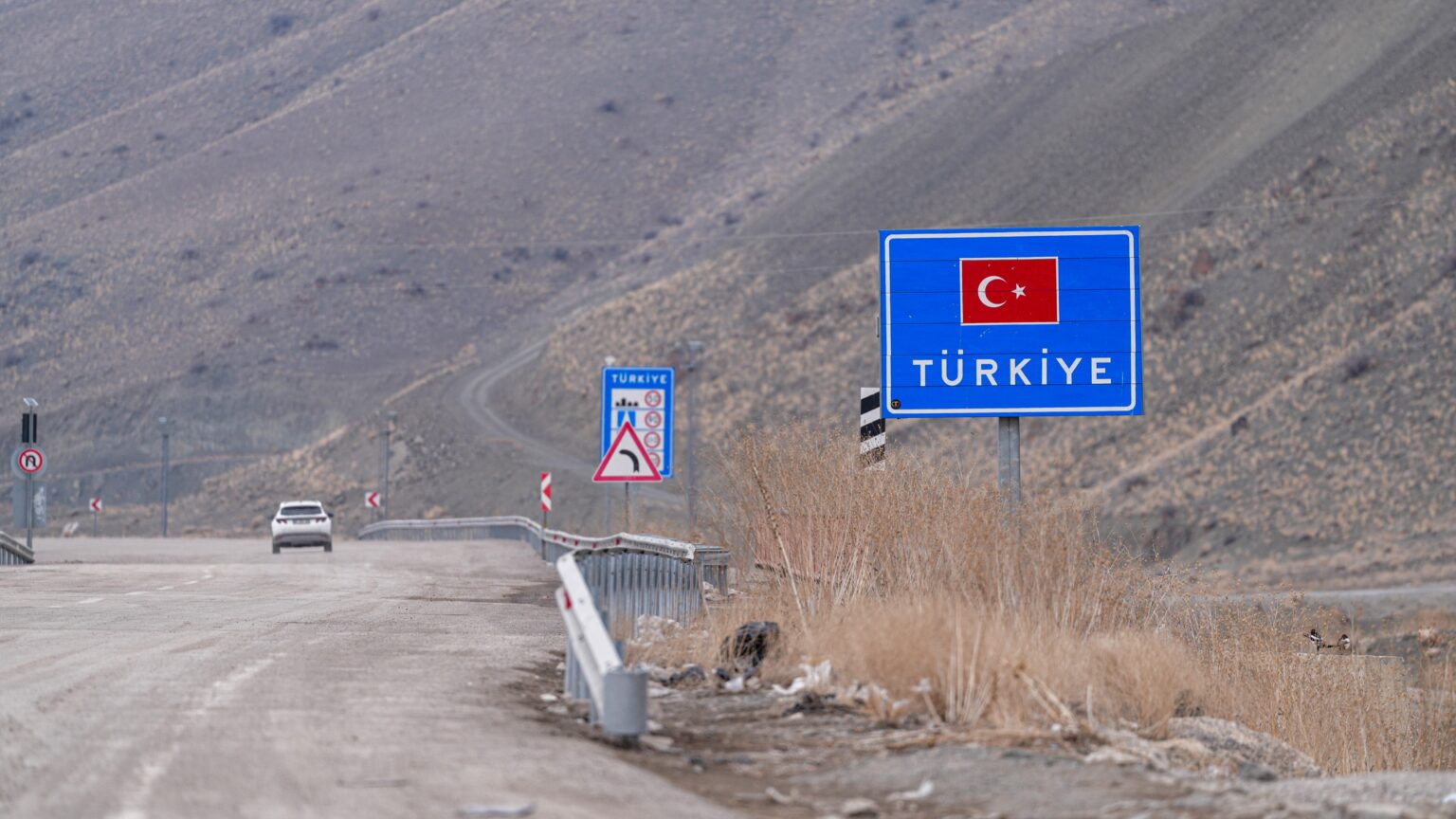
‘In response, the European Union turned to a crucial partner on its south-eastern flank: Türkiye. The result was the EU–Türkiye Statement of March 2016, an agreement designed to curb irregular migration…A decade later, the deal has profoundly reshaped migration management in the region, turning Türkiye into what many analysts describe as Europe’s gatekeeper.’
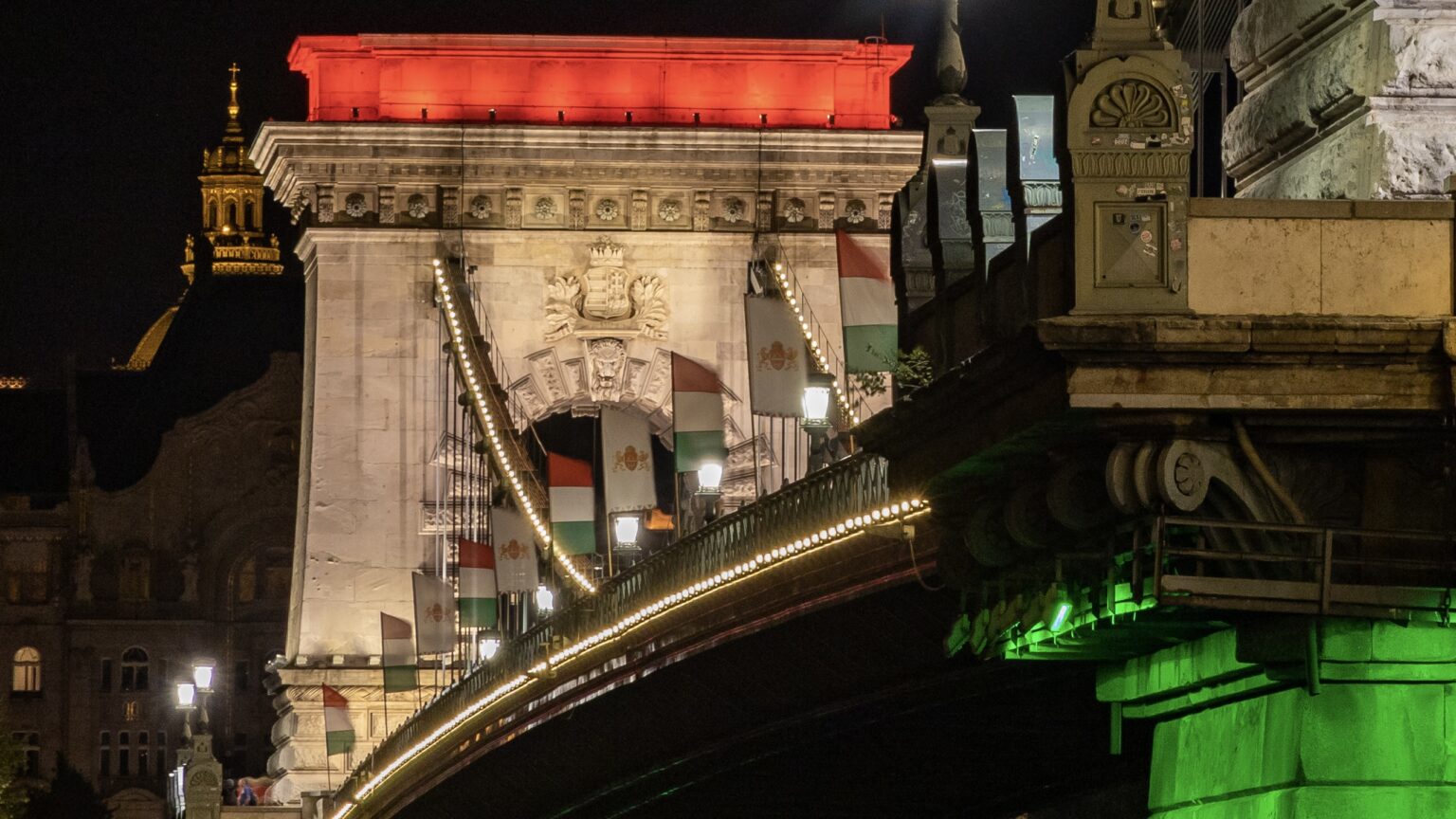
‘In a world defined by global communication and transnational ideological networks, can elections in any country truly be insulated from international political currents?’
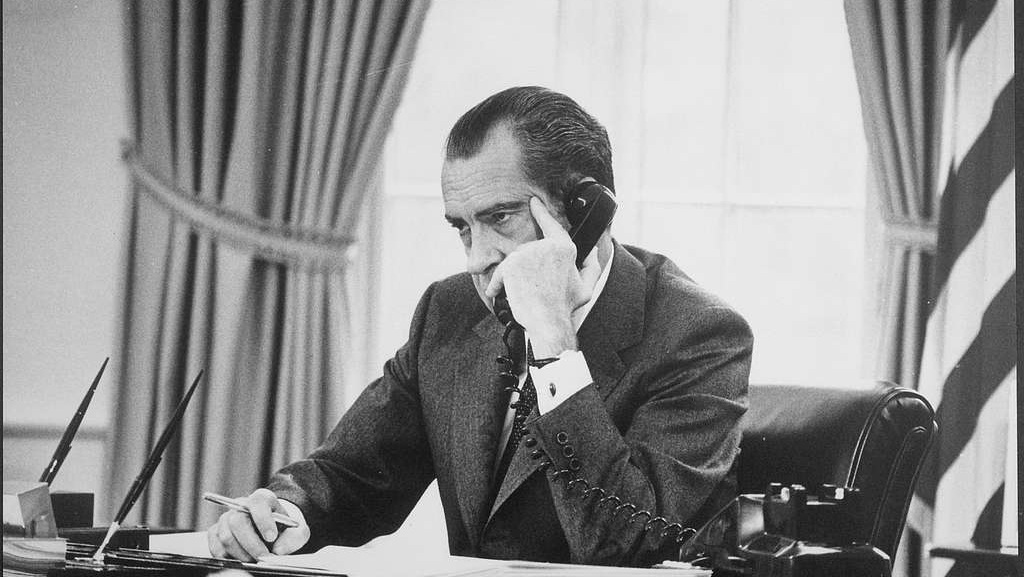
Back in November 2024, Tisza Party’s Péter Magyar tried to dub the secret recordings released by his ex-girlfriend Evelin Vogel ‘the Hungarian Watergate’. Now, he is appealing to the historic political scandal that brought down US President Richard Nixon in 1974 again. Does he have a case now with his comparisons?
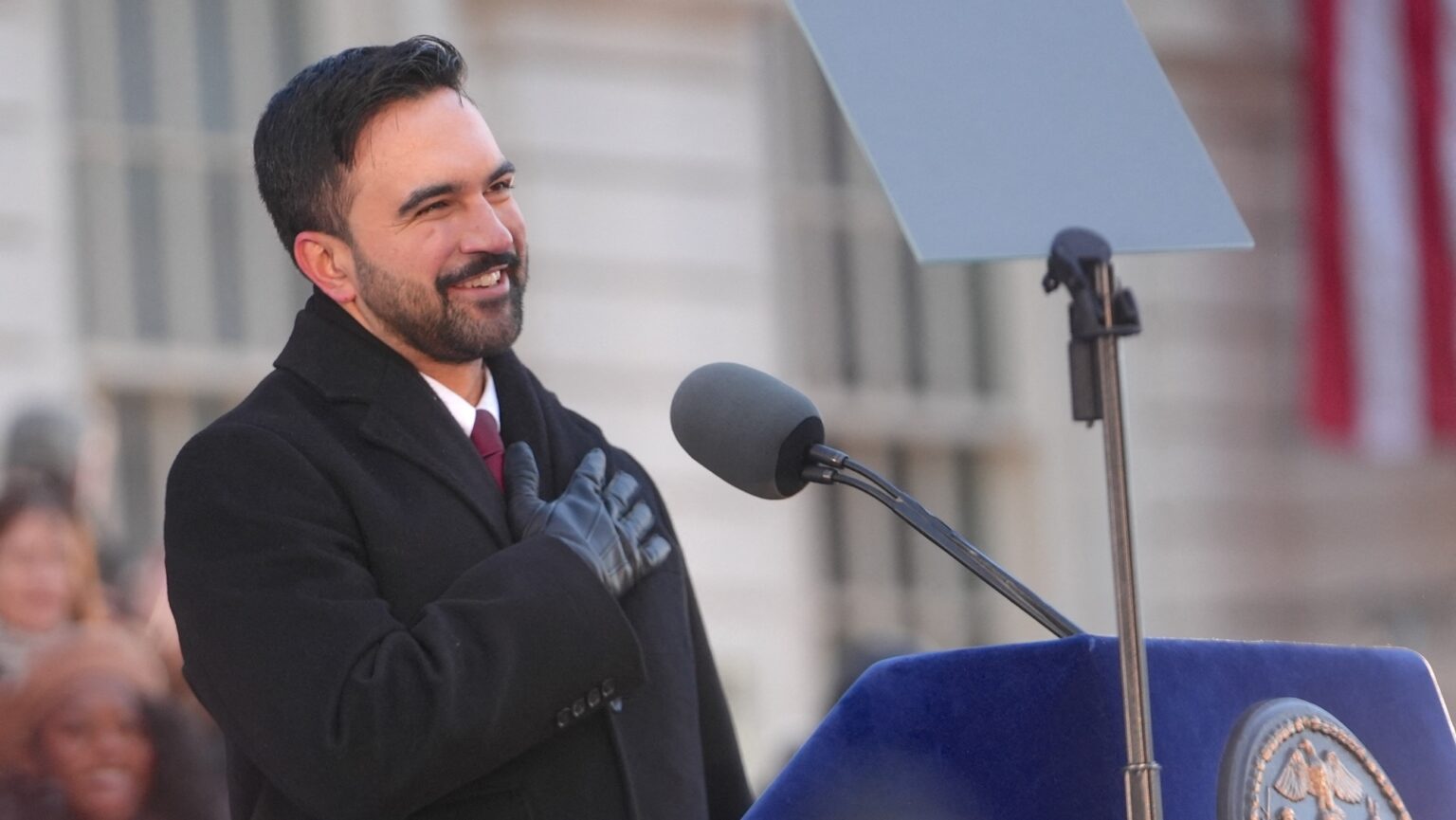
An illegal Venezuelan immigrant working for the New York City Council as a data analyst has been ordered by a federal immigration judge to be deported. 53-year-old Rafael Rubio came to the US on a tourist visa in 2017. NYC Major Zohran Mamdani has previously called ICE agents ‘fascists’.
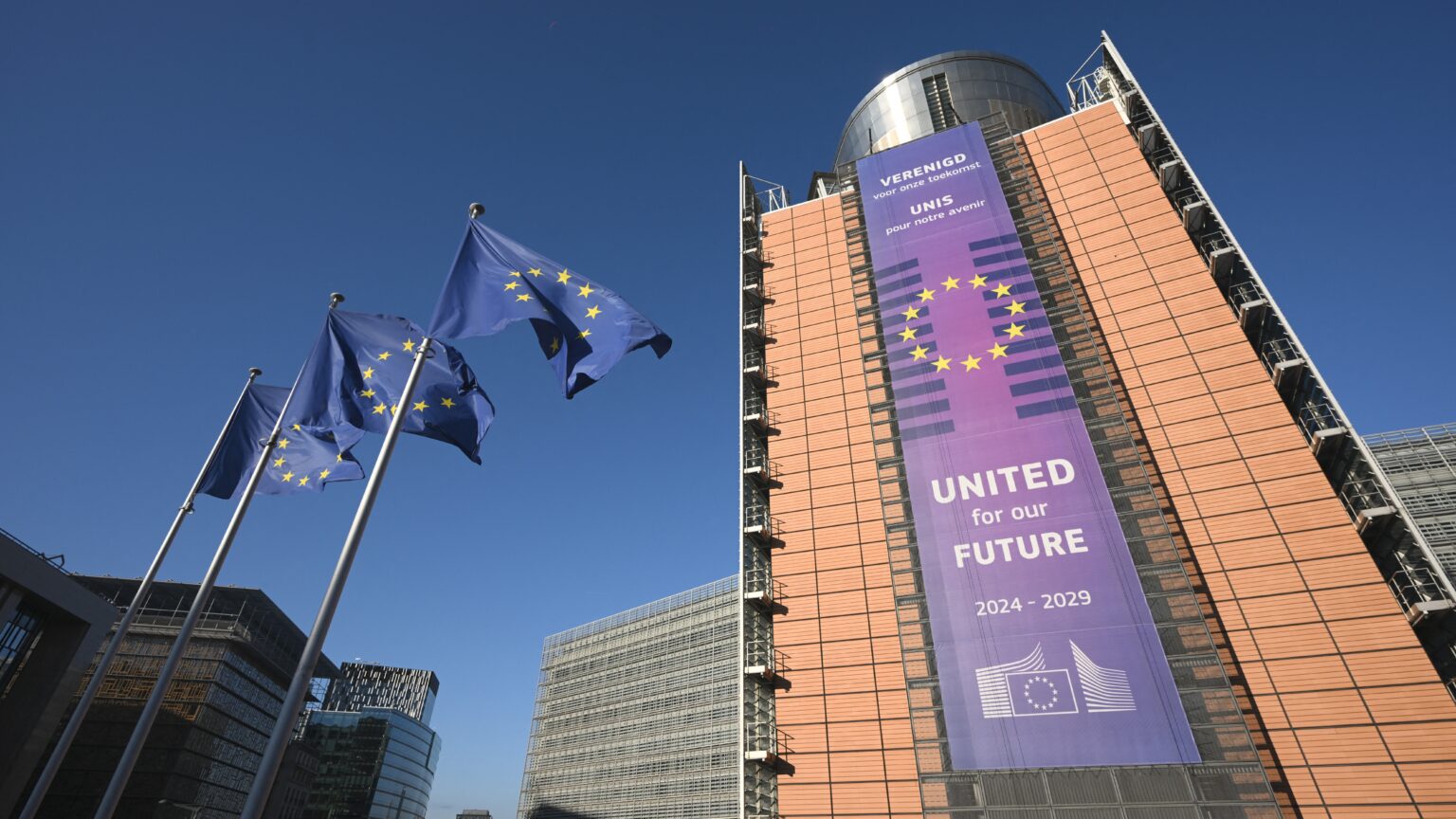
‘Step by step, competences are expanded without Treaty change, hollowing out the very legal framework that created the Union. If powers can be redefined without consent, sovereignty becomes fiction. Integration without sovereignty is not cooperation—it is merely empire-building.’
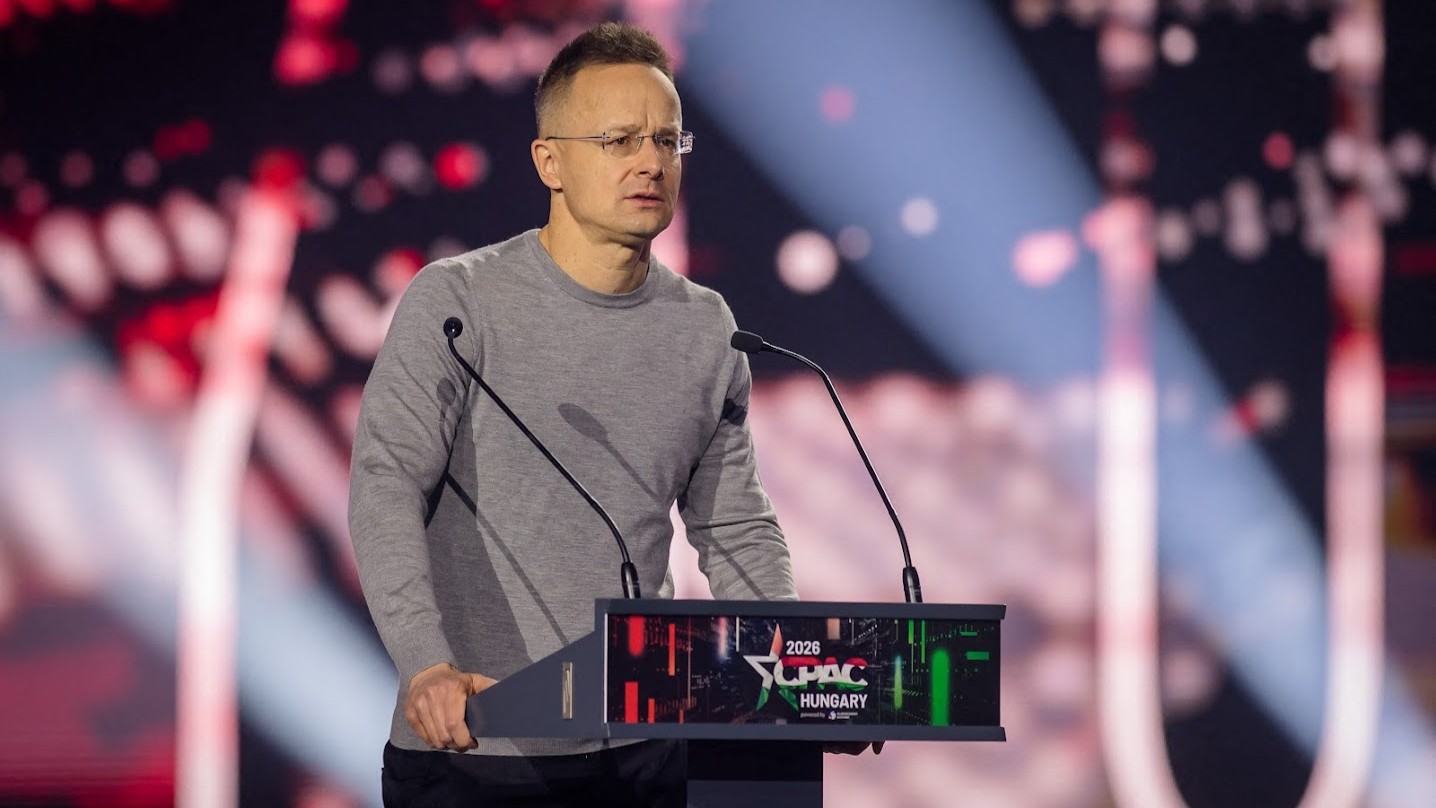
‘Do we really want to turn European politics into a game where the intelligence services of member states spy on the politicians of other member states and leak these conversations to the press? This type of politics would obviously destroy the European project itself—and it would do so quickly.’
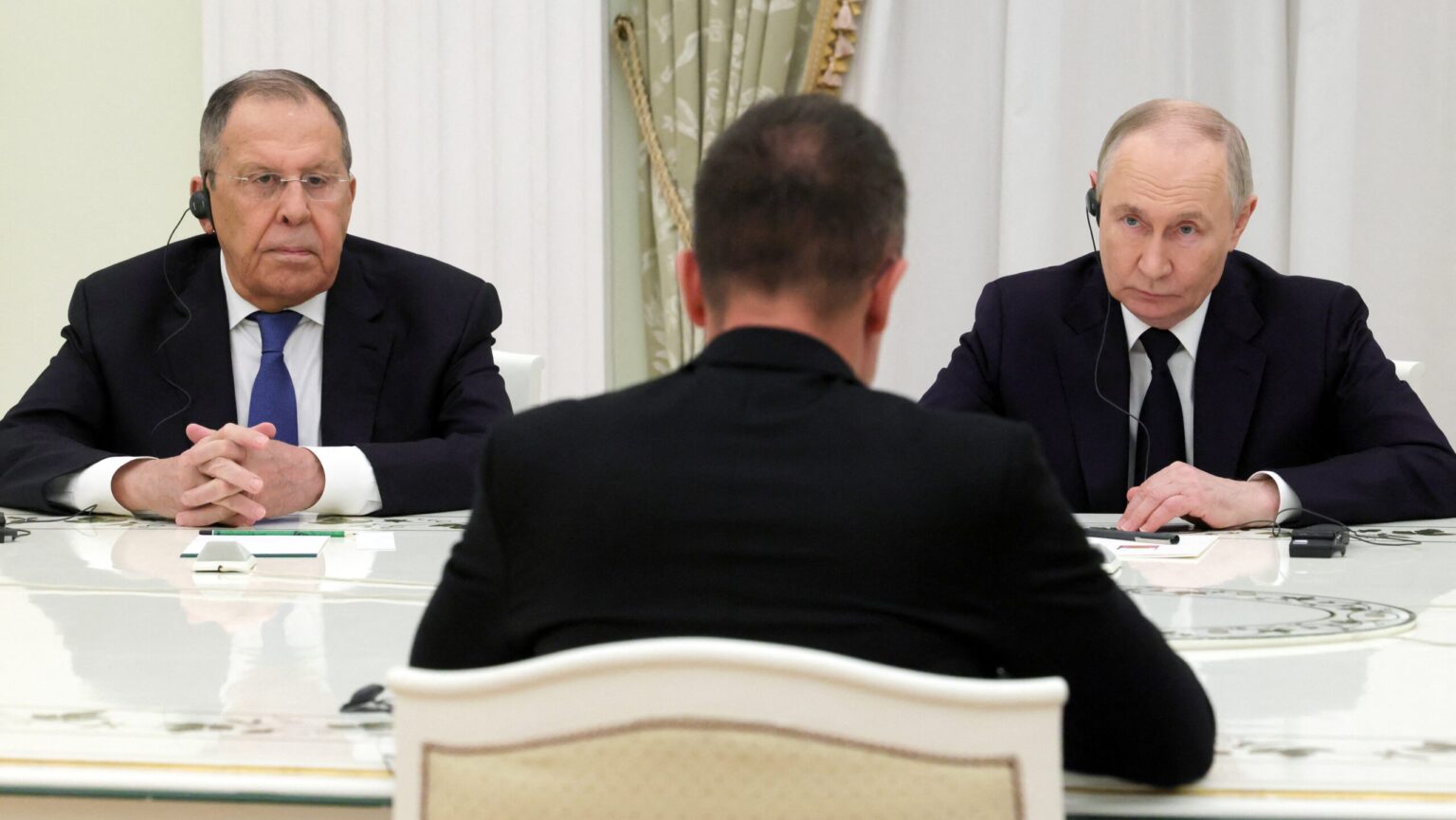
The European Commission has demanded ‘clarification’ from Hungary after reports alleged that Foreign Minister Péter Szijjártó leaked confidential EU discussions to Moscow, as election-related information warfare intensifies. The claims emerged days after Brussels activated its DSA rapid response system, which the government called a ‘coordinated operation’.
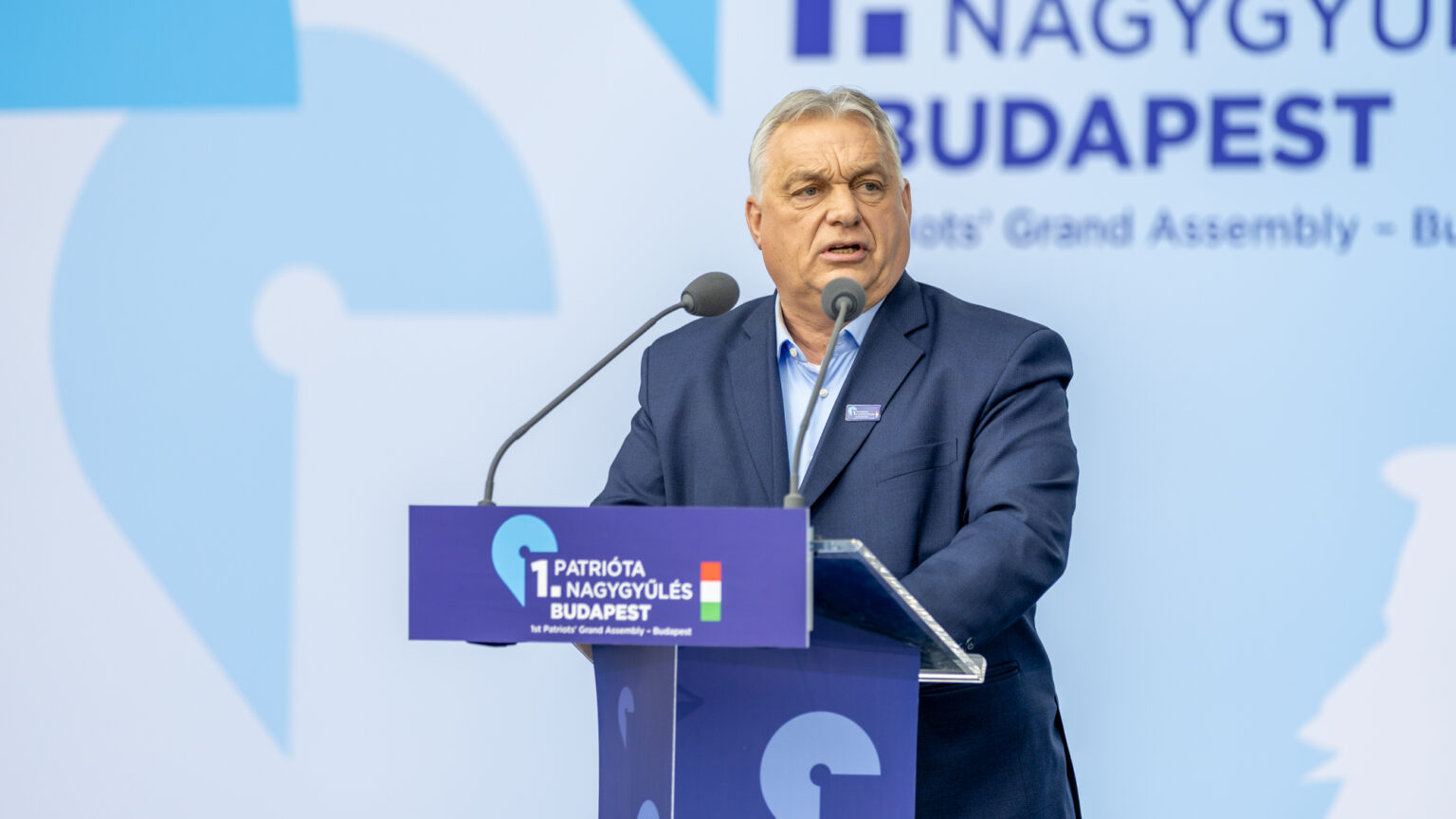
Following CPAC Hungary, Europe’s patriotic leaders returned to Budapest for the first Patriots’ Grand Assembly, once again transforming the Hungarian capital into a hub of right-wing coordination. The meeting sent a clear message of unity—and strong backing for Viktor Orbán ahead of the high-stakes election in April, the results of which will have impacts far beyond Hungary’s borders.
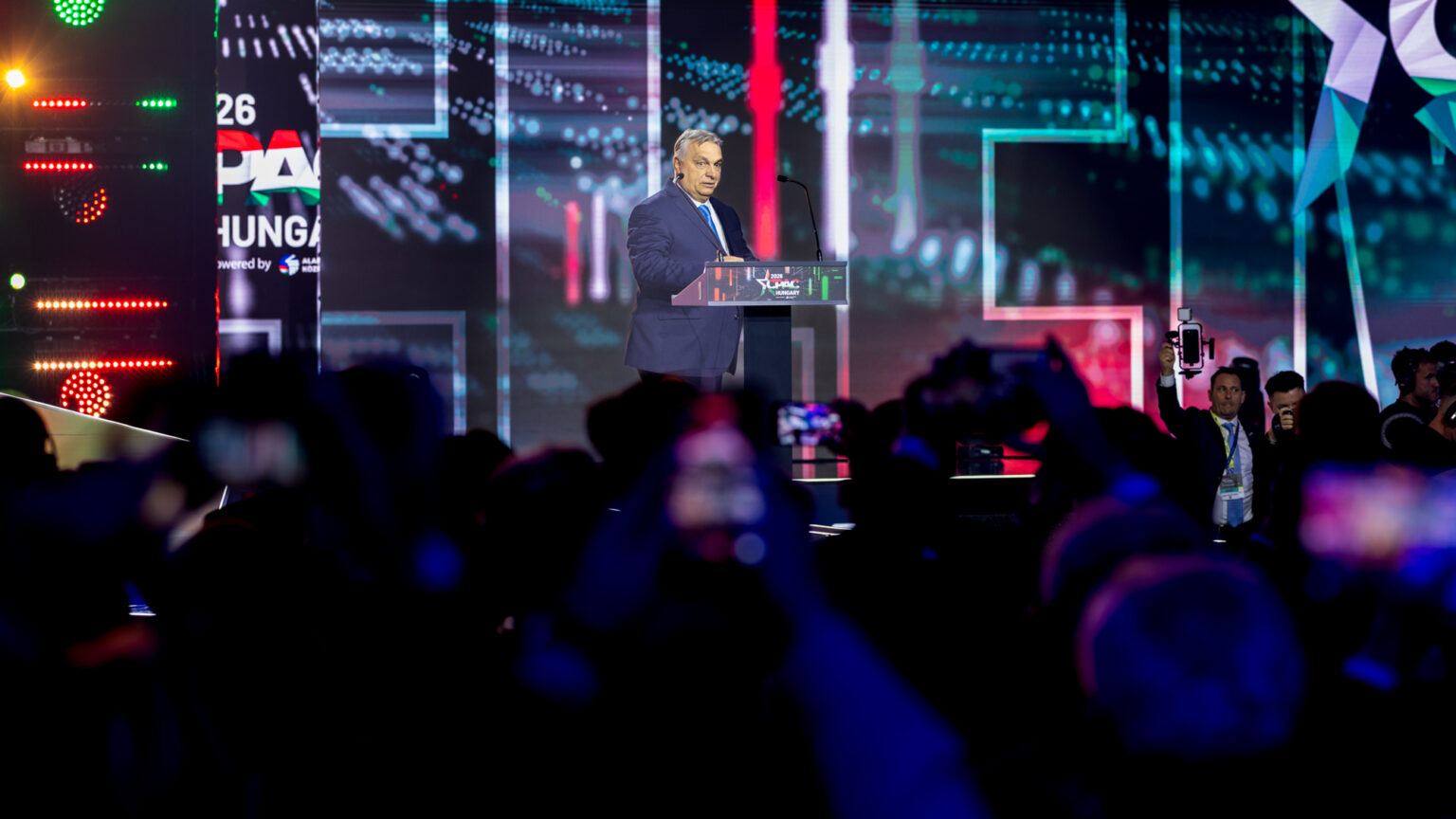
As Hungary heads towards a decisive election in April, the campaign has been engulfed by an intensifying information war. Over the weekend, Viktor Orbán and his government were accused of coordinating a fake Russian-backed assassination plot, injecting ‘truth serum’ into Ukrainian detainees, and leaking EU secrets to Moscow. All claims lack verifiable evidence today.

At a time when public debate is increasingly polarized and superficial, Hungarian Conservative remains committed to depth and independent thought.
Donate Now
Please consider supporting our mission.