
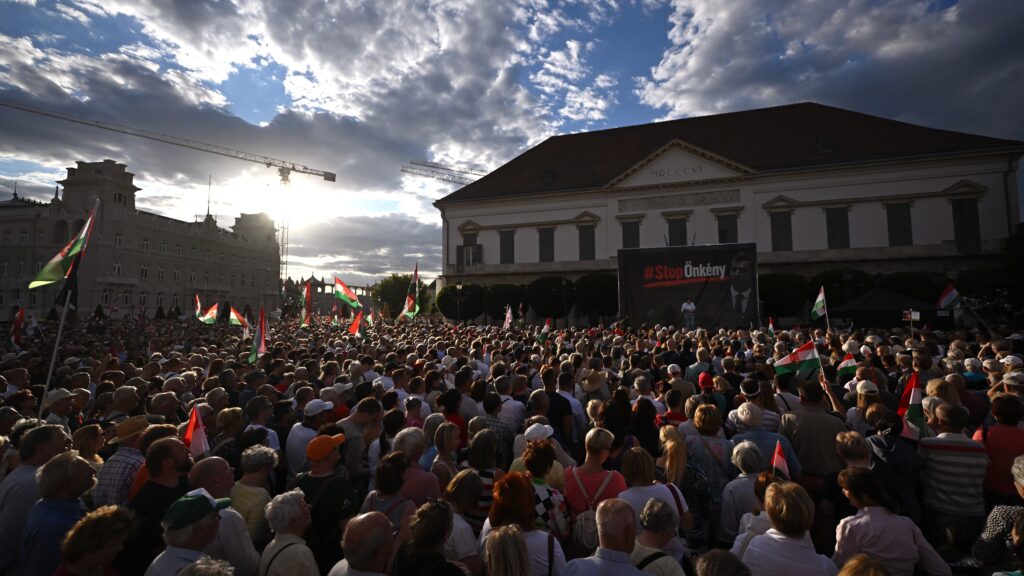

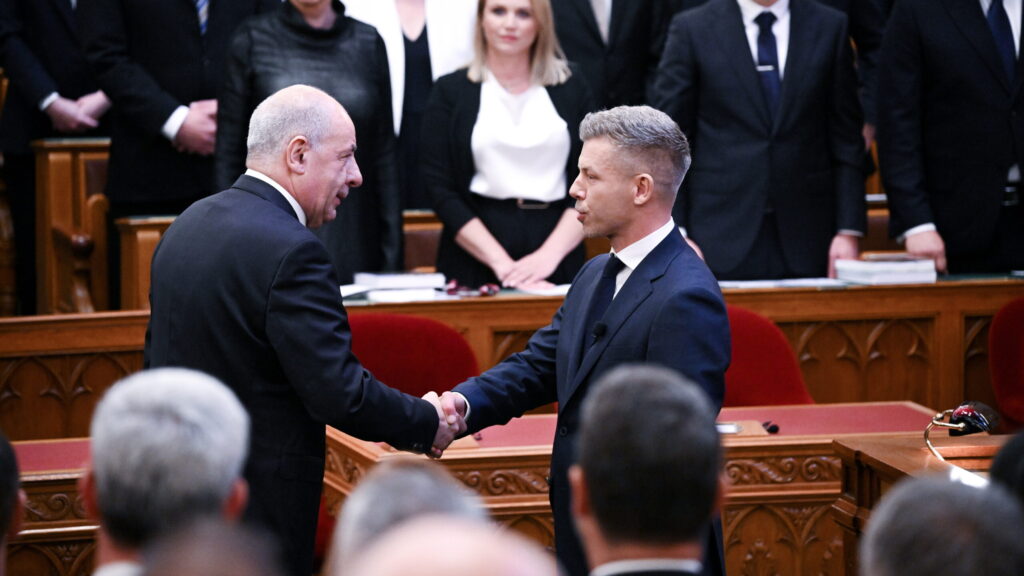
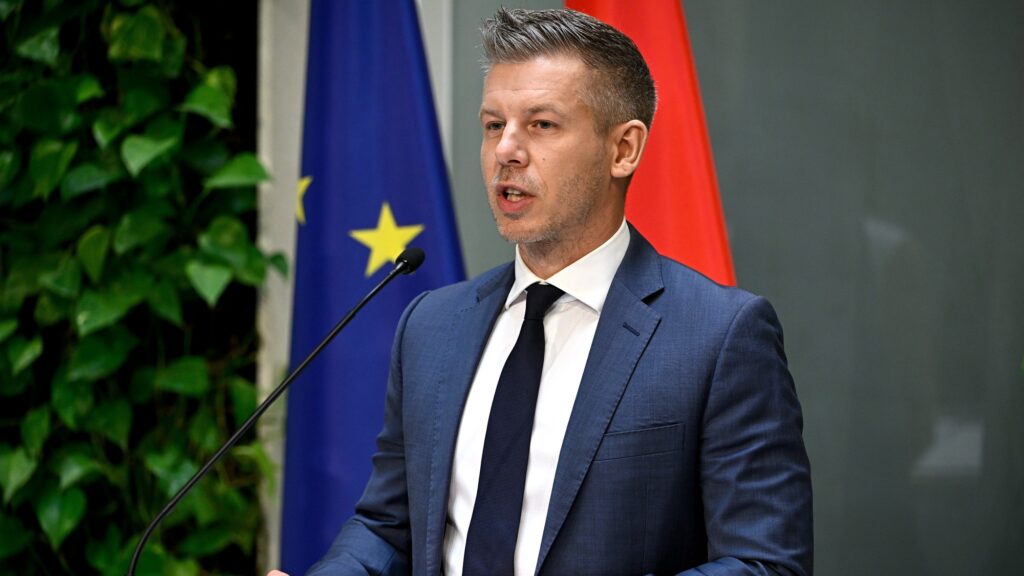
Prime Minister-elect Péter Magyar criticized Budapest Mayor Gergely Karácsony for organizing a concert one day before a planned national celebration marking the new parliament, calling the move inappropriate.
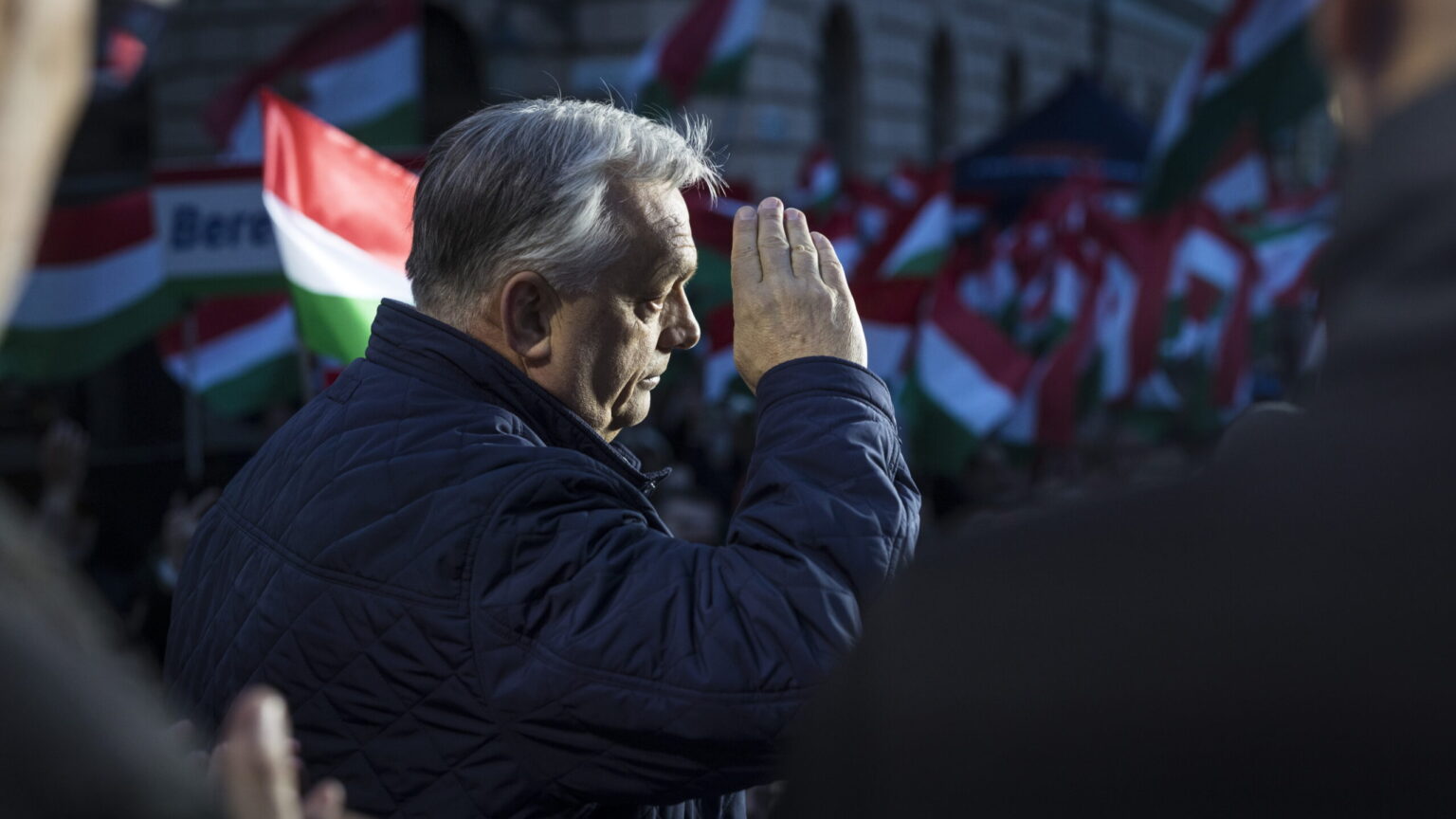
Hungary will not implement a recent European Union Court ruling on its child protection law, Prime Minister Viktor Orbán said, citing constitutional and sovereignty concerns in a letter to the president.
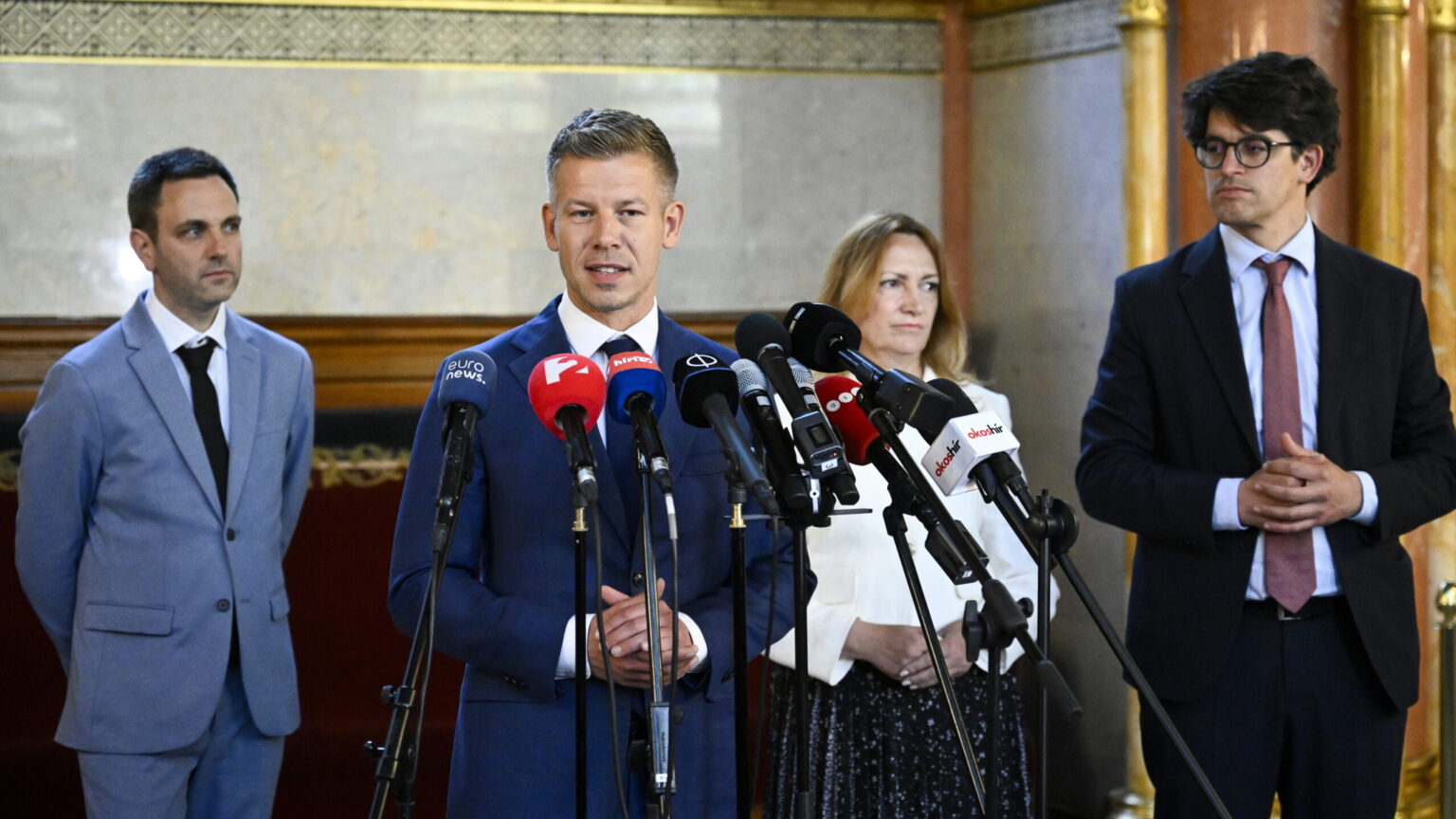
Hungary’s incoming Tisza government is facing accusations of nepotism after Péter Magyar nominated his brother-in-law as Minister of Justice. Although Márton Melléthei-Barna is widely regarded as a highly experienced legal expert, the appointment has opened an avoidable political front for the new administration—particularly sensitive given that Tisza repeatedly portrayed patronage networks and family-based loyalty systems as defining features of the Orbán era.
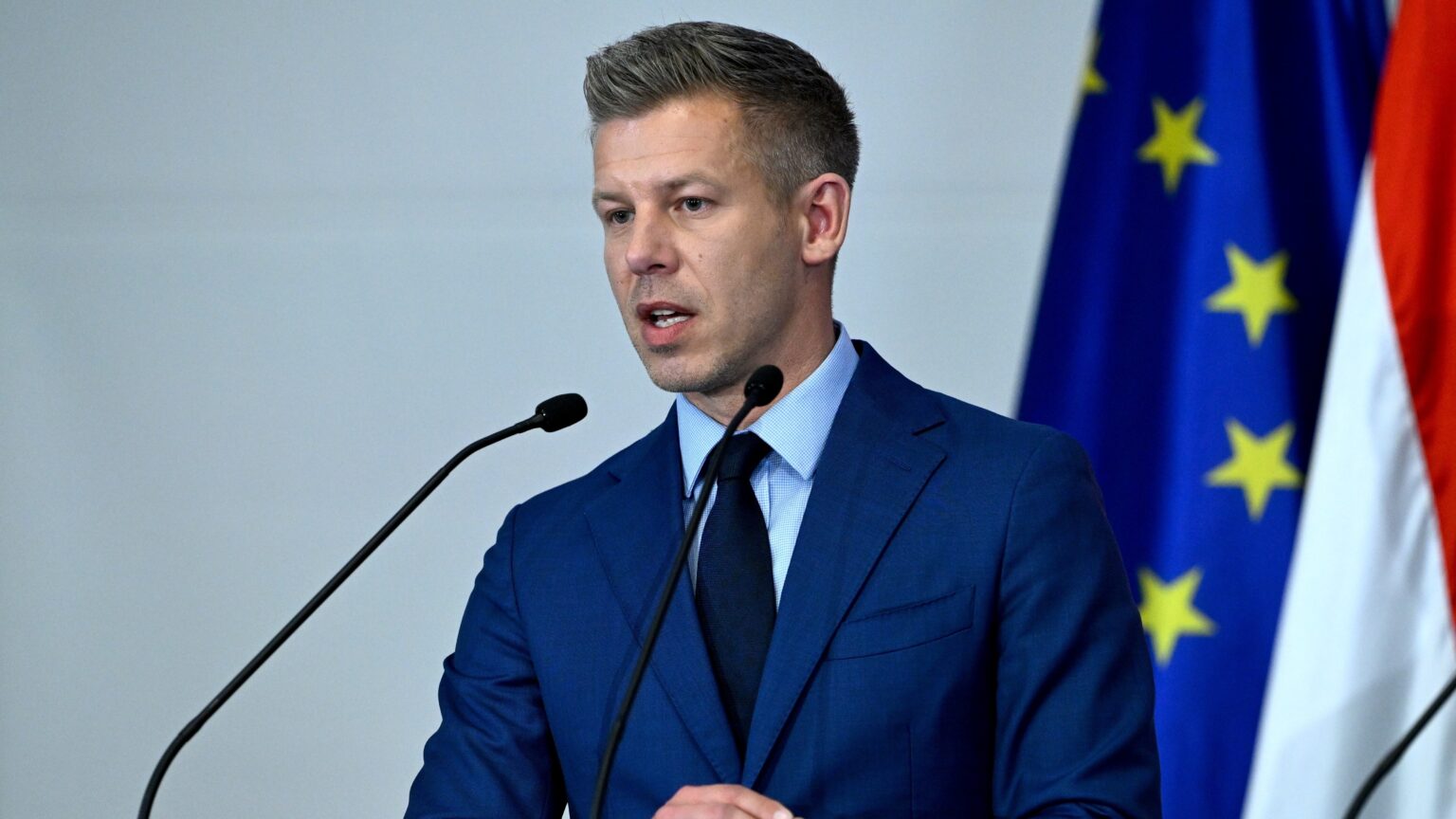
Hungary’s incoming prime minister Péter Magyar has completed the line-up of his Tisza government, naming ministers for interior and justice and finalizing a 16-member cabinet ahead of the new parliament’s inaugural session.
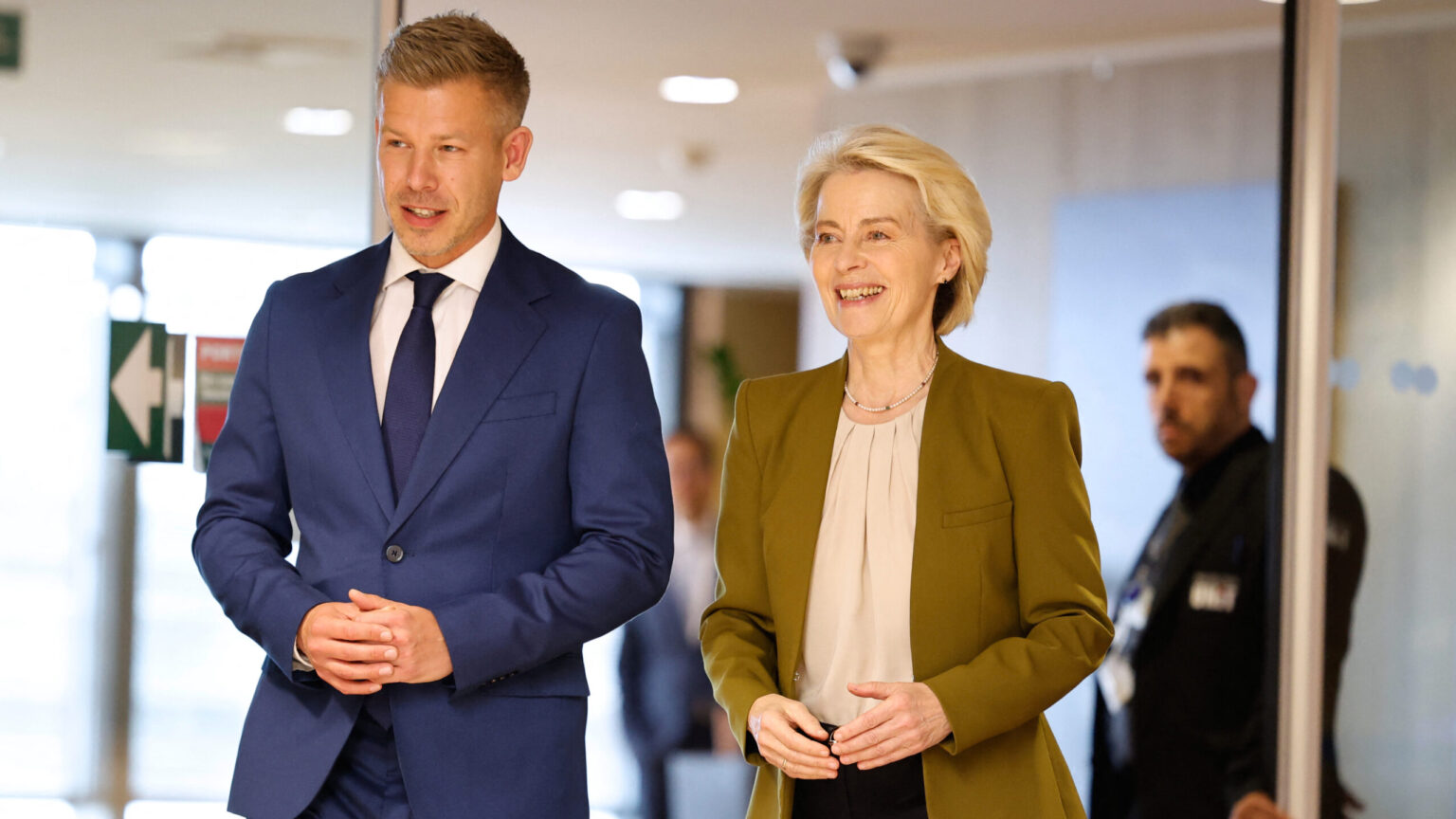
Prime Minister-Elect Péter Magyar and European Commission President Ursula von der Leyen agreed to finalize a political agreement by late May aimed at unlocking billions in frozen EU funds for Hungary. Magyar stated that none of Brussels’s conditions run contrary to Hungary’s national interests; however, the deal could require politically sensitive concessions on more ideological issues, particularly LGBTQ rights.
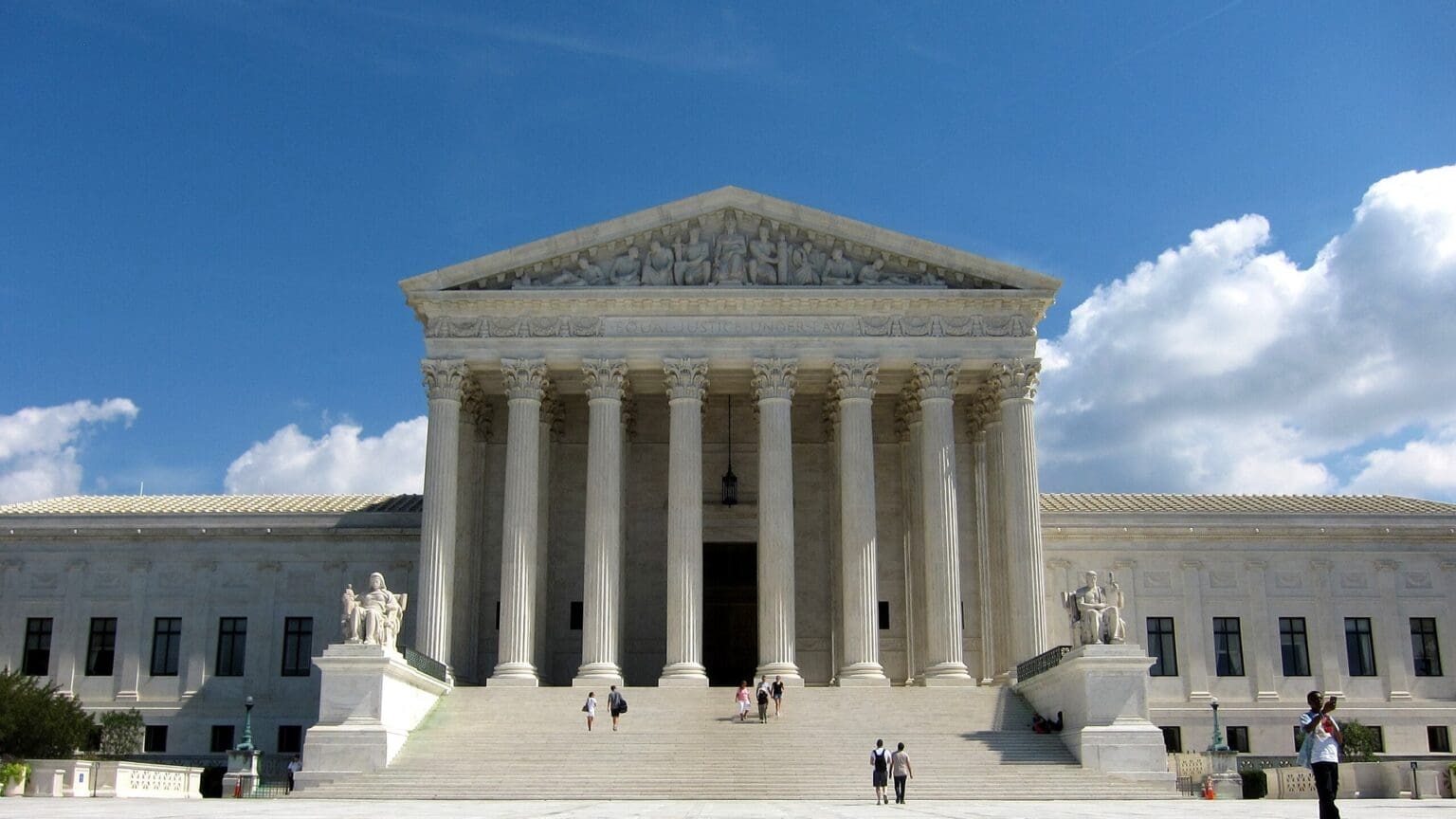
‘The ruling has implications far beyond the single House seat presumably gained by the GOP in Louisiana. It gives legal license for Republican stronghold states in the South to redraw their congressional maps, this time without high regard for black-majority districts.’
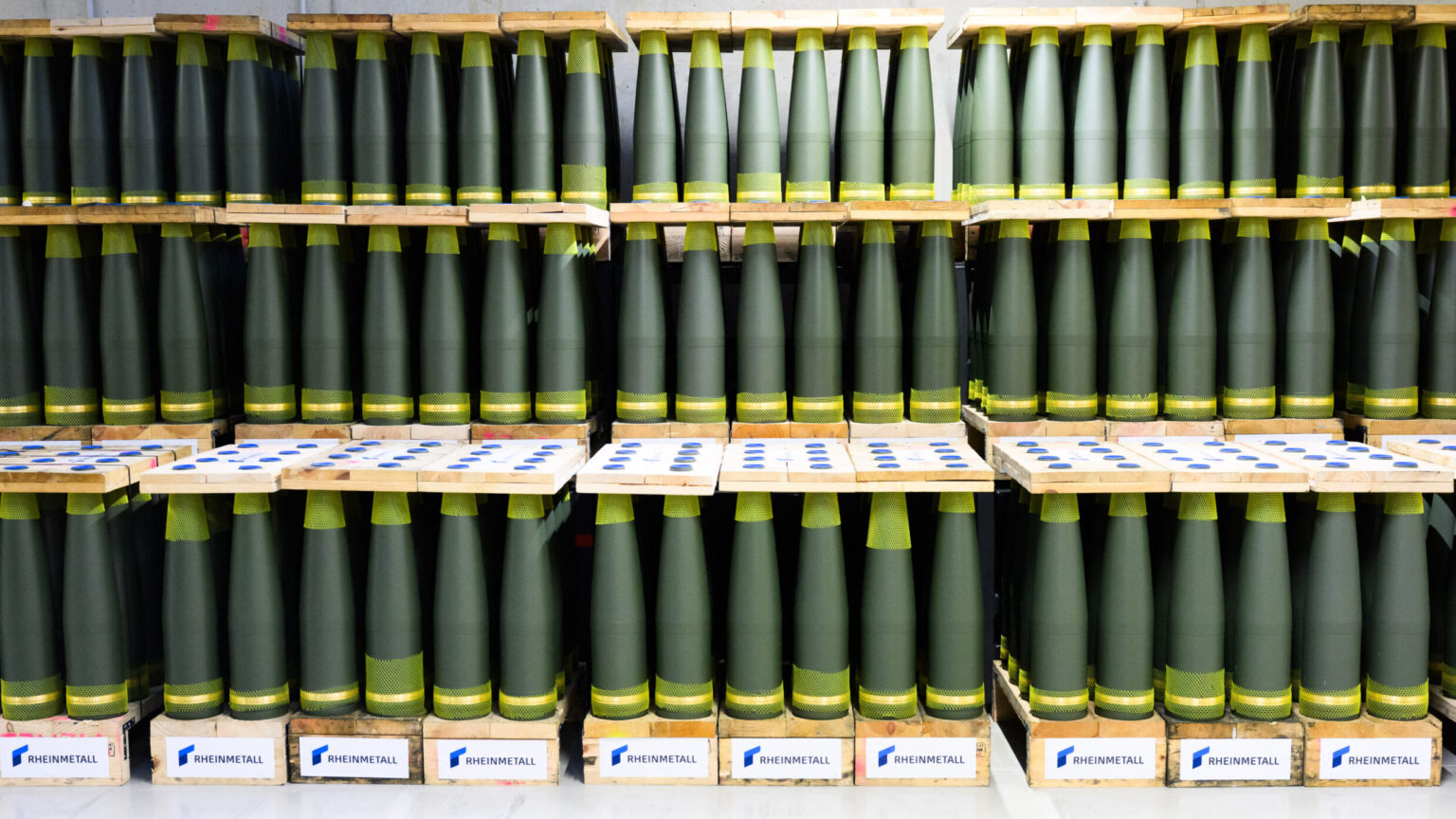
Germany now leads the US in conventional ammunition production capacity, according to Rheinmetall CEO Armin Papperger, reflecting Europe’s rearmament driven by the war in Ukraine and the broader recalibration of US–NATO relations under Trump. The company, mirroring a wider European trend, has expanded production capacities across the continent, including through important facilities in Hungary.
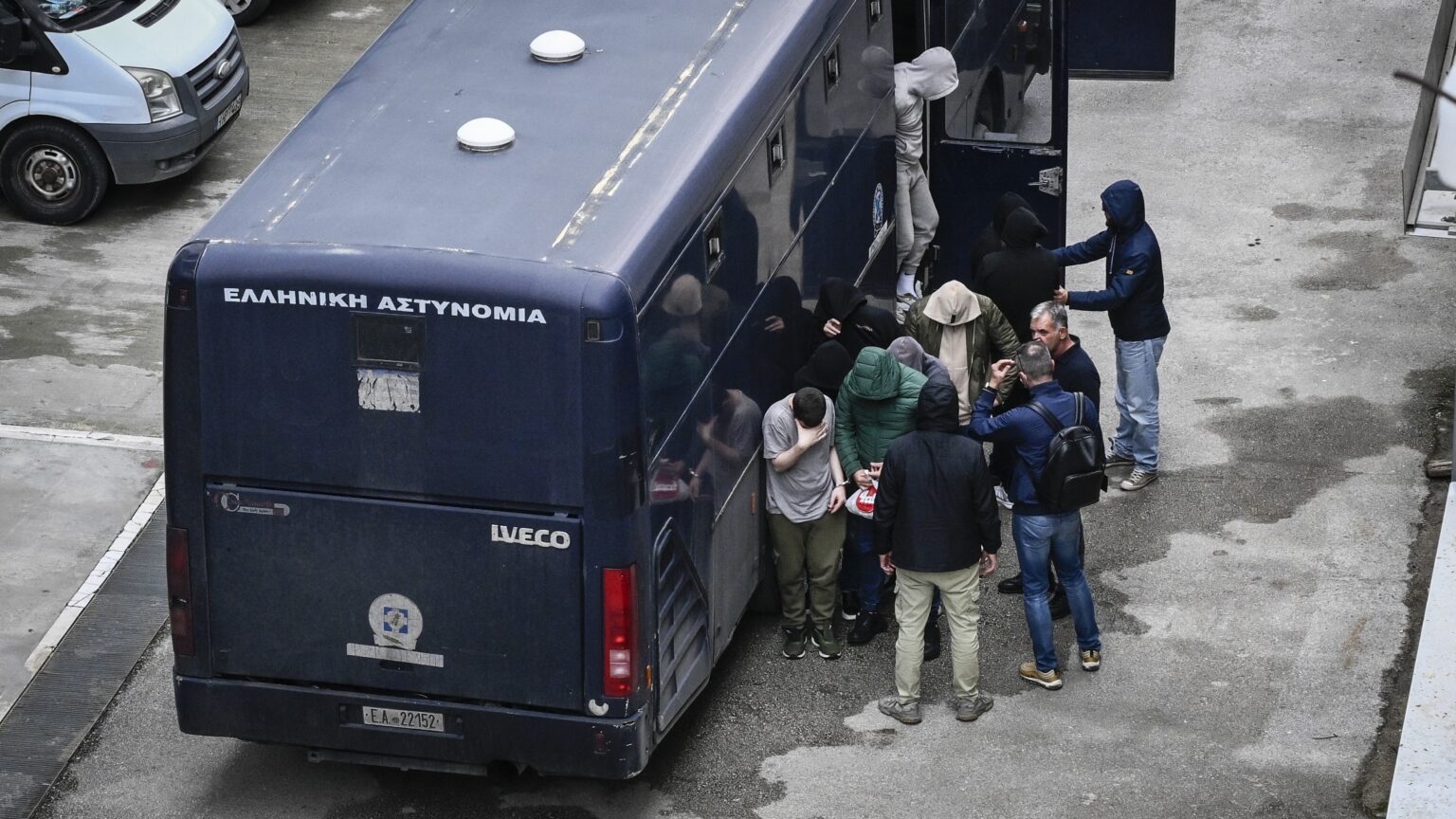
Greek MPs have waived immunity amid an European Public Prosecutor’s Office probe into misused EU farm funds. The scandal cost minister Konstantinos Tsiaras his post. Athens accuses EPPO of political bias as scrutiny widens and past EU probes raise doubts about its effectiveness.
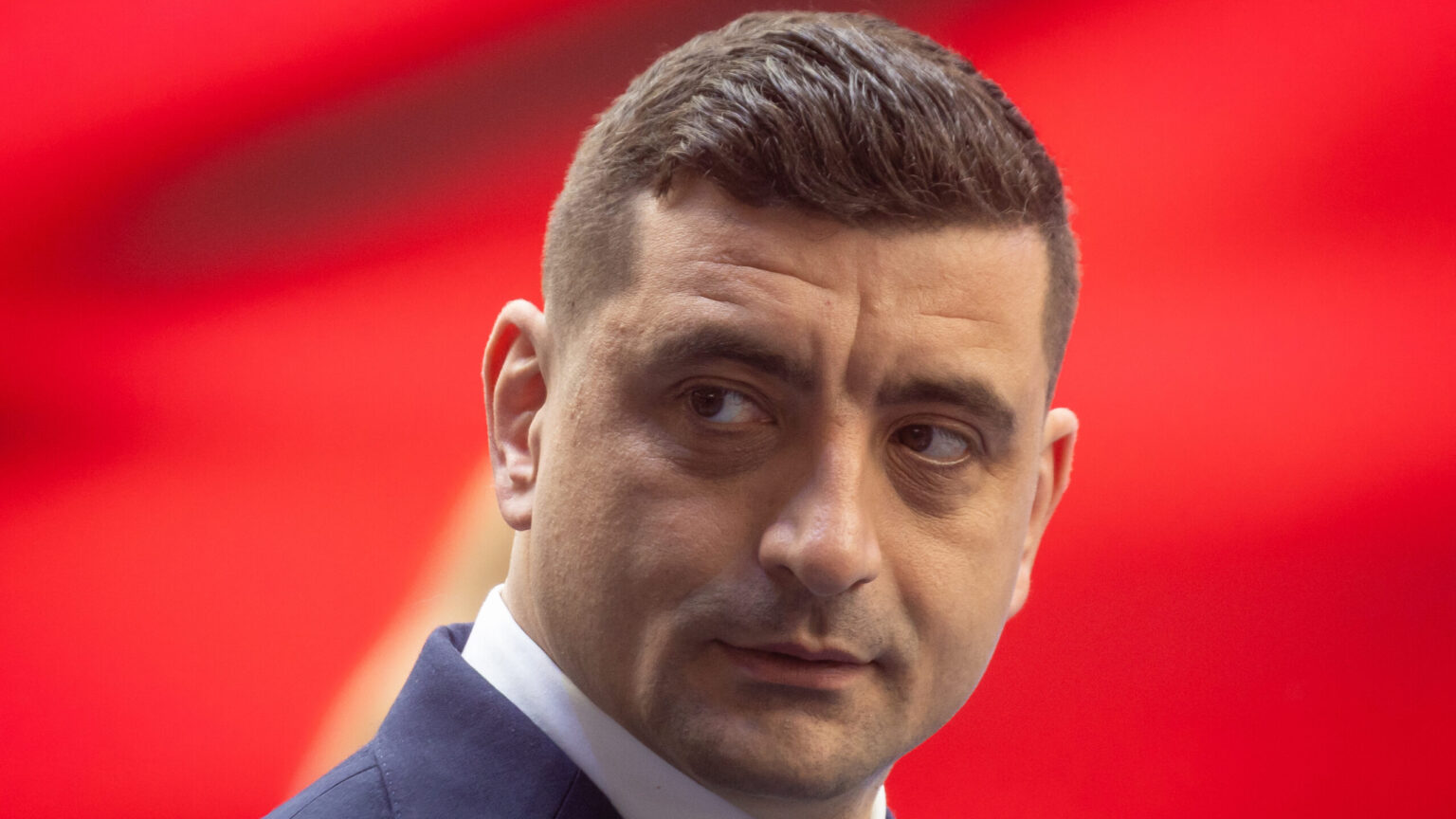
Romania’s deepening political crisis could create a strategic paradox for Hungary’s incoming government. While instability in Bucharest may strengthen Péter Magyar’s leverage in negotiations with Brussels over frozen EU funds, the growing influence of AUR simultaneously threatens the position of RMDSZ and could create unwanted tensions between Hungary and Romania.
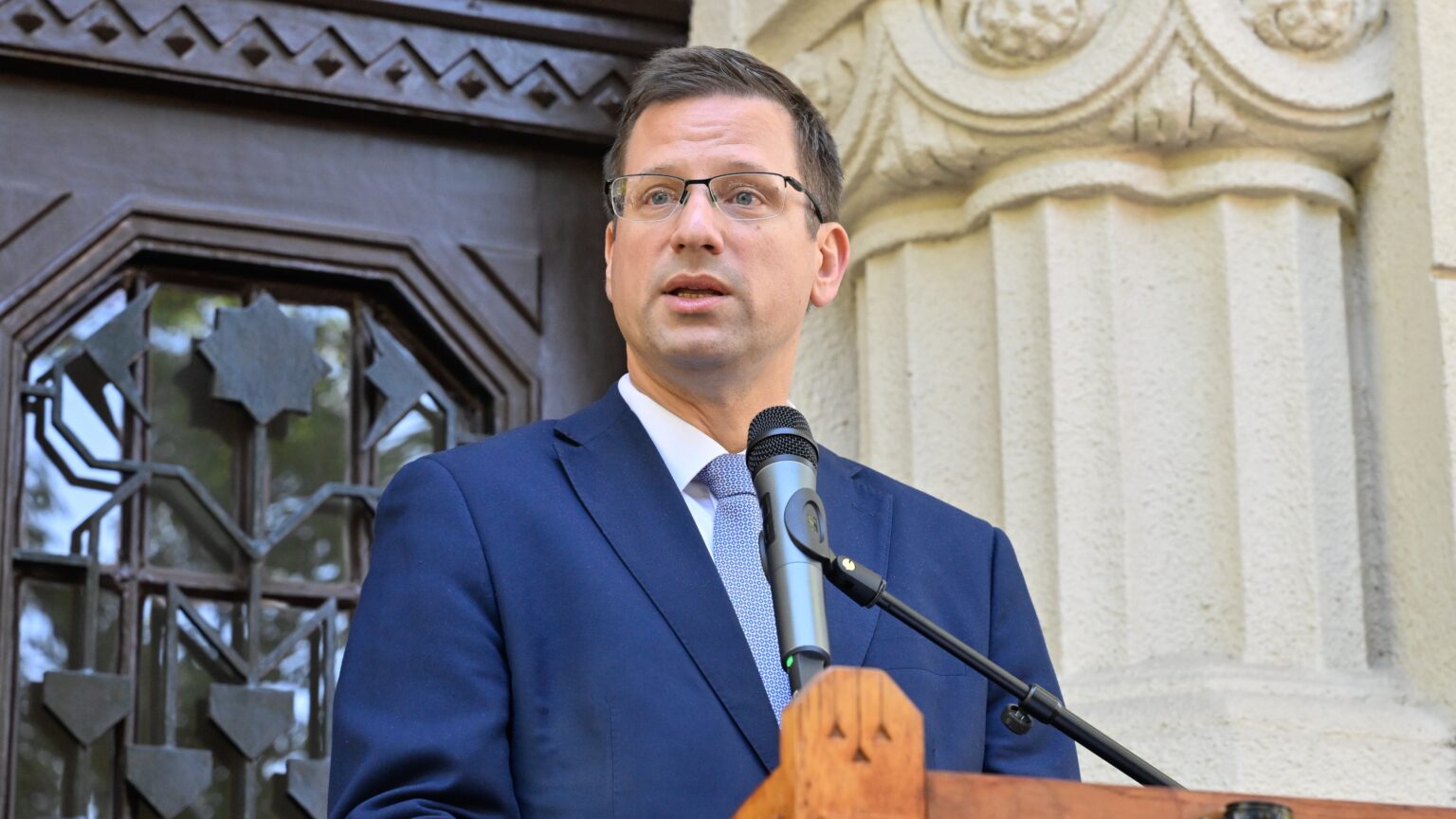
Fidesz has unveiled its new parliamentary group following its election defeat, with a mix of experienced politicians and new faces as part of a broader renewal effort.
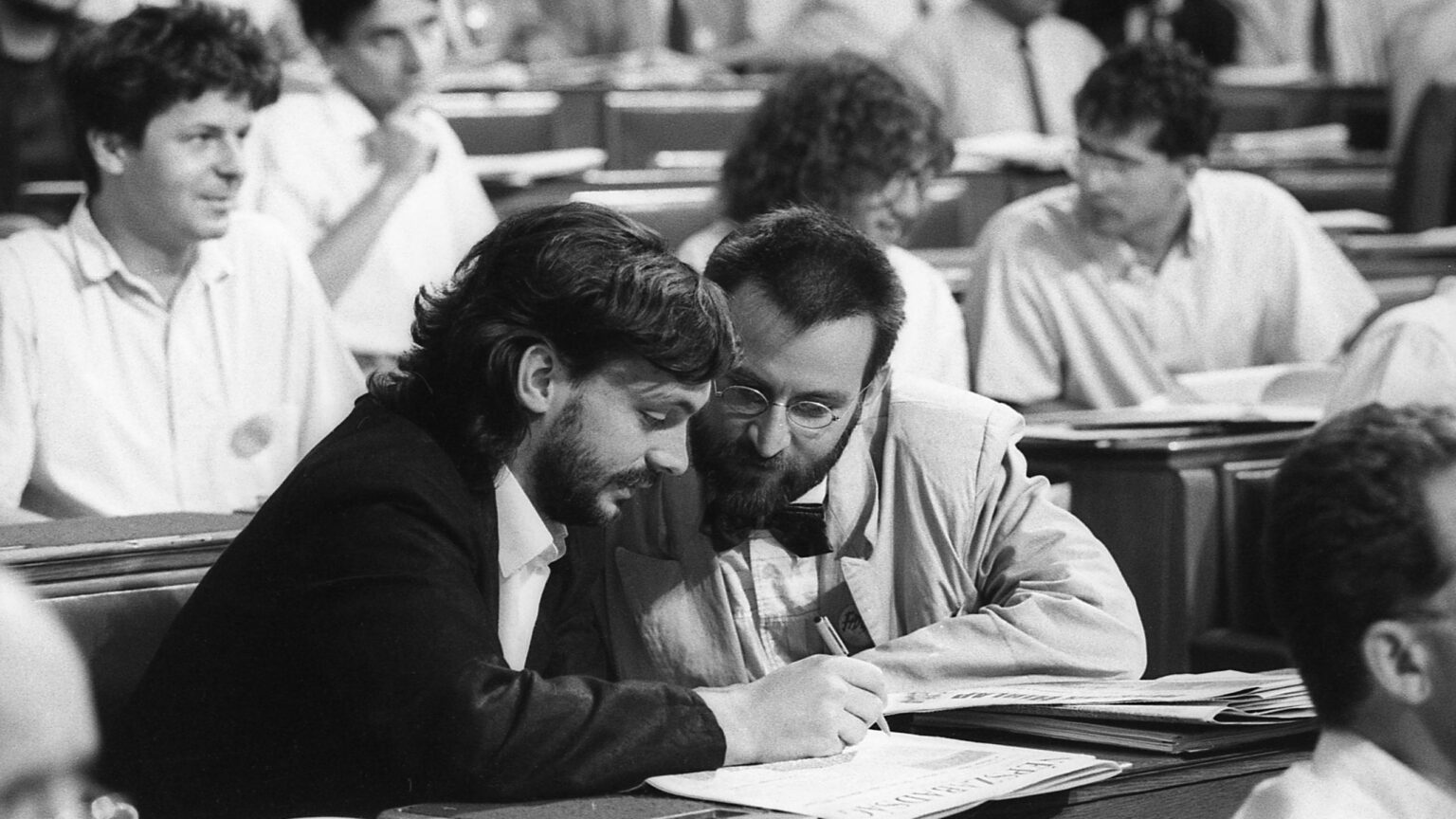
Viktor Orbán’s exit from parliament marks the end of an era—but also a deliberate attempt to shape what comes next. His move reflects a calculated effort to preserve his political myth and avoid becoming a constant, easily targeted opposition figure—or a liability for Fidesz after its crushing electoral defeat.
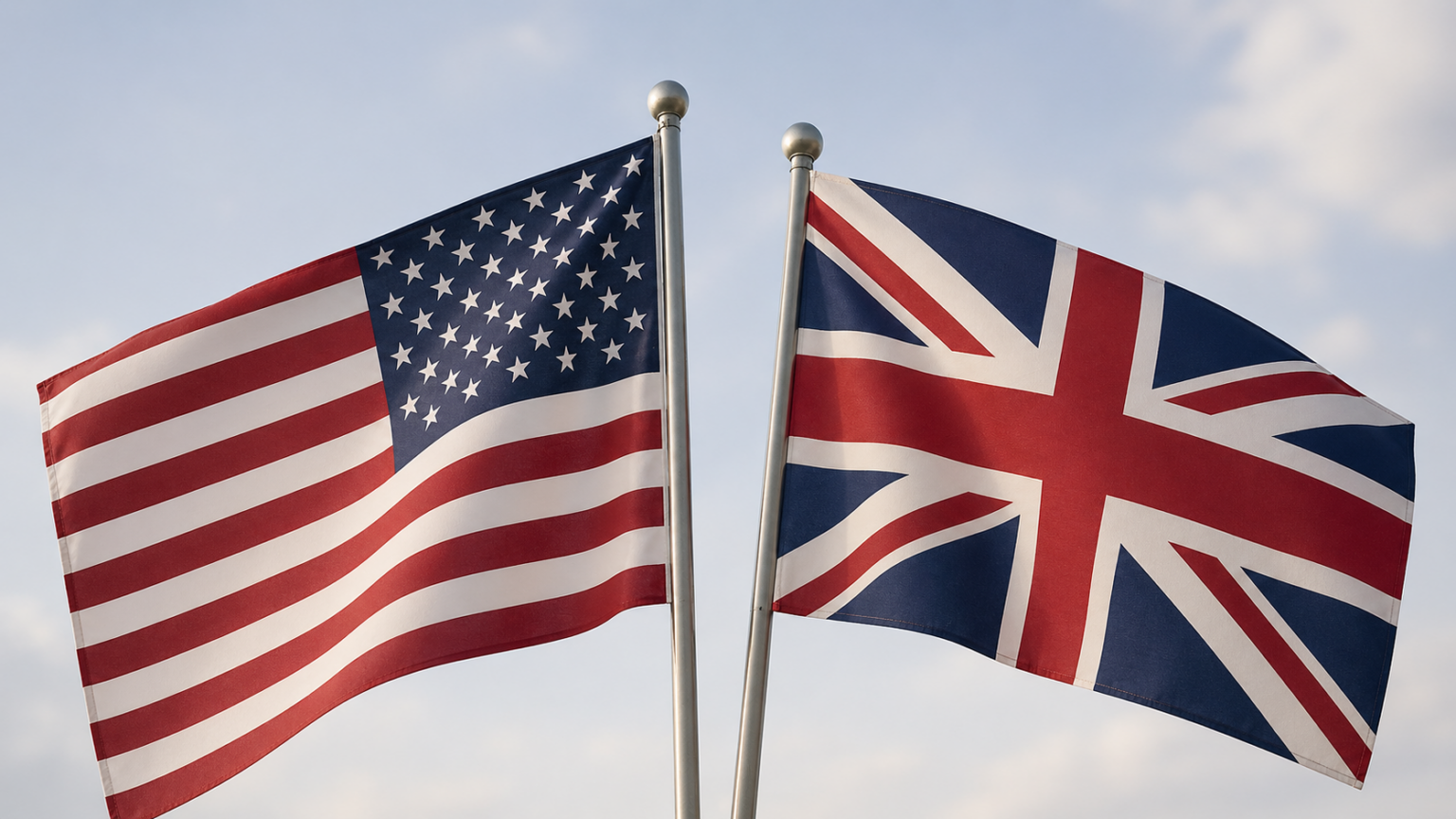
‘To be clear, this visit by King Charles III is more than welcome, and he will receive a proper reception, but American concerns won’t change. The special nature of our relationship was never under question in Washington. Rather, it is due to the special nature of the relationship that the U.S. will continue to push for more from its British allies.’
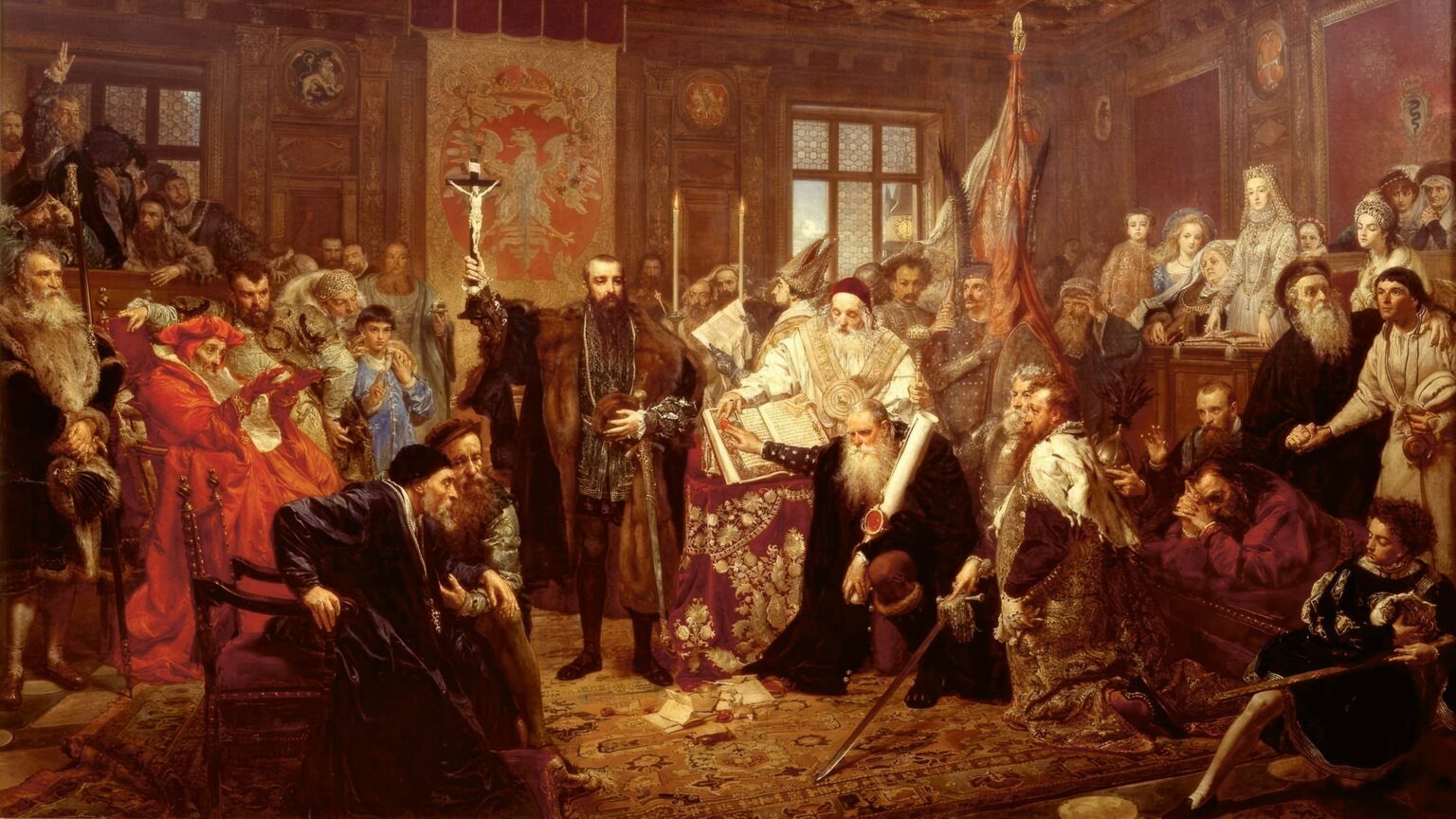
‘The Three Seas Initiative presents Hungary with a unique and timely opportunity to enhance its regional influence, accelerate domestic development, and reinforce national and alliance-level security objectives. While the initiative is not without its limitations, its potential to address infrastructure gaps, strengthen energy and digital resilience, and improve regional coordination makes it one of the most strategically relevant multilateral frameworks for the CEE today.’
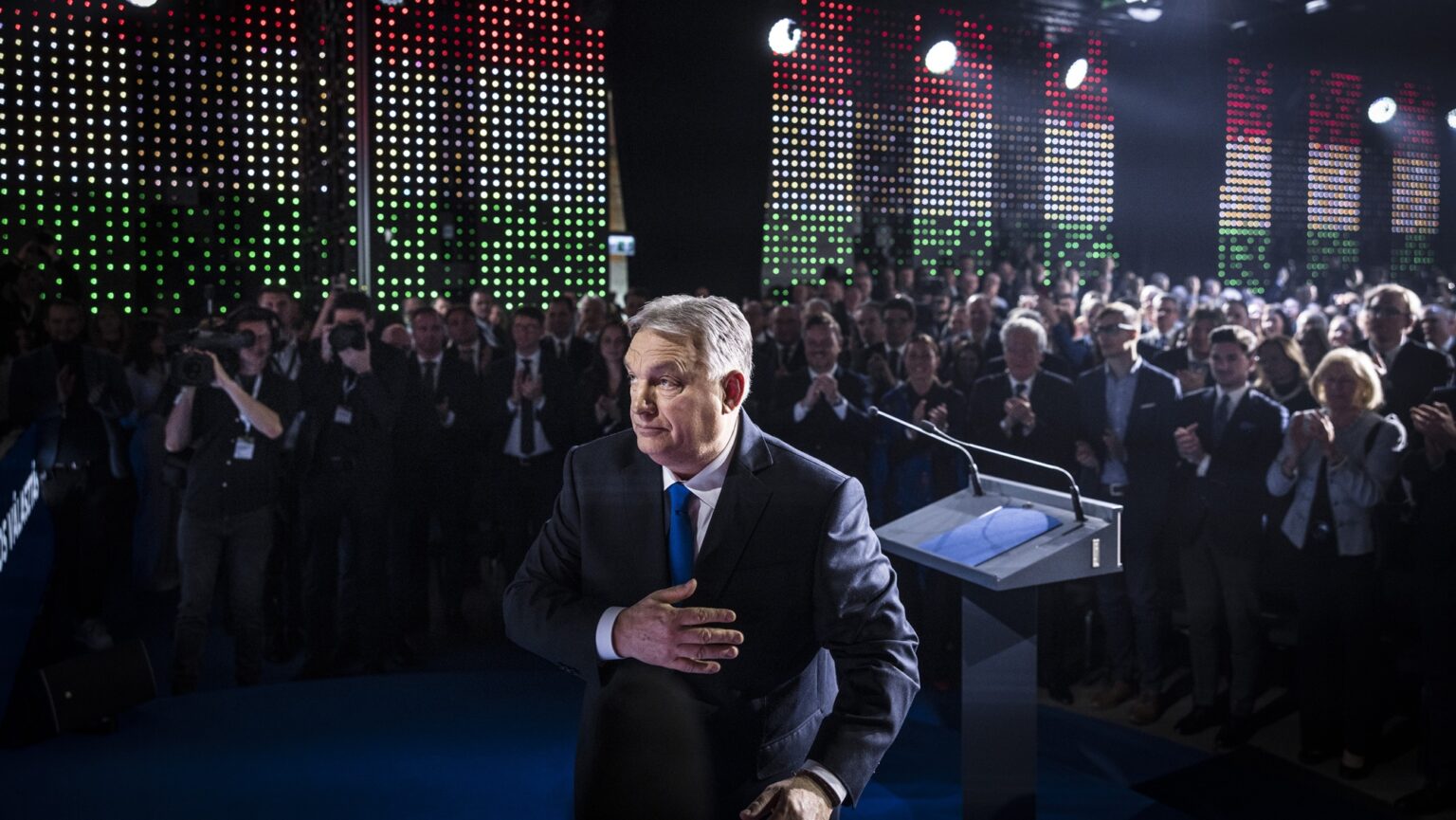
For the first time since the regime change in 1989–1990, Viktor Orbán will not be serving as a Member of the National Assembly of Hungary, signalling the start of a new political era in the country. He has returned his parliamentary mandate, and the Fidesz faction will be led by Gergely Gulyás instead.
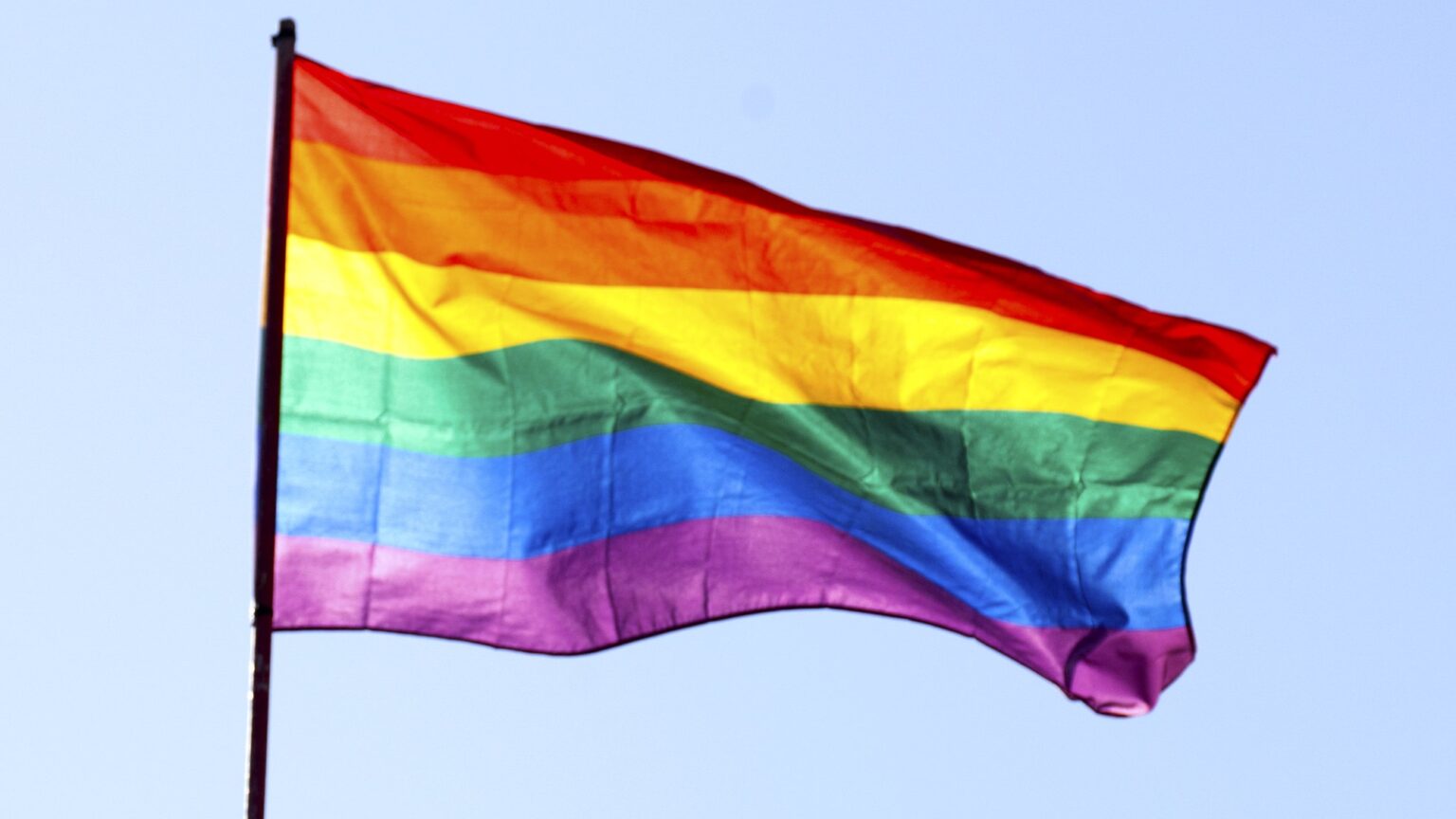
The incoming Minister of Education and Child Care Affairs of Hungary Judit Lannert, named by prime minister-elect Péter Magyar, has received backlash online after people found that she promoted LGBTQ activism on her Facebook profile in the summer of 2021, the time when the national Assembly of Hungary passed the Child Protection Act.

‘Looking at trends over the past decade, the migratory pressure on the European Union has been closely linked to global political and health events, which have directly shaped the trend in the number of first-time asylum applications.’

‘Instead of treating falsehood as falsehood, we pretend it is just one more opinion deserving of recognition and debate. In doing so, we open the door to insanity, allowing it to metastatize and masquerade as ideology.’
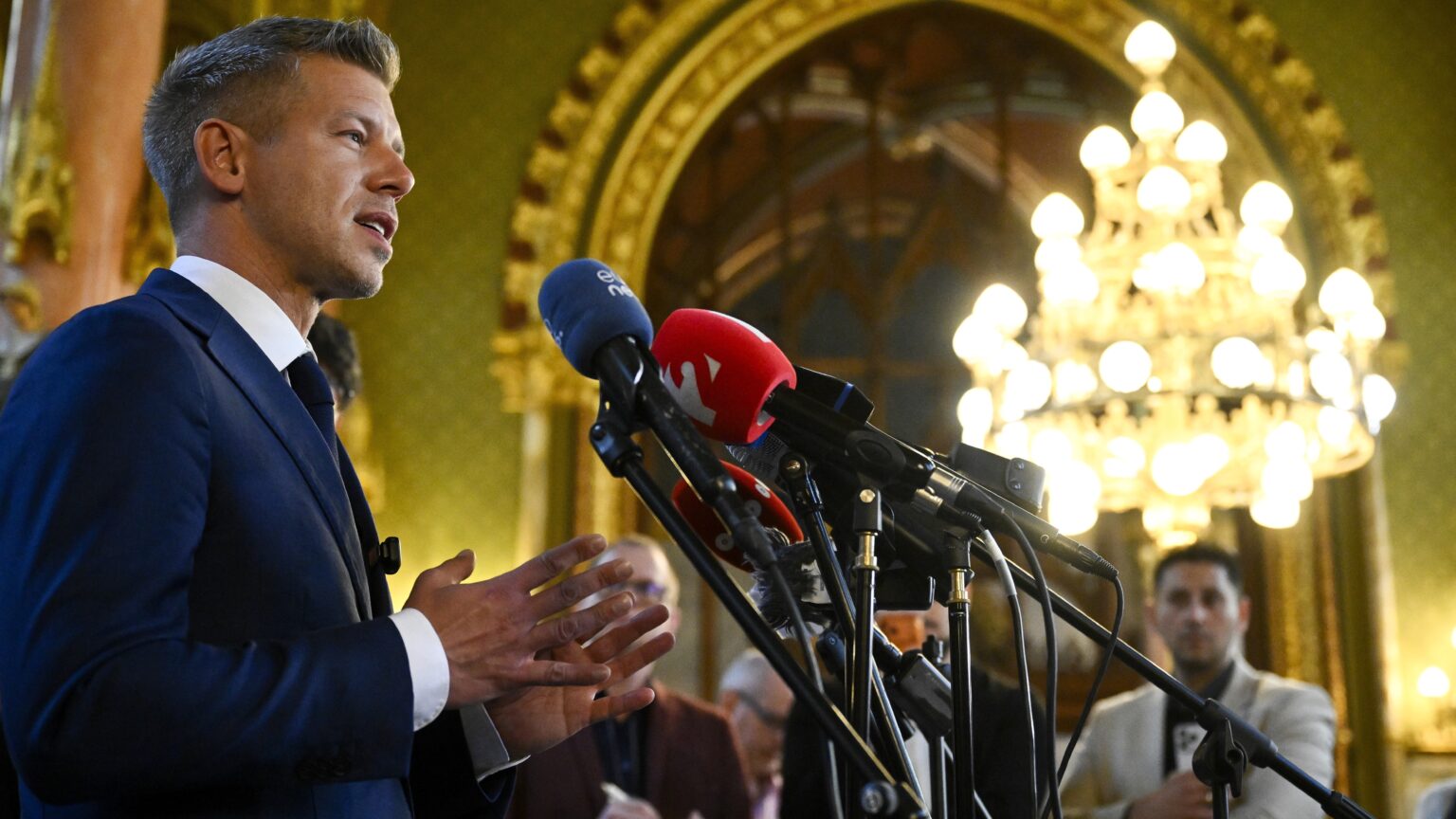
Hungarian prime minister-elect Péter Magyar has announced four additional ministers for the incoming Tisza government, including Vilmos Kátai-Németh, the first blind person to lead a ministry in Hungary. The Transport and Investment portfolio will be led by Dávid Vitézy, who has served in several positions linked to the Orbán government, while the ‘driving force behind the transition’, as minister heading the Prime Minister’s Office, will be Bálint Ruff, a political strategist well known in liberal and socialist circles.
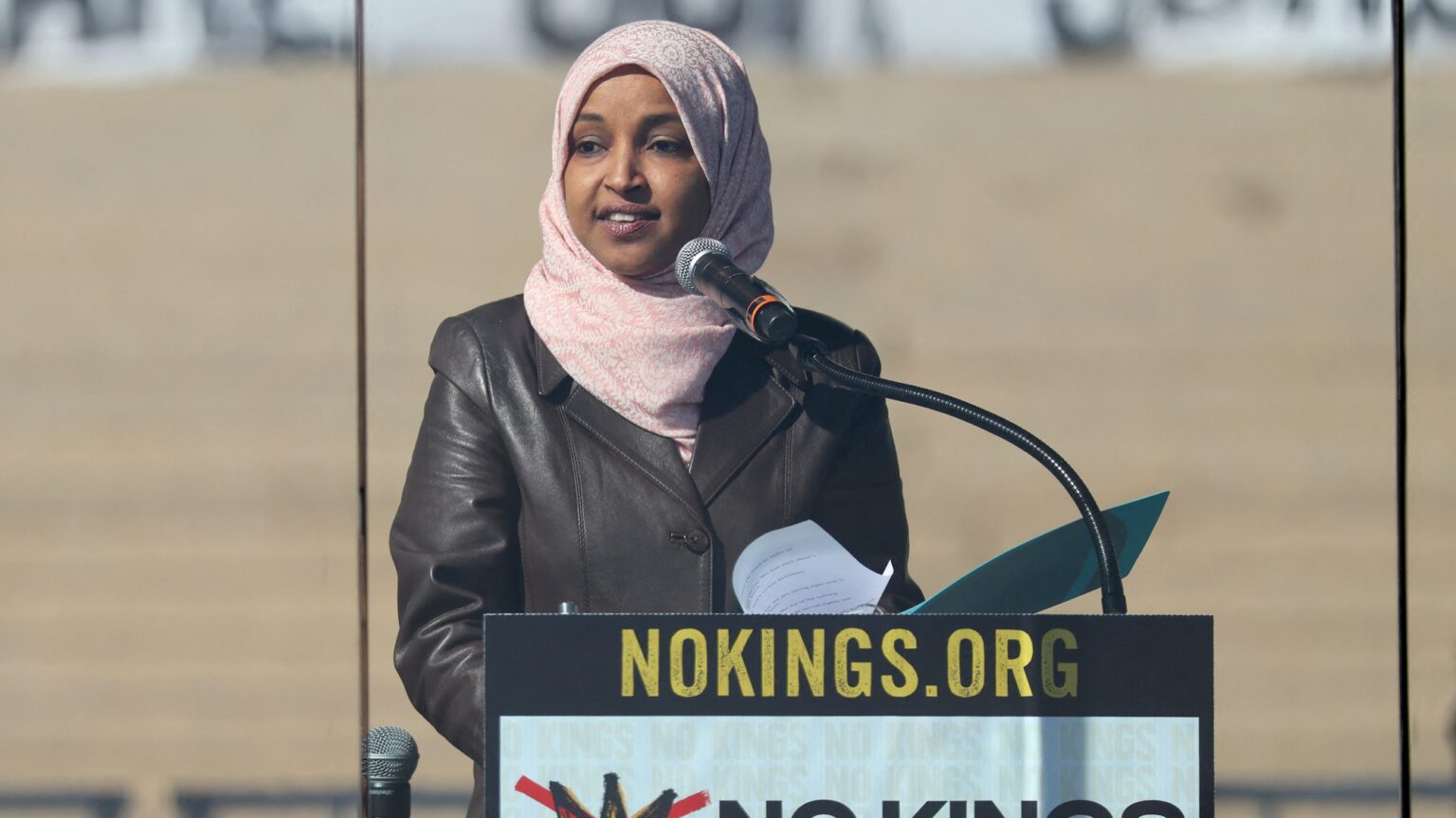
Democratic Congresswoman Ilhan Omar of Minnesota is involved in a scandal after The Wall Street Journal revealed that she had revised her and her husband’s net worth from $30 million to just $100,000 in her financial disclosure. Additional scrutiny of their financial report found a winery, valued at millions of dollars, which does not seem to be selling any wine.
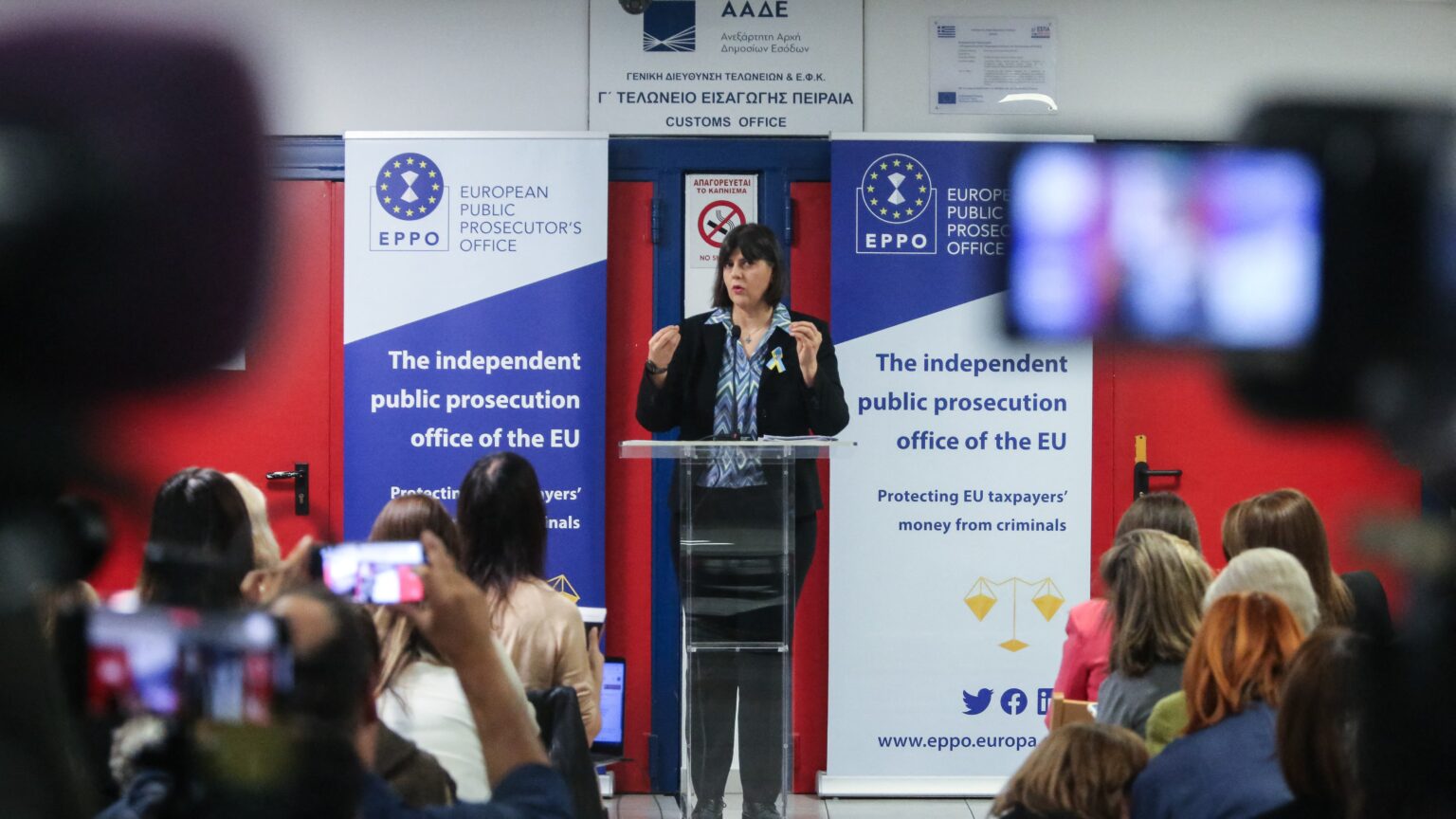
The European Public Prosecutor’s Office stands ready to cooperate with Hungary if it joins the body, its chief Laura Kövesi said, adding that the timeline depends largely on legislative steps in Budapest.
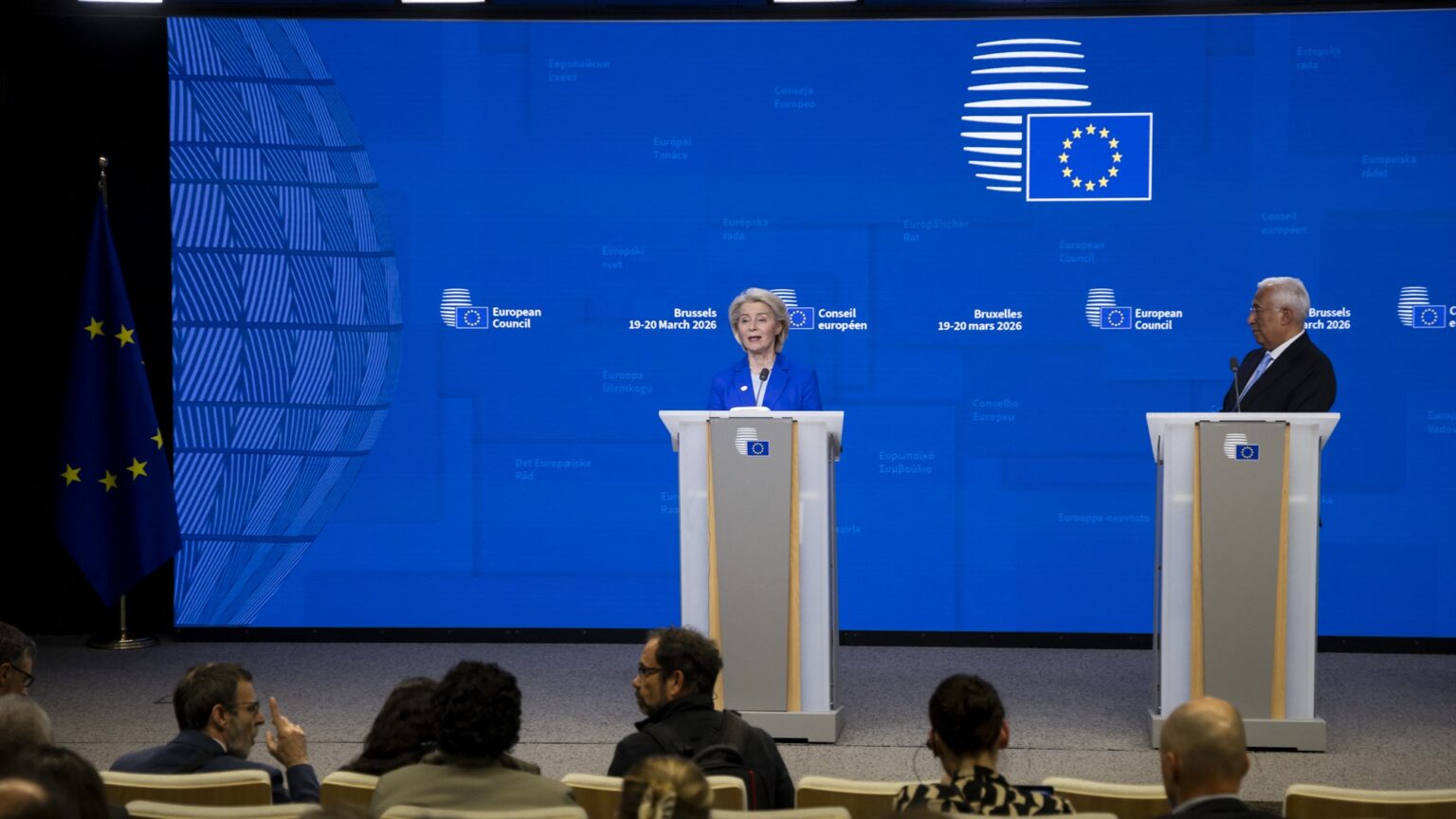
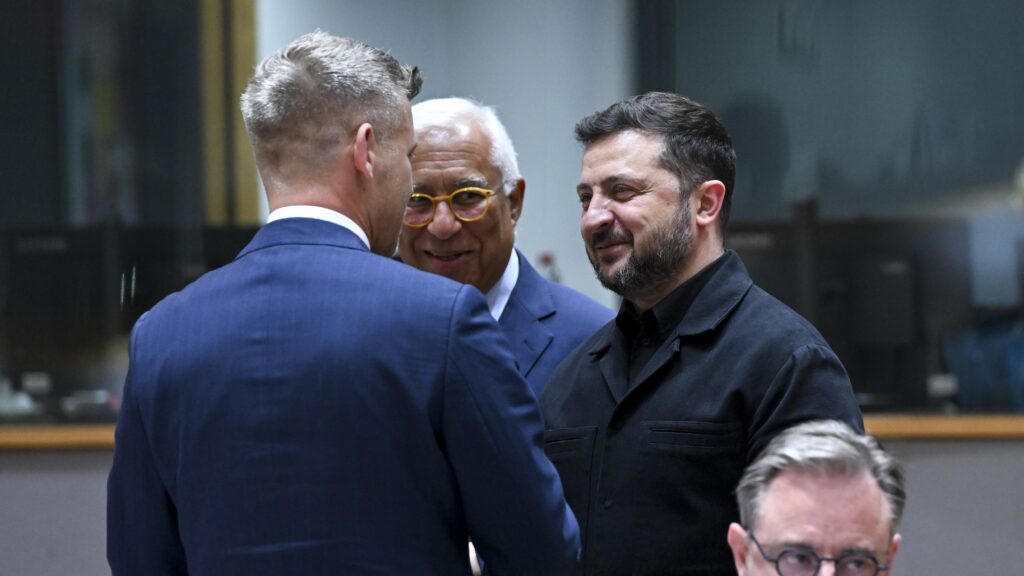
Without outgoing Viktor Orbán of Hungary and with President Volodymyr Zelenskyy of Ukraine in attendance at the EU Summit in Cyprus, the EU is expected to approve its €90 billion loan package to Ukraine and impose a 20th sanctions package on Russia. However, the most pressing issue will be the energy crisis on the Old Continent, as the Strait of Hormuz remains closed in the US–Iran conflict.
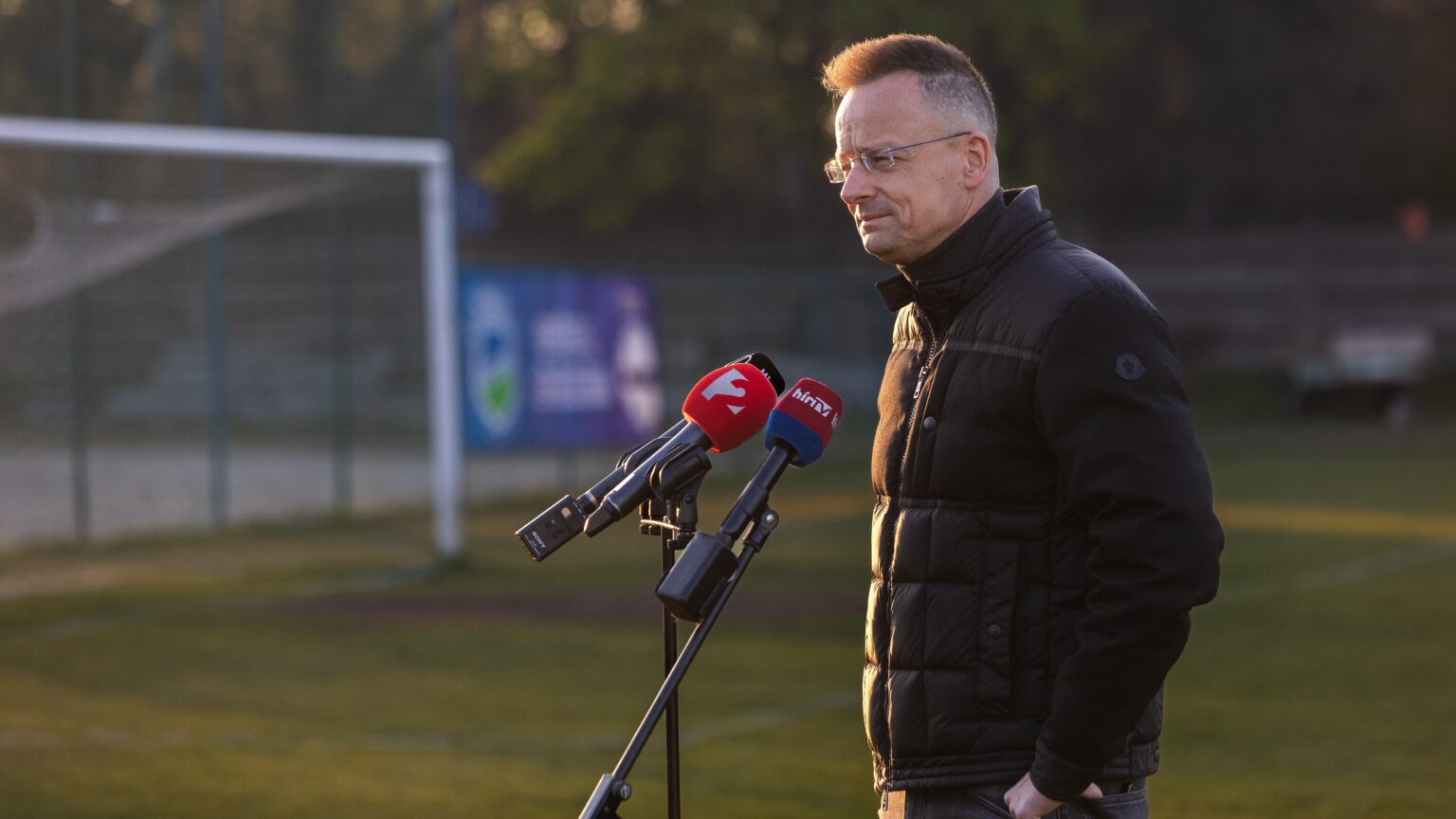
Hungary’s Foreign Minister Péter Szijjártó said the election result must be respected, acknowledging the government’s defeat while defending its record and calling for a less hostile political climate.

‘The debate thus essentially revolves around two models: efficiency- and performance-based resource allocation, and an approach that prioritizes catching up and cohesion. The current proposal clearly reinforces the former, thereby opening new political fault lines among member states.’

Hungary’s new parliament will convene on 9 May in a historic session, but the real story lies in who is missing. For different reasons, left-wing and liberal parties have disappeared from the legislature, raising serious questions about their political future: what lies ahead for the Hungarian left?

‘As of now, the Age Verification App is a voluntary tool for both digital platforms and users. However, often the EU’s “voluntary” tools soon become mandatory dictates.’
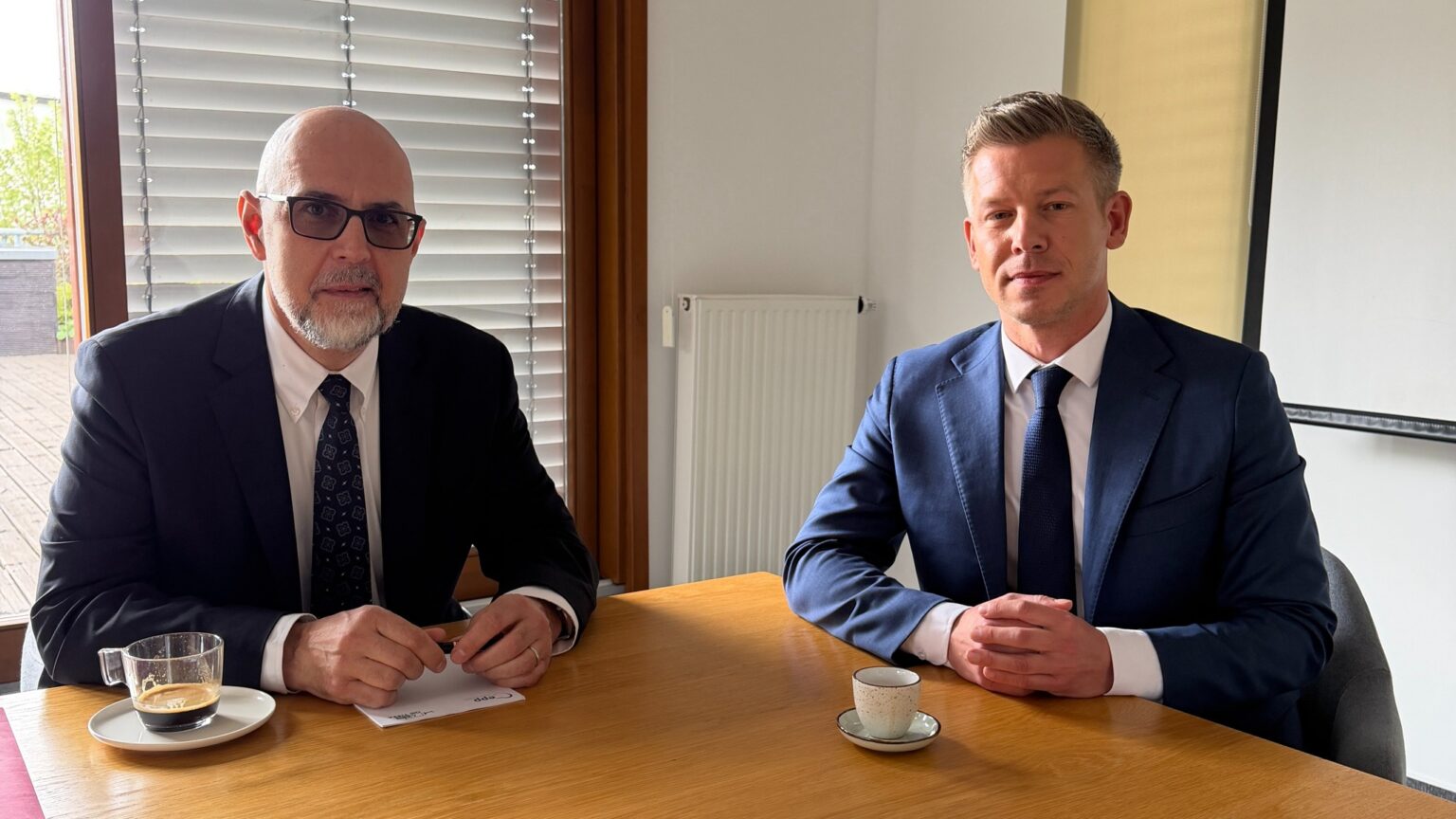
Hungary’s prime minister-elect Péter Magyar held talks with RMDSZ leader Hunor Kelemen, seeking to repair strained ties following sharp campaign clashes. Magyar pledged to preserve the acquired rights of Transylvanian Hungarians, and the two agreed to cooperate on the community’s future.

The Hungarian Atheist Association has urged prime minister-elect Péter Magyar to prioritize non-religious voters after data showed overwhelming support for the Tisza Party among this group. The call underscores growing expectations and potential divisions as the movement transitions from an opposition alliance into a governing force.
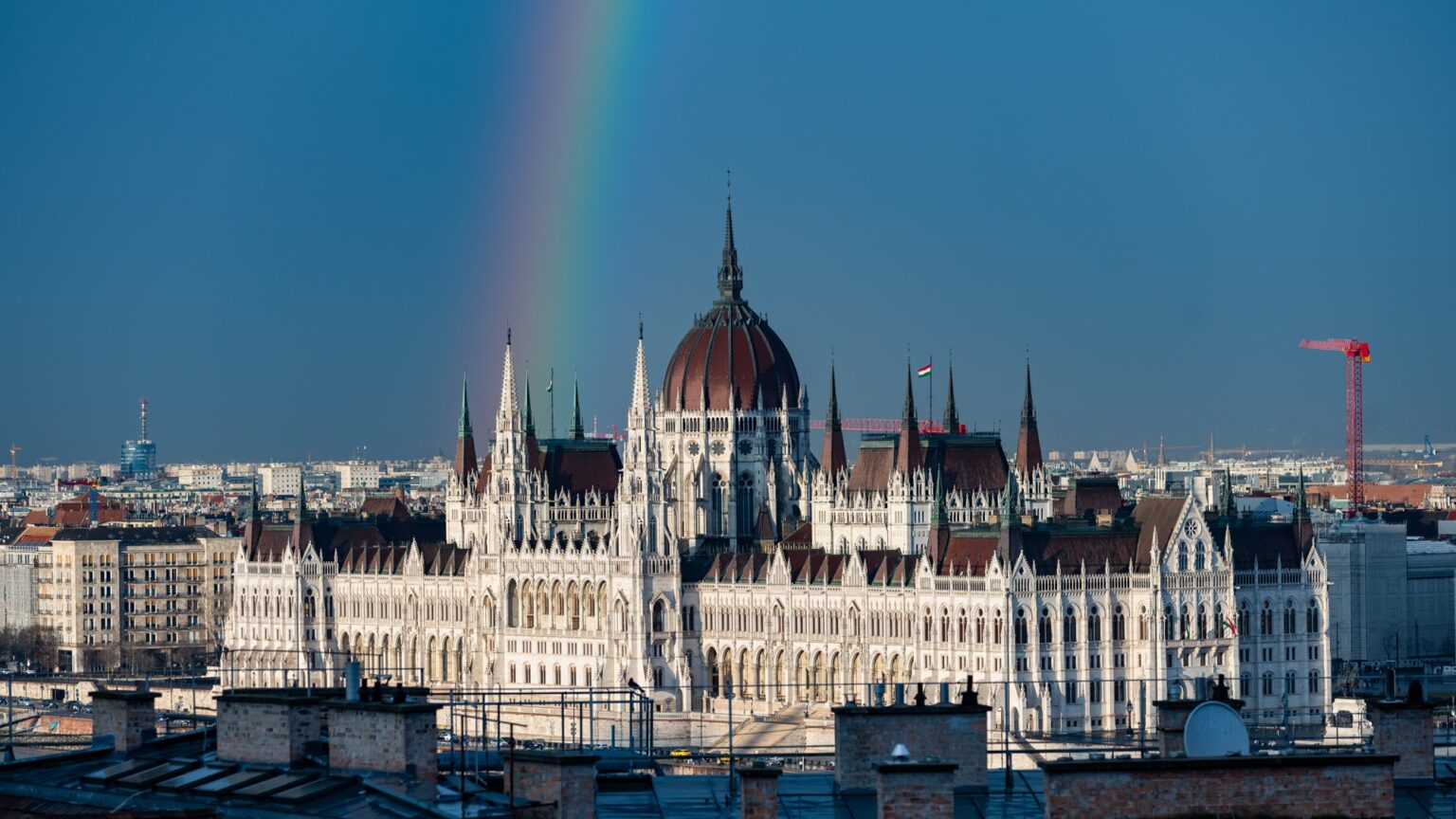
Hungary’s newly elected parliament will hold its inaugural session on 9 May, following consultations between President Tamás Sulyok and party representatives on the transition process and parliamentary setup.
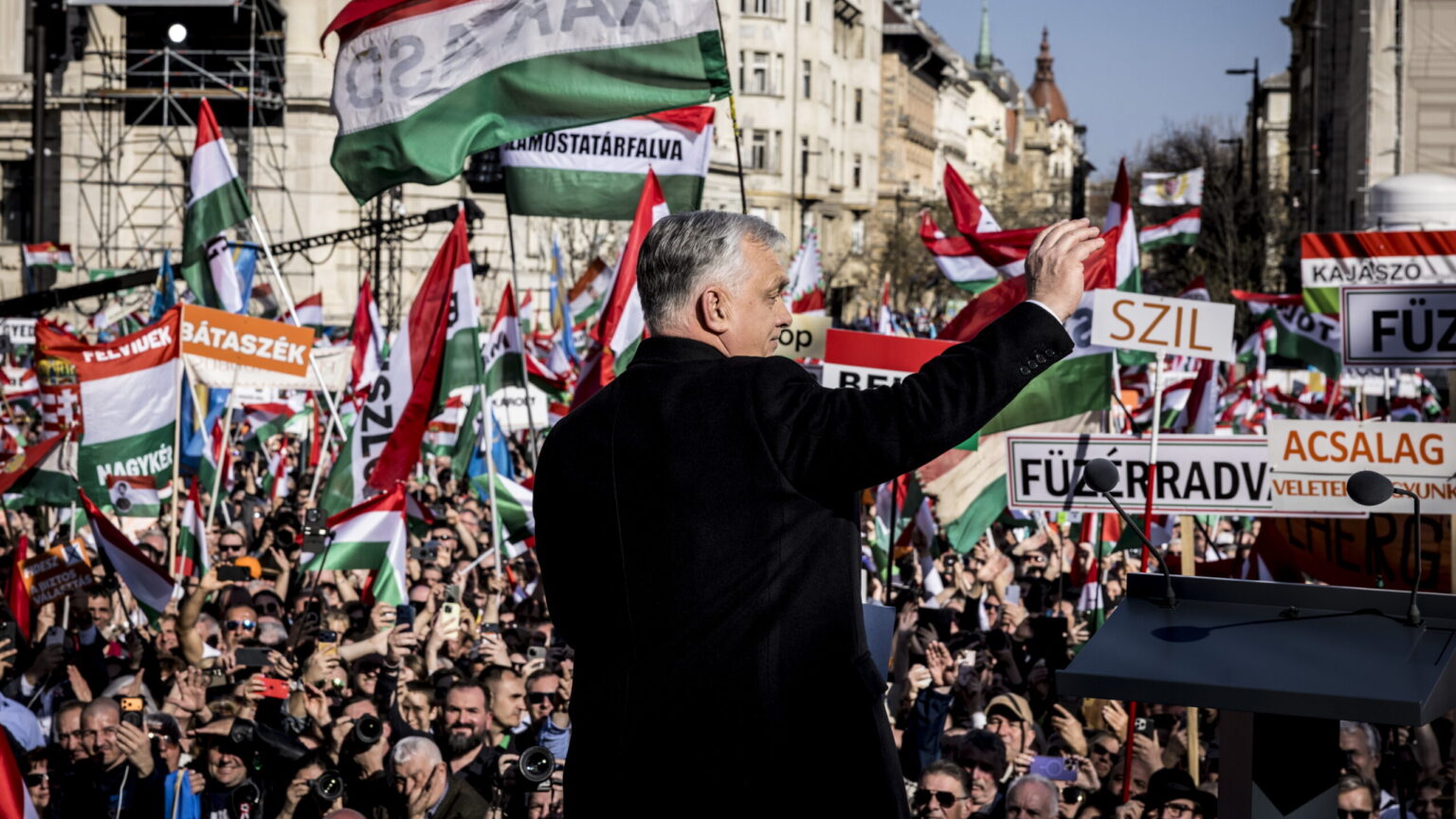
Hungary’s incoming prime minister Péter Magyar has proposed introducing a two-term limit for the office of prime minister as part of a broader constitutional reform package aimed at reshaping the country’s political system. The proposal has sparked debate due to its potential retroactive application, which could bar Viktor Orbán from returning to power.
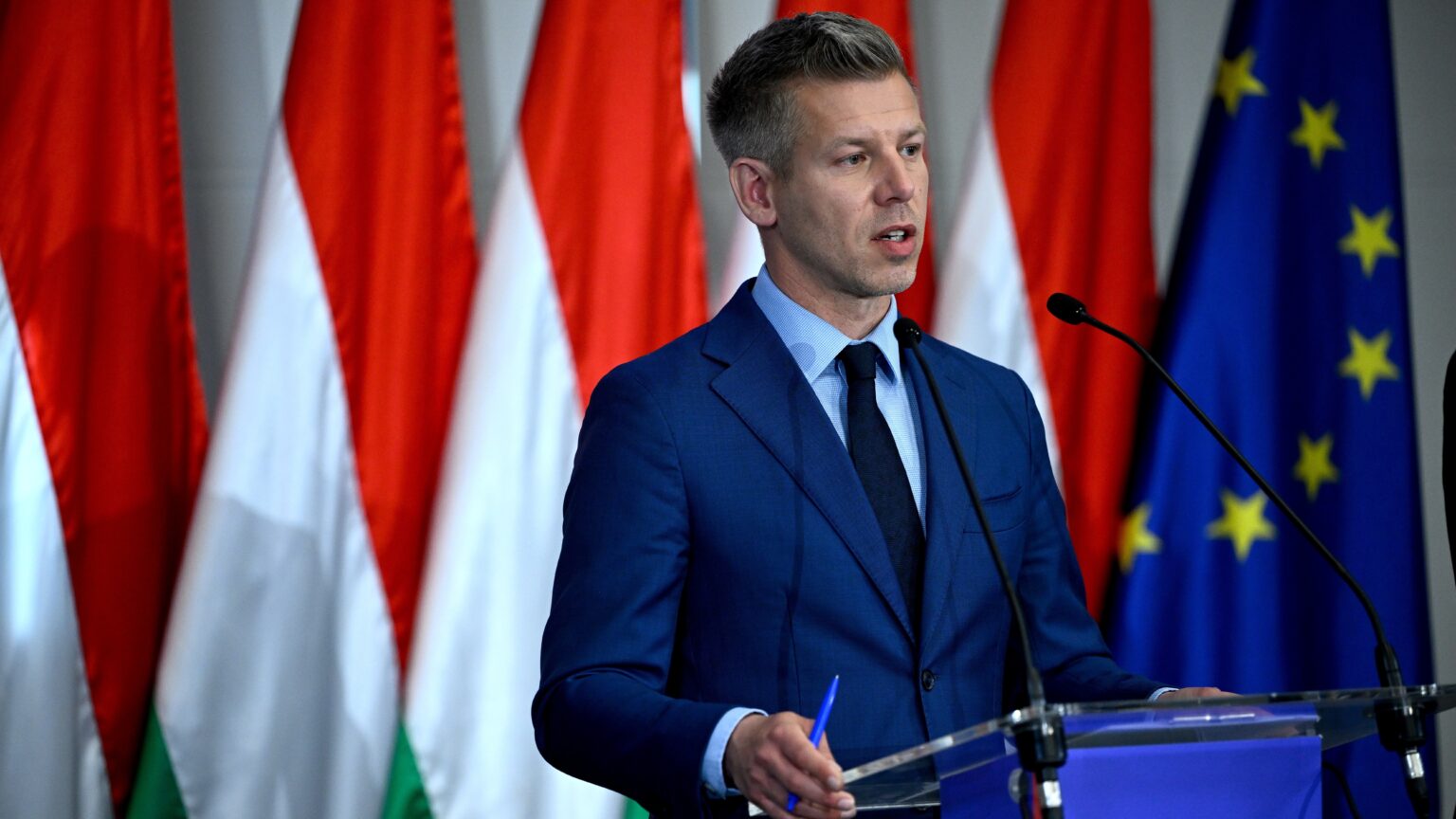
Hungary’s incoming prime minister Péter Magyar said future policy talks with Slovakia depend on guarantees over the rights of ethnic Hungarians, including protections related to disputed legislation and the Beneš Decrees.

At a time when public debate is increasingly polarized and superficial, Hungarian Conservative remains committed to depth and independent thought.
Donate Now
Please consider supporting our mission.