


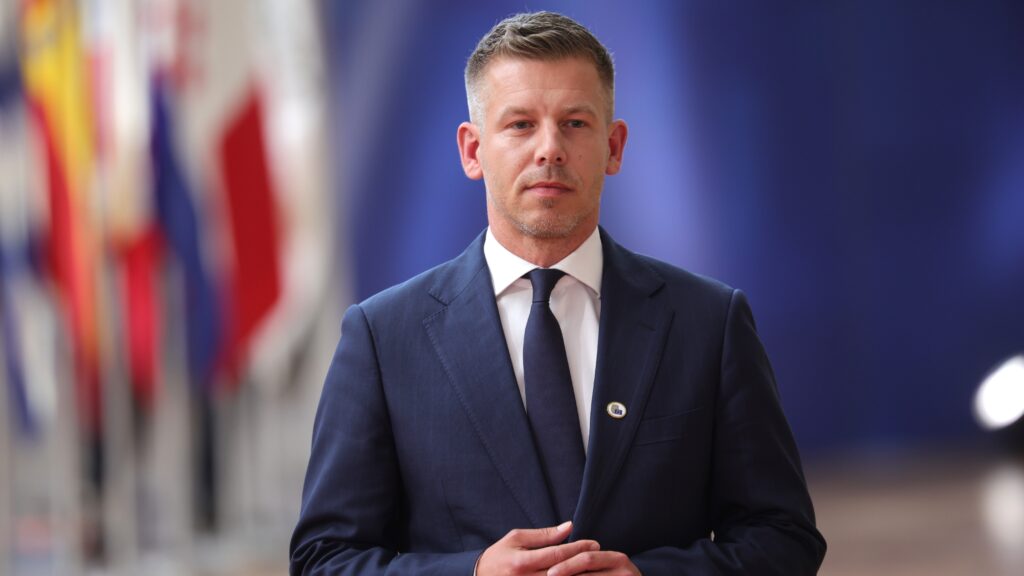

OECD reading performance has fallen to its lowest level since PISA began, while Hungary’s 452-point result is the country’s worst on record. The deeper problem may not be educational alone, but how long children can stay with demanding material, as digital stimulation and weaker family support reshape attention—leaving parents and a generation that knows both worlds with growing responsibility.
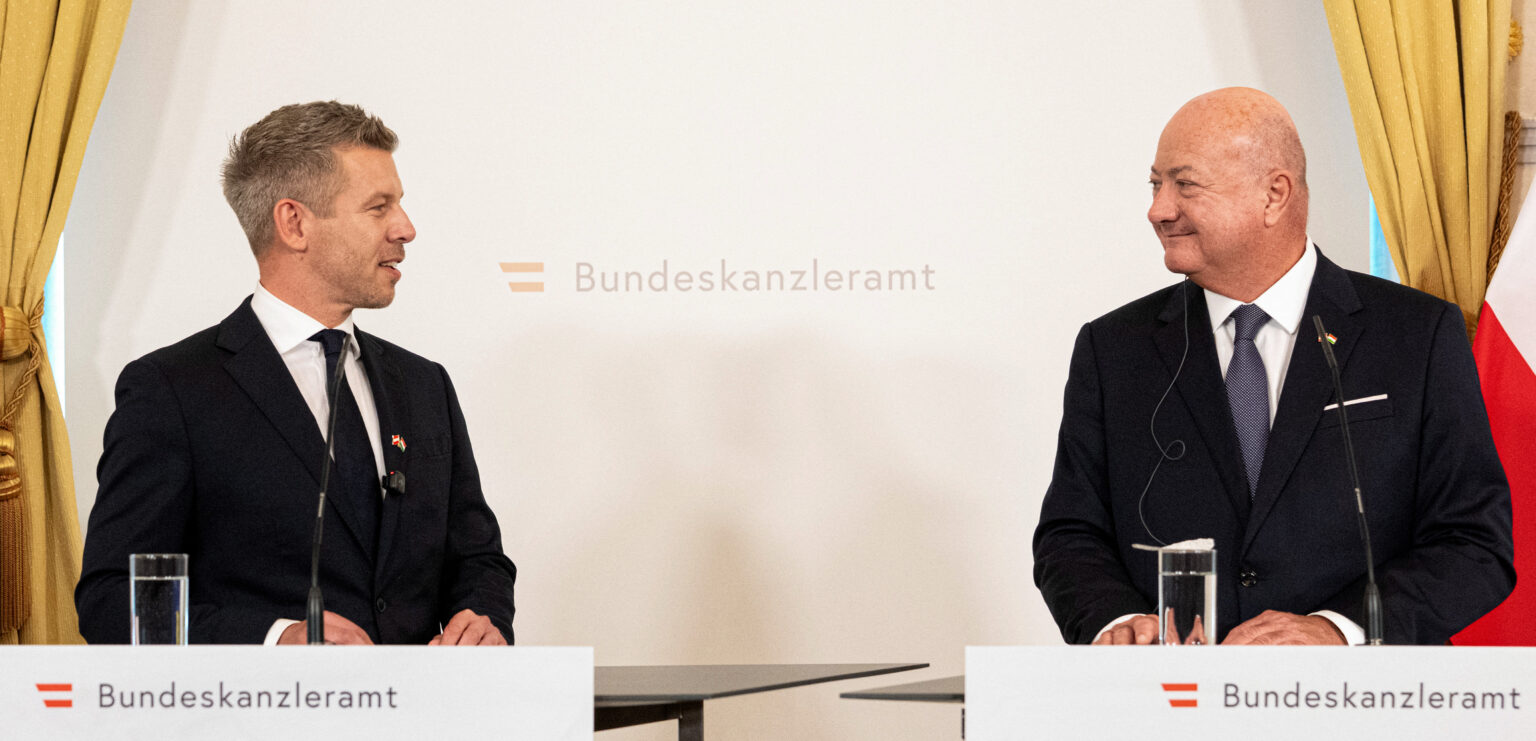
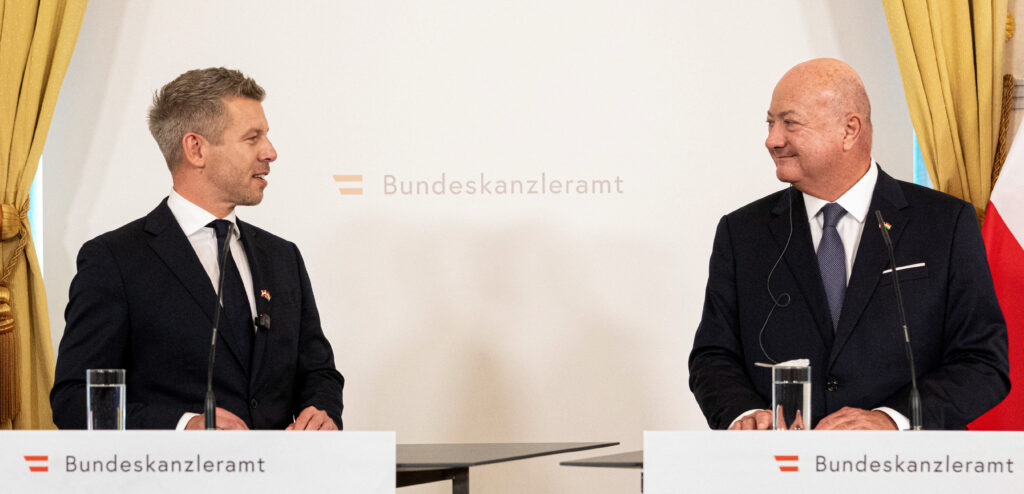
Vienna says it never complained to the European Commission about Hungary’s emergency riverbed sill at Paks, contradicting Péter Magyar’s repeated claims that Austria had taken the matter to Brussels. The denial comes as the project faces genuine international scrutiny from the Danube Commission over navigation, while also becoming caught up in controversy surrounding the procurement.
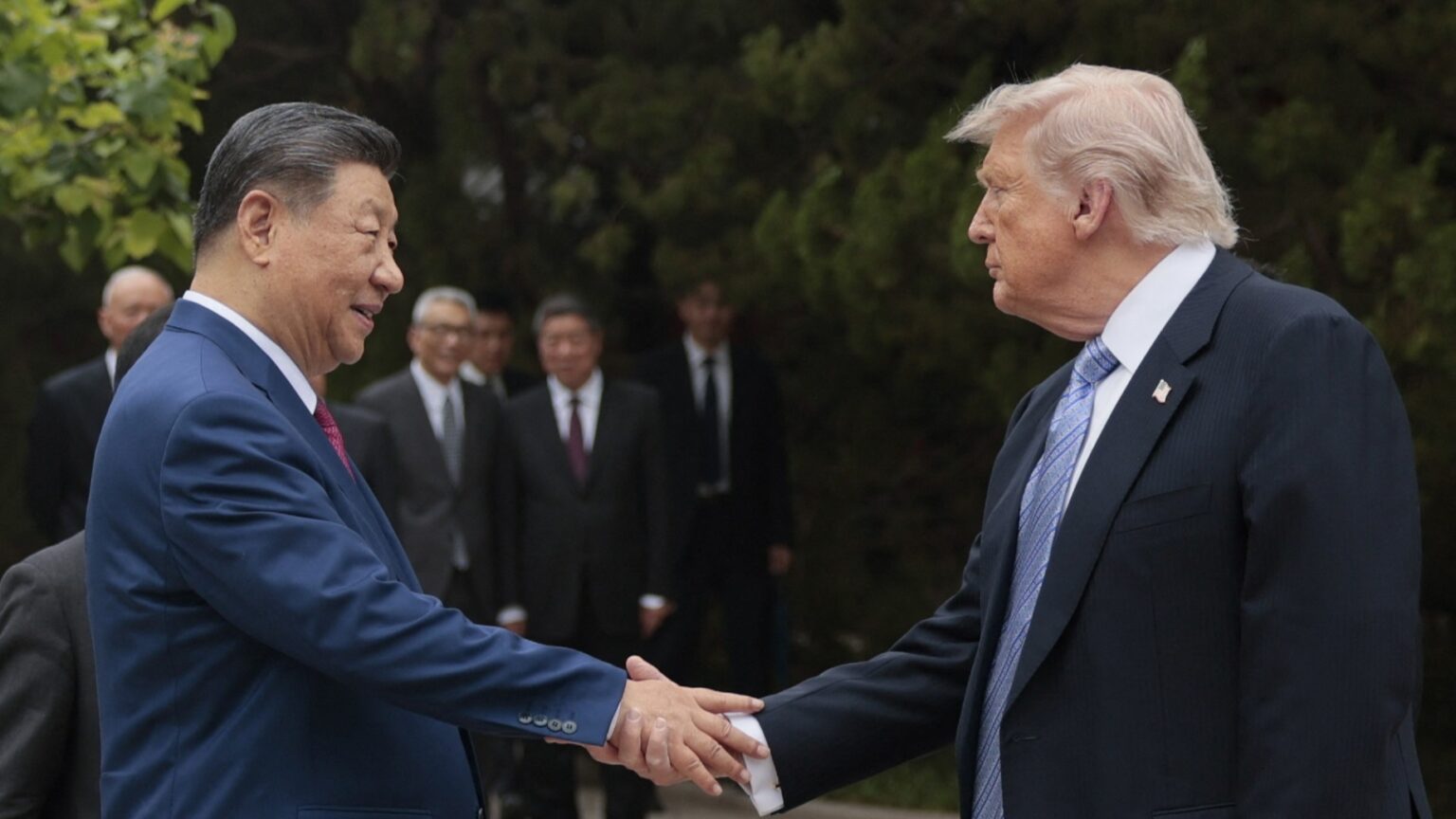
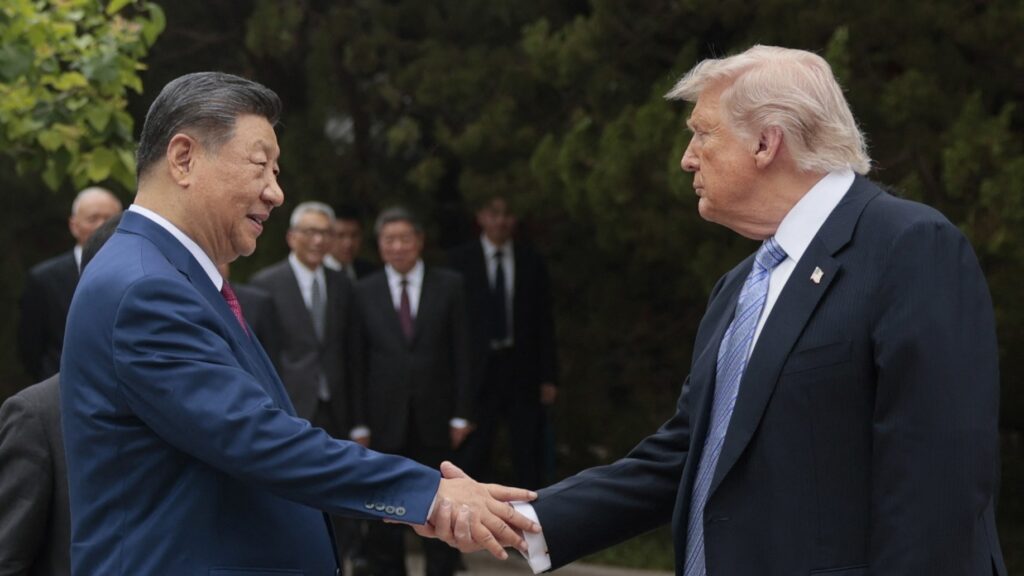
The Reagan administration offers a useful lesson for today’s U.S.–China relations: human rights do not have to be separated from strategic diplomacy. As Washington and Beijing navigate trade, technology, and security, raising individual cases of persecution can remain an important part of American foreign policy.

The Trump administration is preparing a major childcare policy shift that would let some married couples receive federal subsidies when one parent stays home to care for their child. The proposal, backed by JD Vance and rooted in a broader pronatalist agenda, draws heavily on conservative ideas long associated with Hungary’s Orbán-era family policy model.
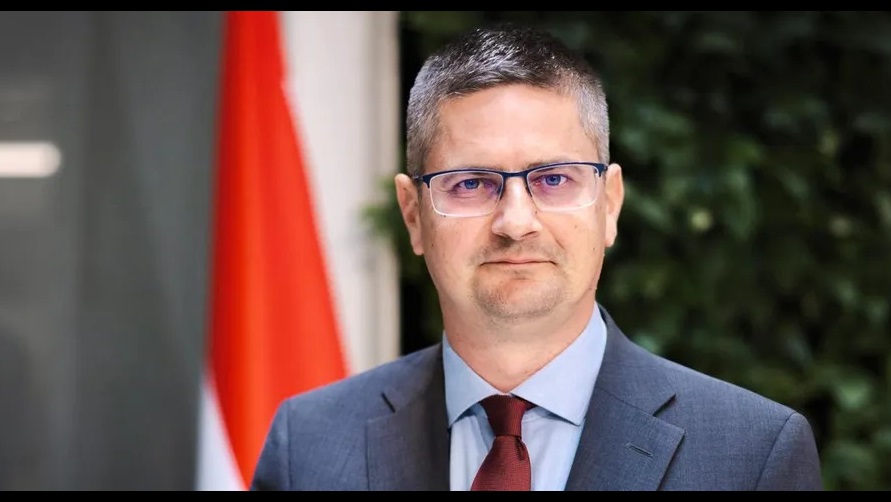
András Bíró-Nagy will take over responsibility for European Union affairs at the Prime Minister of Hungary’s Office from September. His expanded duties will include coordinating EU policy, strengthening Hungary’s relations with the Union, and representing Hungarian interests at the European level.
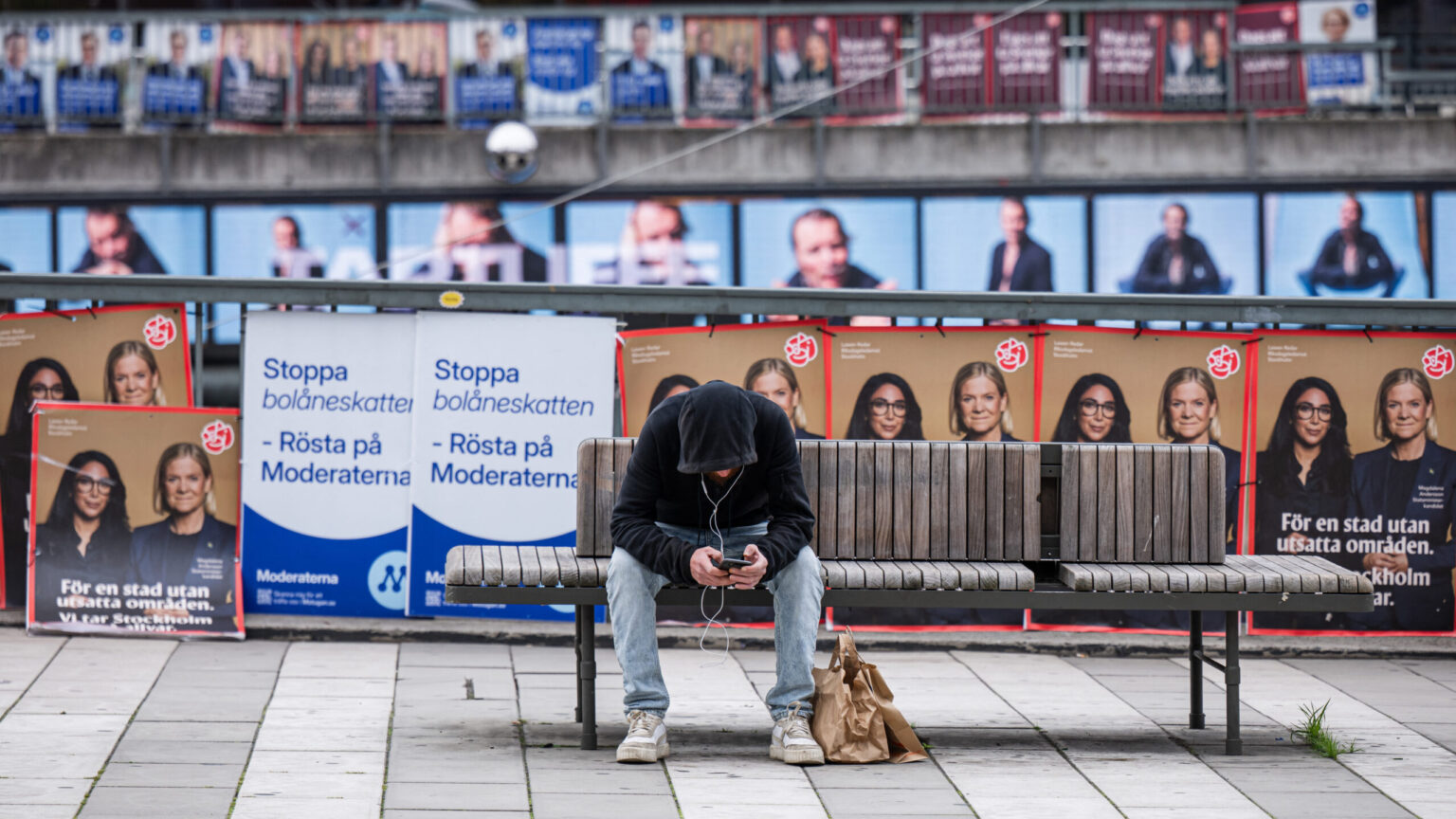
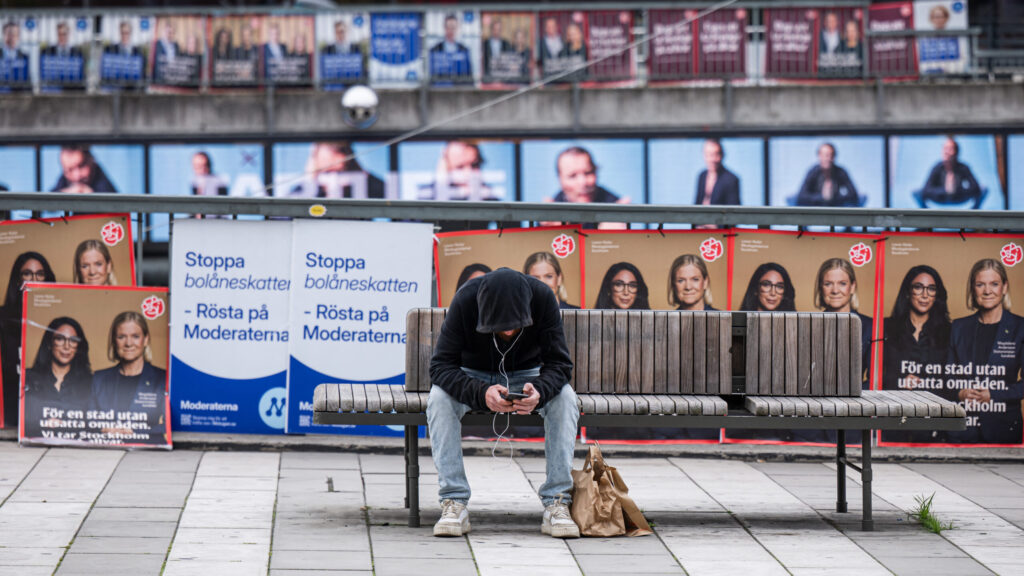
Social Democrats’ Magdalena Andersson is trying to turn Sweden’s final campaign week into Russiagate, accusing Ulf Kristersson of failing to address security concerns surrounding the Sweden Democrats. The attack comes as the so-called Tidö coalition has moved within the margin of error and Kristersson is preparing to bring SD into government for the first time.
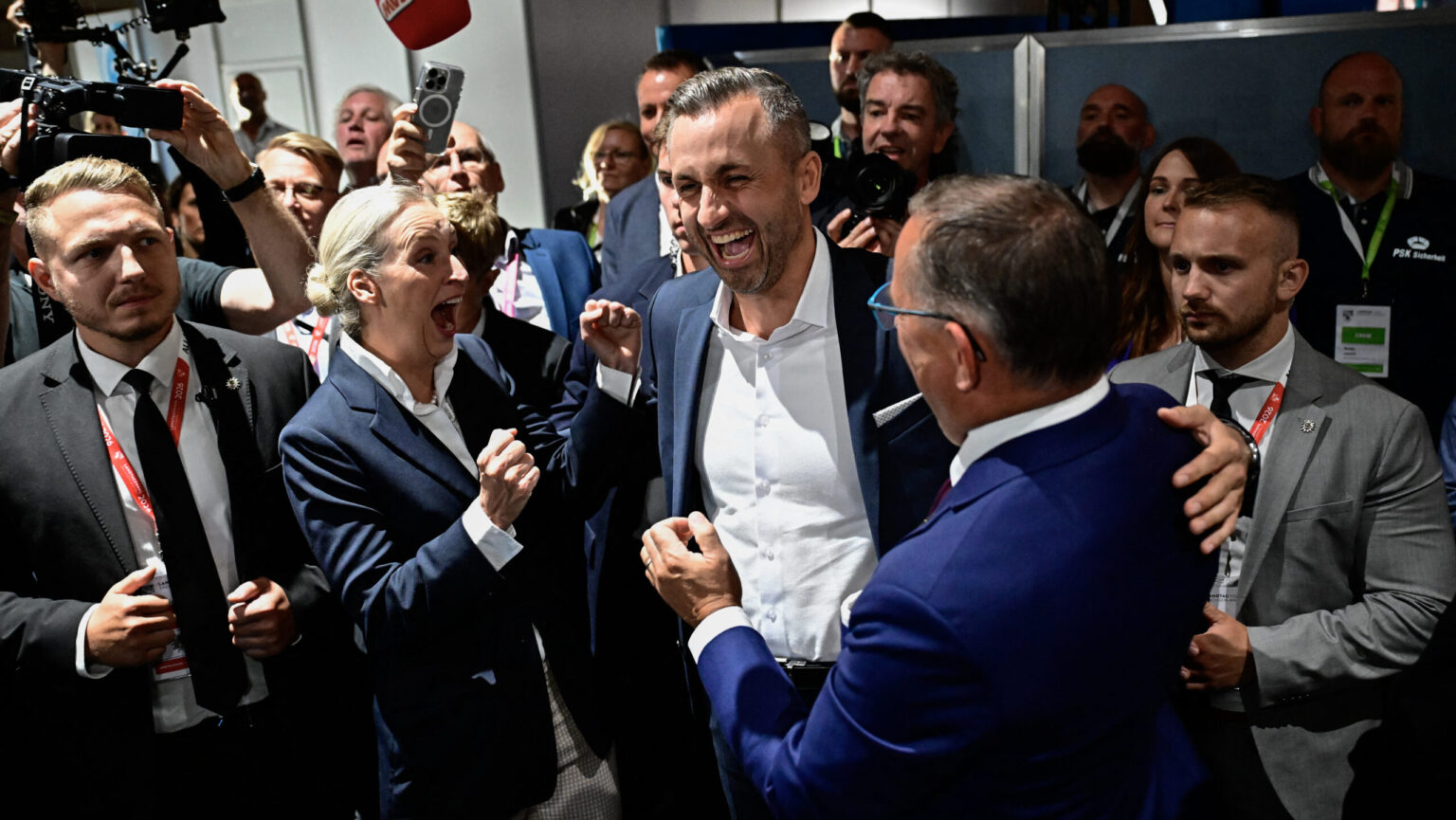
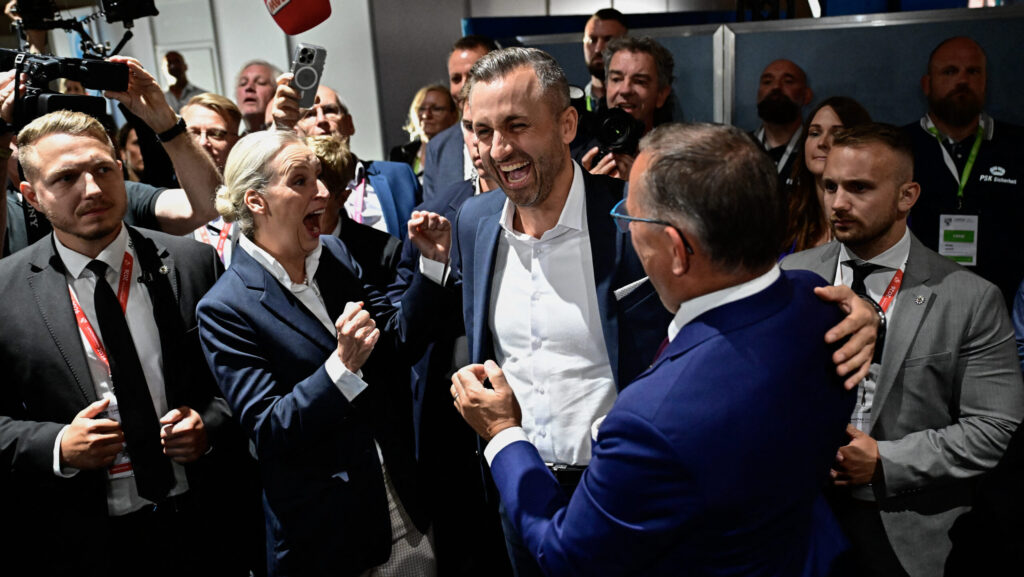
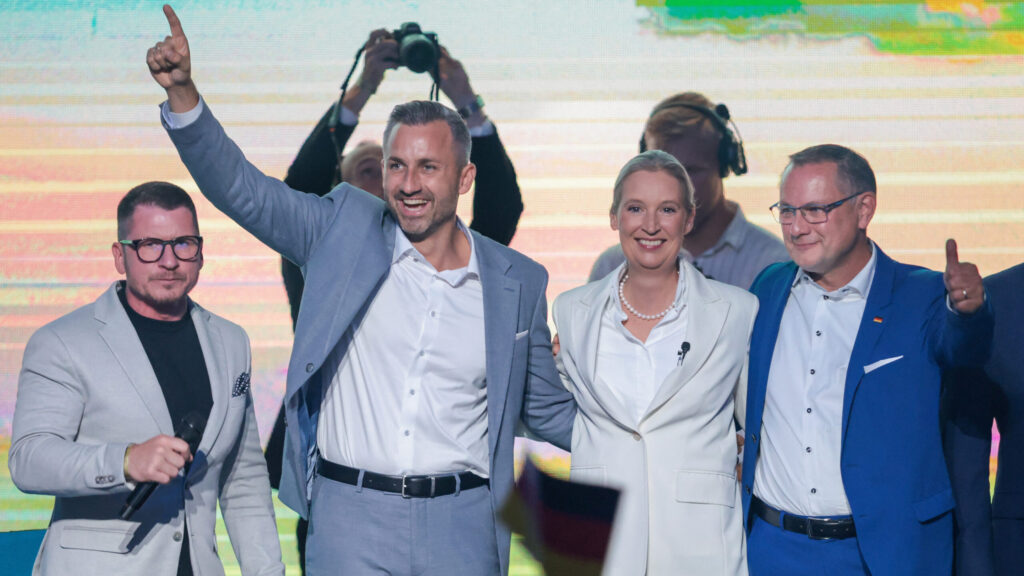
Ulrich Siegmund has led AfD to a landslide victory in Saxony-Anhalt, with early projections putting the party on 44.3 per cent and 41 seats, one short of the 42 needed to govern alone. With the CDU collapsing to 18.3 per cent and BSW hovering below the threshold, the final count could still decide whether Germany gets its first outright AfD state government.
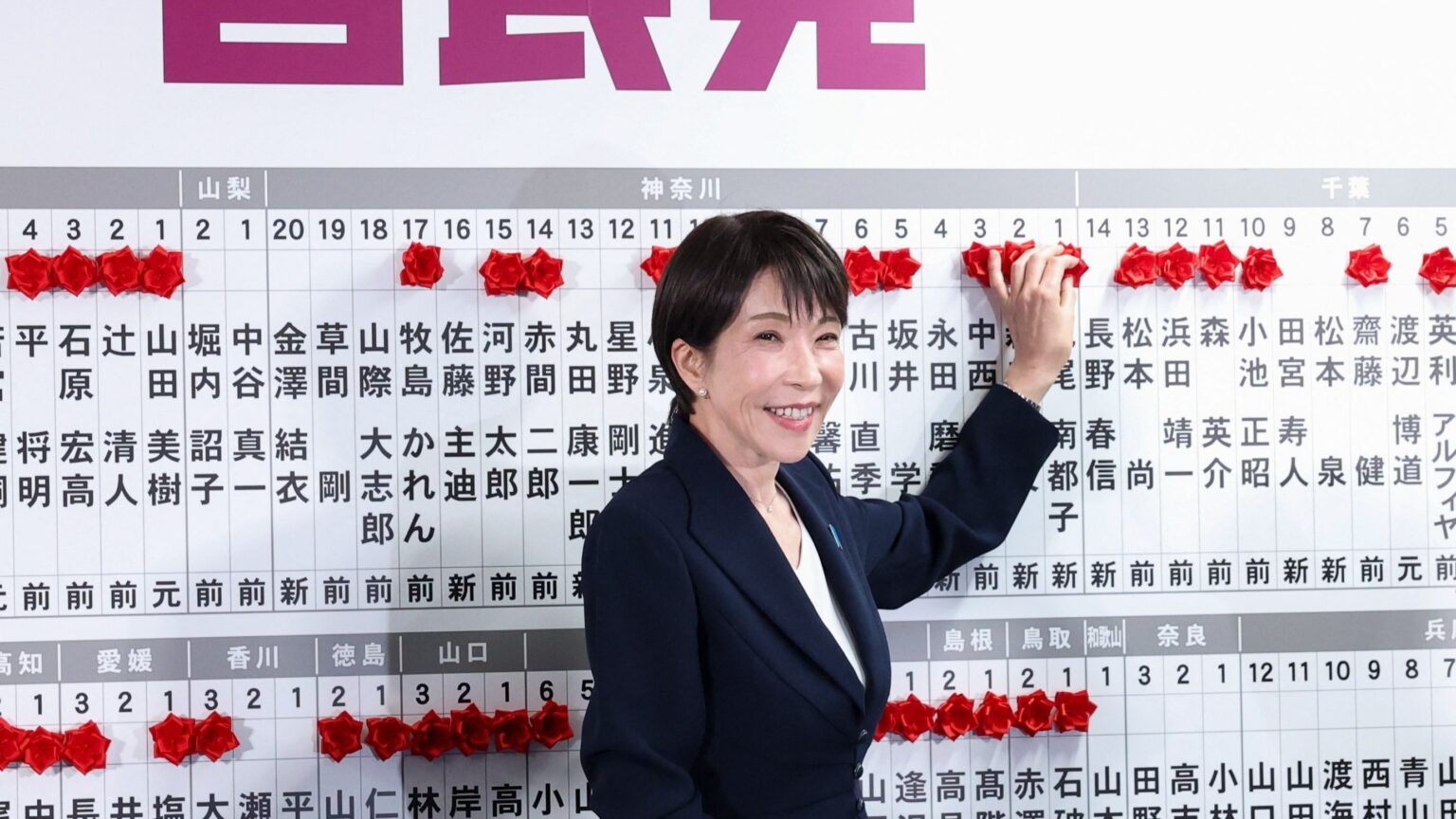
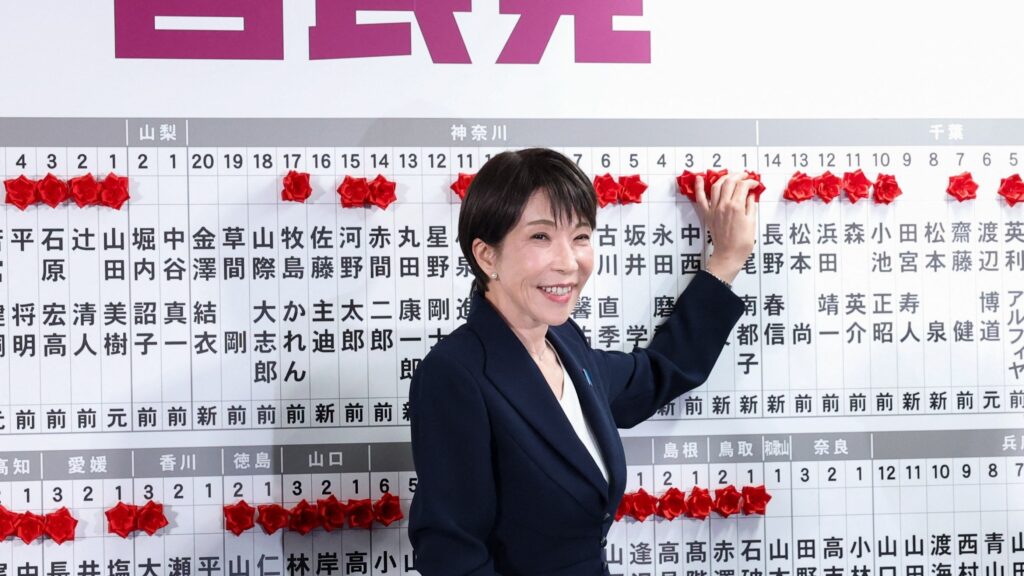
‘Thatcher…accepted political damage as the cost of policies she believed necessary for Britain’s recovery. It was these sorts of pressures that refined Thatcher and forged her into the Iron Lady we know today…The question for Japan today is whether Sanae Takaichi demonstrates similar political characteristics within the context of modern Japanese politics.’
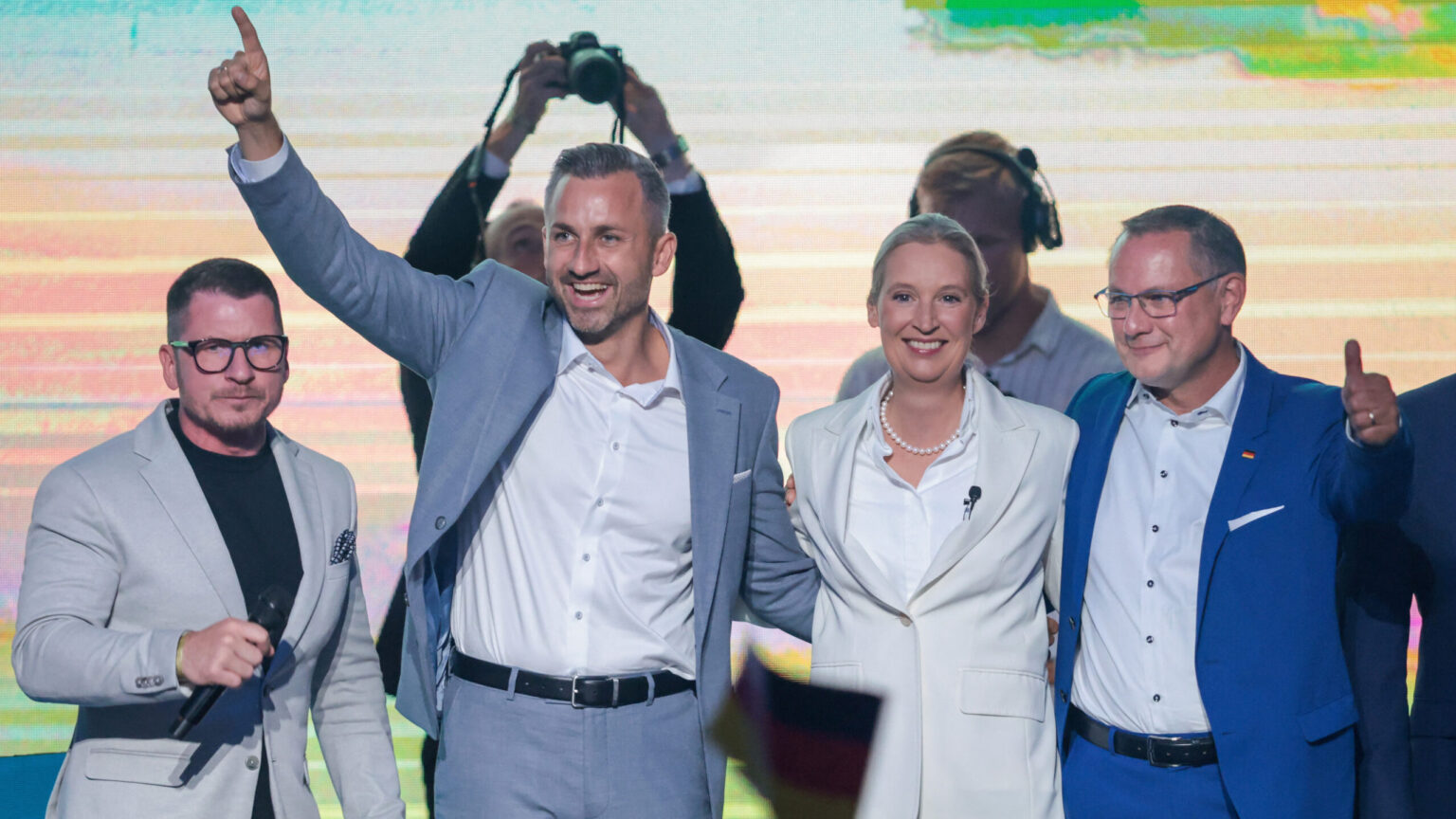
Ulrich Siegmund heads into Sunday’s Saxony-Anhalt election with the AfD on 41–43 per cent, roughly double its 2021 result and around 20 points ahead of the governing CDU. Whether that delivers Germany’s first AfD state government may depend less on another surge than on whether BSW and the Greens cross the 5-per-cent threshold, with 26 per cent of voters still undecided in the final poll.
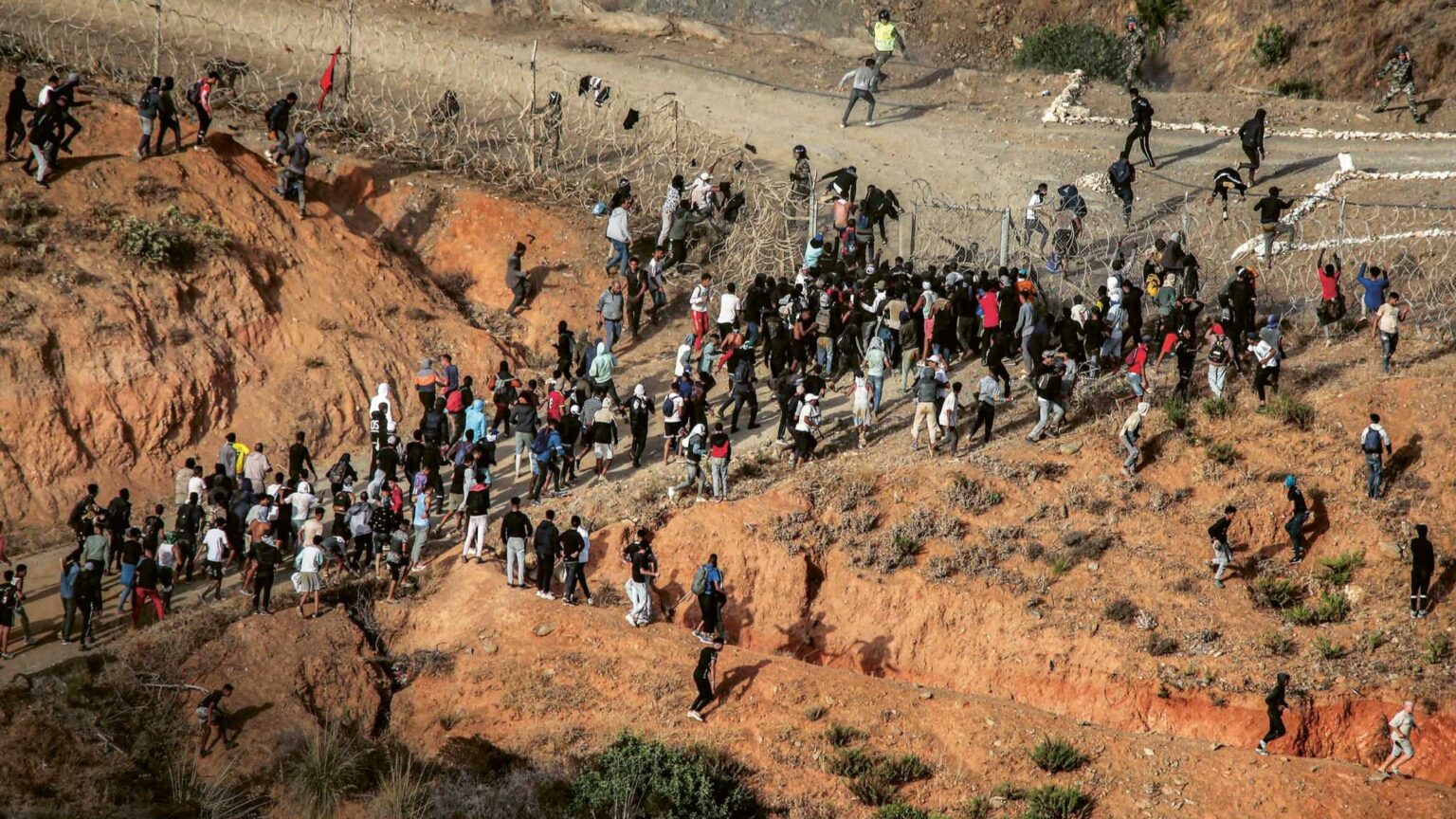
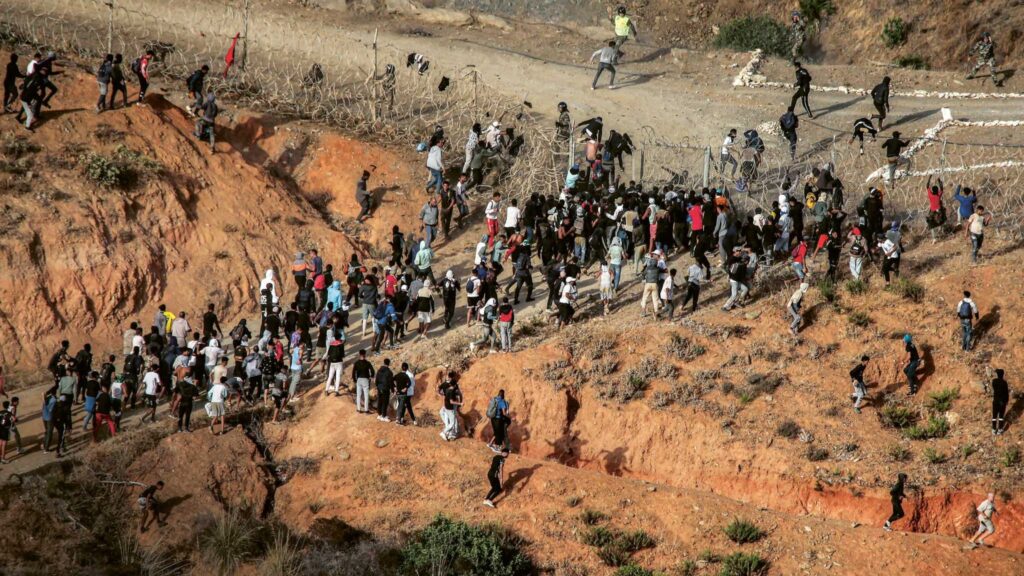
‘The real question is whether Europe’s leaders can openly admit what is happening: that migration is being used as a weapon, that this is a form of aggression, and that responding to it does not mean giving up humanitarian values. Until leaders can say this clearly, borders will remain open to those who know how to exploit them.’
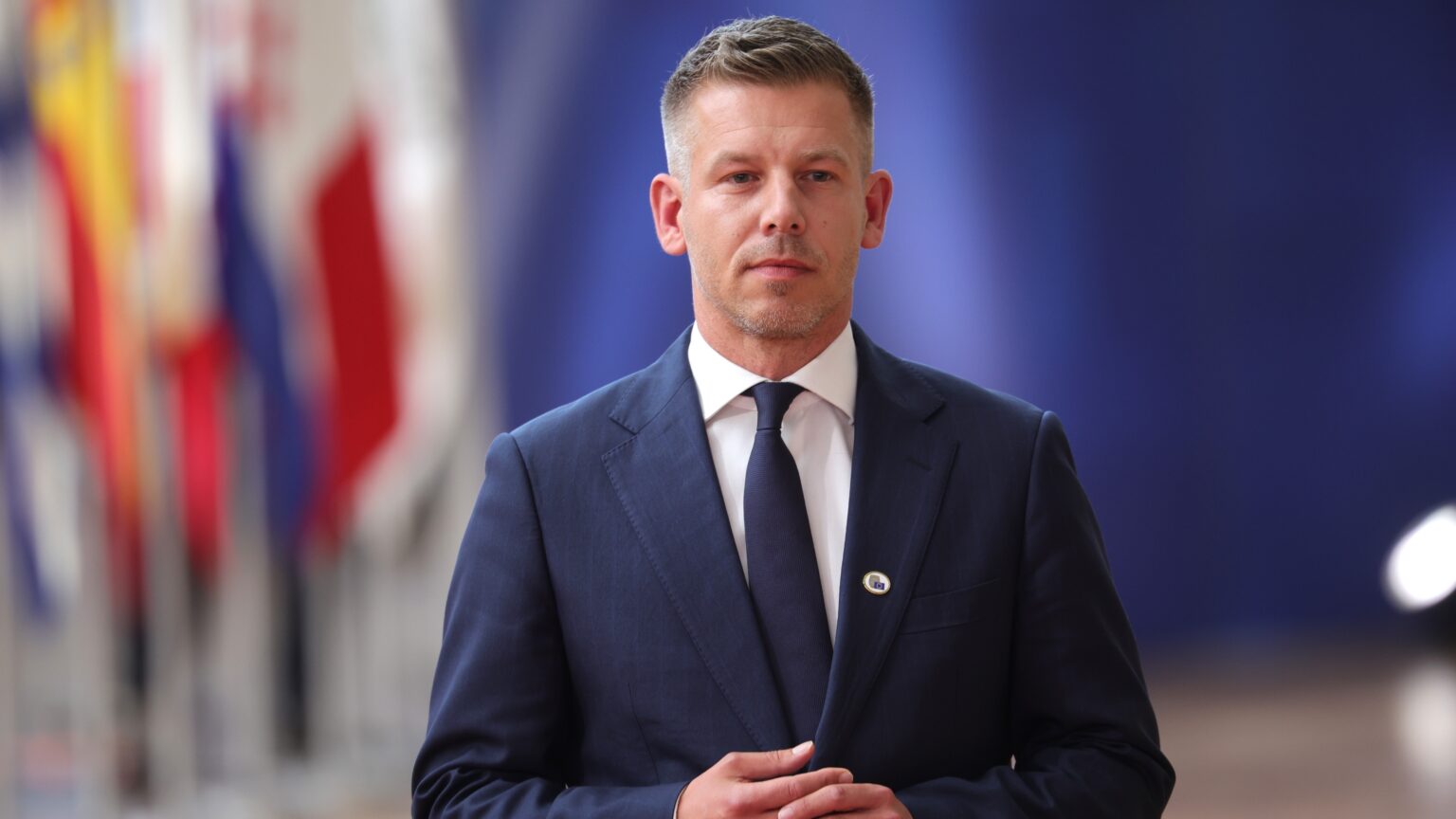
Prime Minister Péter Magyar’s government has extended Hungary’s Orbán-era ‘state of crisis due to mass migration’ until 31 December, rejecting NGO calls to let it expire. The move preserves the hard-line legal framework but complicates one possible route towards ending the country’s €1 million-per-day EU migration fine, while sparking outrage among progressive Tisza supporters.
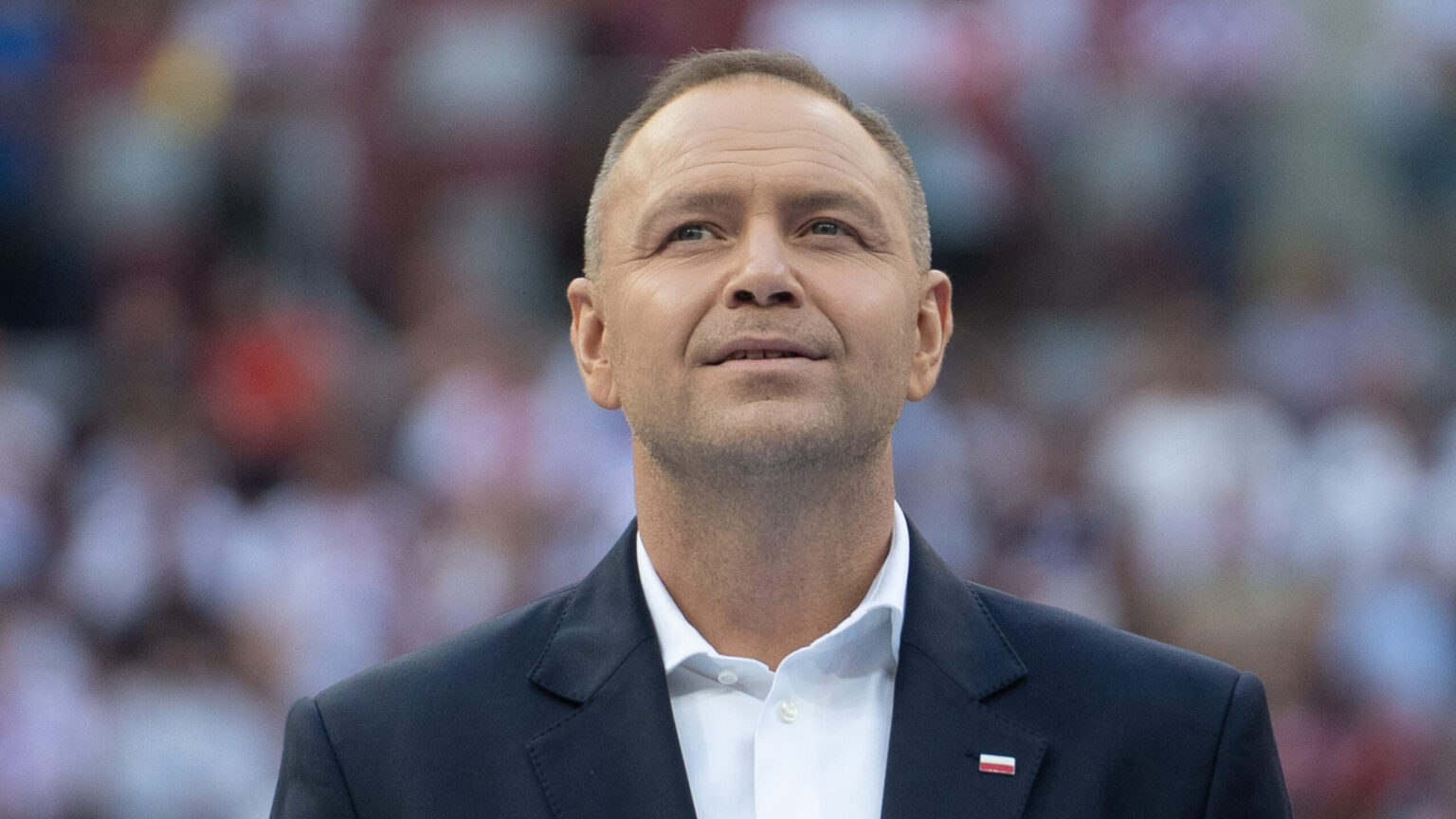
‘Law and Justice has always been a centre-right party, a member of the European Conservatives and Reformists…a pro-American group supporting the Republican Party…and situated within the spectrum of the “traditional” political divide. In recent years, movements have emerged in Polish politics that have challenged Law and Justice’s hegemony on the right.’
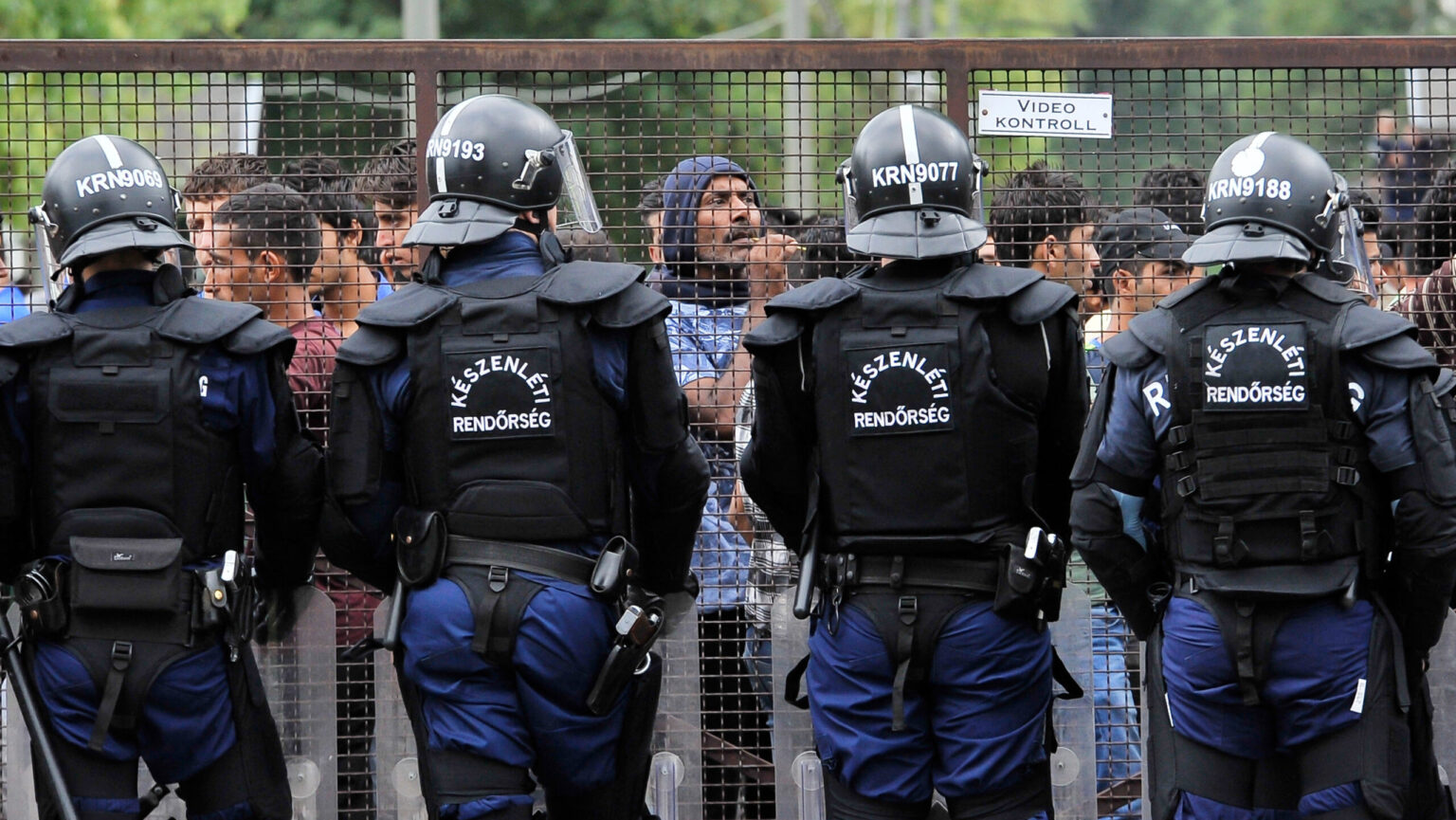
Prime Minister Péter Magyar says Hungary may be able to end the EU’s €1 million daily migration fine without dismantling its hard-line border policy, while demanding that Brussels return roughly €1 billion already lost in the dispute. Letting temporary emergency rules expire could stop the penalty, but the broader question is what system would replace the current one once compliance is restored.
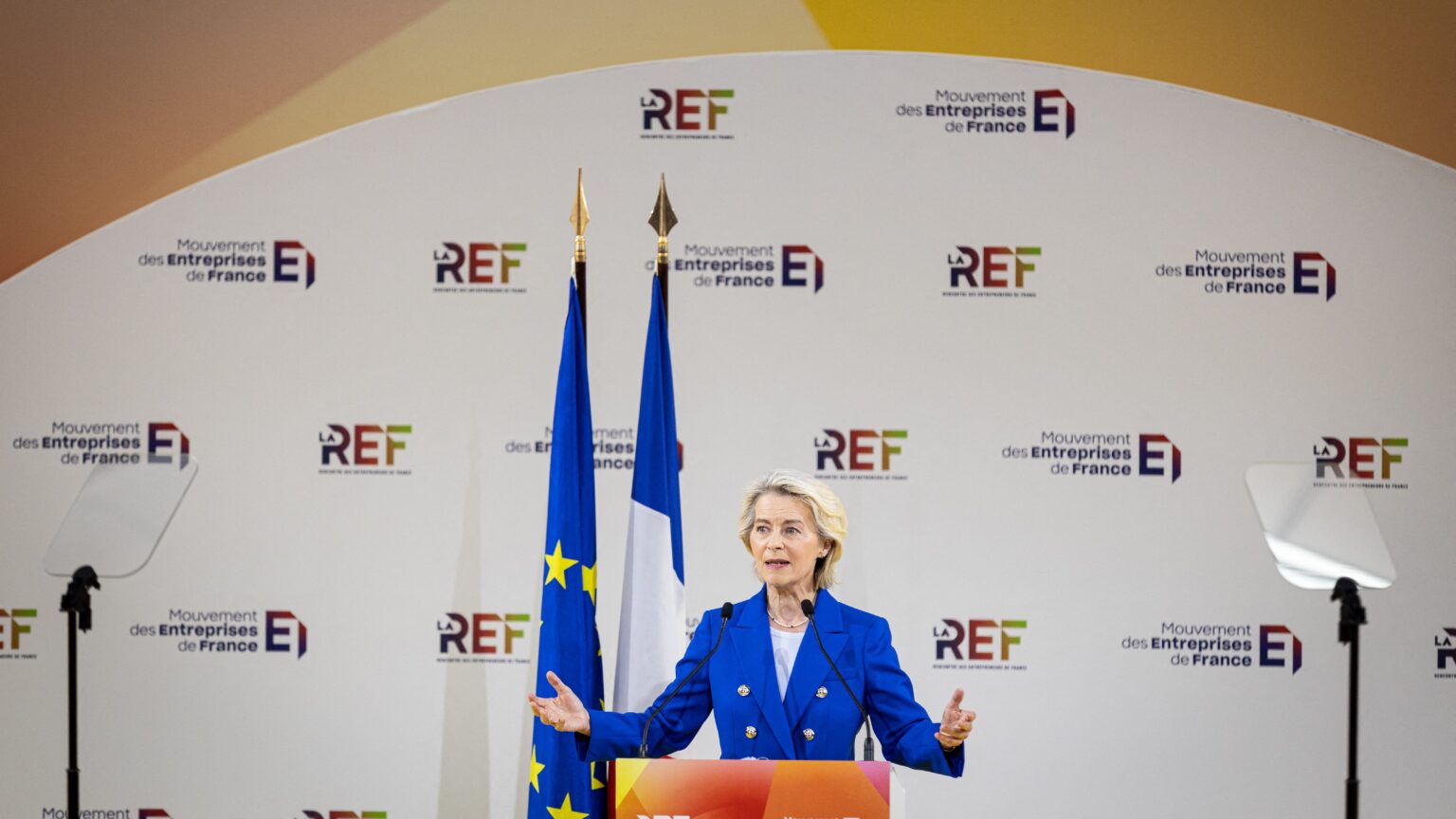
‘On 27 August in Paris, at the annual conference of the French business federation (La REF 2026), the President of the European Commission delivered a somewhat surprising speech. What was surprising was the candour with which the Commission President addressed a problem affecting the EU economy that has long been the subject of heated and widespread debate.’
Tisza has refused to confirm opposition nominees to Hungary’s new Independent Public Media Committee, despite it being deliberately set up to root out bias towards the governing party from public media programming. The party has rejected candidates put forward by Fidesz, KDNP, and Our Homeland Movement, raising questions about the committee’s political independence.
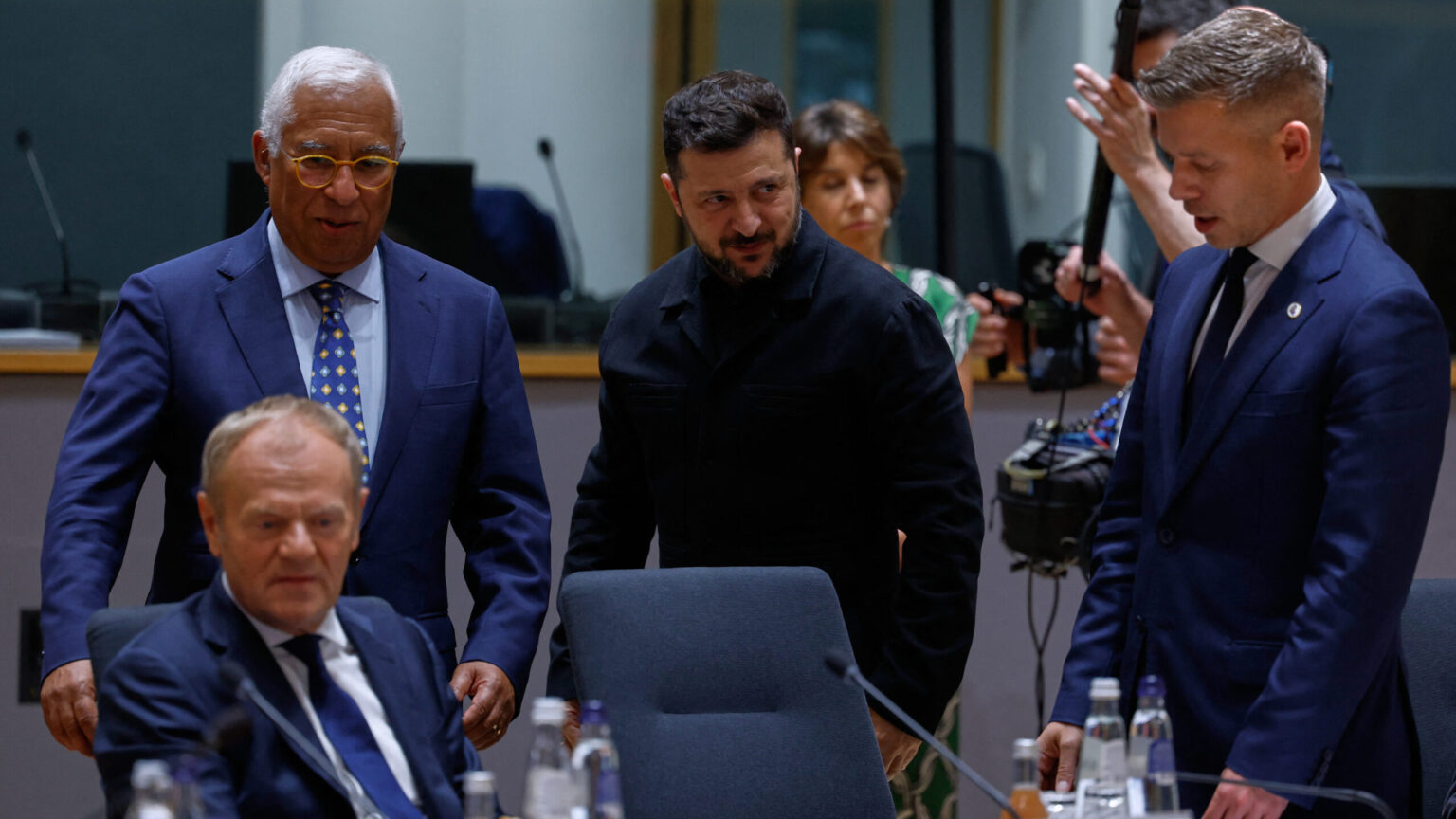
Hungary has again blocked the opening of two further Ukrainian EU accession clusters, marking the third failed attempt to approve the necessary screening results. The veto is less about the substance of the files than about leverage over Kyiv on Transcarpathian Hungarian rights, while Péter Magyar and Volodymyr Zelenskyy still have not held their planned bilateral meeting.
Russian Foreign Minister Sergei Lavrov said Moscow would close Goethe Institute offices in Moscow, St Petersburg and Yekaterinburg after Germany decided to shut down the Russian House cultural centre in Berlin. Lavrov also accused Western governments of pursuing an anti-Russian campaign over the war in Ukraine.
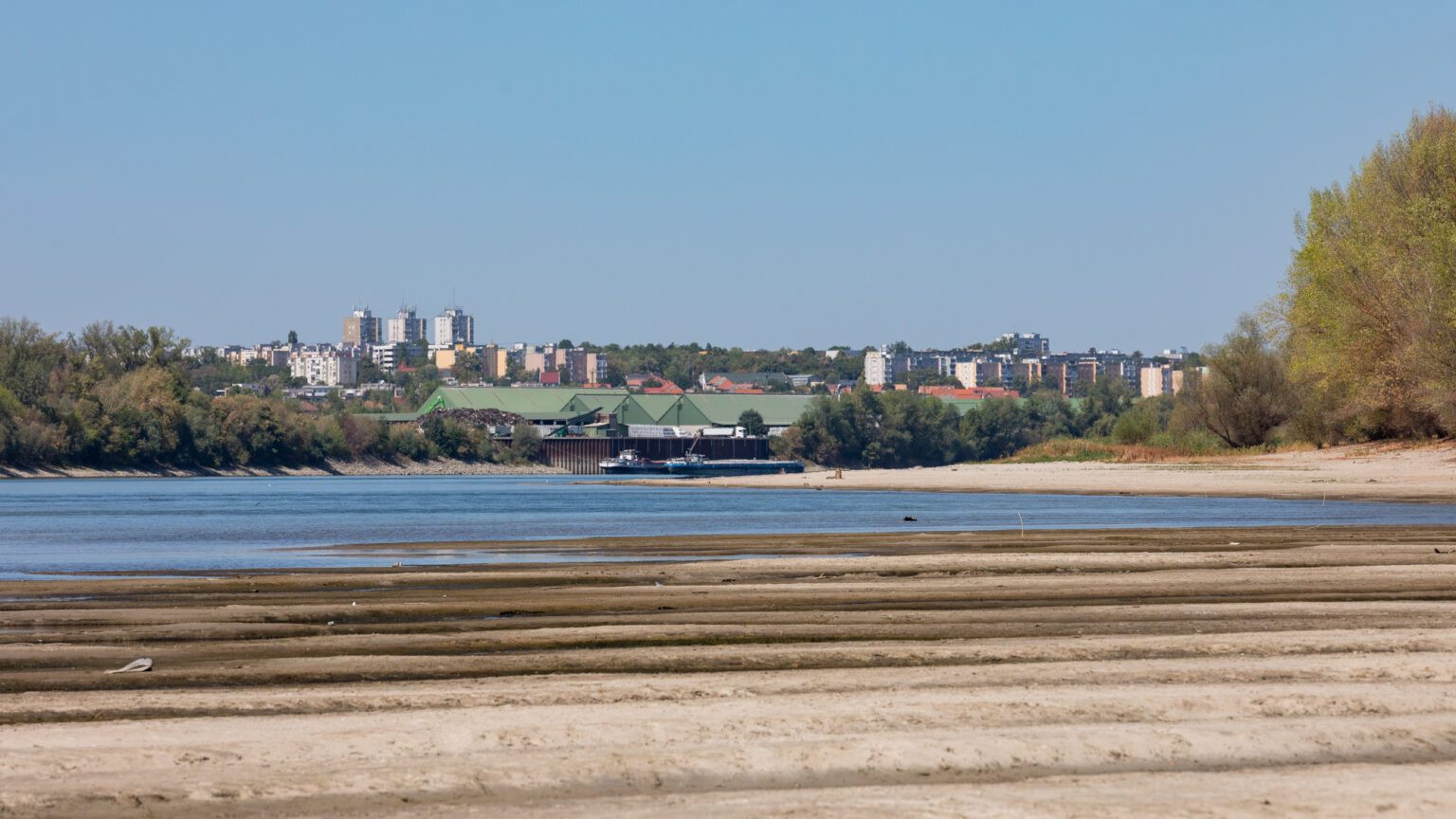
The emergency riverbed sill being built to protect the Paks Nuclear Power Plant has reportedly caused severe scour in the Danube, deepening the riverbed by 8–13 metres and undermining the structure itself. The problems raise questions over Péter Magyar’s crisis management and a restricted procurement process that awarded the contract to a single bidder at 30 per cent above the estimated price.
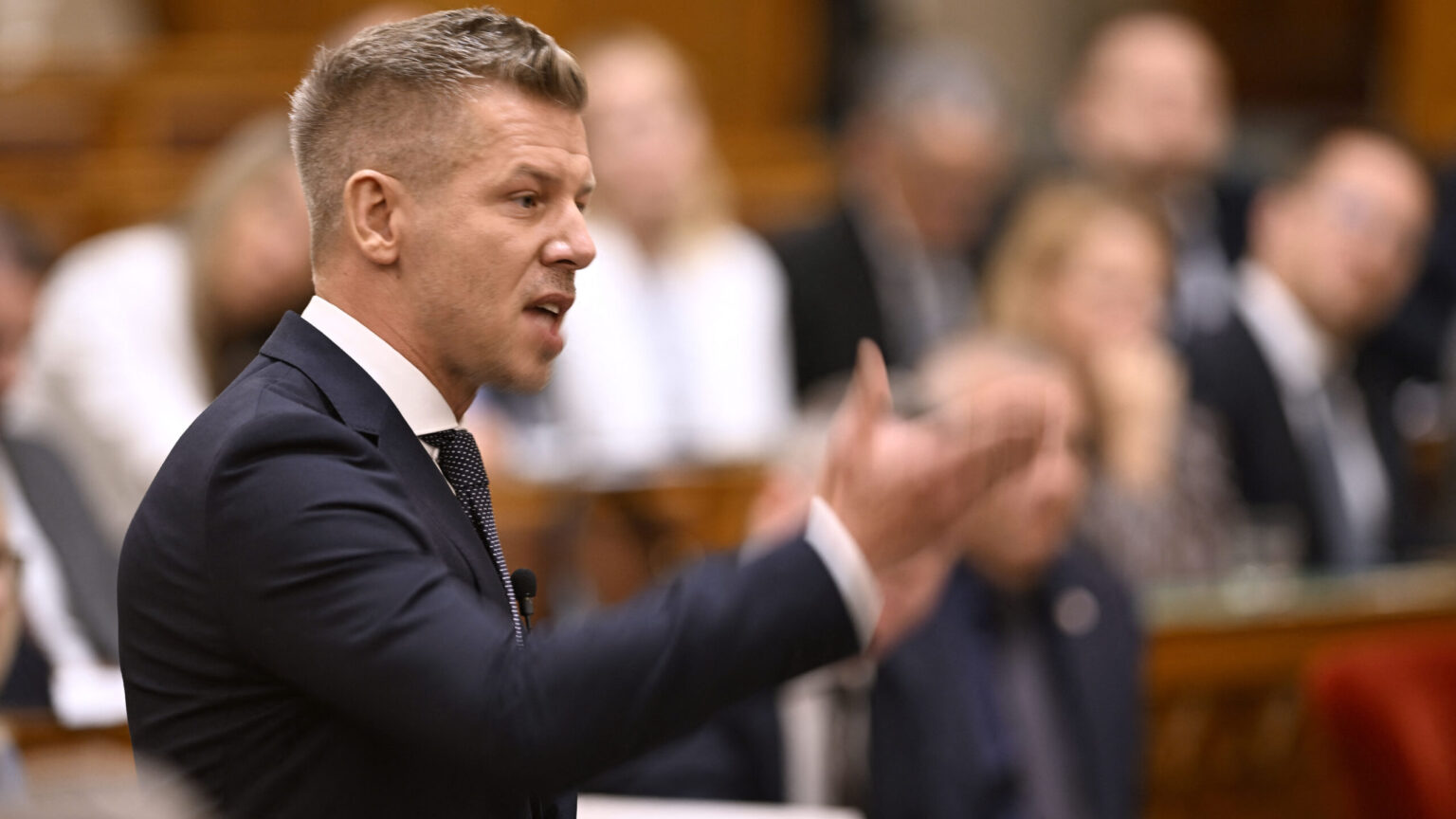
Péter Magyar rose to power by promising accountability for the Orbán era, but that pledge is becoming a governing trap. Tisza must deliver results fast enough to satisfy voters without bending the rule of law, while the chaotic NVVH selection process is already showing that the process meant to deliver accountability could also create Tisza’s own opposition from among its supporters.
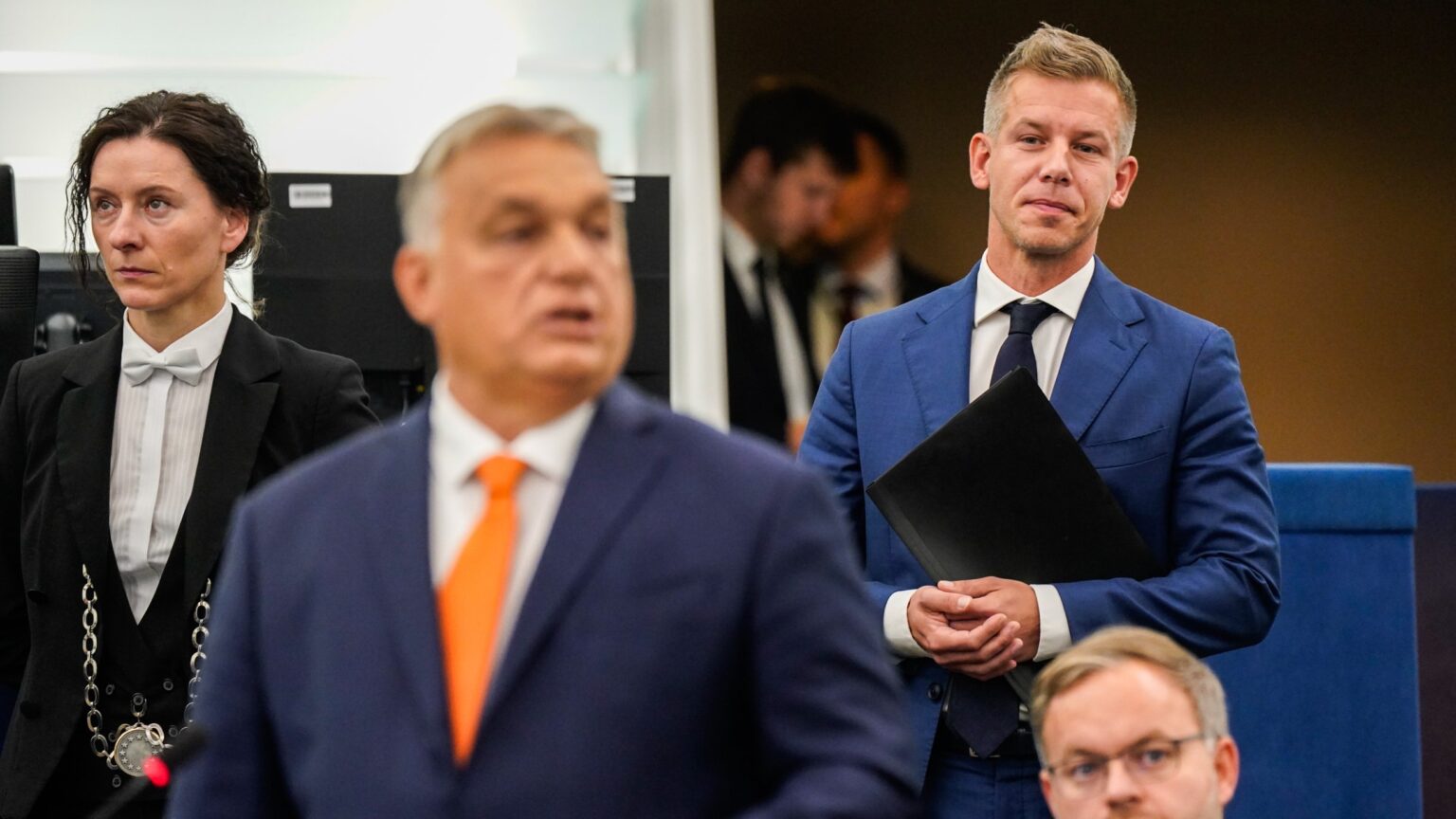
Listening to Péter Magyar at Bled, much of his diagnosis of the European Union could easily have come from Viktor Orbán. On EU bureaucracy, lack of leadership, competitiveness, migration, cohesion funds, Central European cooperation and strongman posturing towards EU institutions, the two align significantly. The sharp break is in strategy: Magyar seeks cooperation within a system Orbán increasingly sought to overturn.
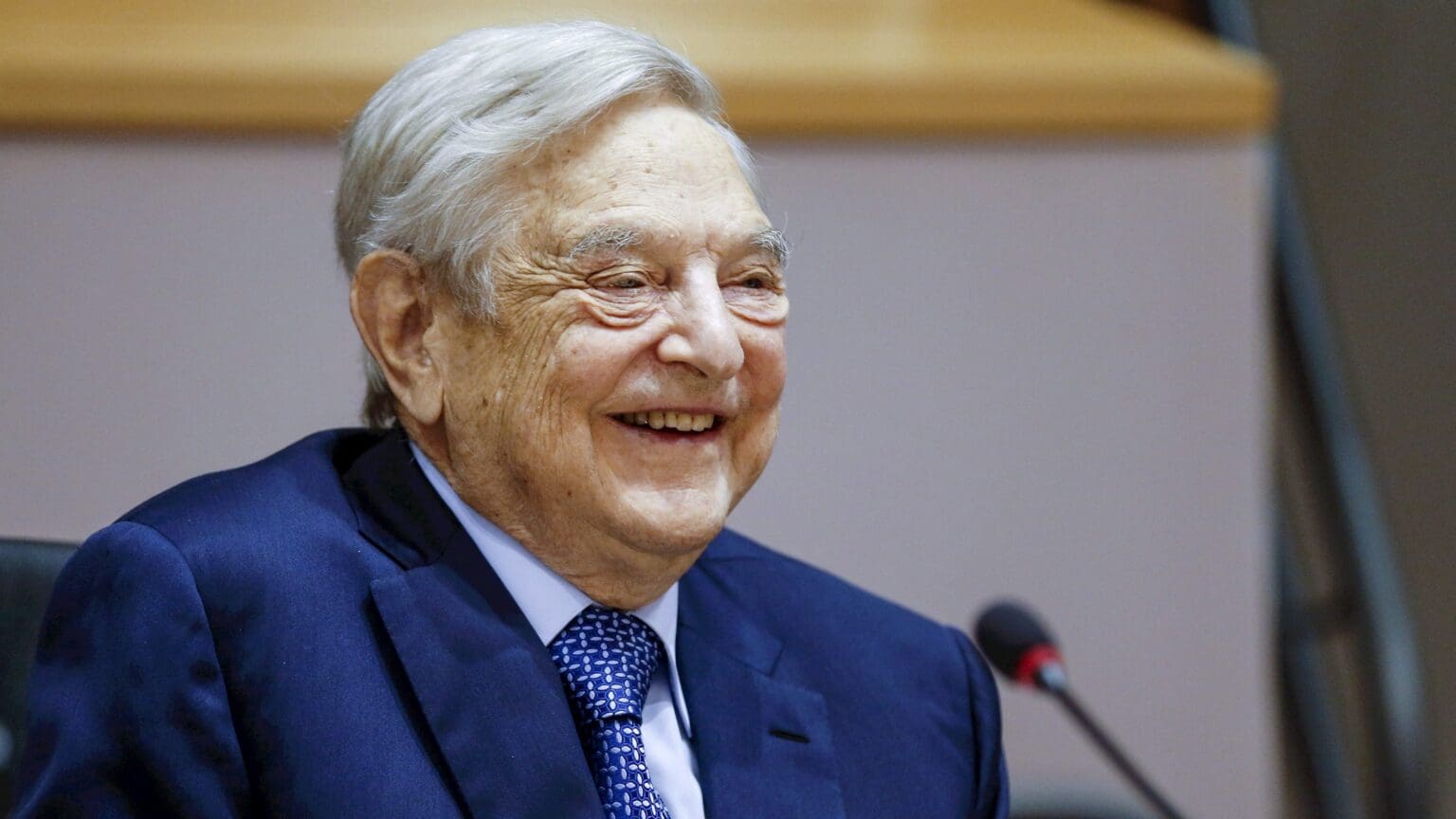
According to anonymous sources inside the Trump administration who spoke to the New York Post, the IRS and the Treasury are getting ready to act on a 2025 directive issued by President Trump and try to remove the 501(c) tax-exempt statuses of left-wing nonprofits that allegedly contribute to political violence.
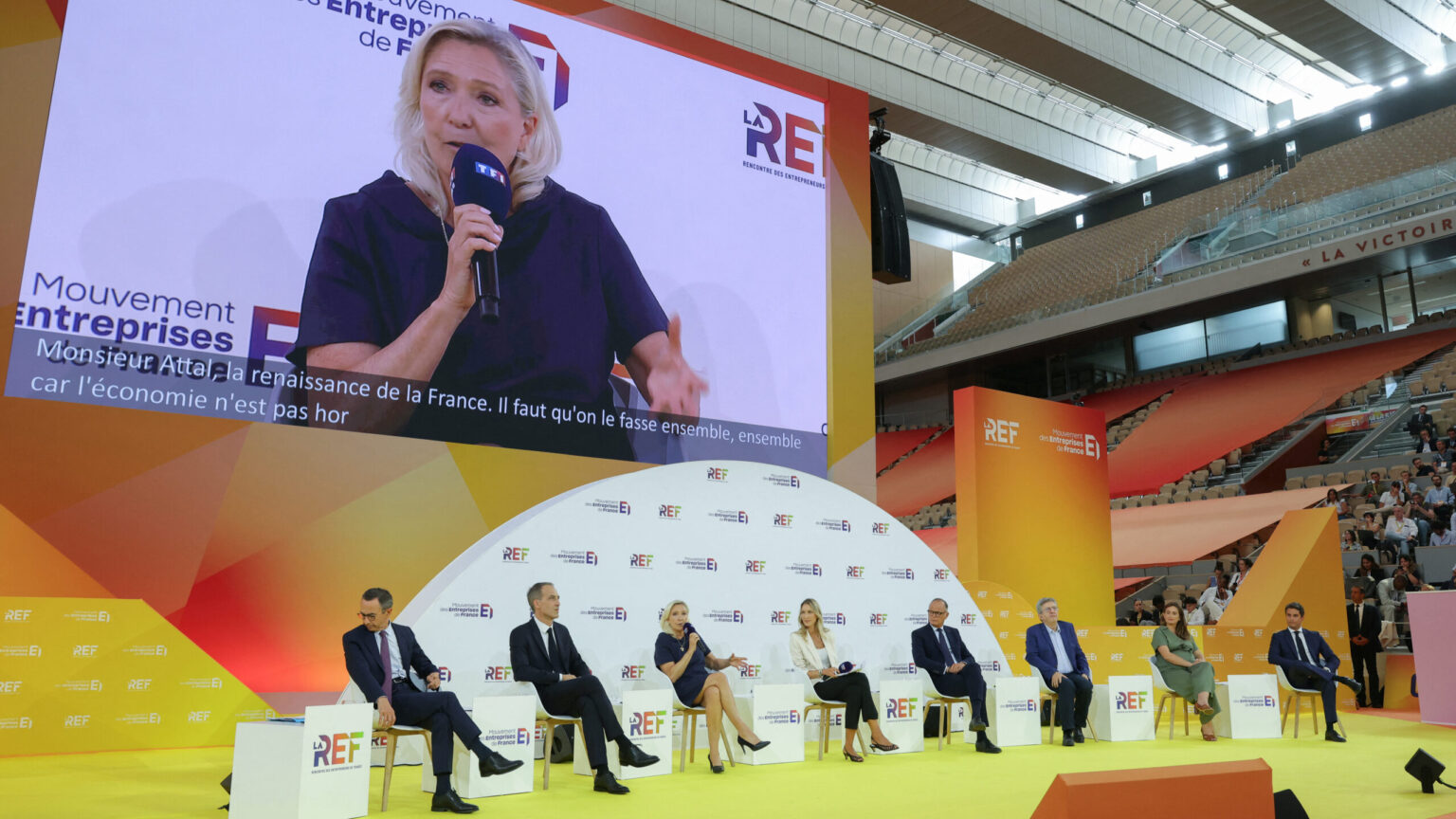
Marine Le Pen would beat every presidential rival according to a recent Elabe poll, defeating even Édouard Philippe in a hypothetical runoff. Despite a significant shift in mainstream voter sentiment in favour of Le Pen, French banks remain reluctant to lend to her campaign, continuing the long-standing institutional exclusion imposed on National Rally ahead of the 2027 vote.

Iceland held a referendum over the weekend on restarting accession negotiations with the European Union. The people of the small Nordic island nation have chosen the ‘No’ option, which received 52.8 per cent of the vote, against the ‘Yes’ option’s 47.2 per cent.
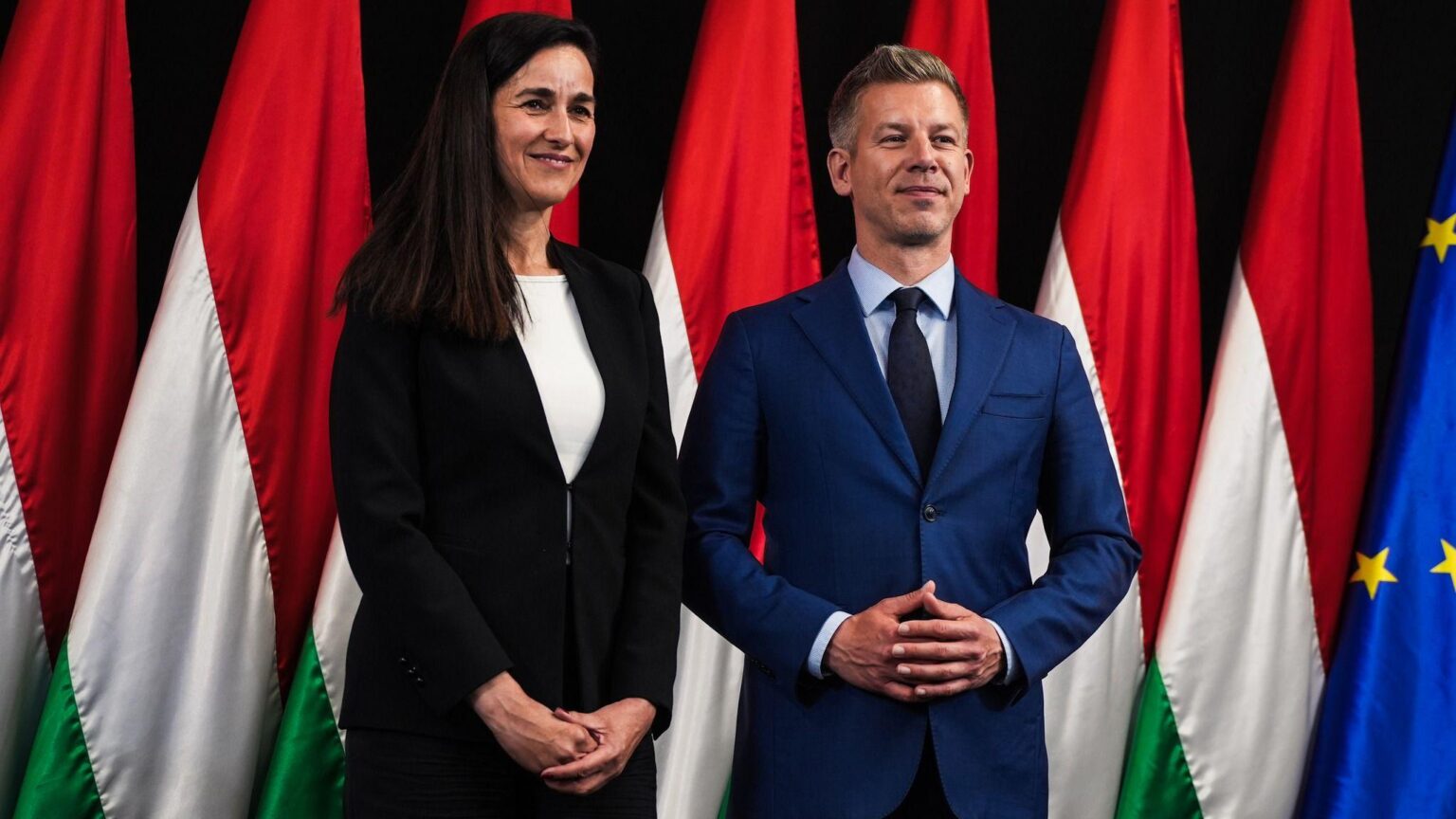
Péter Magyar’s government has quietly removed Hungary’s annual instruction to oppose references to the Global Compact for Migration and reject its implementation at the UN. The change leaves domestic restrictions intact, but it redraws a major Orbán-era foreign-policy boundary by creating room for selective engagement with the international migration-management system.

‘Colour revolutions are weapons for waging political battle, and rely on the so-called “methods of non-violent action” that unfold as protests against the government, under the pretext of fighting against dictatorship and corruption, led by the opposition.’
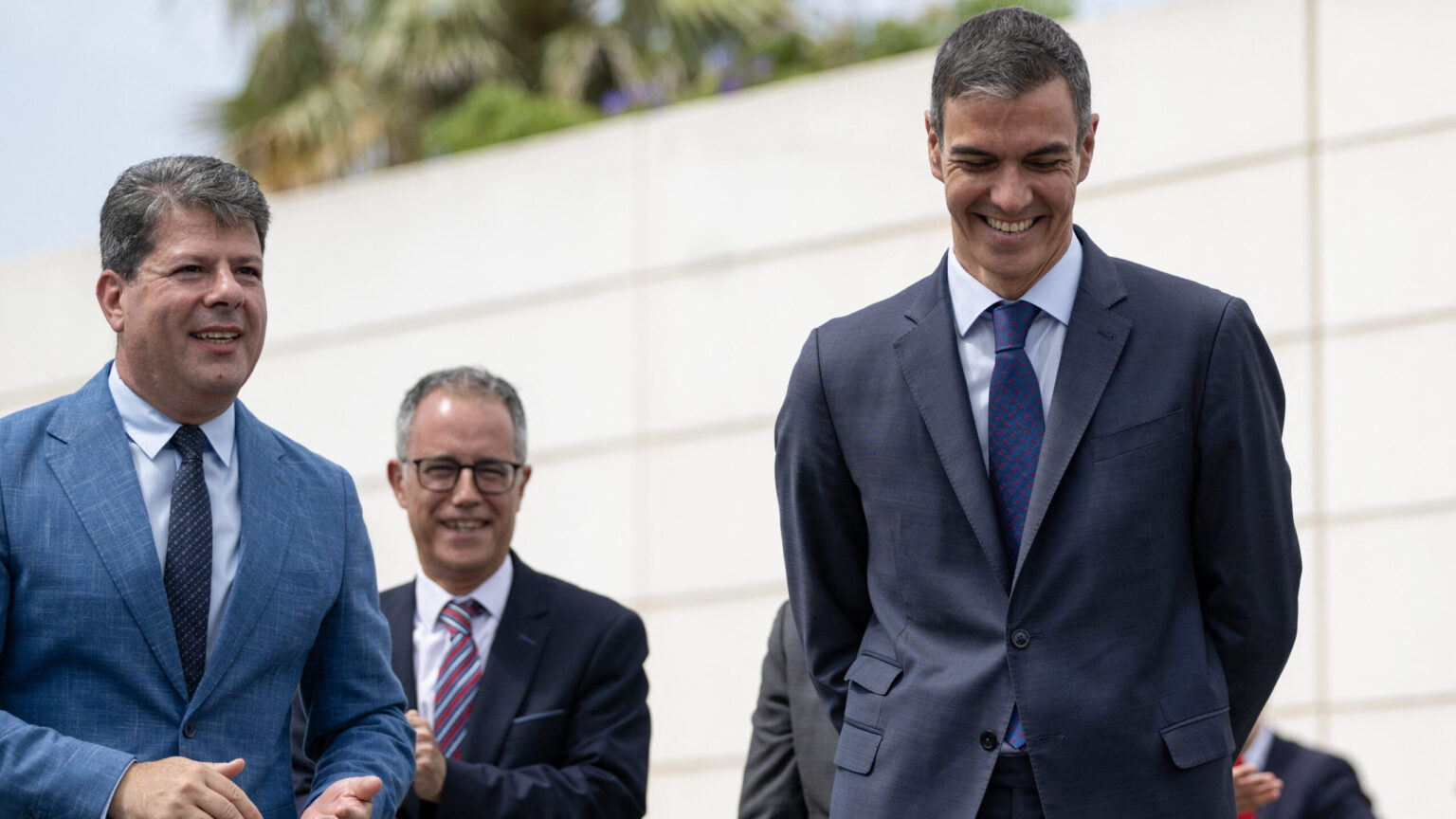
Pedro Sánchez came to power promising political ‘regeneration’; eight years later, Ceuta has become the clearest symbol of what his experiment produced instead. Corruption scandals, radical social engineering and a permissive migration policy have converged in an enclave fighting for its existence against invading masses, while Madrid’s denial has betrayed Ceuta, Spain and, increasingly, Europe itself.
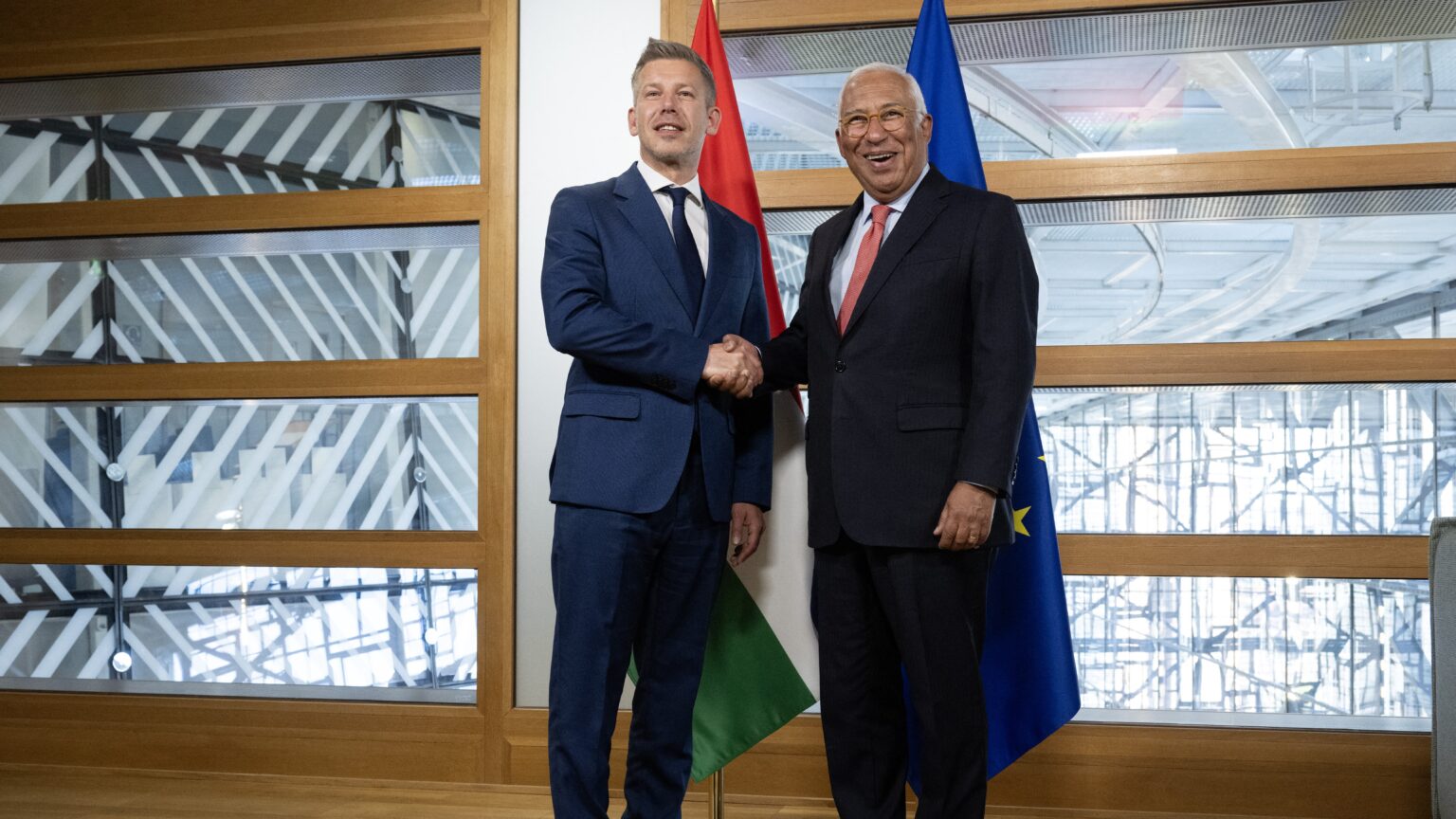
European Council President António Costa will meet Hungarian Prime Minister Péter Magyar in Budapest on 2 September as part of his tour of EU member states. The talks will focus on the bloc’s next long-term budget and other key EU priorities.
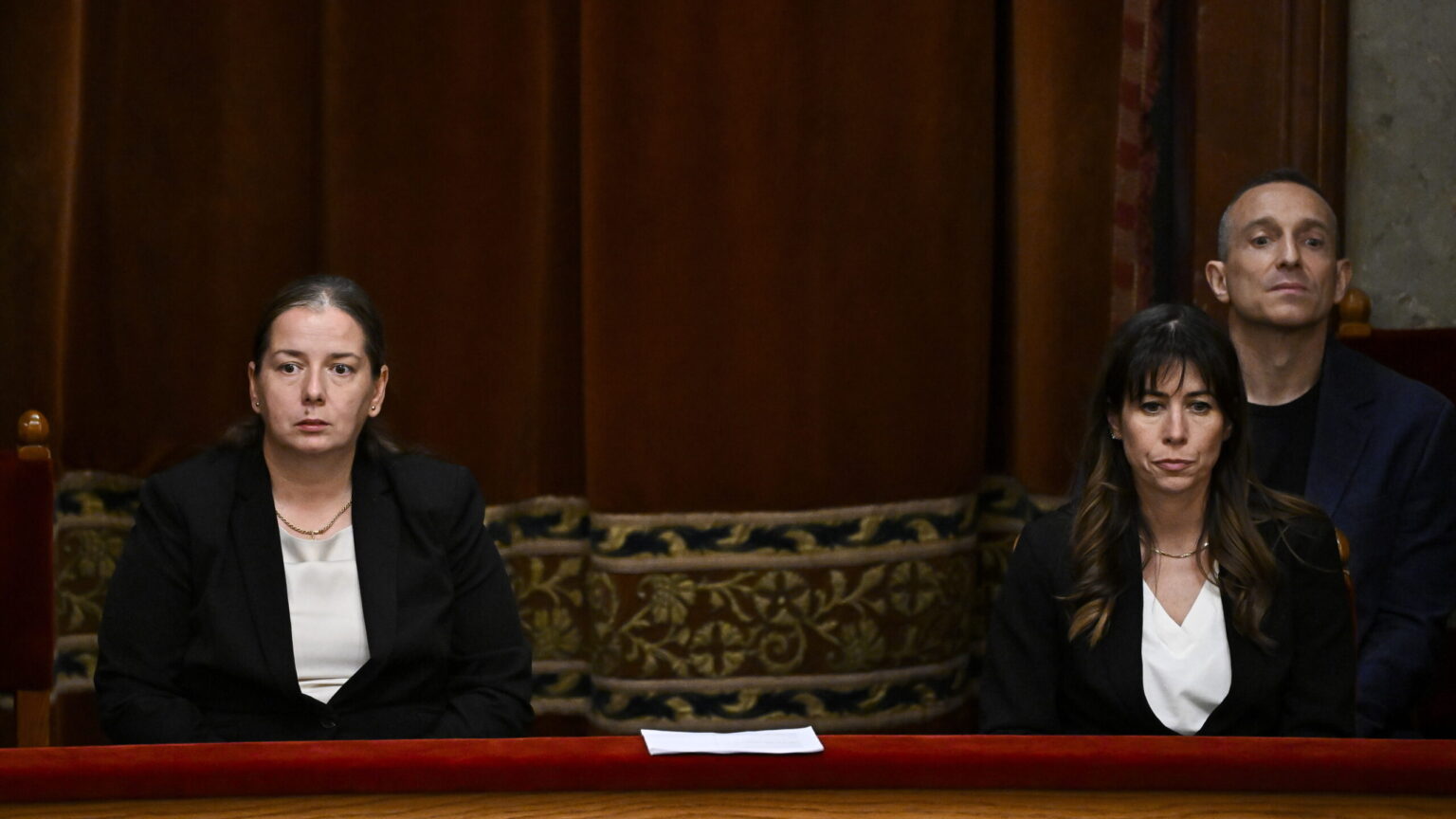
Parliament elected Anna Róza Unger president of Hungary’s new NVVH anti-corruption super-agency on Friday by 137 votes to seven, despite mounting criticism of her professional background and the chaotic selection process. The backlash intensified as Ákos Hadházy alleged the contest was largely ‘theatre’ and that Unger emerged from a compromise inside Tisza’s leadership.
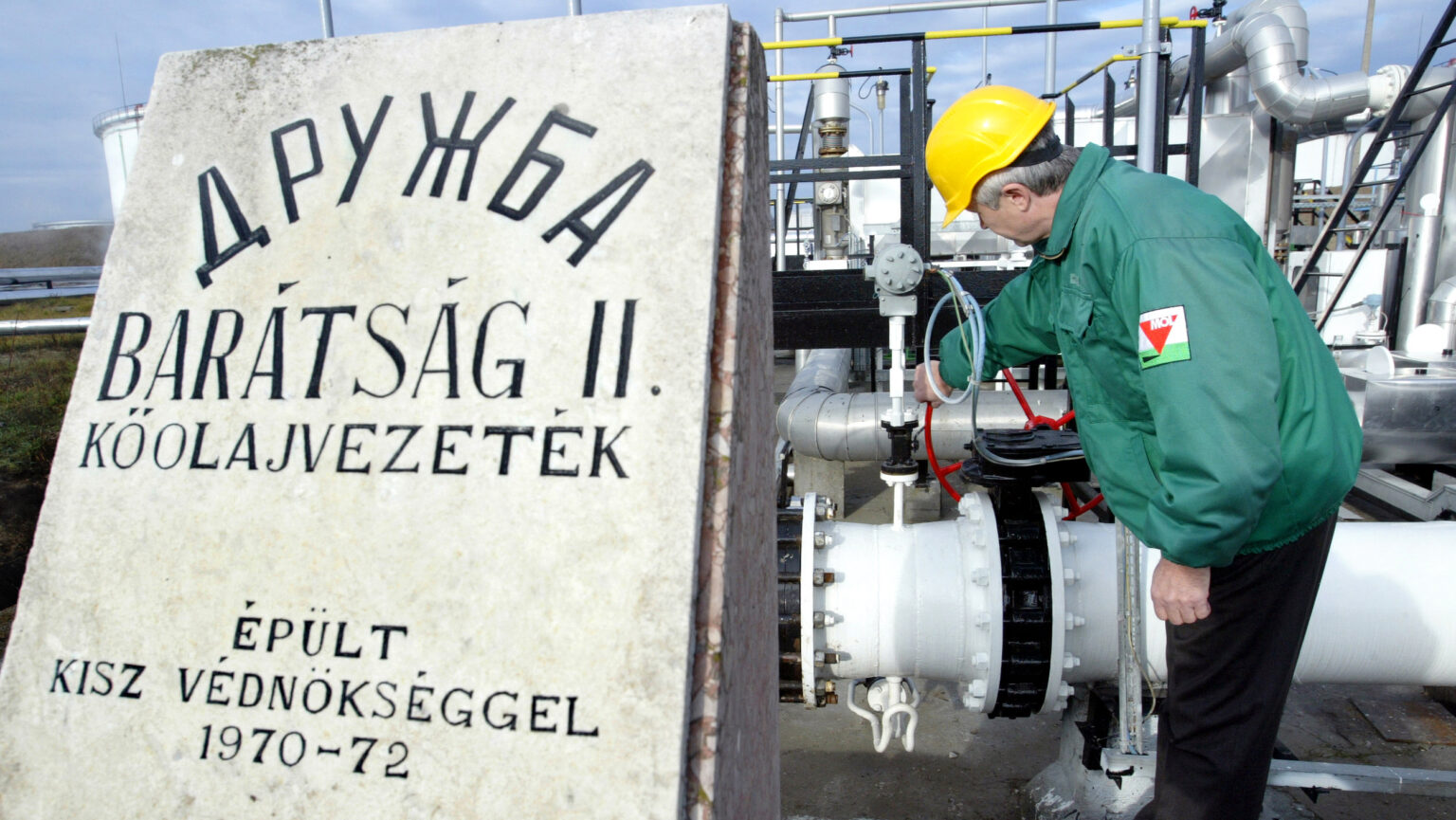
Russian lawmakers have lashed out at Péter Magyar after Hungary formally described Russia as a threat to the country, Europe and the global order in new UN instructions. The rhetoric marks a sharp break with the Orbán era, while threats over cutting oil and gas deliveries expose how Budapest’s diplomatic realignment to the EU collides with its continuing dependence on Russian energy.
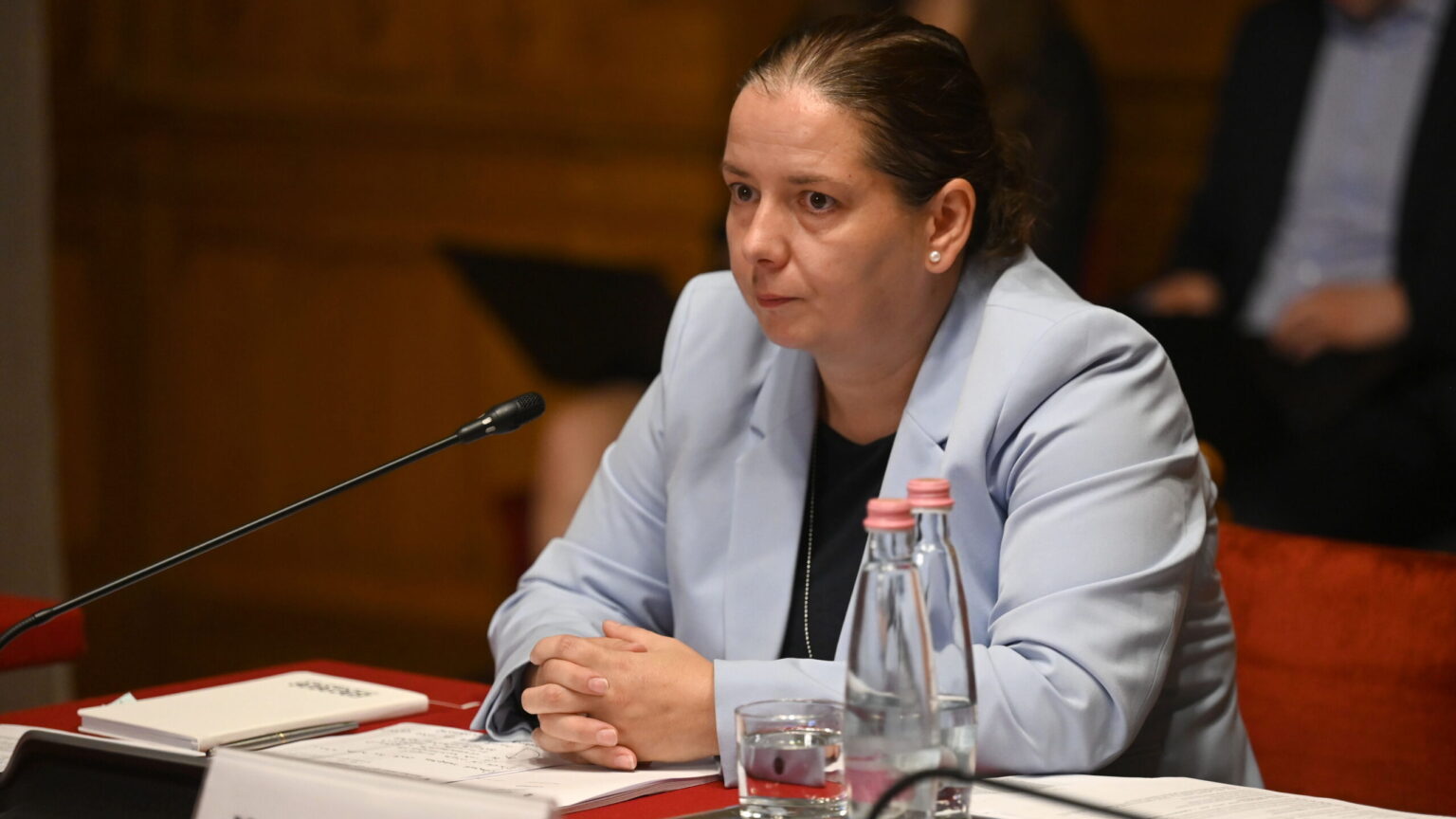
Parliament’s justice committee has chosen political scientist Anna Róza Unger as its nominee to lead the National Asset Recovery and Protection Office, favouring the candidate with the strongest systemic accountability agenda despite her limited operational background. The decision sharpens questions over what role the super-agency is meant to play as parliament prepares for Friday’s secret ballot.

At a time when public debate is increasingly polarized and superficial, Hungarian Conservative remains committed to depth and independent thought.
Donate Now
Please consider supporting our mission.