
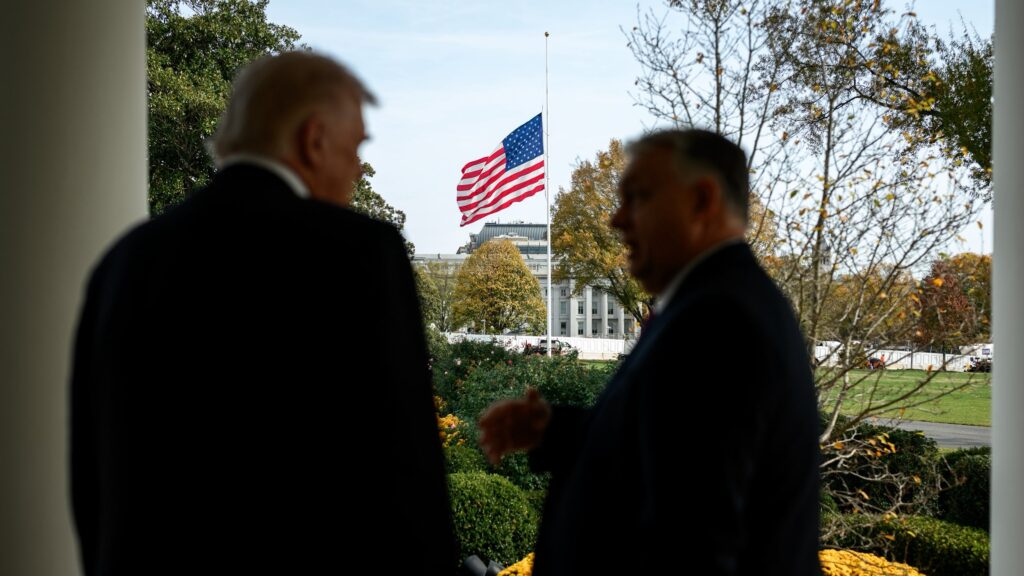
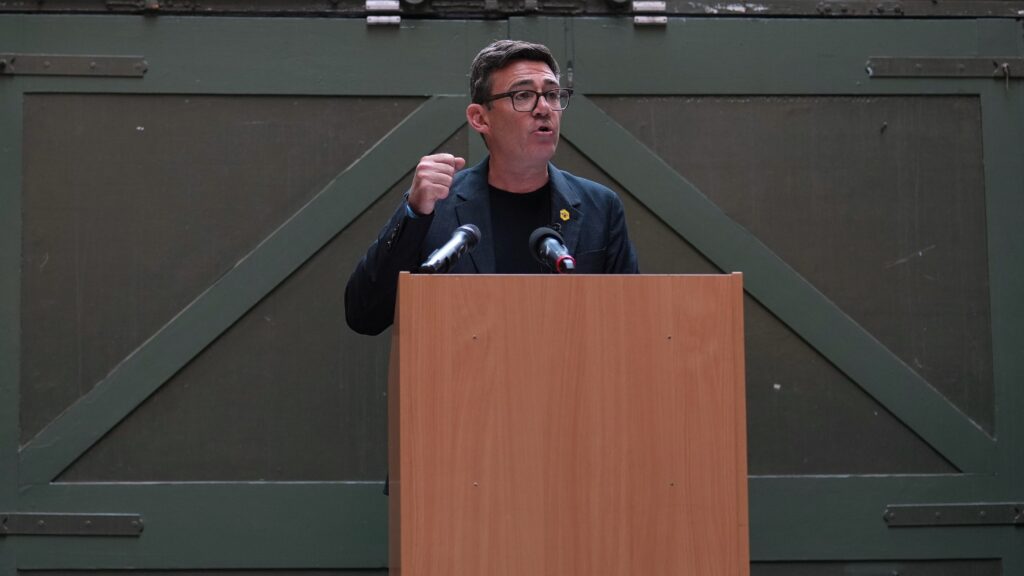
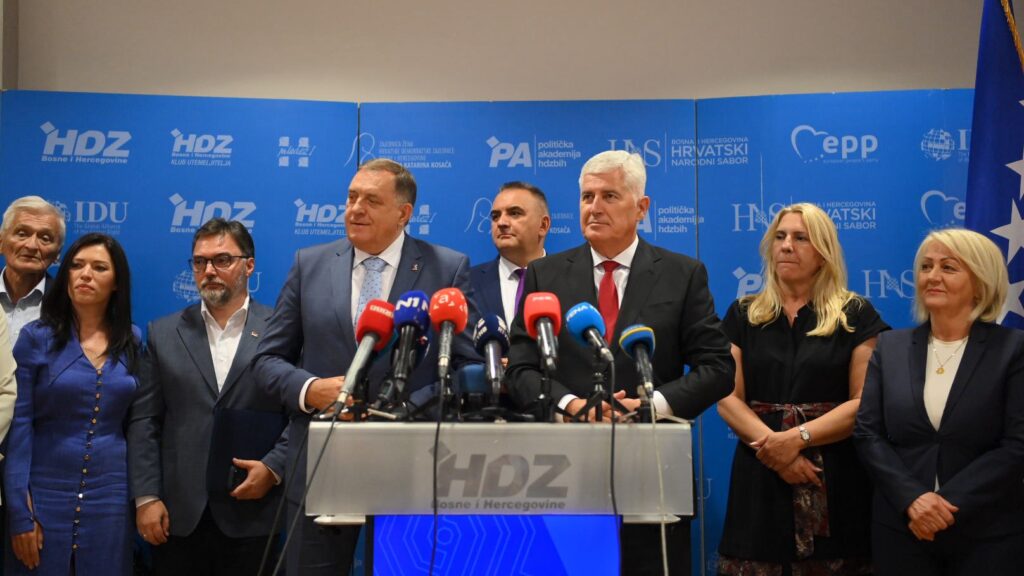
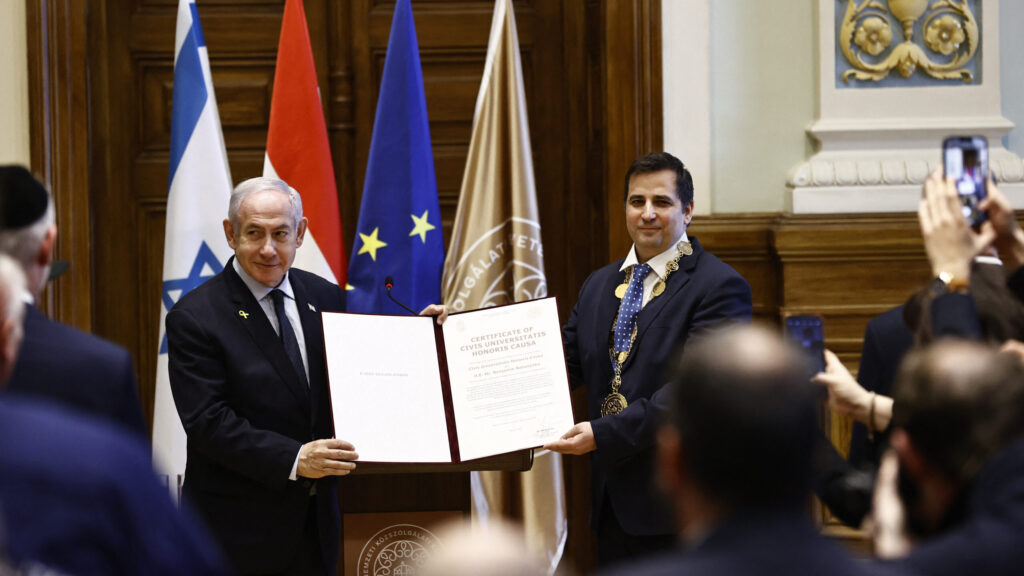
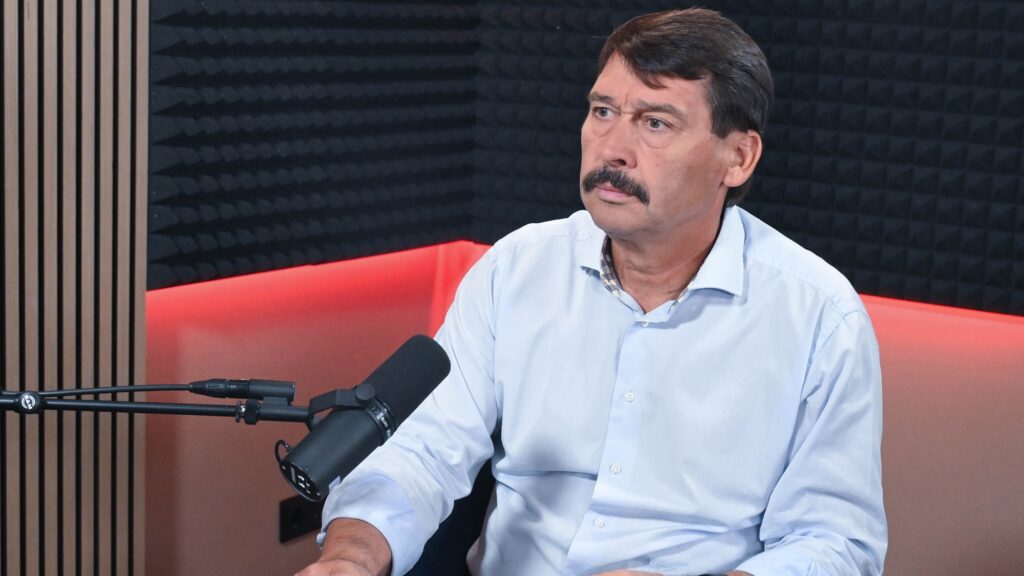
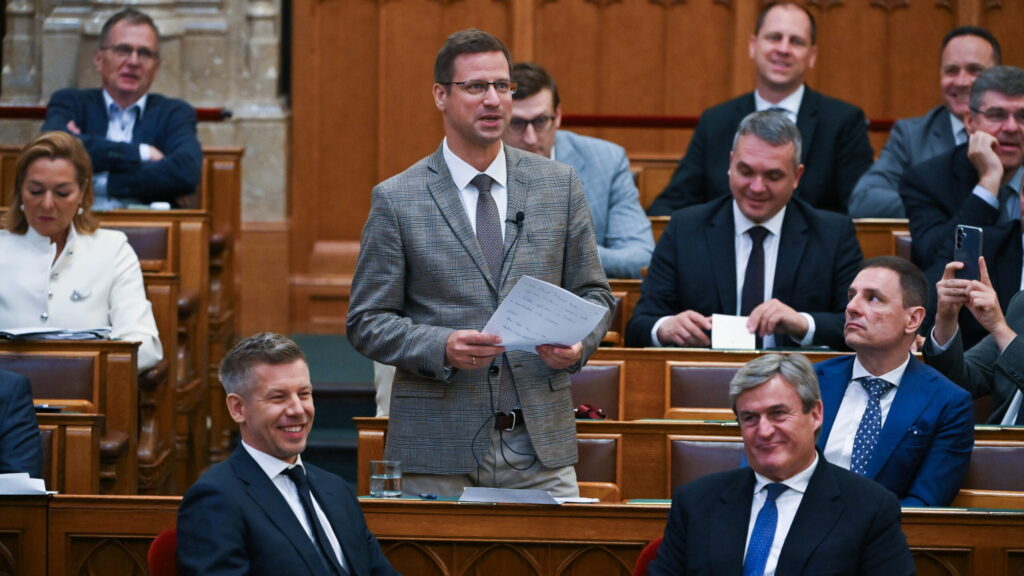




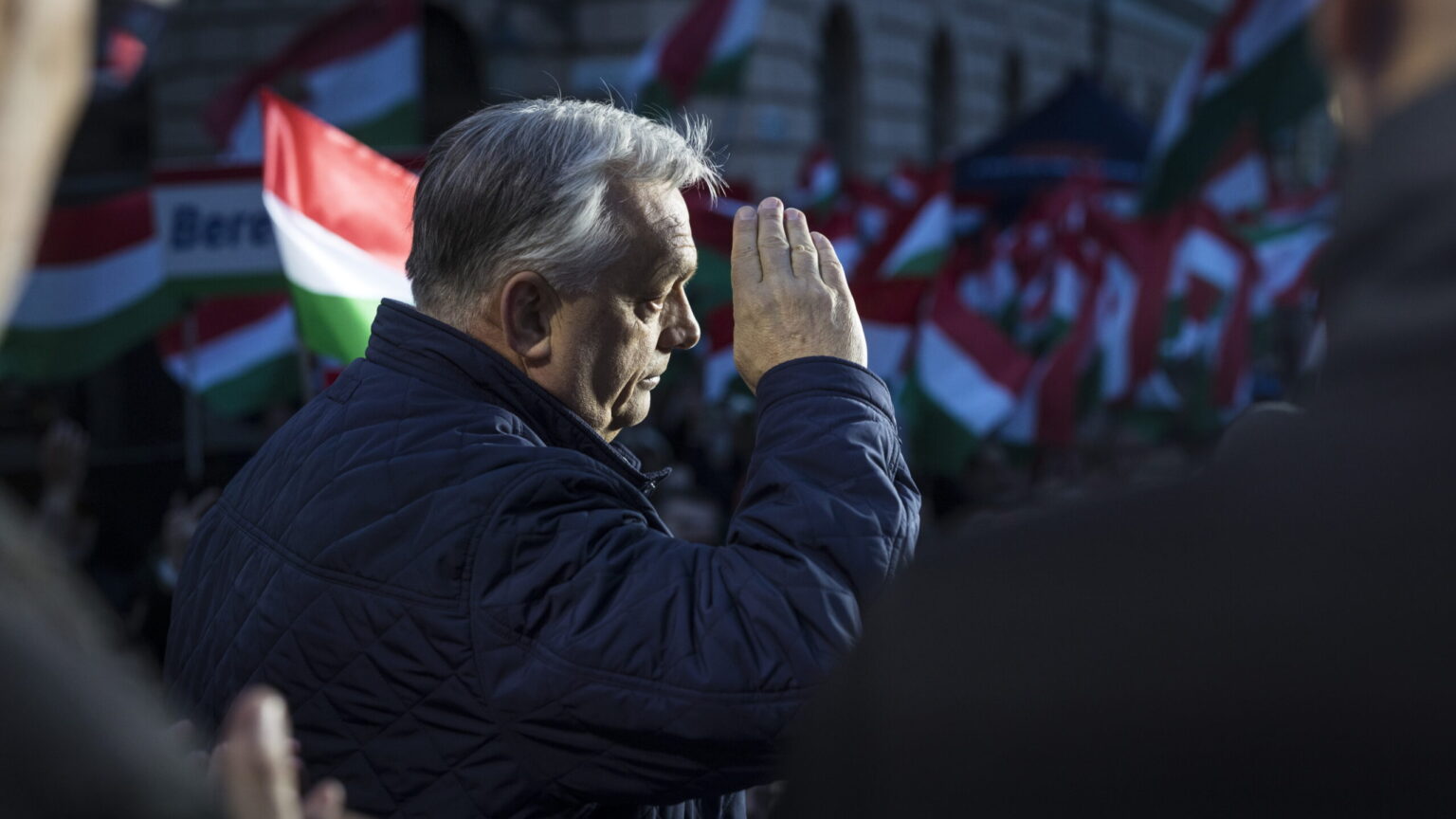
In his first video address since leaving office after 16 years, former PM Viktor Orbán touted the successes of his tenure, such as the second-highest economic growth in the EU, income tax exemption for mothers of three or more children and people under 25, and Hungary’s ‘work-based economy’. He also described the new Tisza government as ‘liberal’, despite PM Magyar identifying as a conservative.
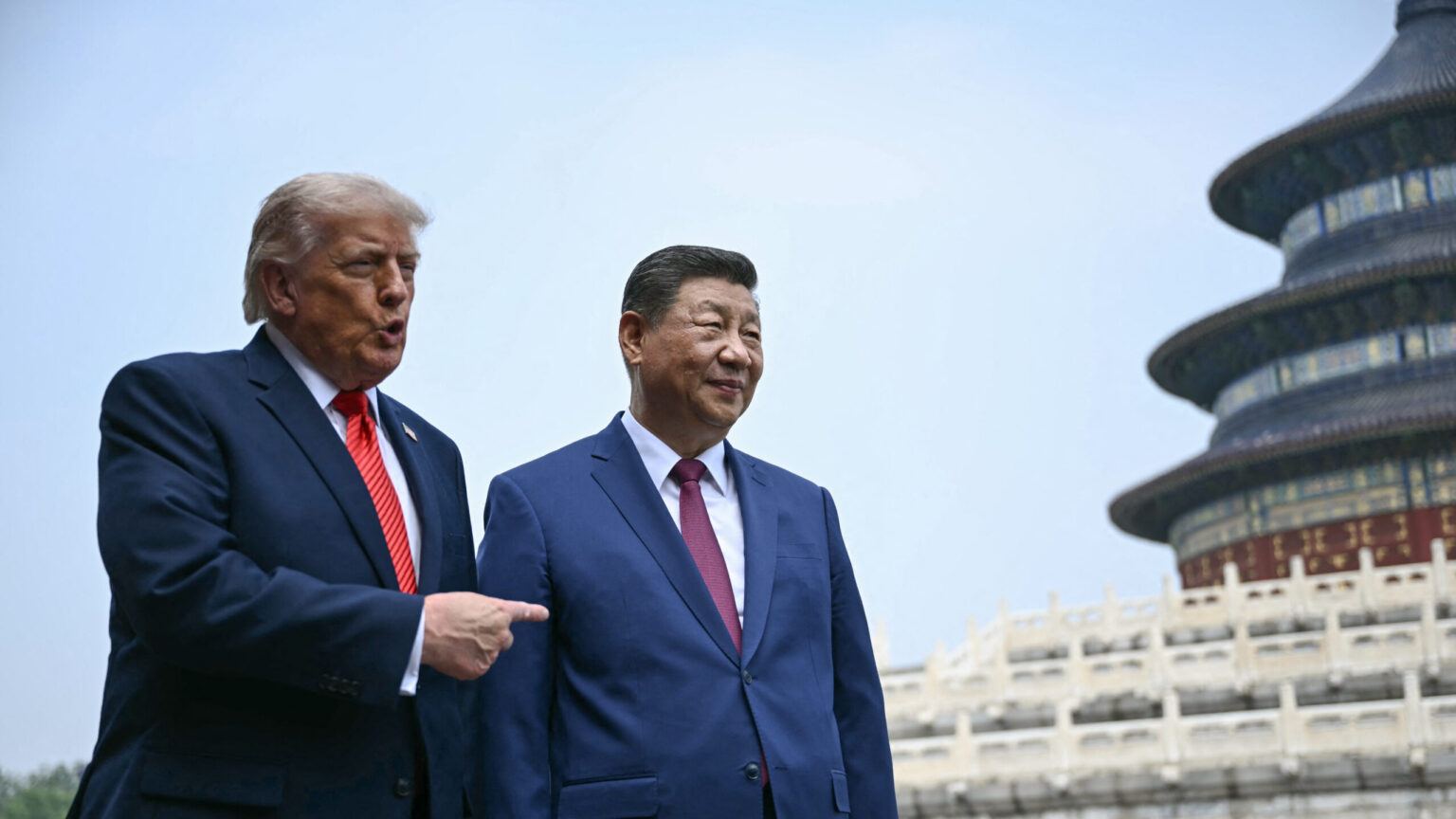
Donald Trump and Xi Jinping opened high-stakes talks in Beijing on Thursday focusing on trade, artificial intelligence, Taiwan, and strategic supply chains, but a newly discovered massive lithium reserve in the United States may have pushed negotiations over critical minerals and technological dominance into an entirely new geopolitical dimension.

Hungary’s state of emergency has ended after six years, closing an extraordinary legal regime first introduced during the COVID-19 pandemic and later extended because of the Russo–Ukraine war, while several emergency measures remain in force through ordinary legislation.

Antoinette Fernandez, the person in charge of the UK Green Party’s reparations programme that would give monetary compensation to the descendants of slaves in the British Empire, was revealed to come from a family of Nigerian monarchs on her mother’s side that made fortunes on commissions on slaves they sold to the Transatlantic slave trade.
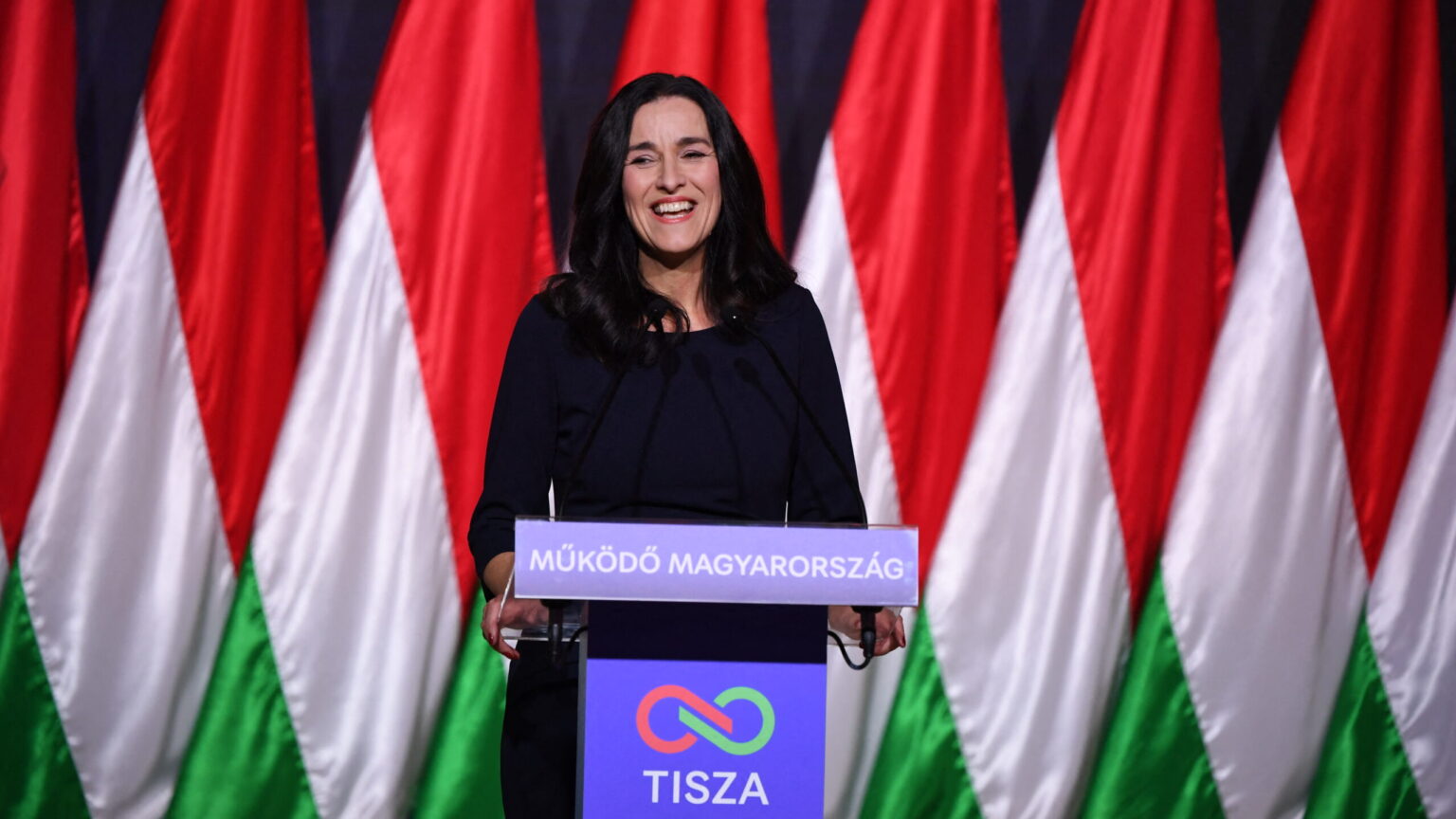
Remarks by Hungary’s incoming foreign minister Anita Orbán have triggered intense criticism from conservative and right-wing commentators, who accuse the Tisza government of retreating from Péter Magyar’s campaign promises on migration and alignment with the EU Migration Pact.
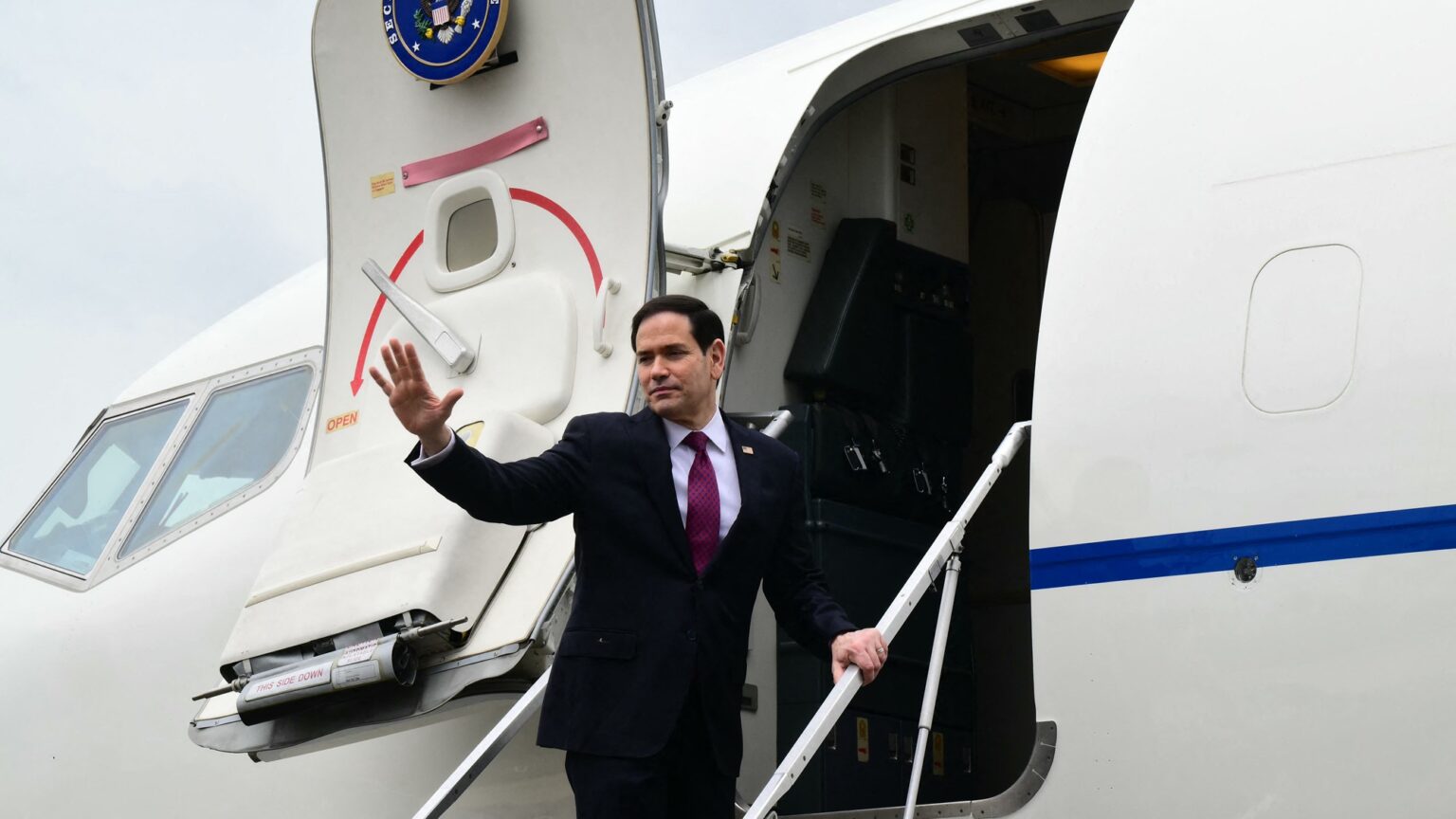
US Secretary of State Marco Rubio has seen an increased interest in his 2028 prospects as President among bettors, with him even becoming the favourite to win on the decentralized crypto prediction market Kalshi. Can Secretary Rubio become the first Latino President of the United States?
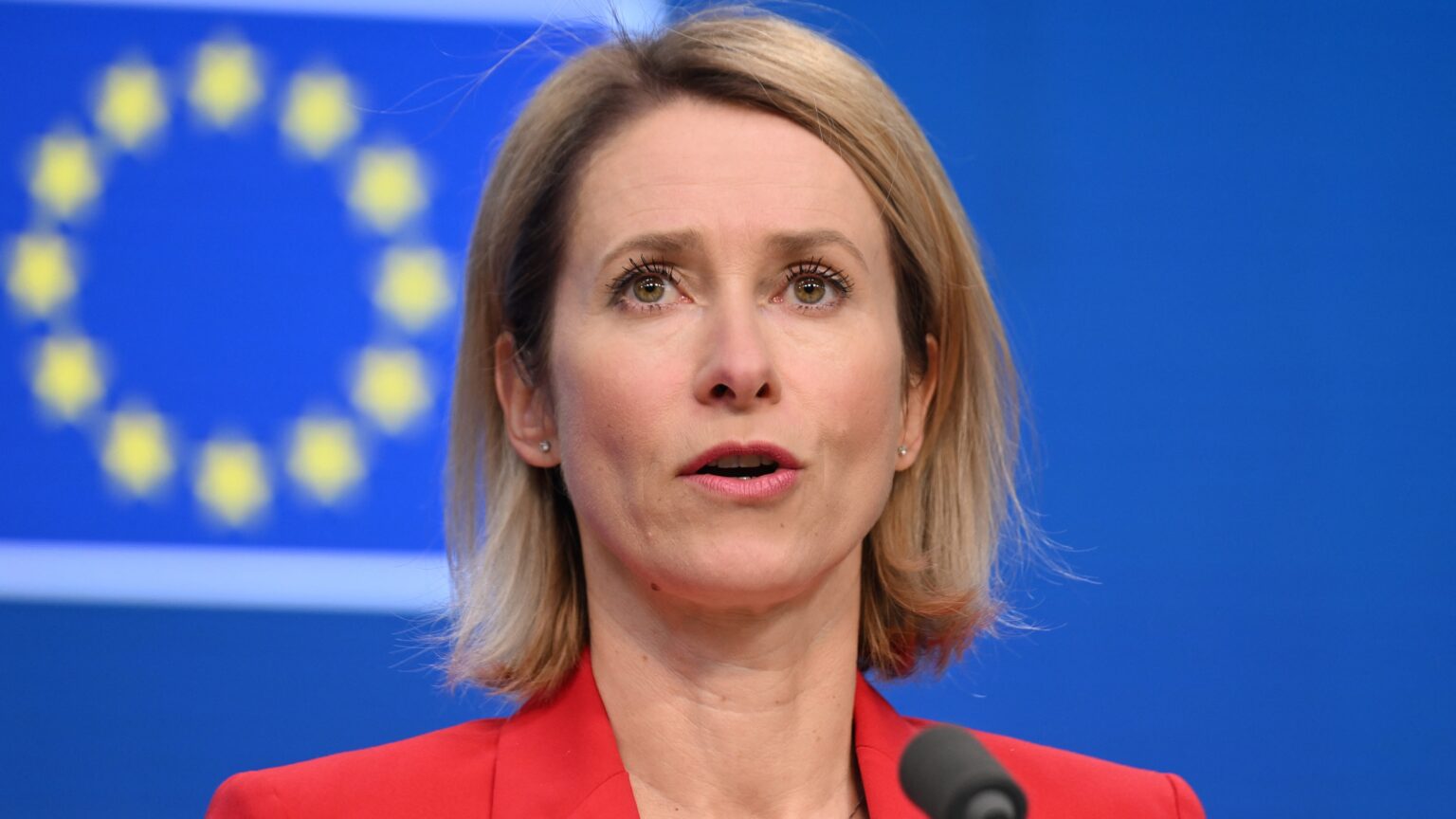
The move signals a possible shift in the EU’s political dynamics regarding Israel, particularly following the end of the Hungarian veto.

Hungary’s newly inaugurated Prime Minister Péter Magyar has demanded an urgent written account from caretaker ministers of all decisions and financial commitments made after the new parliament was formed, amid allegations that documents are still being destroyed inside ministries.
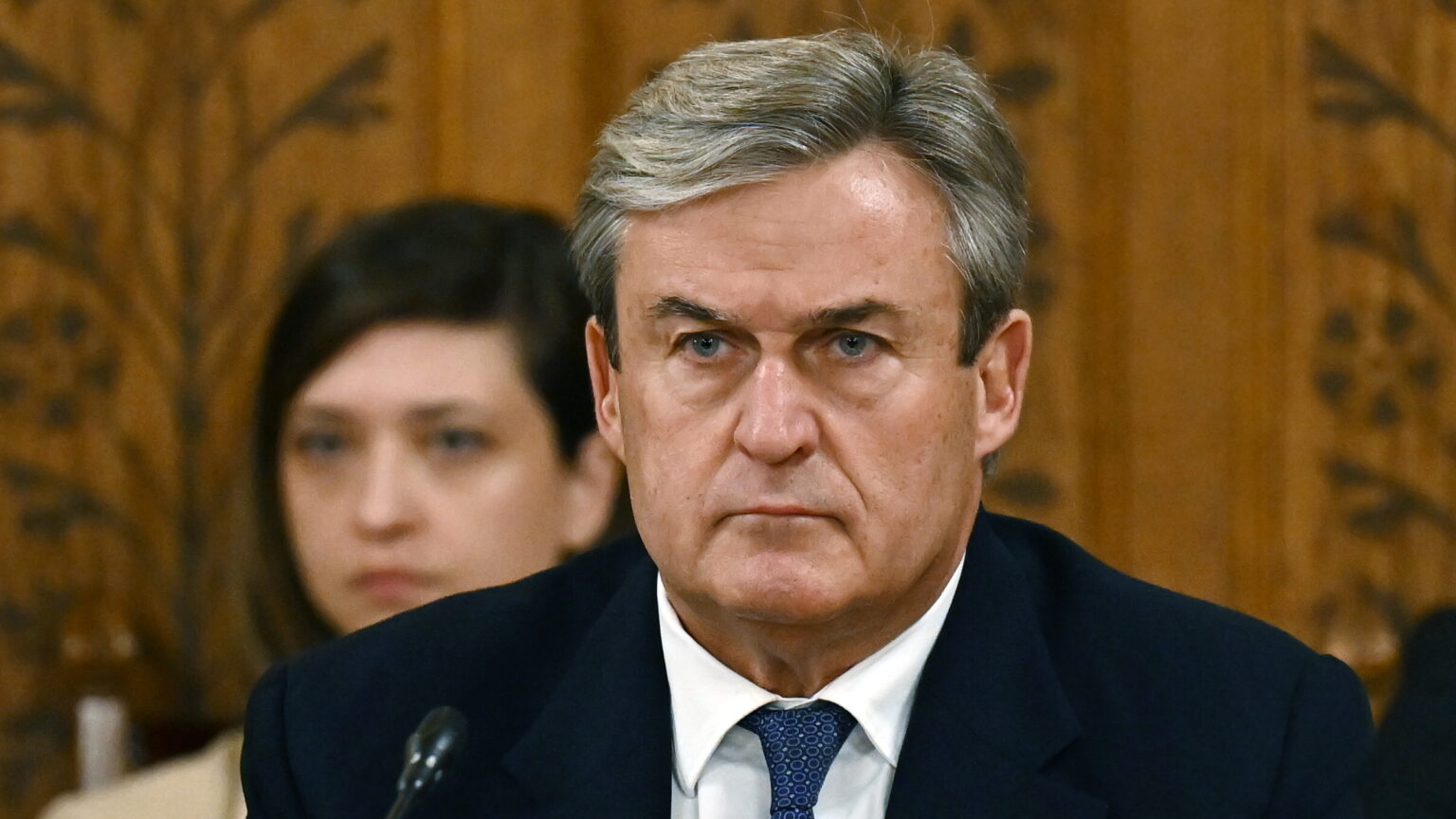
Hungary’s incoming Tisza government appears set to normalize relations with Brussels without fully abandoning the pragmatic Russian energy ties of the Orbán era. The hearings of István Kapitány and Anita Orbán suggest that although Hungary’s diplomatic style may change, disputes over Russian energy, Paks II, and strategic decoupling will likely persist.
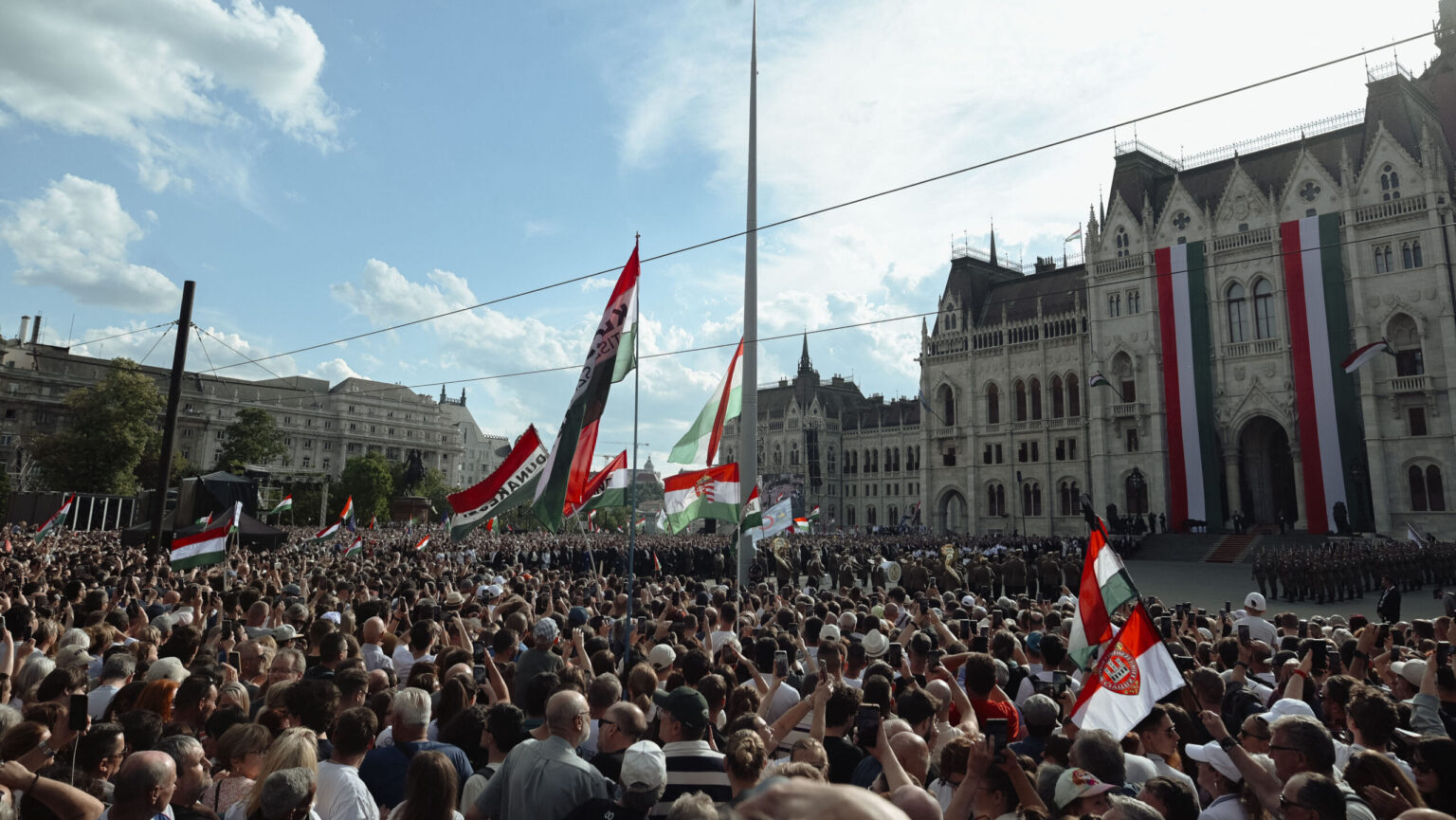
Hungary entered a new political era on 9 May as the Tisza Party formally took power with a constitutional supermajority, with the inaugural session demonstrating that the transition would be anything but conventional. From constitutional confrontation and symbolic culture-war clashes to scenes of unprecedented public celebration, we gather the top five moments of the historic inaugural session.
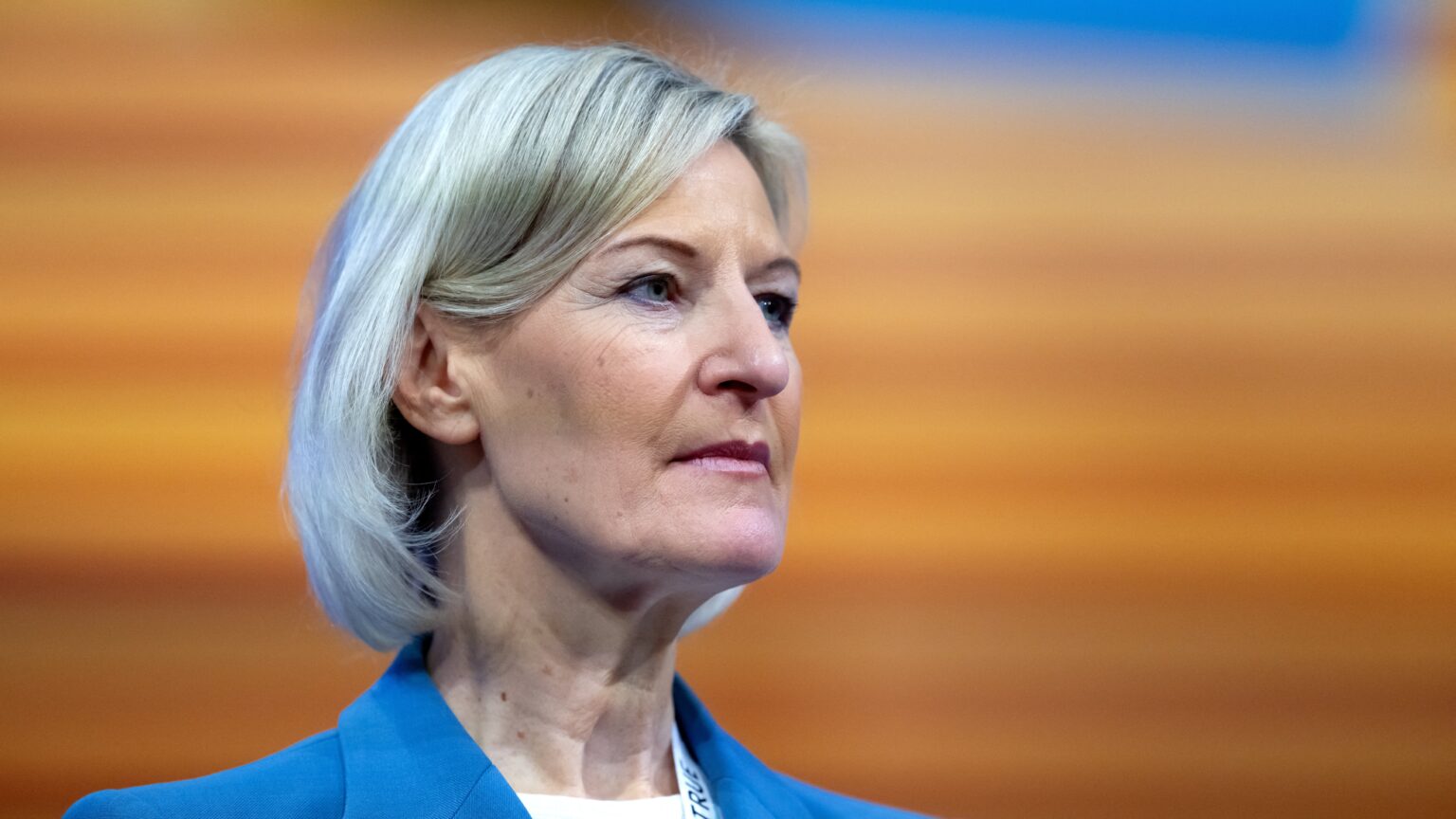
‘The sharp contrast between Angelika Niebler’s case and that of the French National Rally has led some to highlight what they see as politically motivated double standards applied by the EP against right-wing parties.’

Hungary’s incoming agriculture minister has announced plans for a 5 per cent VAT rate on fruit and vegetables, alongside major reforms targeting drought management, food self-sufficiency and land ownership rules.
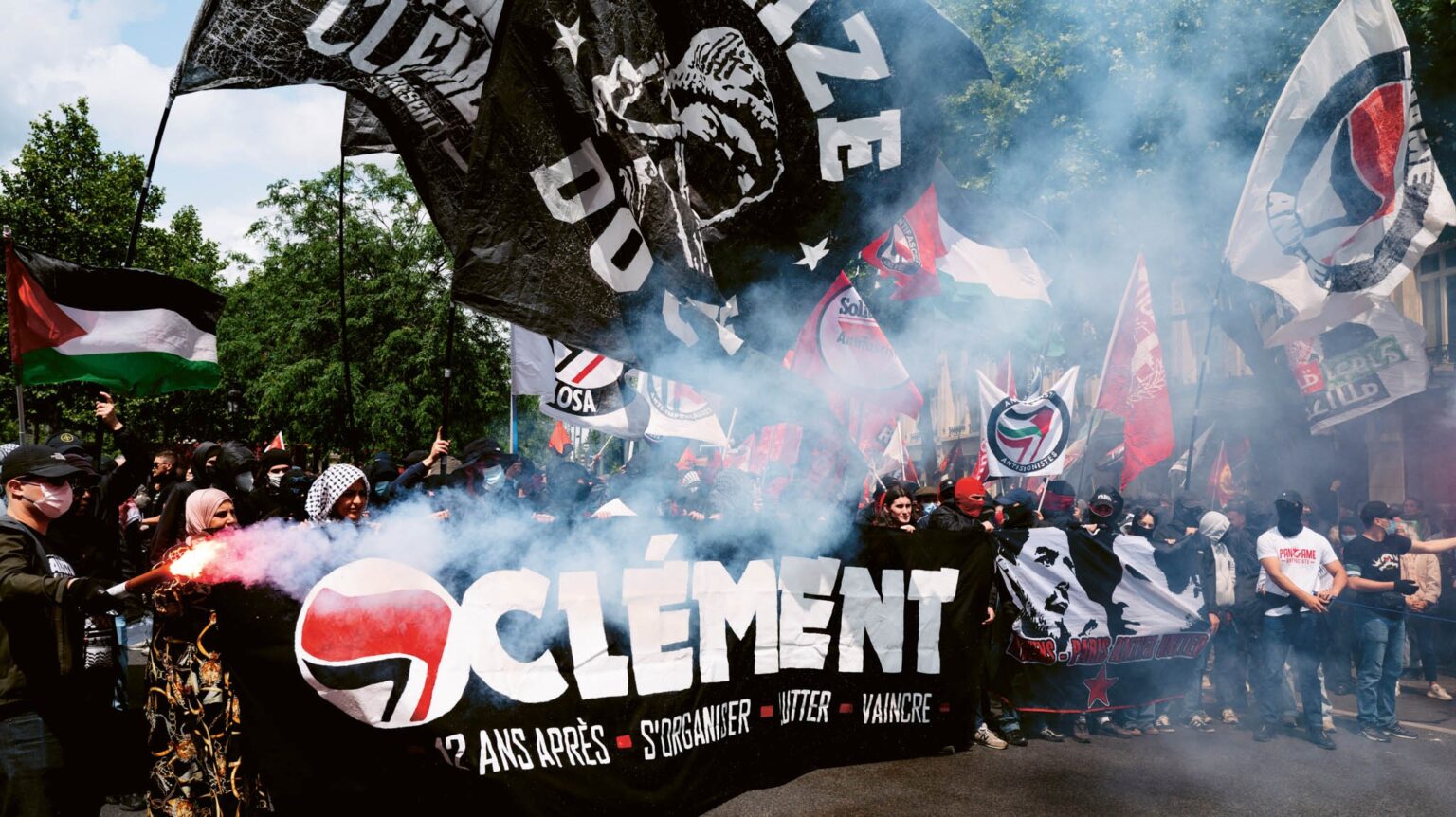
‘Antifa is “proudly illiberal” and rejects the liberal principles of freedom of speech, opinion, and assembly. From a revolutionary perspective, a legalistic approach to rights is not worthy of respect, since, in Antifa’s view, rights are not “inalienable”. For antifascists, the wellbeing of marginalized groups takes precedence over abstract liberal rights.’
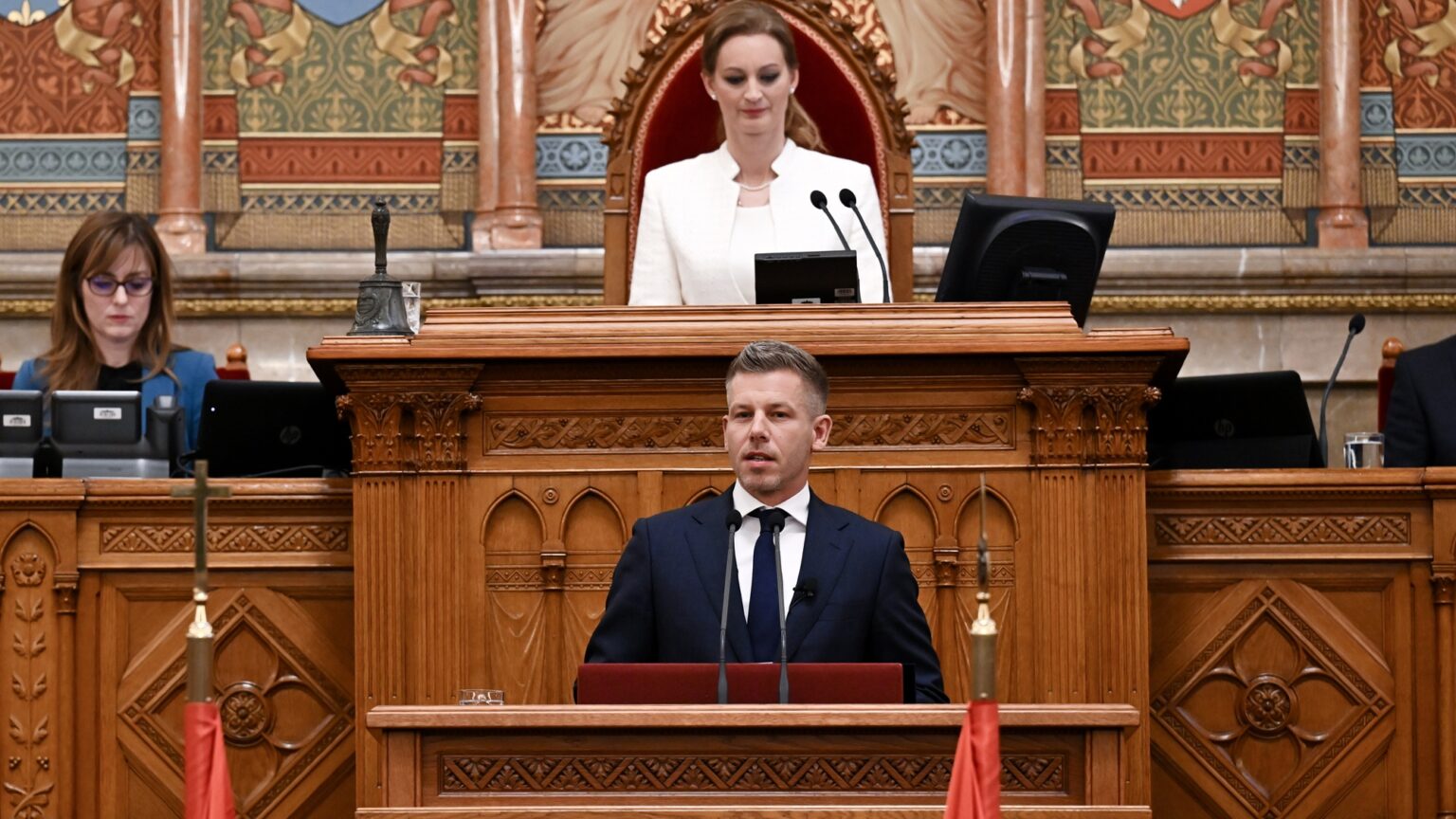
Péter Magyar was formally inaugurated as Hungary’s new Prime Minister after his Tisza Party won a constitutional supermajority in the 12 April election. In his first address, he promised national renewal, justice, and accountability, pledging to investigate past corruption, and create a new government that respects all its citizens equally.
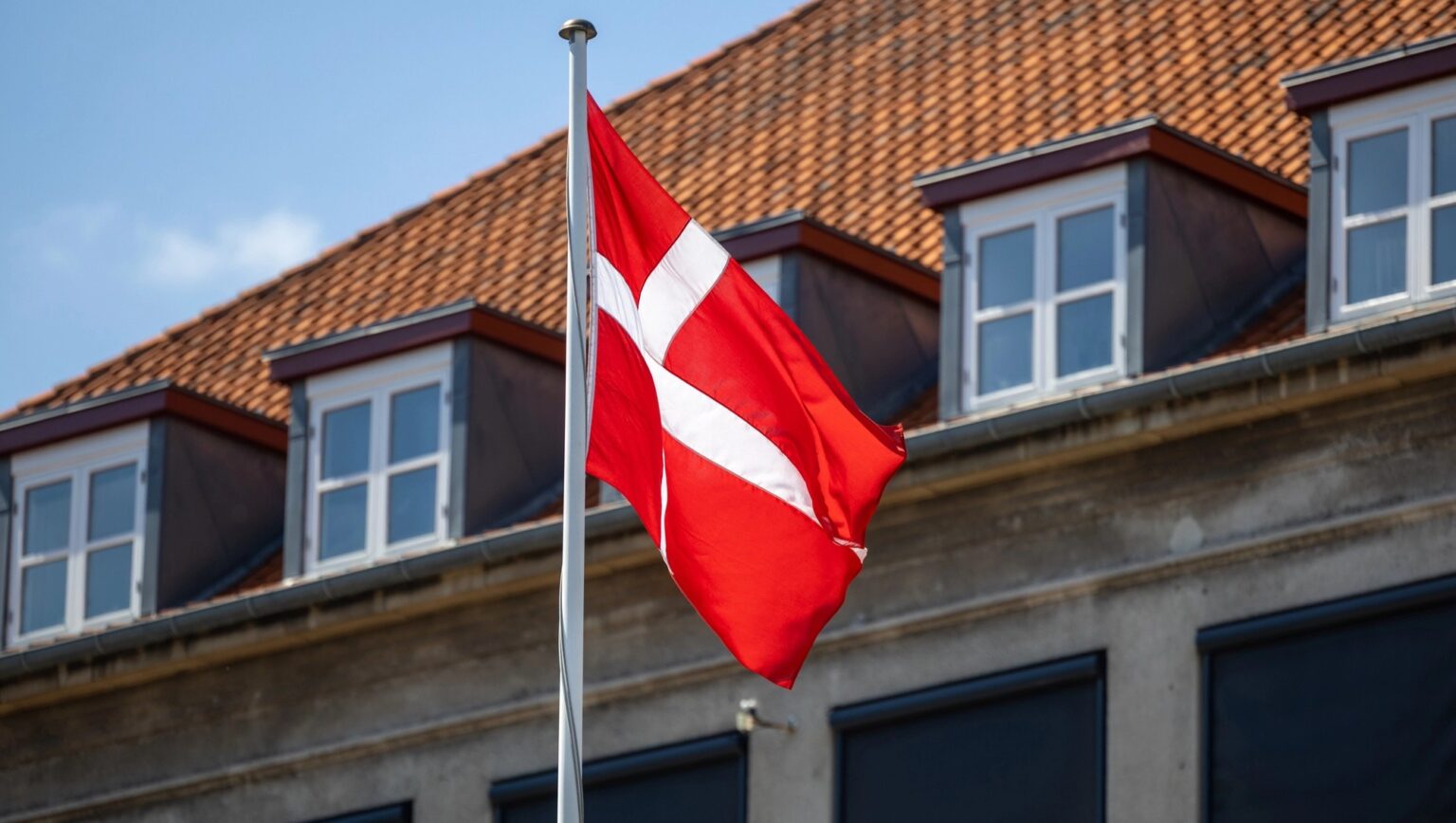
‘The successful Danish referendum allowed the Maastricht Treaty to enter into force in November 1993, while Denmark was also able to preserve key elements of its national sovereignty.’
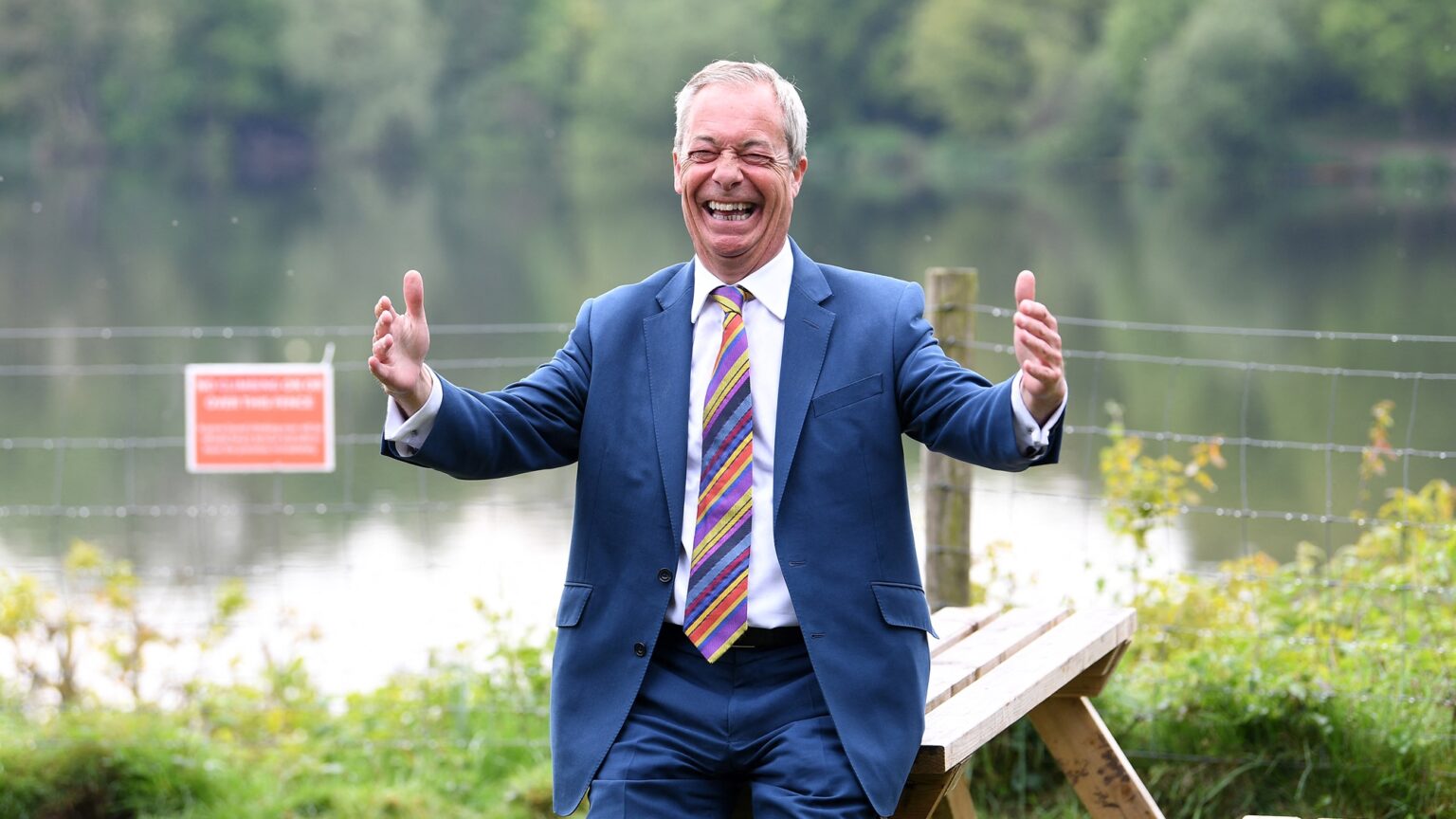
Across the UK’s 2026 elections, the incumbent left-wing Labour Party has suffered heavy losses in England’s local councils and a historic setback in Wales, where it has collapsed from dominance to just a handful of Senedd seats in the newly expanded chamber. Meanwhile, the right-wing populist Reform UK has surged dramatically, gaining over 1,000 councillors.
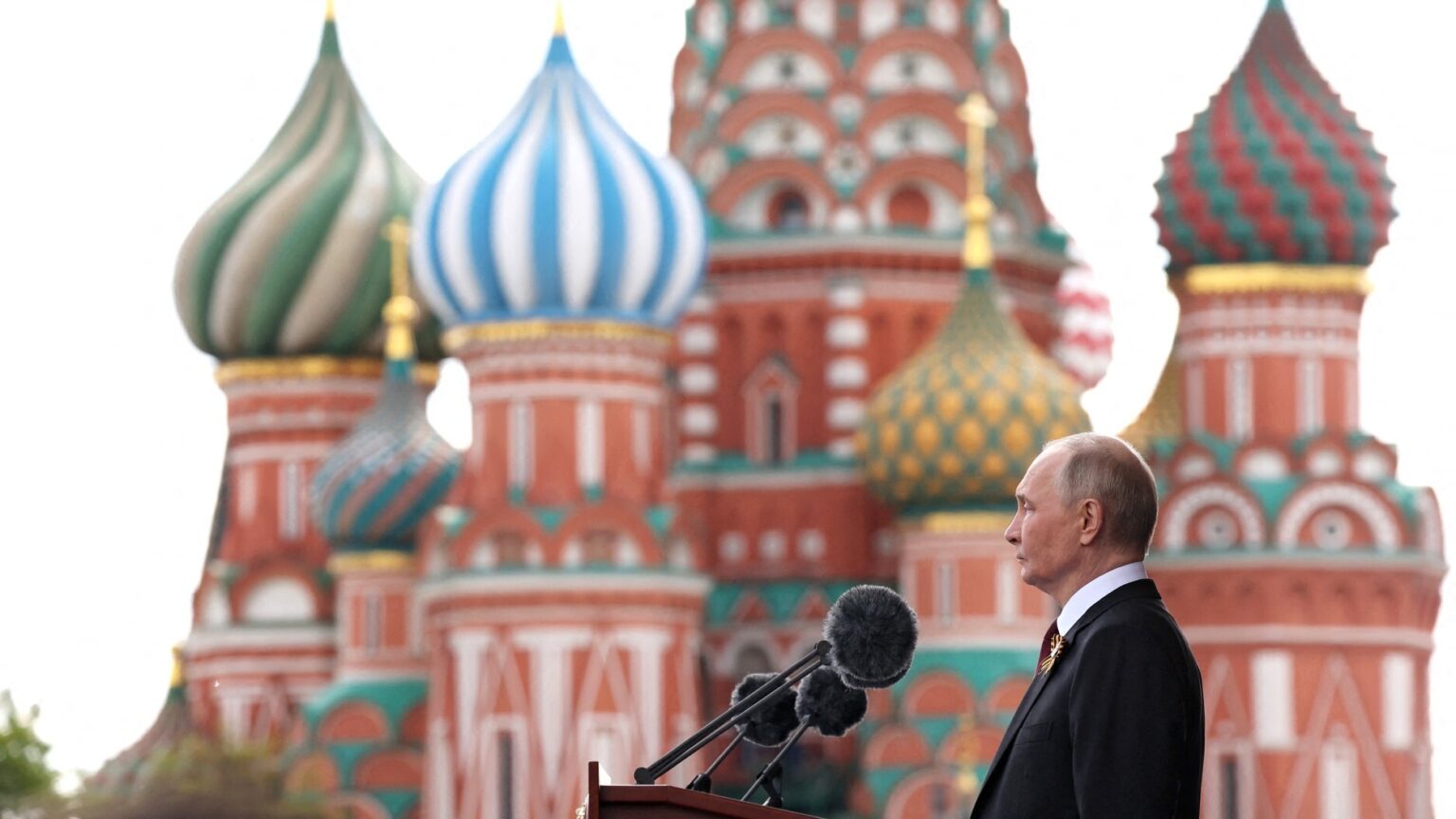
Moscow’s preparations for what many describe as the most heavily secured Victory Day parade of the post-Soviet era reveal more than fear of a specific Ukrainian attack. They point to a deeper transformation in Russian strategic psychology following Operation Spiderweb and the collapse of assumptions about Russia’s internal security depth.
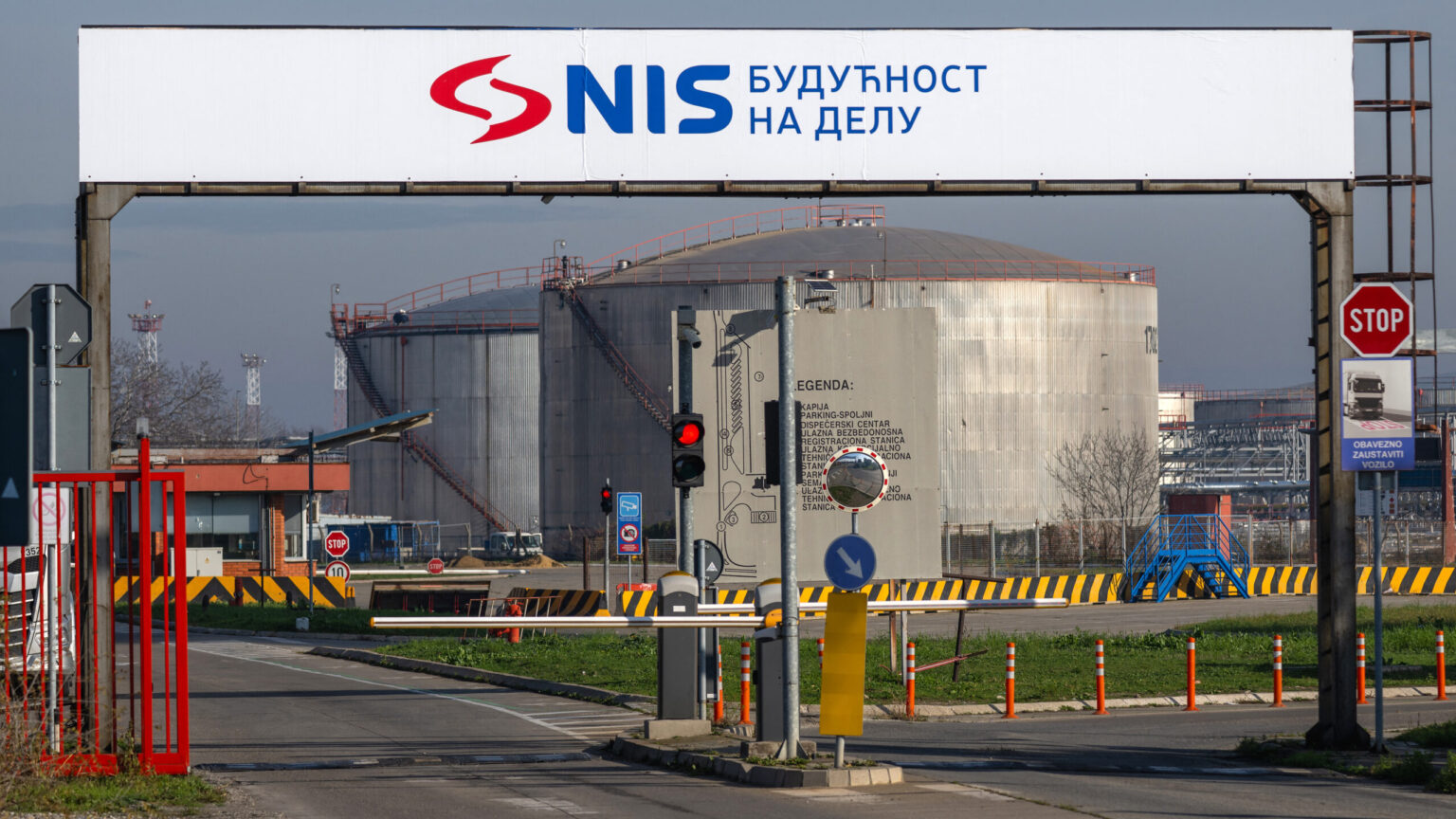
Hungary’s MOL is facing mounting difficulties in its planned acquisition of Serbia’s NIS oil company, as Belgrade hardens its negotiating stance and fresh political uncertainty emerges following Viktor Orbán’s electoral defeat. Questions are also growing over whether Hungary’s incoming Tisza government will continue backing the strategically important deal as the 22 May deadline nears.
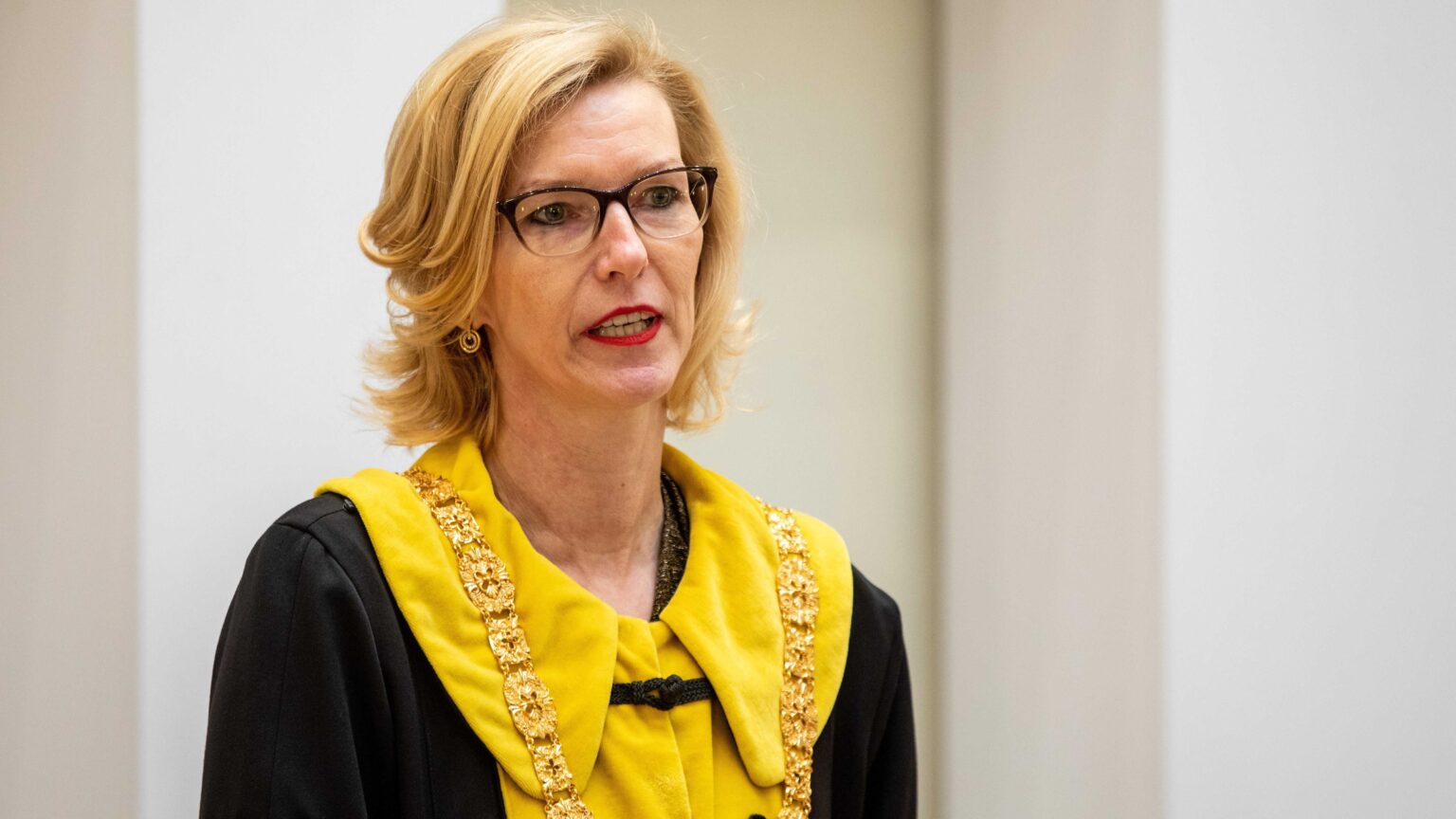
Prime Minister-elect Péter Magyar has nominated legal scholar Márta Görög, Dean of the Faculty of Law at the University of Szeged, to serve as justice minister in the incoming Tisza Party government.
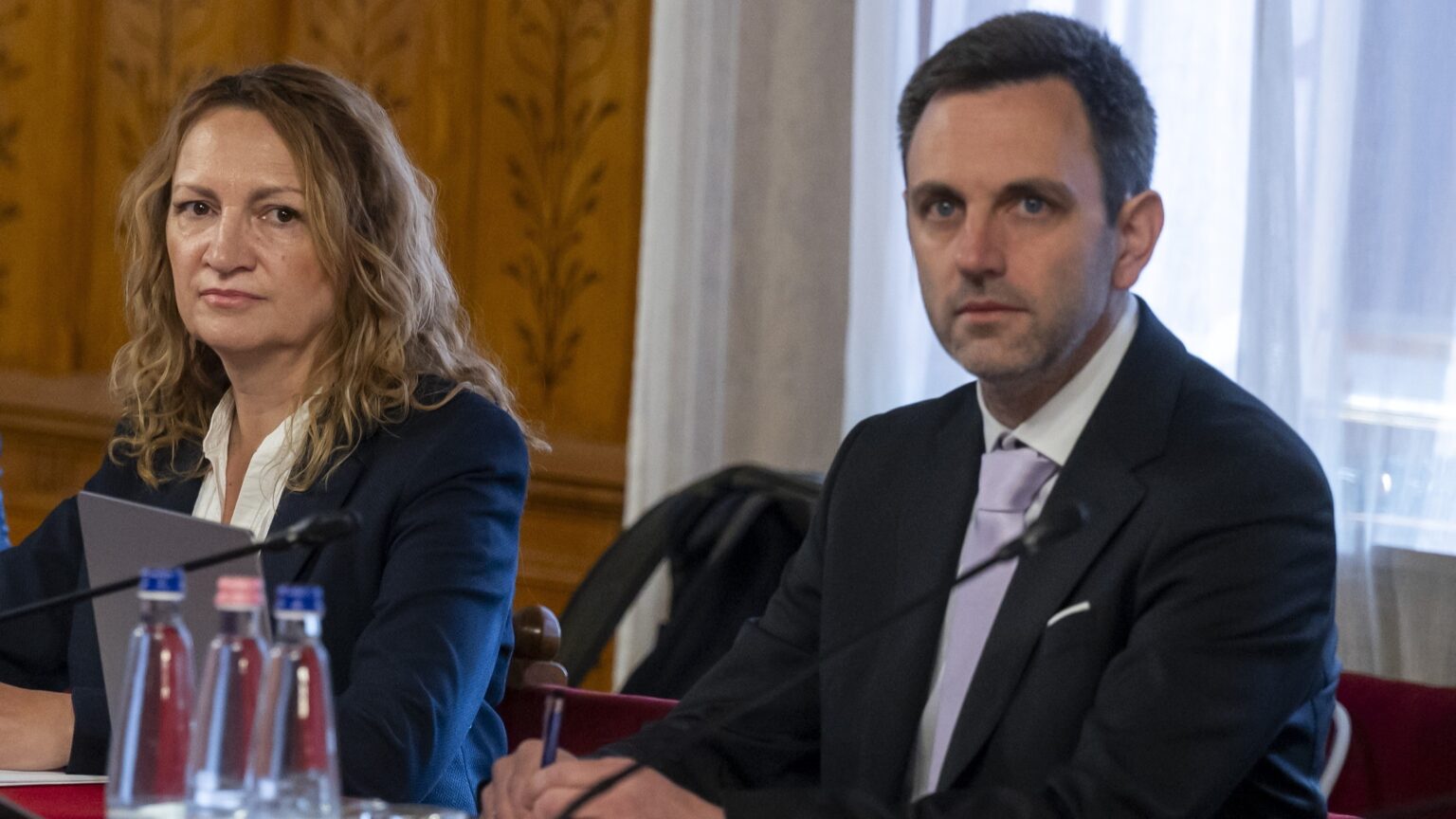
Márton Melléthei-Barna has declined Péter Magyar’s nomination for Minister of Justice after controversy emerged over his family ties to the prime minister-elect. Magyar is expected to announce a new nominee on Friday.
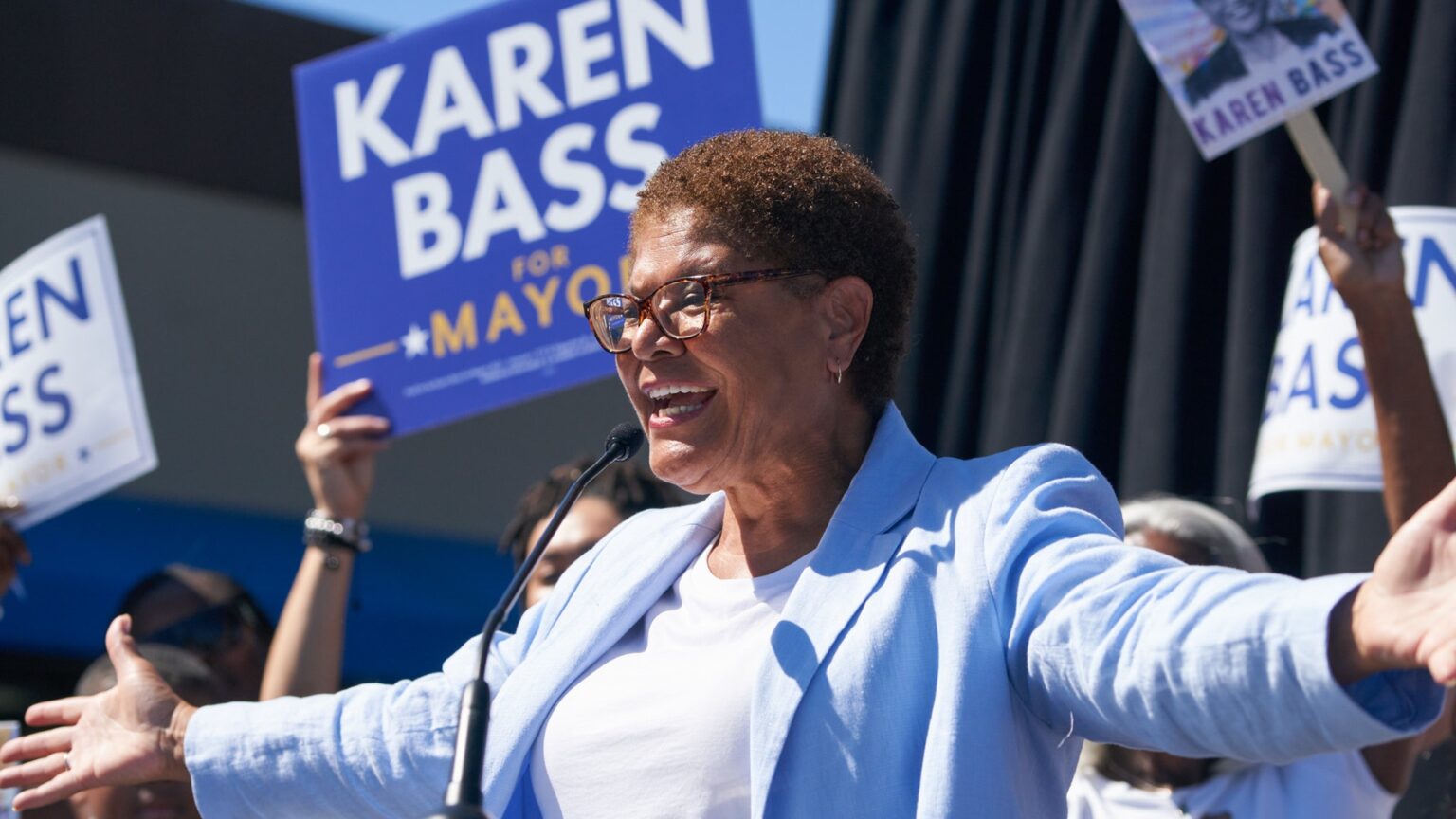
In a debate among mayoral candidates, incumbent Los Angeles Mayor Karen Bass of the Democratic Party stated that she is not willing to reject a proposal by an LA Council Member that would allow non-citizens to vote in local elections in the city. That is despite the fact that it would be against federal law; and an identical law passed by the New York City Council was ruled unconstitutional already.
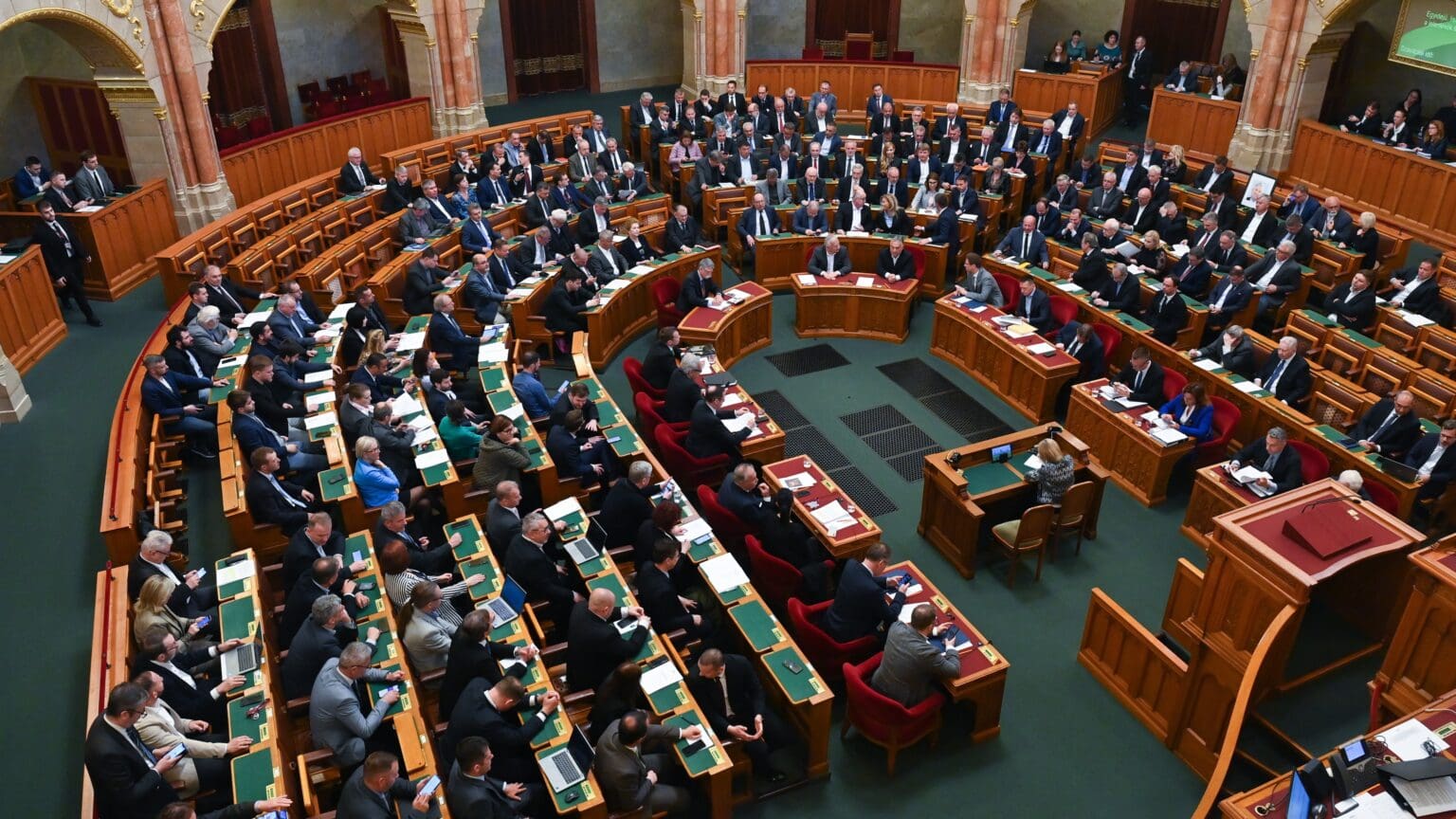
Hungary’s newly elected parliament will convene on Saturday, with Tisza Party leader Péter Magyar expected to be elected prime minister following April’s decisive election victory.
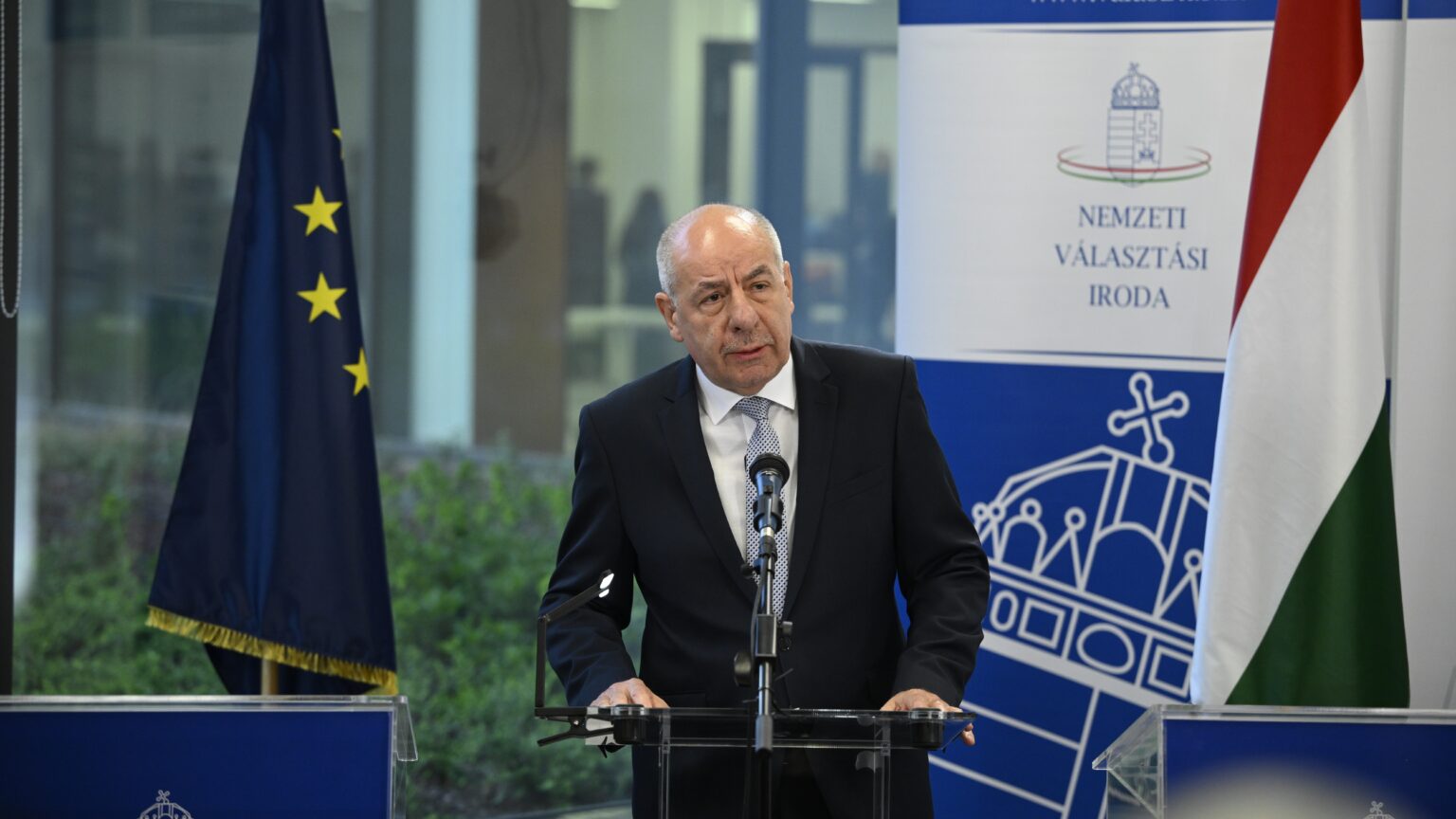
Can the new government remove the President of the Republic? Does a two-thirds electoral victory give the authority to dismiss public dignitaries? What can an amendment to the Fundamental Law achieve and what are its limits? After the inauguration of Péter Magyar as Prime Minister, a serious public law battle is set to begin.

Alberta’s separatist movement reached a new milestone as organizers announced over 300,000 signatures for an independence petition—far surpassing the legal threshold required to trigger a referendum. Yet even as calls for a vote intensify, deep-rooted structural limitations continue to undermine the feasibility of the province leaving Canada.

PM Narendra Modi of India’s right-wing populist and nationalist Bharatiya Janata Party (BJP) won the state legislative election in West Bengal, a state that Modi had never won in the three general elections in which he was elected Prime Minister by a landslide. In the state of Kerala, the last remaining communist-led state government in India was voted out.
Hungary could soon restore full access to the Erasmus+ programme, as Tisza Party officials say negotiations are underway to remove restrictions and reopen opportunities for students.
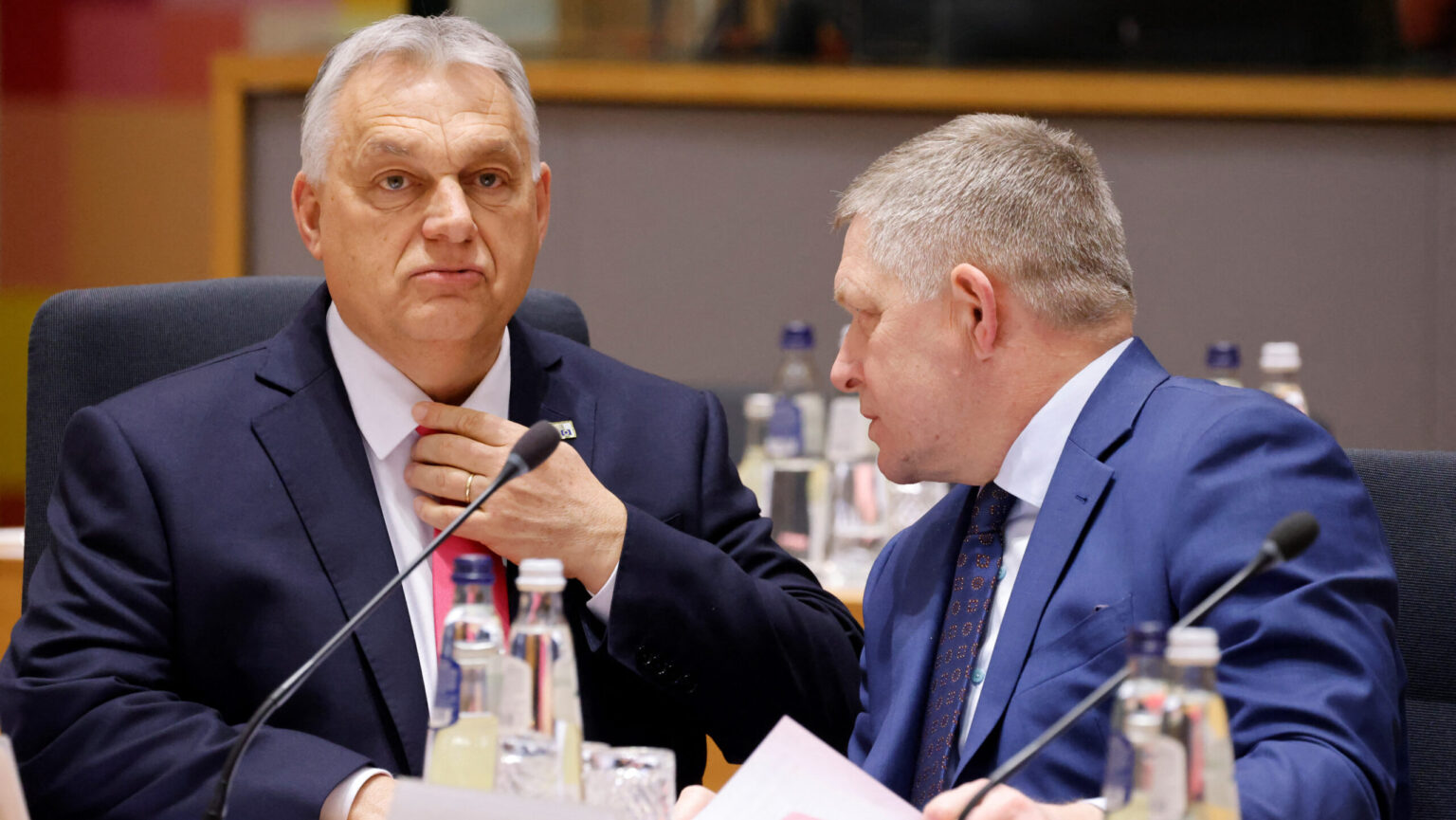
Slovak Prime Minister Robert Fico’s call to revive the Visegrád Four highlights a rapid regional recalibration after Viktor Orbán’s electoral defeat, which stripped him of his closest EU ally. Yet the outreach is already overshadowed by emerging tensions with incoming Hungarian Prime Minister Péter Magyar, particularly over minority rights and the Beneš Decrees.
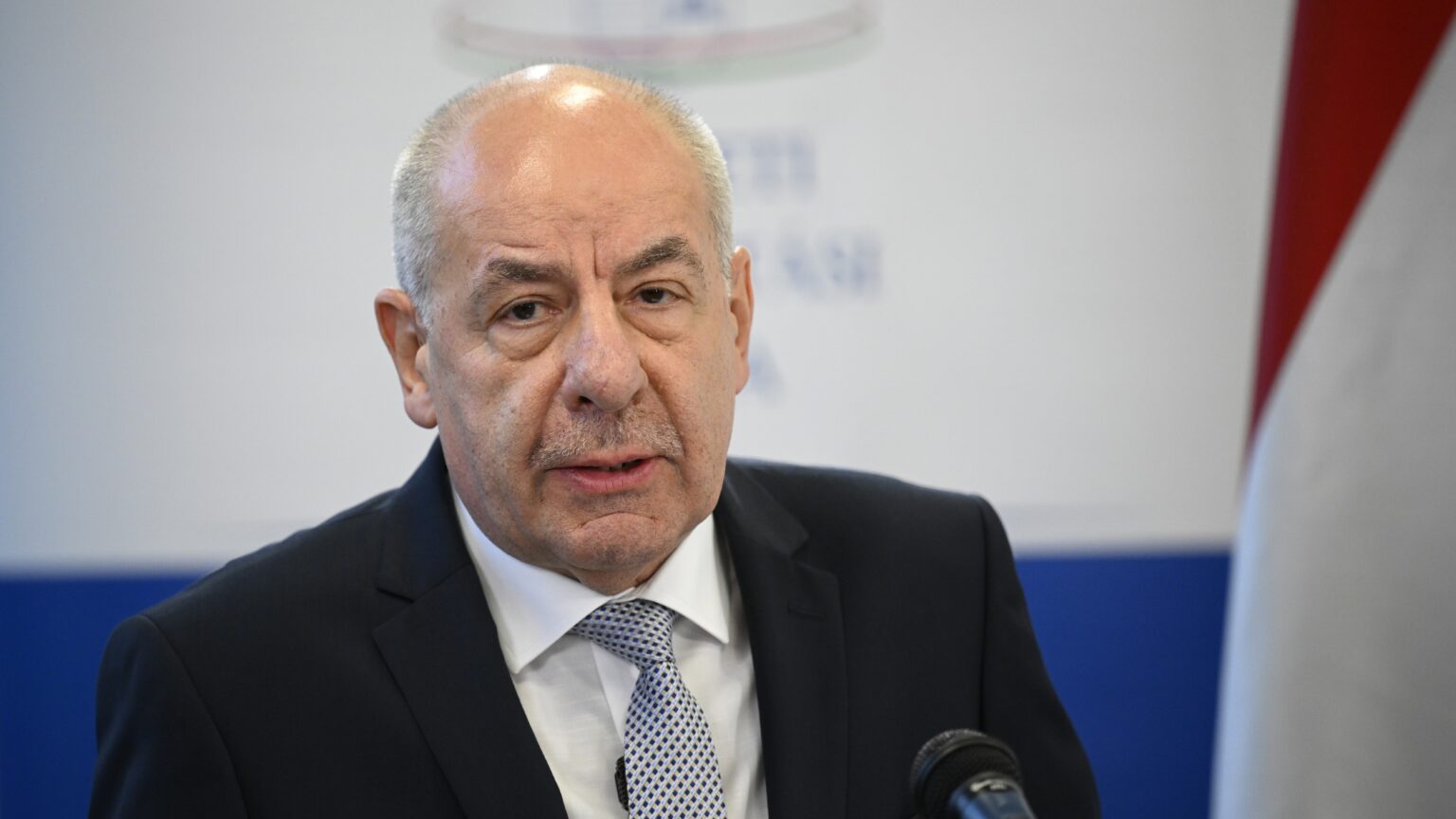
Hungary’s president has called for new legislation to balance child protection, EU law and constitutional requirements following a recent European court ruling.
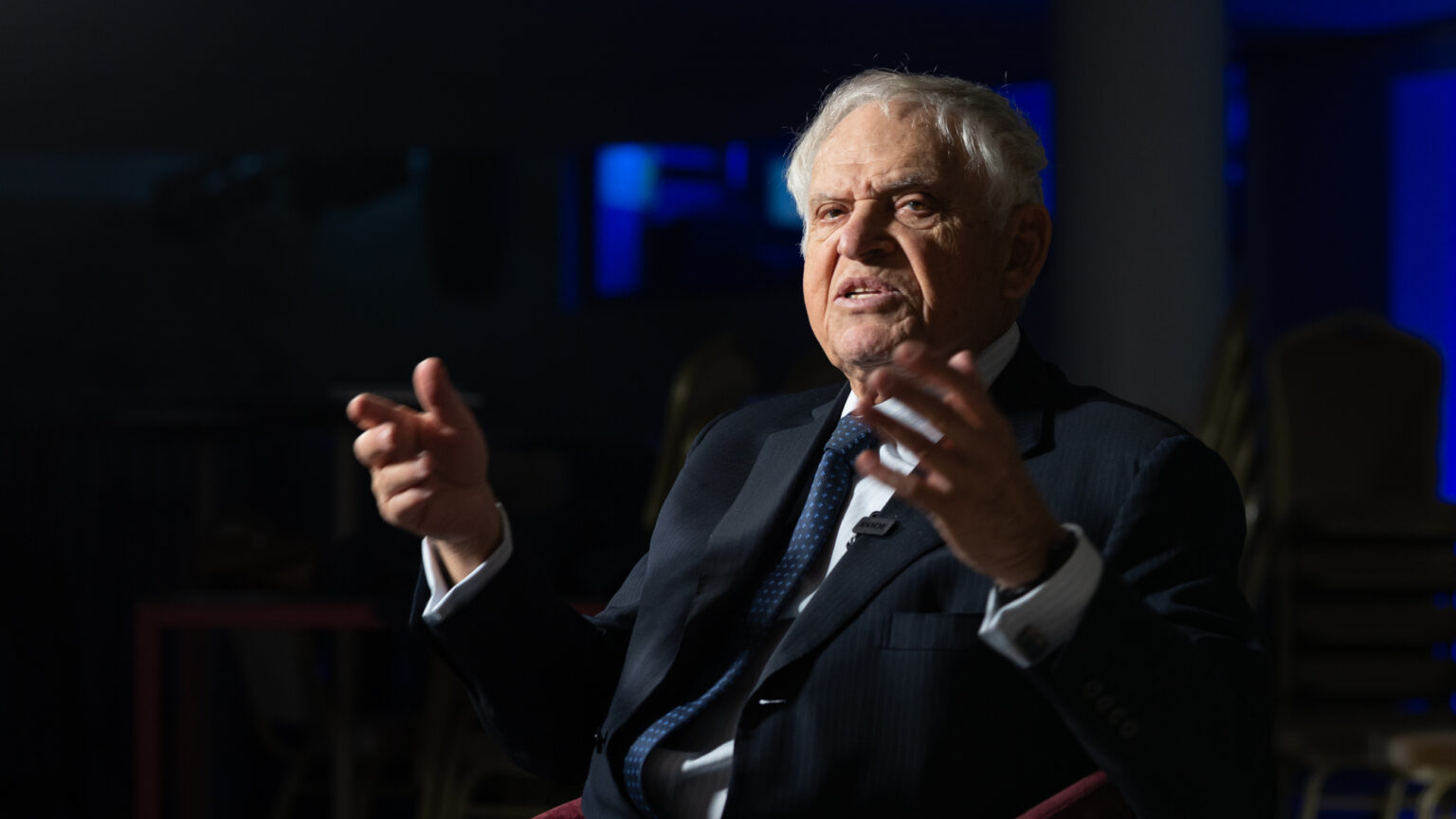
Has President Trump so far lived up to expectations? What will be the fate of Ukraine? How strong is China? We spoke to Edward N Luttwak, Contractual Strategic Advisor to the US Department of Defense, about Ukraine’s chances of winning the war, China’s readiness to change the status quo, and the turbulence in the Middle East.
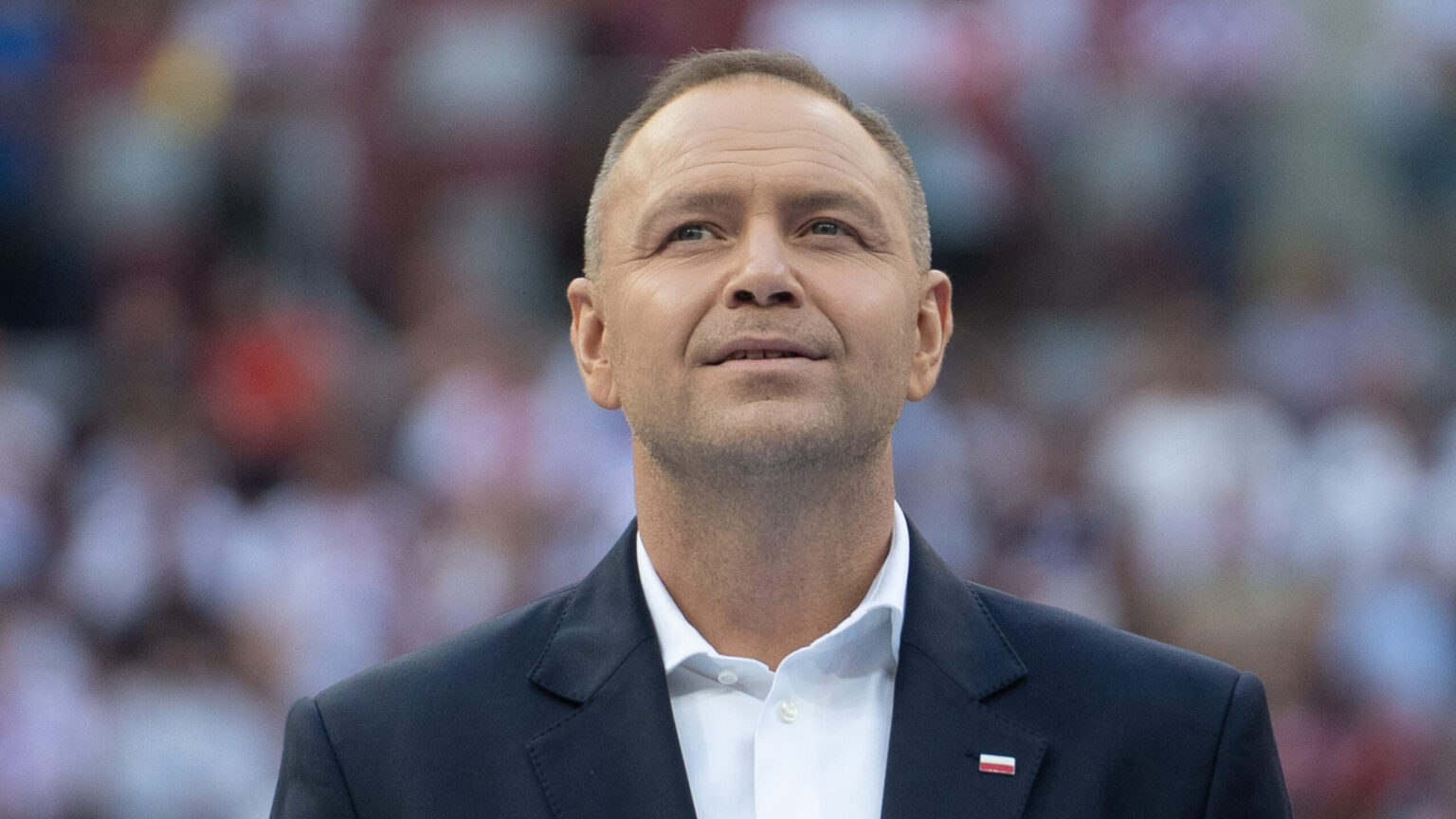
Marking the 235th anniversary of Europe’s first modern constitution, Polish President Karol Nawrocki unveiled plans to prepare a new constitutional framework by 2030. The initiative comes amid ongoing institutional conflict with Prime Minister Donald Tusk’s government.

At a time when public debate is increasingly polarized and superficial, Hungarian Conservative remains committed to depth and independent thought.
Donate Now
Please consider supporting our mission.